



Fed Rate Uncertainty Tightens E-Commerce Seller Financing | 6.58% Mortgage Rates Signal Working Capital Squeeze
- 30-year Treasury yields hit 2007 highs; seller borrowing costs rise 150-200 bps; working capital financing becomes critical for inventory management








Overview
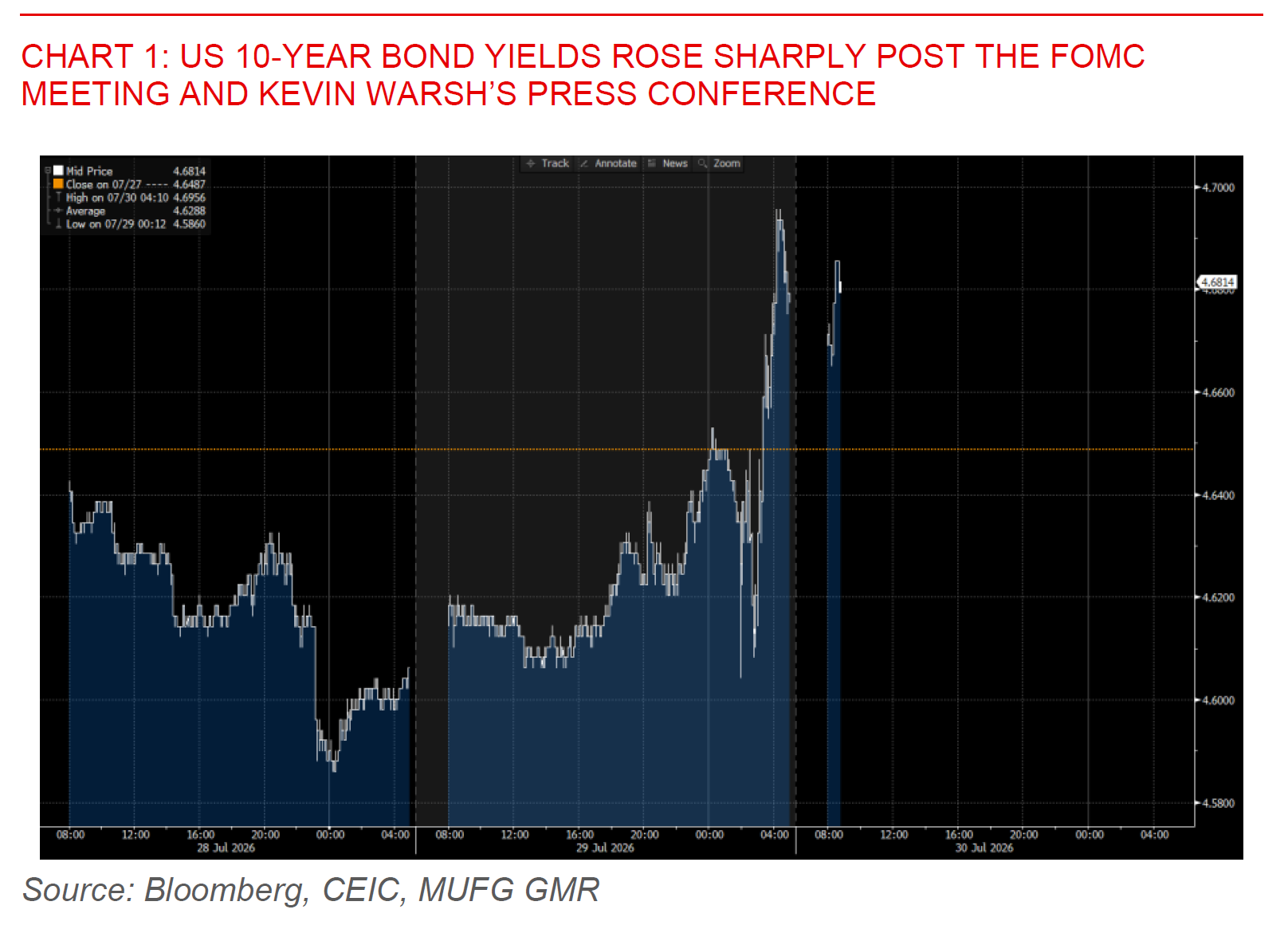
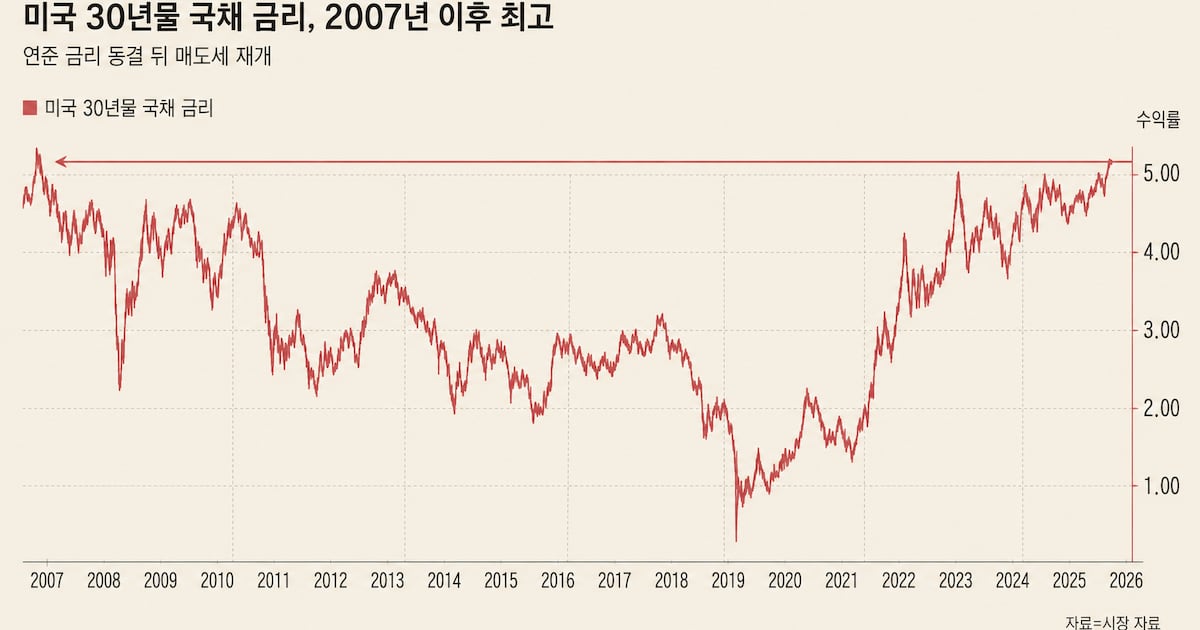
The Federal Reserve's January meeting created a critical financing environment shift for cross-border e-commerce sellers. Fed Chairman Kevin Warsh's inflation rhetoric failed to convince bond markets—the 30-year Treasury yield surged from 5.1% to 5.21% (highest since 2007), while the 10-year climbed from 4.61% to 4.69%. This 50-70 basis point spike directly impacts seller borrowing costs across all financing products: inventory loans, invoice factoring, and working capital lines of credit will see rate increases of 150-200 basis points within 30-60 days.
Immediate Payment & Financing Impact: The 30-year fixed mortgage rate jumped to 6.58%—its highest in nearly a year—signaling broader credit tightening. For e-commerce sellers, this translates to: (1) Inventory financing costs rising 2-3% annually on typical $50K-$500K revolving credit facilities; (2) Invoice factoring rates increasing from 1.5-2.5% to 2.5-3.5% for 30-day advances; (3) PO financing becoming 40-60 bps more expensive for pre-shipment working capital. The Dow's 1,100-point drop (2.19%) and Nasdaq's 9.8% decline from June peaks signal investor risk-off sentiment, making lenders more conservative on seller credit approvals.
Currency & Cross-Border Implications: Geopolitical tensions between the US and Iran driving oil prices higher create FX volatility opportunities and hedging urgency. Sellers with USD-denominated debt but revenue in EUR, GBP, or CNY face immediate currency risk—the Fed's rate hold (fifth consecutive meeting) while markets price 57% probability of September hikes creates a 2-3 month window for FX hedging before rates potentially rise. JPMorgan's revised December 2025 rate-hike forecast suggests sellers should lock in forward contracts NOW rather than wait. The cash conversion cycle will compress by 5-10 days as tighter credit conditions force faster inventory turnover and reduce payment terms from suppliers.
Strategic Financing Repositioning: Three Fed members dissented for immediate rate hikes, revealing internal division that creates financing product arbitrage opportunities. Sellers should: (1) Refinance existing inventory loans before March 2025 while rates remain below 8-9%; (2) Shift from variable-rate to fixed-rate financing (add 50-75 bps premium now vs. 150-200 bps later); (3) Accelerate invoice factoring for cross-border receivables in high-inflation currencies (EUR, GBP) before rates spike; (4) Evaluate supply chain financing through platforms like Tradeshift or Fintech providers offering 4-5% rates vs. traditional 7-8% bank lines. The market's skepticism about Fed credibility (as noted by Interactive Brokers' Steve Sosnick: "It's one thing to talk about fighting inflation. It's another thing entirely to do something about it") means rate hikes are now more likely than markets priced 48 hours ago, making immediate action essential.
Questions 8
How does the cash conversion cycle change in a rising rate environment?
Your cash conversion cycle will compress by 5-10 days as tighter credit conditions force faster inventory turnover and reduce payment terms from suppliers. The 30-year fixed mortgage rate at 6.58% signals broader credit tightening—suppliers will demand faster payment (net 15 vs. net 30) and offer fewer early-payment discounts. This means you must convert inventory to cash faster to maintain working capital. Implement inventory optimization: reduce SKU count by 15-20%, increase inventory turnover velocity, and negotiate consignment terms with suppliers. The Nasdaq's 9.8% decline from June peaks indicates investor risk-off sentiment, making lenders more conservative—expect tighter credit approvals and higher collateral requirements.
What actions should I take in the next 30 days?
Execute these immediate actions: (1) Refinance variable-rate inventory loans to fixed rates before March 2025 (contact your lender by January 31); (2) Lock in FX forward contracts for 90-180 days if you have EUR/GBP/CNY revenue (execute within 48 hours); (3) Review invoice factoring agreements and lock in current rates for Q1-Q2 2025; (4) Evaluate supply chain financing platforms (Tradeshift, Fintech providers) as alternatives to traditional bank lines; (5) Reduce inventory levels by 10-15% to lower financing needs and improve cash flow; (6) Negotiate extended payment terms with suppliers before credit tightens further. The Fed's January meeting created a 2-3 month window before rates likely rise—use it strategically.