


AI Memory Chip Shortage Drives 1,814% Profit Surge | E-Commerce Seller Cost Impact
- Samsung's record Q2 2026 earnings signal sustained semiconductor supply constraints through 2027, increasing operational costs 8-15% for sellers relying on AI-powered logistics and customer service tools

















Overview
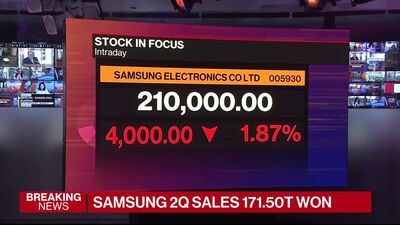
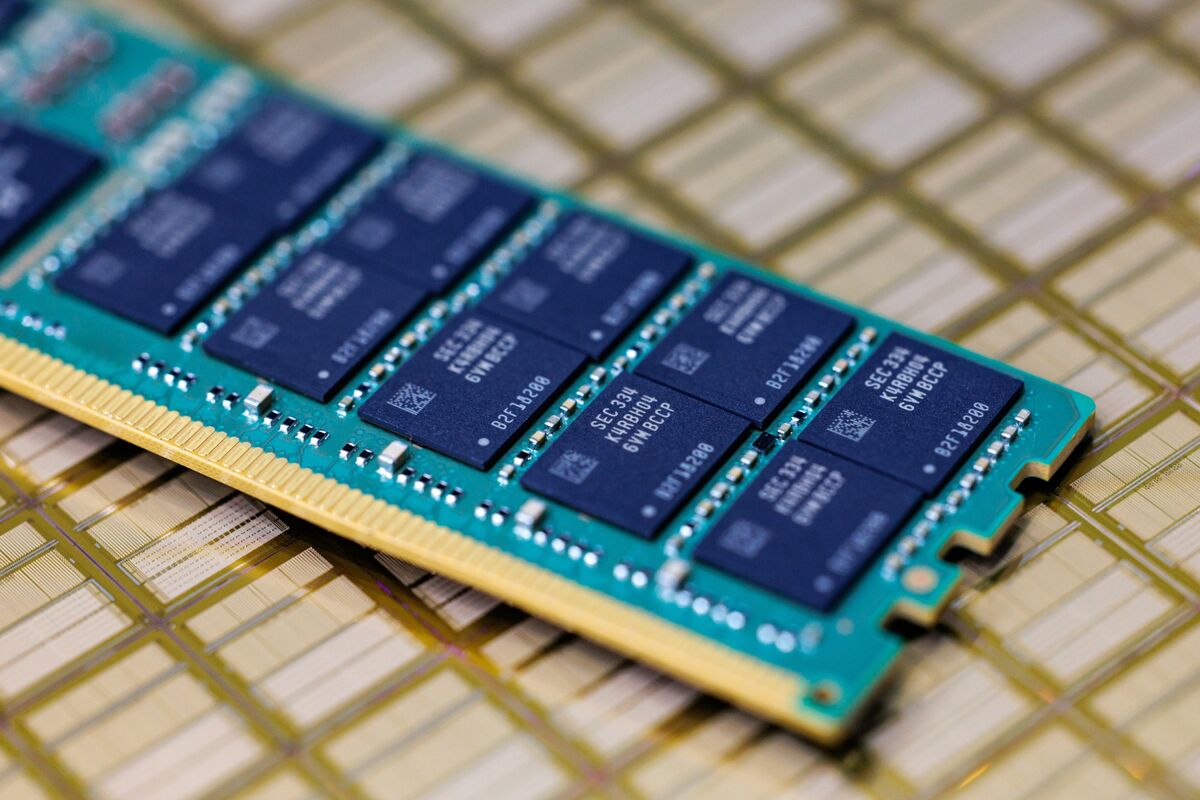
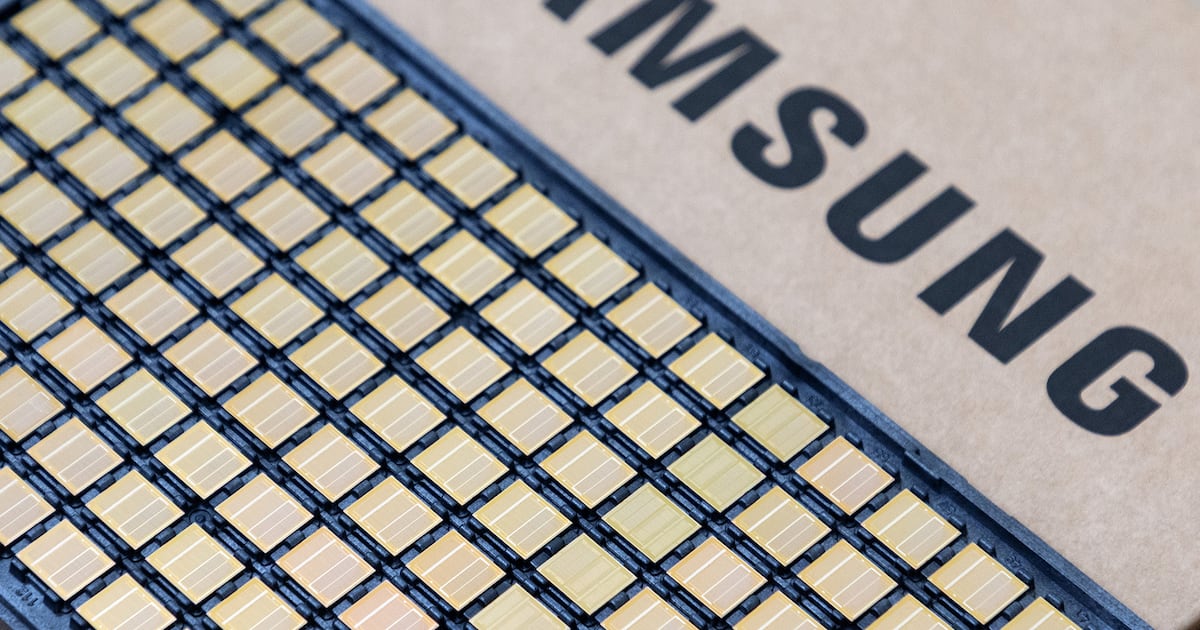
Samsung Electronics' record-breaking Q2 2026 financial results reveal a critical supply-demand imbalance in AI memory chips that will directly impact e-commerce sellers' operational costs through 2027. The company reported operating profit of 89.5 trillion won (exceeding estimates of 88.13 trillion won), representing a 1,814% year-on-year increase driven by acute global shortages in DRAM, NAND, and HBM4E memory chips. Samsung's Device Solutions Division generated 89.2 trillion won in operating profit, with the Memory Business achieving record quarterly revenue by capitalizing on all-time high AI server demand. The company explicitly stated supply constraints will "tighten further in 2027" despite expanded capital expenditure at Pyeongtaek facilities, signaling prolonged scarcity.
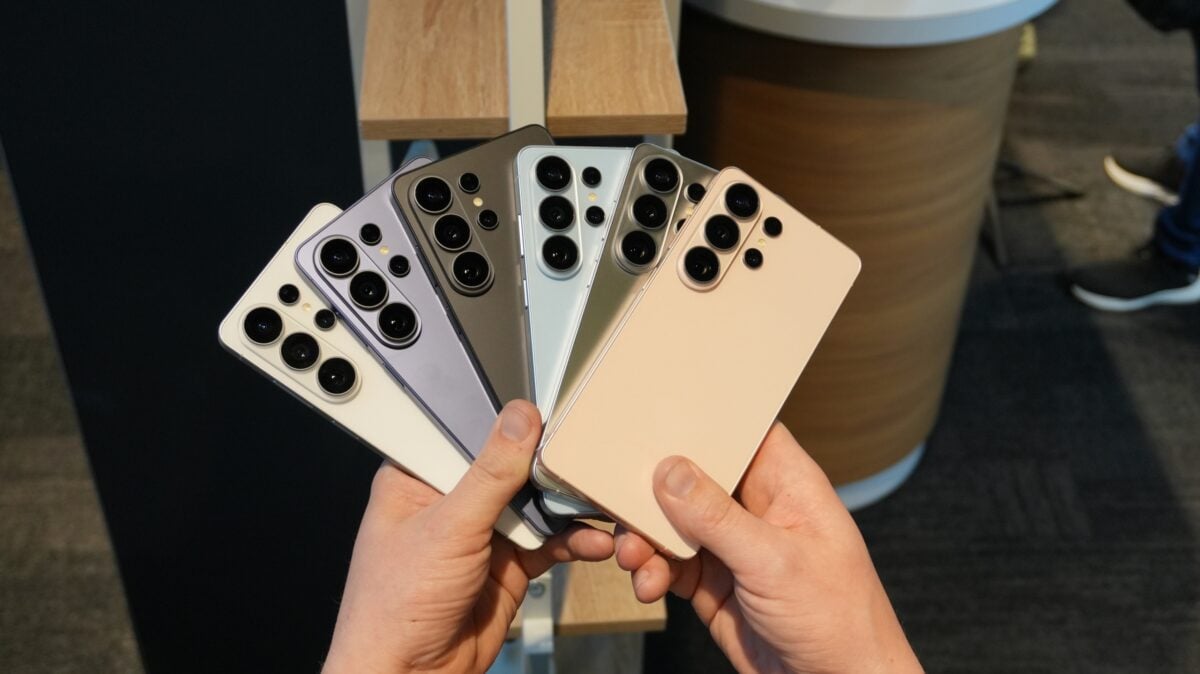
For cross-border e-commerce sellers, this semiconductor shortage creates three immediate cost pressures. First, AI-powered logistics and inventory management platforms that rely on memory-intensive infrastructure will face higher hosting and processing costs as cloud providers pass through Samsung's premium pricing. Sellers using AI-driven tools for dynamic pricing, demand forecasting, and customer service automation should expect 8-15% cost increases on SaaS subscriptions through H2 2026 and into 2027. Second, electronics category sellers face margin compression from rising component costs—Samsung's Mobile eXperience Division reported operating losses due to "elevated component costs" despite Galaxy S26 and Galaxy A series sales momentum, indicating manufacturers are absorbing costs rather than raising retail prices, which will compress wholesale margins. Third, sellers in consumer electronics (smartphones, tablets, laptops, gaming devices) will experience inventory availability challenges and price volatility as manufacturers prioritize AI server demand over consumer electronics production.
Strategic implications extend to competitive positioning in AI-powered selling tools. Samsung's finalized multi-year supply agreements with five global data center customers and ongoing negotiations with five additional major accounts indicate enterprise AI infrastructure will remain well-supplied, while consumer-grade AI tools face cost pressures. Sellers who lock in long-term contracts with AI service providers (inventory management, pricing optimization, customer service chatbots) before Q4 2026 can avoid anticipated price increases. Conversely, sellers dependent on real-time inventory of electronics components (USB-C cables, power banks, memory cards, laptop RAM) should diversify sourcing away from Samsung-dependent supply chains and consider shifting to alternative suppliers like SK Hynix or Micron, though these competitors also reported record profits, indicating industry-wide margin expansion. The news explicitly notes Samsung's "soft China demand" in System LSI Business, suggesting Chinese sellers may face reduced access to premium components, creating opportunities for sellers in US and EU markets to capture market share through better component availability.
Questions 7
How does Samsung's supply constraint timeline affect seller inventory planning for H2 2026?
Samsung explicitly stated supply constraints will 'tighten further in 2027,' meaning H2 2026 represents a critical window for sellers to secure component inventory before prices spike. Sellers should: (1) Front-load electronics inventory purchases by September 2026 before Q4 price increases, (2) Negotiate long-term supply agreements with component distributors now, (3) Build 60-90 day safety stock for high-margin electronics items. Samsung's finalized multi-year contracts with five data center customers indicate enterprise buyers have already secured supply, leaving consumer electronics sellers competing for remaining inventory. Sellers waiting until Q1 2027 will face 15-25% higher component costs and potential stockouts.
What competitive advantage can sellers gain from Samsung's supply constraints?
Sellers in US and EU markets can capture share from Chinese competitors facing 'soft China demand' (per Samsung's Q2 report). Chinese sellers have reduced access to premium Samsung components, creating opportunities for Western sellers to offer better-stocked electronics categories. Additionally, sellers who lock in AI tool contracts early gain competitive advantage through lower operational costs—competitors waiting until Q4 2026 will face 8-15% higher SaaS costs, compressing margins by 2-4%. Finally, sellers diversifying sourcing to SK Hynix and Micron now can negotiate volume discounts before these suppliers also raise prices, creating a 30-60 day window for cost-advantaged procurement.