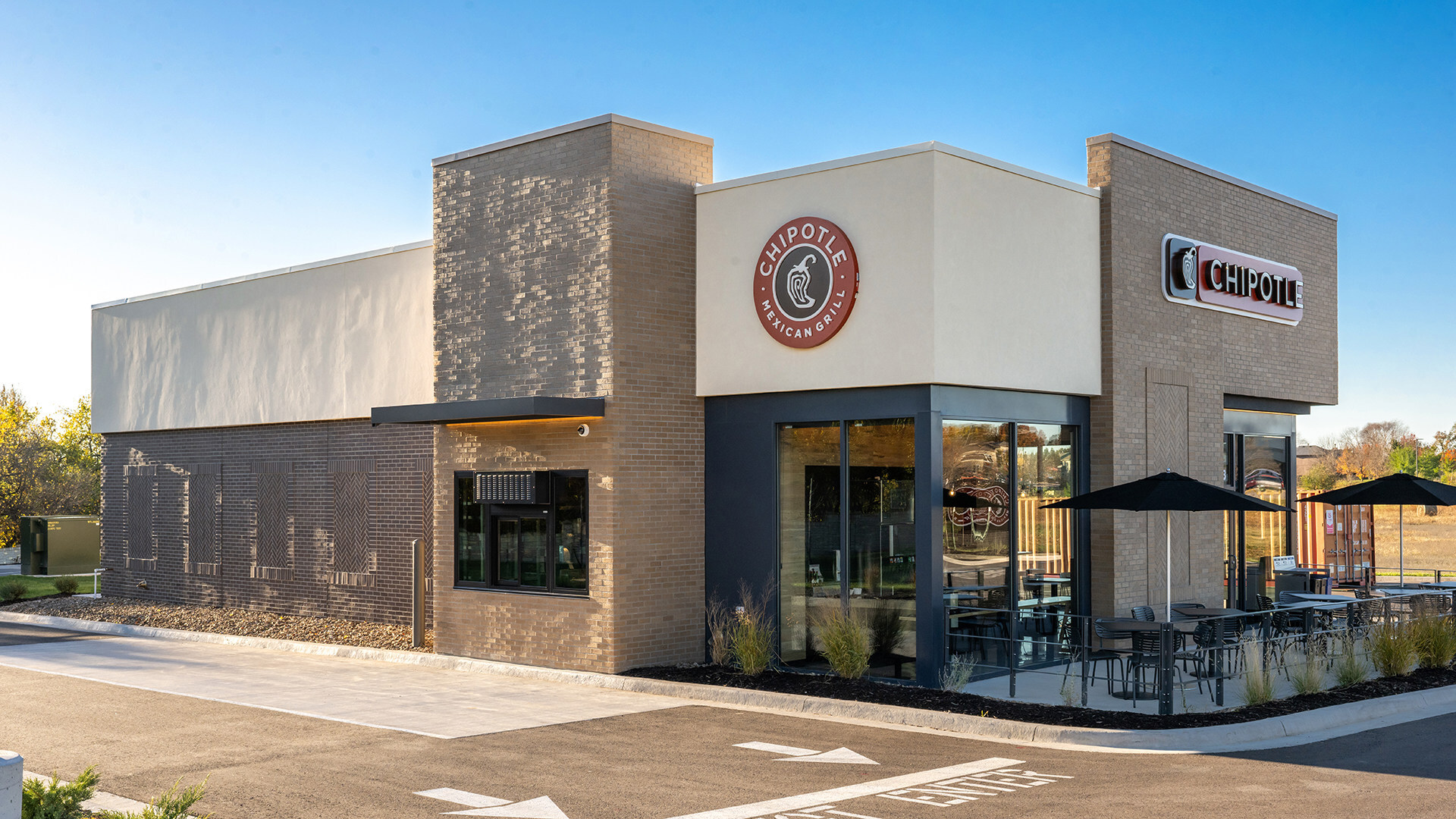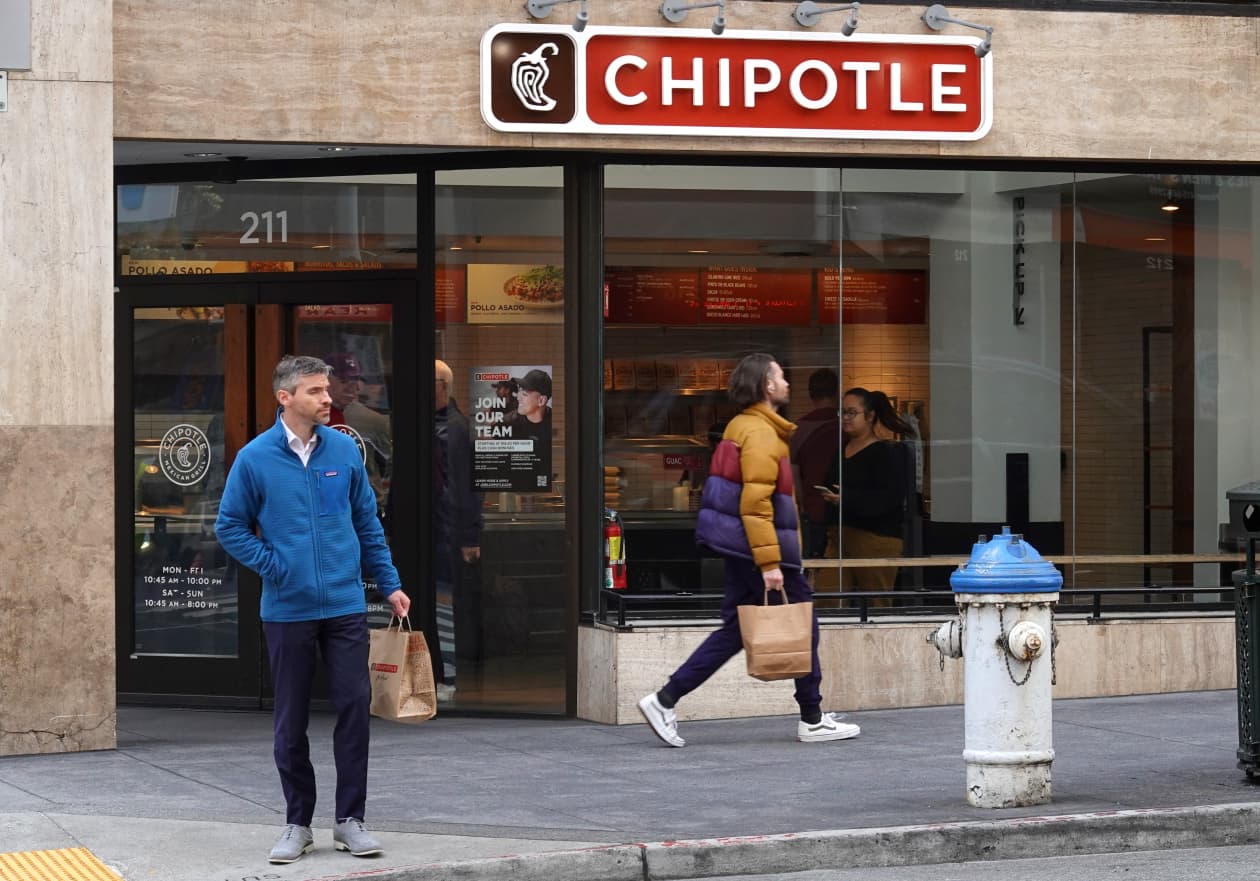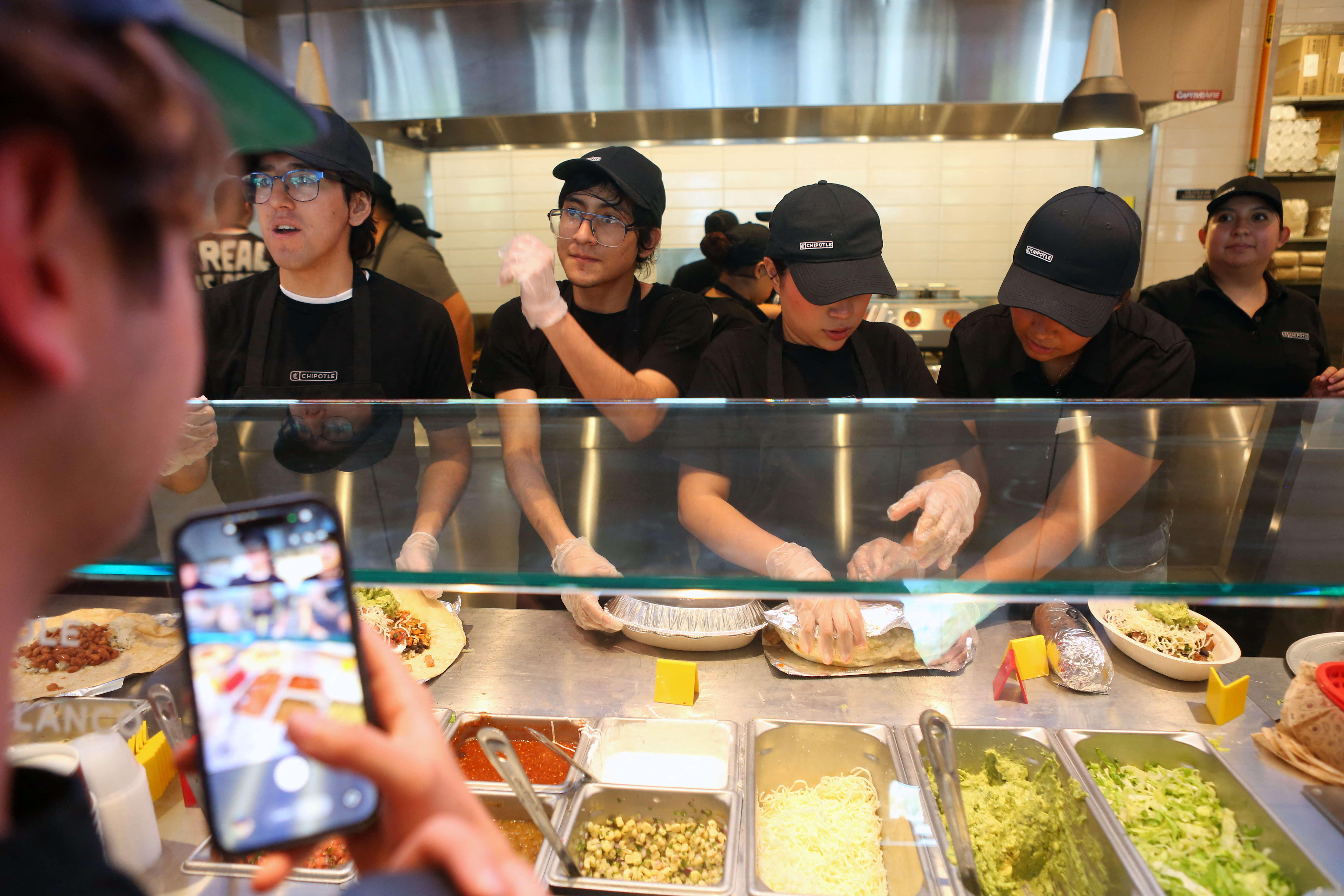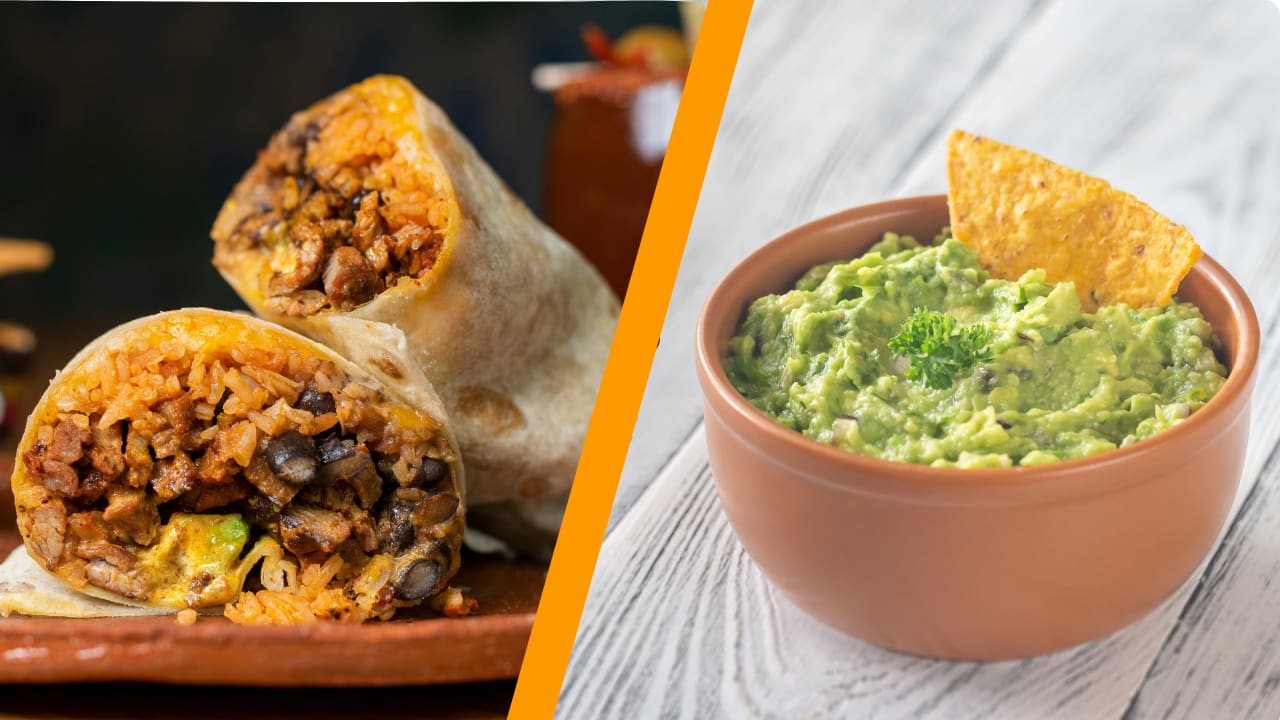
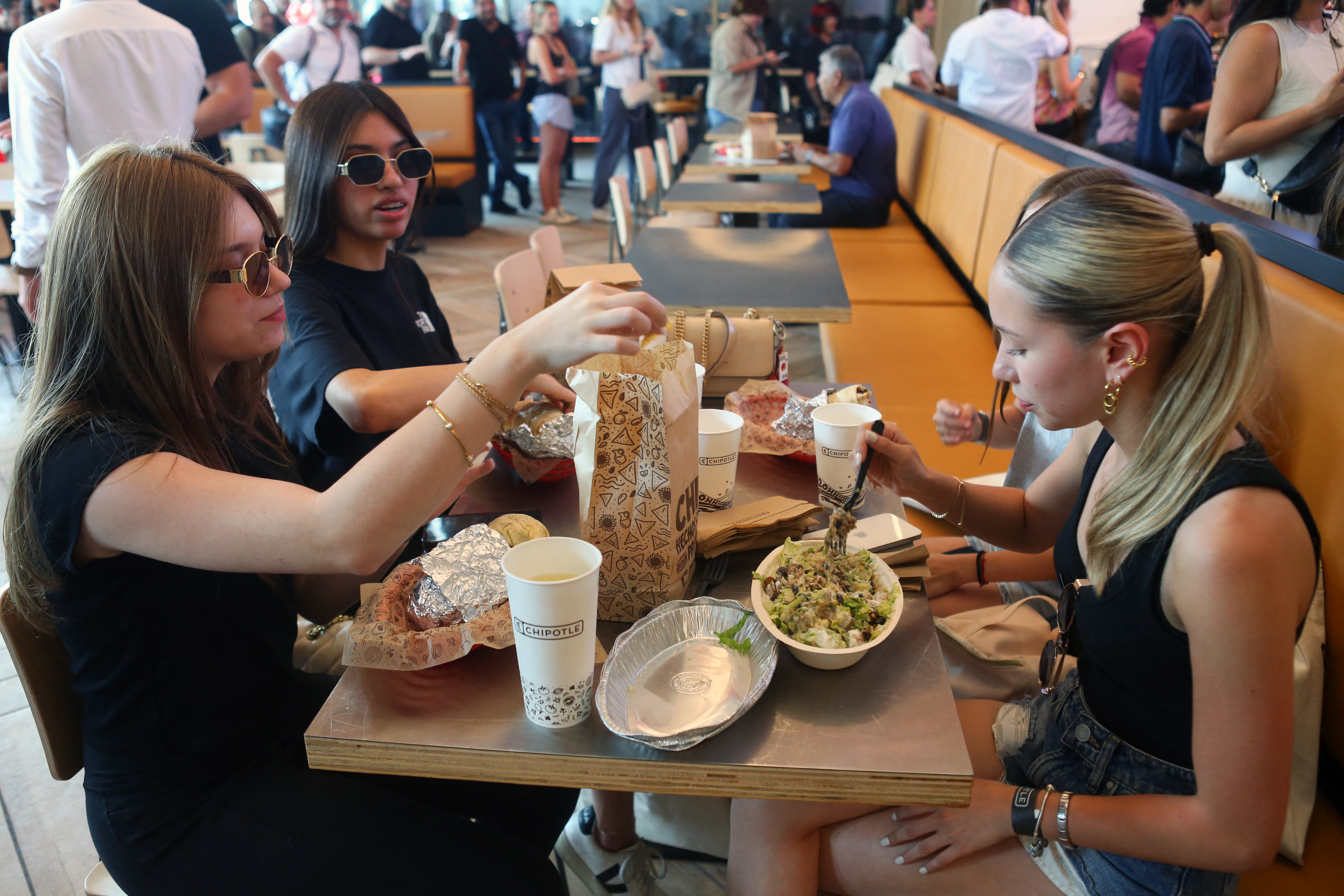



Chipotle Mexican Grill's Q2 2026 earnings beat (33¢ EPS vs. 32¢ expected; $3.35B revenue vs. $3.33B) demonstrates how rapid crisis communication and operational excellence can offset food safety concerns in fast-casual dining. The company's stock gained 2.18 points initially, then climbed 6% post-announcement, reflecting investor confidence despite acknowledging that cyclospora outbreak fears cost approximately 2 percentage points in sales during late July 2026. Same-store sales increased 2.2% (vs. 1.32% analyst estimates), driven by 1% traffic growth and menu innovations (Honey Chicken, cilantro lime sauce, Chicken Al Pastor) that resonated with younger and lower-income consumers. Chipotle opened 100 domestic locations and 1 international partner-operated restaurant, signaling aggressive expansion despite macroeconomic headwinds including elevated gas prices and increased dining costs.
For cross-border sellers and O2O strategists, this earnings cycle reveals critical insights about consumer behavior and retail expansion patterns. The 2.2% same-store sales growth amid food safety concerns demonstrates that transparent communication and supply chain clarity (Chipotle sources California romaine lettuce, not Mexico-linked iceberg) can maintain customer confidence. However, the 2% sales softening in late July shows how quickly consumer sentiment shifts during health crises—a pattern relevant to sellers in food, supplements, and health-adjacent categories. The company's modest 1-2% price increases (maintaining sensitivity to consumer budgets) and restaurant-level operating margin decline from 27.4% to 25.2% year-over-year (driven by record-high beef and packaging costs) signal that input cost inflation is forcing brands to choose between margin compression and price increases. This creates opportunity for sellers of food packaging alternatives, meal-prep containers, and restaurant supply products to position cost-saving solutions.
The expansion of 100 new locations in Q2 2026 and CEO Scott Boatwright's emphasis on "elevated hospitality standards" and "expanded group occasion opportunities" indicate Chipotle is investing in experiential retail and catering services. This signals demand for complementary products: branded merchandise (apparel, drinkware), catering supplies, point-of-sale systems, and loyalty program infrastructure. Sellers in restaurant technology, food packaging, and branded merchandise can target Chipotle's expansion markets (likely high-density urban areas and suburban growth zones) through B2B partnerships or Amazon Business channels. The company's deepened Chipotle Rewards engagement suggests digital-first customer acquisition, creating opportunities for sellers of POS integration software, customer data platforms, and loyalty program analytics. The $1.3B share repurchase plan approved June 11 indicates management confidence in long-term growth, supporting the case for sustained restaurant expansion and supply chain investment through 2026-2027.
Chipotle opened 100 domestic locations and 1 international partner-operated restaurant during Q2 2026, signaling aggressive geographic expansion likely concentrated in high-density urban and suburban growth markets. CEO Scott Boatwright emphasized 'elevated hospitality standards' and 'expanded group occasion opportunities,' indicating investment in catering services and experiential retail. This expansion creates B2B opportunities for sellers of: restaurant technology (POS systems, kitchen management software), food packaging and containers, branded merchandise (apparel, drinkware), catering supplies, and loyalty program infrastructure. Sellers should target Chipotle's expansion markets through Amazon Business, direct B2B outreach, and restaurant supply partnerships. The company's deepened Chipotle Rewards engagement suggests demand for customer data platforms and loyalty analytics tools. Estimated opportunity: 100 new locations × $50-100K annual supply spend per location = $5-10M addressable market for restaurant suppliers.
Chipotle's Q2 2026 same-store sales growth of 2.2% was driven by menu innovations (Honey Chicken, cilantro lime sauce, Chicken Al Pastor) that 'particularly resonated with younger and lower-income consumers.' This indicates strong demand for value-oriented, flavor-forward offerings in the fast-casual segment. For sellers, this signals opportunity in: affordable meal-prep containers and food storage solutions targeting budget-conscious consumers; ethnic/international food products (Al Pastor spices, cilantro-based seasonings); and younger demographic-focused branded merchandise. The success of limited-time offerings (LTOs) suggests seasonal product launches drive traffic—sellers should align inventory and marketing with restaurant promotional calendars. The emphasis on younger consumers indicates strong social media engagement potential; sellers can leverage TikTok Shop and Instagram commerce to reach this demographic with complementary food and lifestyle products.
Chipotle reported adjusted EPS of 33¢ (vs. 32¢ expected) and revenue of $3.35B (vs. $3.33B expected), with same-store sales up 2.2% versus analyst estimates of 1.32%. The stock climbed 6% in extended trading following the announcement. The earnings beat demonstrated operational resilience despite acknowledging that cyclospora outbreak fears cost approximately 2 percentage points in sales during late July 2026. Chipotle's proactive communication—explicitly stating it sources California romaine lettuce, not Mexico-linked iceberg lettuce—reassured investors that supply chain exposure was minimal. The company's ability to maintain traffic growth (1% increase) and introduce successful menu innovations (Honey Chicken, cilantro lime sauce) signaled strong demand recovery. For sellers, this demonstrates that transparent crisis communication and supply chain clarity can maintain customer confidence and investor support during food safety incidents.
Chipotle's restaurant-level operating margins declined from 27.4% to 25.2% year-over-year, a 210 basis point compression driven by record-high beef and packaging costs (which peaked in May 2026). Despite this pressure, the company maintained modest 1-2% price increases to remain sensitive to consumer sentiment, indicating that aggressive pricing could risk traffic. This margin squeeze creates opportunity for sellers of food packaging alternatives, cost-saving restaurant supplies, and beef sourcing solutions to position themselves as margin-recovery partners. Sellers in Amazon Business and restaurant supply channels should emphasize cost-per-unit savings and bulk pricing models. The data suggests restaurants are prioritizing volume over margin, making them receptive to suppliers offering 5-10% cost reductions on packaging and proteins.
Despite record-high beef and packaging costs, Chipotle maintained modest 1-2% price increases to remain 'sensitive to consumer sentiment,' indicating that aggressive pricing could risk traffic loss. The company's same-store sales growth of 2.2% despite 2% cyclospora-driven headwind suggests consumers are price-sensitive and willing to reduce frequency if prices rise too quickly. This reflects broader macroeconomic headwinds: elevated gas prices and increased dining costs are 'pressuring consumer budgets,' per the earnings report. For sellers, this signals that value-oriented products and cost-saving solutions are in high demand. Sellers should emphasize: bulk pricing, subscription models, and cost-per-unit savings in their marketing. The data suggests consumers are trading down to value brands and seeking efficiency—sellers in food, household, and discretionary categories should position products as budget-friendly alternatives. The 1% traffic growth (vs. 2.2% same-store sales growth) indicates that Chipotle is growing through higher ticket size (mix shift to higher-margin items) rather than volume, suggesting consumers are consolidating dining occasions but spending more per visit.
Chipotle's Q2 2026 expansion of 100 domestic locations likely targets high-density urban and suburban growth markets with strong demographic alignment (younger, lower-income consumers). For O2O sellers, this creates opportunities to establish complementary pop-up locations or retail partnerships near new Chipotle sites. High-ROI pop-up strategies include: (1) Food-adjacent products (meal-prep containers, spice blends, hot sauce brands) positioned as premium add-ons to Chipotle meals; (2) Branded merchandise (apparel, drinkware) targeting younger demographics; (3) Loyalty program partnerships (e.g., co-branded rewards with complementary brands). Estimated pop-up ROI: 50-100 sq ft kiosk in high-traffic Chipotle location = $2-5K monthly rent, with potential 15-25% conversion lift from foot traffic. Sellers should identify Chipotle's expansion markets (likely major metros: NYC, LA, Chicago, Austin, Denver) and secure retail partnerships with landlords or adjacent retailers. The company's emphasis on 'group occasion opportunities' suggests catering-focused sellers can target corporate and event markets in these expansion zones. Expected customer LTV increase from O2O: 30-50% higher repeat purchase rate and 20-30% higher average order value from omnichannel customers vs. online-only.
Chipotle's rapid, transparent response to cyclospora concerns—explicitly stating non-involvement and supply chain clarity—prevented reputational damage and maintained customer confidence. The company's proactive stance demonstrates that clear, timely communication during food safety incidents is critical for brand trust. For sellers, this underscores the importance of: maintaining transparent supply chain documentation (especially for food and health products); communicating quickly during quality or safety concerns; and leveraging third-party certifications (FDA, organic, non-GMO) to build consumer confidence. Sellers should implement crisis communication protocols and maintain detailed sourcing records. The incident also highlights the power of offline presence: Chipotle's 100 new locations provide direct customer touchpoints where brand trust can be reinforced through in-store communication and staff training. Sellers can adopt similar O2O strategies by establishing pop-up locations or retail partnerships in high-traffic areas to build brand credibility and convert online customers to repeat buyers.
Chipotle's board approved a $1.3B share repurchase plan on June 11, 2026, signaling management confidence in long-term growth and cash flow generation despite near-term headwinds. Share buybacks typically indicate that management believes the stock is undervalued and that capital is better deployed returning value to shareholders than investing in new initiatives. For sellers, this suggests Chipotle will maintain aggressive expansion (100 locations in Q2 alone) and supply chain investment through 2026-2027, supporting sustained demand for restaurant supplies, technology, and branded merchandise. The buyback also indicates financial stability—Chipotle is not facing liquidity constraints despite margin compression. Sellers should view this as a signal to increase B2B outreach to Chipotle's procurement teams, as the company has capital available for supply chain optimization and expansion-related purchases. The $1.3B authorization suggests annual buyback spending of $300-400M, indicating strong cash generation and confidence in operational execution.
Chipotle opened 100 domestic locations and 1 international partner-operated restaurant during Q2 2026, signaling aggressive geographic expansion likely concentrated in high-density urban and suburban growth markets. CEO Scott Boatwright emphasized 'elevated hospitality standards' and 'expanded group occasion opportunities,' indicating investment in catering services and experiential retail. This expansion creates B2B opportunities for sellers of: restaurant technology (POS systems, kitchen management software), food packaging and containers, branded merchandise (apparel, drinkware), catering supplies, and loyalty program infrastructure. Sellers should target Chipotle's expansion markets through Amazon Business, direct B2B outreach, and restaurant supply partnerships. The company's deepened Chipotle Rewards engagement suggests demand for customer data platforms and loyalty analytics tools. Estimated opportunity: 100 new locations × $50-100K annual supply spend per location = $5-10M addressable market for restaurant suppliers.
Chipotle's Q2 2026 same-store sales growth of 2.2% was driven by menu innovations (Honey Chicken, cilantro lime sauce, Chicken Al Pastor) that 'particularly resonated with younger and lower-income consumers.' This indicates strong demand for value-oriented, flavor-forward offerings in the fast-casual segment. For sellers, this signals opportunity in: affordable meal-prep containers and food storage solutions targeting budget-conscious consumers; ethnic/international food products (Al Pastor spices, cilantro-based seasonings); and younger demographic-focused branded merchandise. The success of limited-time offerings (LTOs) suggests seasonal product launches drive traffic—sellers should align inventory and marketing with restaurant promotional calendars. The emphasis on younger consumers indicates strong social media engagement potential; sellers can leverage TikTok Shop and Instagram commerce to reach this demographic with complementary food and lifestyle products.
Chipotle reported adjusted EPS of 33¢ (vs. 32¢ expected) and revenue of $3.35B (vs. $3.33B expected), with same-store sales up 2.2% versus analyst estimates of 1.32%. The stock climbed 6% in extended trading following the announcement. The earnings beat demonstrated operational resilience despite acknowledging that cyclospora outbreak fears cost approximately 2 percentage points in sales during late July 2026. Chipotle's proactive communication—explicitly stating it sources California romaine lettuce, not Mexico-linked iceberg lettuce—reassured investors that supply chain exposure was minimal. The company's ability to maintain traffic growth (1% increase) and introduce successful menu innovations (Honey Chicken, cilantro lime sauce) signaled strong demand recovery. For sellers, this demonstrates that transparent crisis communication and supply chain clarity can maintain customer confidence and investor support during food safety incidents.
Chipotle's restaurant-level operating margins declined from 27.4% to 25.2% year-over-year, a 210 basis point compression driven by record-high beef and packaging costs (which peaked in May 2026). Despite this pressure, the company maintained modest 1-2% price increases to remain sensitive to consumer sentiment, indicating that aggressive pricing could risk traffic. This margin squeeze creates opportunity for sellers of food packaging alternatives, cost-saving restaurant supplies, and beef sourcing solutions to position themselves as margin-recovery partners. Sellers in Amazon Business and restaurant supply channels should emphasize cost-per-unit savings and bulk pricing models. The data suggests restaurants are prioritizing volume over margin, making them receptive to suppliers offering 5-10% cost reductions on packaging and proteins.
Despite record-high beef and packaging costs, Chipotle maintained modest 1-2% price increases to remain 'sensitive to consumer sentiment,' indicating that aggressive pricing could risk traffic loss. The company's same-store sales growth of 2.2% despite 2% cyclospora-driven headwind suggests consumers are price-sensitive and willing to reduce frequency if prices rise too quickly. This reflects broader macroeconomic headwinds: elevated gas prices and increased dining costs are 'pressuring consumer budgets,' per the earnings report. For sellers, this signals that value-oriented products and cost-saving solutions are in high demand. Sellers should emphasize: bulk pricing, subscription models, and cost-per-unit savings in their marketing. The data suggests consumers are trading down to value brands and seeking efficiency—sellers in food, household, and discretionary categories should position products as budget-friendly alternatives. The 1% traffic growth (vs. 2.2% same-store sales growth) indicates that Chipotle is growing through higher ticket size (mix shift to higher-margin items) rather than volume, suggesting consumers are consolidating dining occasions but spending more per visit.
Chipotle's Q2 2026 expansion of 100 domestic locations likely targets high-density urban and suburban growth markets with strong demographic alignment (younger, lower-income consumers). For O2O sellers, this creates opportunities to establish complementary pop-up locations or retail partnerships near new Chipotle sites. High-ROI pop-up strategies include: (1) Food-adjacent products (meal-prep containers, spice blends, hot sauce brands) positioned as premium add-ons to Chipotle meals; (2) Branded merchandise (apparel, drinkware) targeting younger demographics; (3) Loyalty program partnerships (e.g., co-branded rewards with complementary brands). Estimated pop-up ROI: 50-100 sq ft kiosk in high-traffic Chipotle location = $2-5K monthly rent, with potential 15-25% conversion lift from foot traffic. Sellers should identify Chipotle's expansion markets (likely major metros: NYC, LA, Chicago, Austin, Denver) and secure retail partnerships with landlords or adjacent retailers. The company's emphasis on 'group occasion opportunities' suggests catering-focused sellers can target corporate and event markets in these expansion zones. Expected customer LTV increase from O2O: 30-50% higher repeat purchase rate and 20-30% higher average order value from omnichannel customers vs. online-only.
Chipotle's rapid, transparent response to cyclospora concerns—explicitly stating non-involvement and supply chain clarity—prevented reputational damage and maintained customer confidence. The company's proactive stance demonstrates that clear, timely communication during food safety incidents is critical for brand trust. For sellers, this underscores the importance of: maintaining transparent supply chain documentation (especially for food and health products); communicating quickly during quality or safety concerns; and leveraging third-party certifications (FDA, organic, non-GMO) to build consumer confidence. Sellers should implement crisis communication protocols and maintain detailed sourcing records. The incident also highlights the power of offline presence: Chipotle's 100 new locations provide direct customer touchpoints where brand trust can be reinforced through in-store communication and staff training. Sellers can adopt similar O2O strategies by establishing pop-up locations or retail partnerships in high-traffic areas to build brand credibility and convert online customers to repeat buyers.
Chipotle's board approved a $1.3B share repurchase plan on June 11, 2026, signaling management confidence in long-term growth and cash flow generation despite near-term headwinds. Share buybacks typically indicate that management believes the stock is undervalued and that capital is better deployed returning value to shareholders than investing in new initiatives. For sellers, this suggests Chipotle will maintain aggressive expansion (100 locations in Q2 alone) and supply chain investment through 2026-2027, supporting sustained demand for restaurant supplies, technology, and branded merchandise. The buyback also indicates financial stability—Chipotle is not facing liquidity constraints despite margin compression. Sellers should view this as a signal to increase B2B outreach to Chipotle's procurement teams, as the company has capital available for supply chain optimization and expansion-related purchases. The $1.3B authorization suggests annual buyback spending of $300-400M, indicating strong cash generation and confidence in operational execution.
Chipotle opened 100 domestic locations and 1 international partner-operated restaurant during Q2 2026, signaling aggressive geographic expansion likely concentrated in high-density urban and suburban growth markets. CEO Scott Boatwright emphasized 'elevated hospitality standards' and 'expanded group occasion opportunities,' indicating investment in catering services and experiential retail. This expansion creates B2B opportunities for sellers of: restaurant technology (POS systems, kitchen management software), food packaging and containers, branded merchandise (apparel, drinkware), catering supplies, and loyalty program infrastructure. Sellers should target Chipotle's expansion markets through Amazon Business, direct B2B outreach, and restaurant supply partnerships. The company's deepened Chipotle Rewards engagement suggests demand for customer data platforms and loyalty analytics tools. Estimated opportunity: 100 new locations × $50-100K annual supply spend per location = $5-10M addressable market for restaurant suppliers.
Chipotle's Q2 2026 same-store sales growth of 2.2% was driven by menu innovations (Honey Chicken, cilantro lime sauce, Chicken Al Pastor) that 'particularly resonated with younger and lower-income consumers.' This indicates strong demand for value-oriented, flavor-forward offerings in the fast-casual segment. For sellers, this signals opportunity in: affordable meal-prep containers and food storage solutions targeting budget-conscious consumers; ethnic/international food products (Al Pastor spices, cilantro-based seasonings); and younger demographic-focused branded merchandise. The success of limited-time offerings (LTOs) suggests seasonal product launches drive traffic—sellers should align inventory and marketing with restaurant promotional calendars. The emphasis on younger consumers indicates strong social media engagement potential; sellers can leverage TikTok Shop and Instagram commerce to reach this demographic with complementary food and lifestyle products.