


Oil Price Surge & Strait of Hormuz Disruption | Critical Logistics Cost Impact for Cross-Border Sellers
- Oil surges 8% to $90/barrel amid U.S.-Iran escalation; shipping costs rise 5-12% for international sellers; Strait of Hormuz disruption threatens 20% of global oil supply











Overview
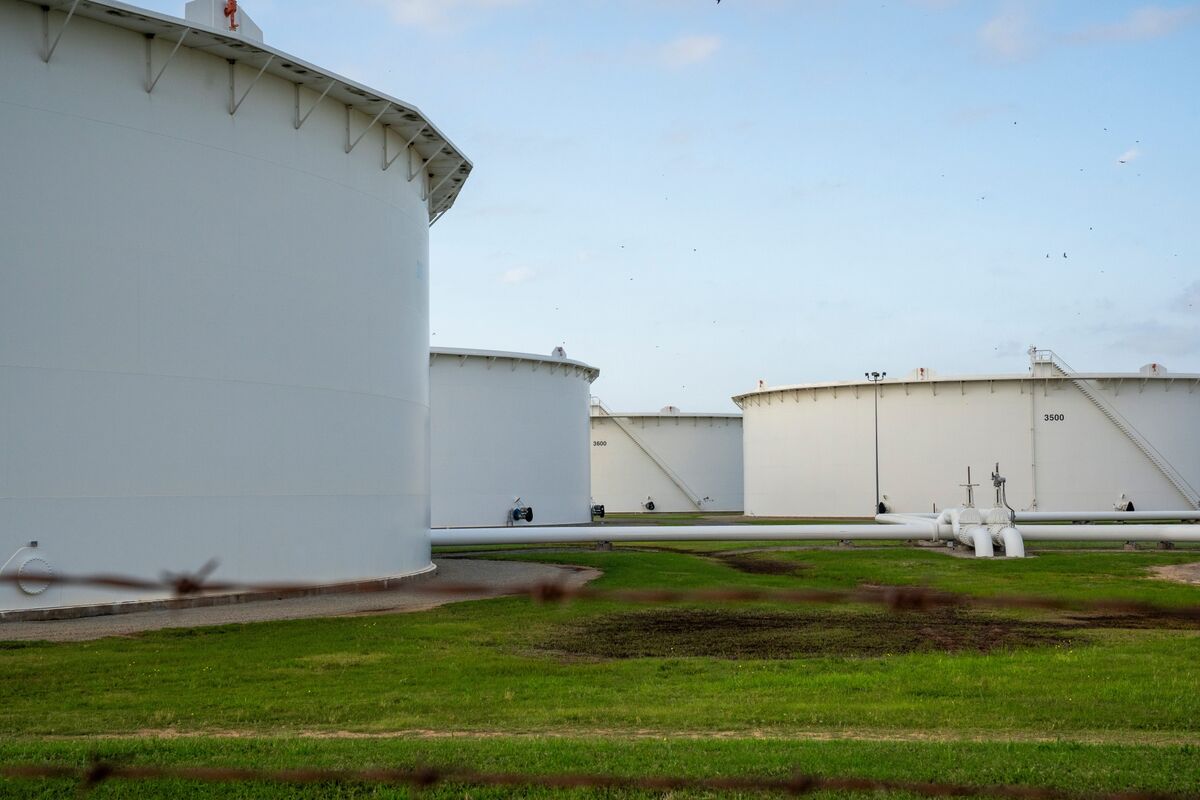
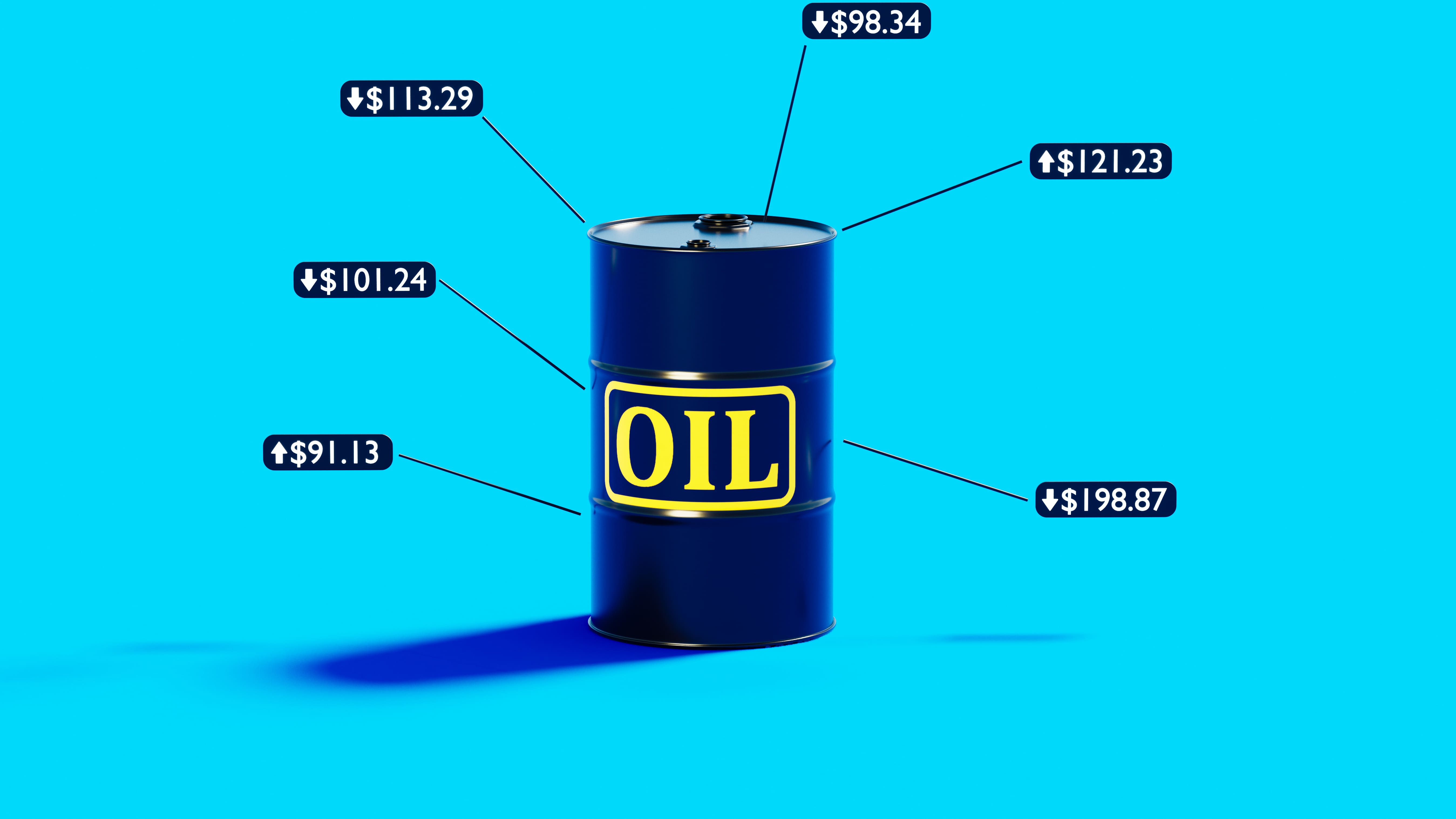
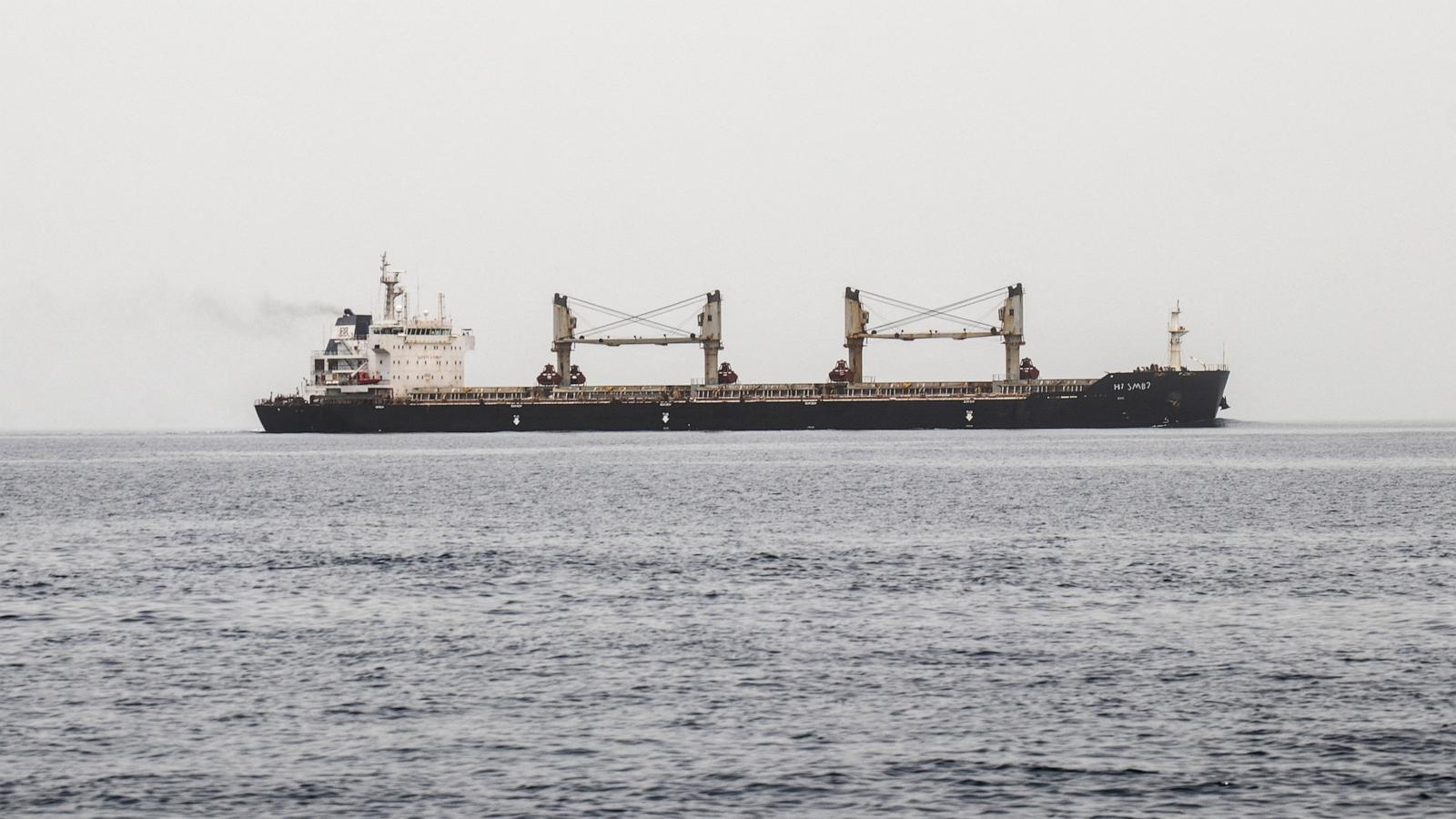
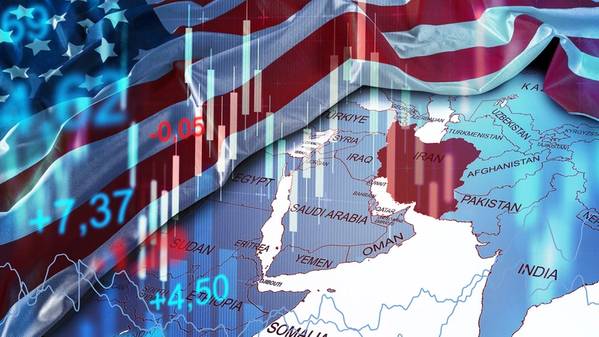
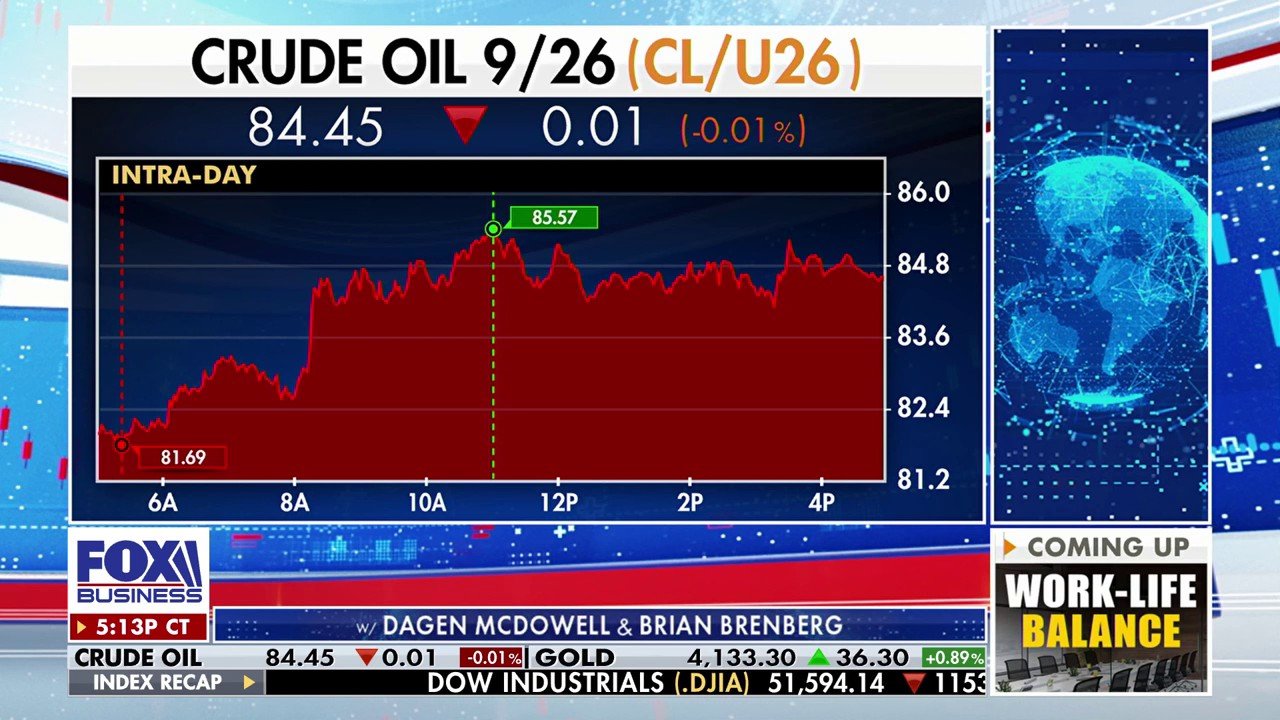
Geopolitical escalation between the U.S. and Iran is creating immediate and sustained cost pressures on cross-border e-commerce operations through energy market volatility. Following Iranian missile attacks and Trump's retaliation threats, global oil prices surged nearly 8% to cross $90 per barrel on a single trading day, with previous peaks exceeding $100 during earlier conflict phases. The Strait of Hormuz—which facilitates approximately one-fifth of global oil supply—has experienced sharp traffic declines as military tensions intensified, creating supply-side constraints that sustain elevated energy costs. U.S. gasoline prices have risen 37 cents per gallon since the conflict began in late February, currently standing at $4.09/gallon, while U.S. crude stockpiles have declined significantly, reducing domestic supply buffers.
For cross-border e-commerce sellers, this energy crisis translates directly into logistics cost escalation across multiple fulfillment channels. Rising crude prices increase fuel surcharges applied by 3PL providers and international shipping carriers, with logistics companies typically adjusting surcharges monthly or quarterly based on crude price averages. Sellers relying on air freight or expedited shipping face particularly acute cost pressures, as aviation fuel represents 25-35% of air cargo costs. Additionally, elevated fuel costs cascade through warehousing operations, last-mile delivery networks, and supply chain management, compressing margins on products with thin profit margins or high shipping volumes. The combination of geopolitical uncertainty and tightening domestic inventory suggests sustained supply tightness, potentially maintaining elevated price levels through at least September 2026, when OPEC is expected to announce supply adjustments.
The operational impact varies significantly by seller segment and product category. Small sellers shipping 100-500 units monthly via FBA or 3PL may absorb 5-8% margin compression on standard shipping, while high-volume sellers (1,000+ units/month) face $200-400 monthly increases in fulfillment costs. Air freight users and sellers of heavy/bulky items (furniture, appliances, sporting goods) experience disproportionate cost increases of 10-15%. Conversely, sellers with established inventory in U.S. fulfillment centers and those offering slower shipping options can better absorb cost increases. The Federal Reserve's commitment to maintaining steady interest rates while combating 3.5% inflation suggests limited monetary policy relief, potentially keeping energy costs elevated through 2026. Market analysts project a quarter-point rate hike probability for September, which could further pressure consumer spending and reduce demand elasticity for price increases.
Questions 8
How can I hedge against future oil price volatility affecting my shipping costs?
**Contractual hedging:** Negotiate fixed-rate shipping contracts with 3PL providers for 6-12 months, locking in current fuel surcharge levels before further increases. Major carriers offer fuel surcharge caps or fixed-rate agreements for committed volume commitments. **Operational hedging:** Shift inventory sourcing toward regional suppliers closer to your fulfillment centers, reducing shipping distances and fuel exposure. For sellers sourcing from Asia, evaluate Vietnam or India suppliers as alternatives to China, potentially reducing Strait of Hormuz exposure. **Financial hedging:** Monitor crude oil futures (WTI, Brent) through financial platforms; some sellers use commodity futures contracts to hedge energy cost exposure, though this requires specialized knowledge. **Demand management:** Implement dynamic pricing that adjusts for fuel surcharges, or offer customers shipping speed options (standard vs. expedited) with transparent fuel surcharge disclosure. Track oil prices weekly via CME Group's FedWatch Tool and adjust pricing strategies proactively rather than reactively.
Which sellers are best positioned to weather this oil price crisis?
Sellers with the following characteristics are most resilient: (1) High-margin products (40%+ gross margins) that can absorb 5-12% cost increases without margin compression; (2) Established inventory in U.S. fulfillment centers, reducing international shipping needs; (3) Lightweight, high-value items (electronics, apparel, jewelry) with favorable weight-to-value ratios; (4) Diversified fulfillment strategies (FBA, FBM, 3PL) allowing flexibility to shift volume to lower-cost options; (5) Direct-to-consumer (DTC) channels with pricing power to pass costs to customers; (6) Sellers with long-term fixed-rate shipping contracts locking in current fuel surcharge levels. Conversely, sellers most vulnerable include: (1) High-volume, low-margin sellers (furniture, appliances, bulk goods); (2) Air freight dependent sellers; (3) Sellers with inventory concentrated in overseas warehouses; (4) Those relying on single fulfillment channels; (5) Sellers with variable-rate financing facing potential rate hikes. Reassess your positioning against these criteria and prioritize cost mitigation strategies accordingly.