




US Humanoid Robot Ban Reshapes AI Hardware Market | Seller Opportunities in Domestic Alternatives
- Trump administration's immediate import ban on Chinese robots (Unitree, Agibot, UBTech, Galbot) creates $2-5B domestic manufacturing opportunity; sellers must pivot to US-made alternatives or face tariff exposure on existing inventory









Overview
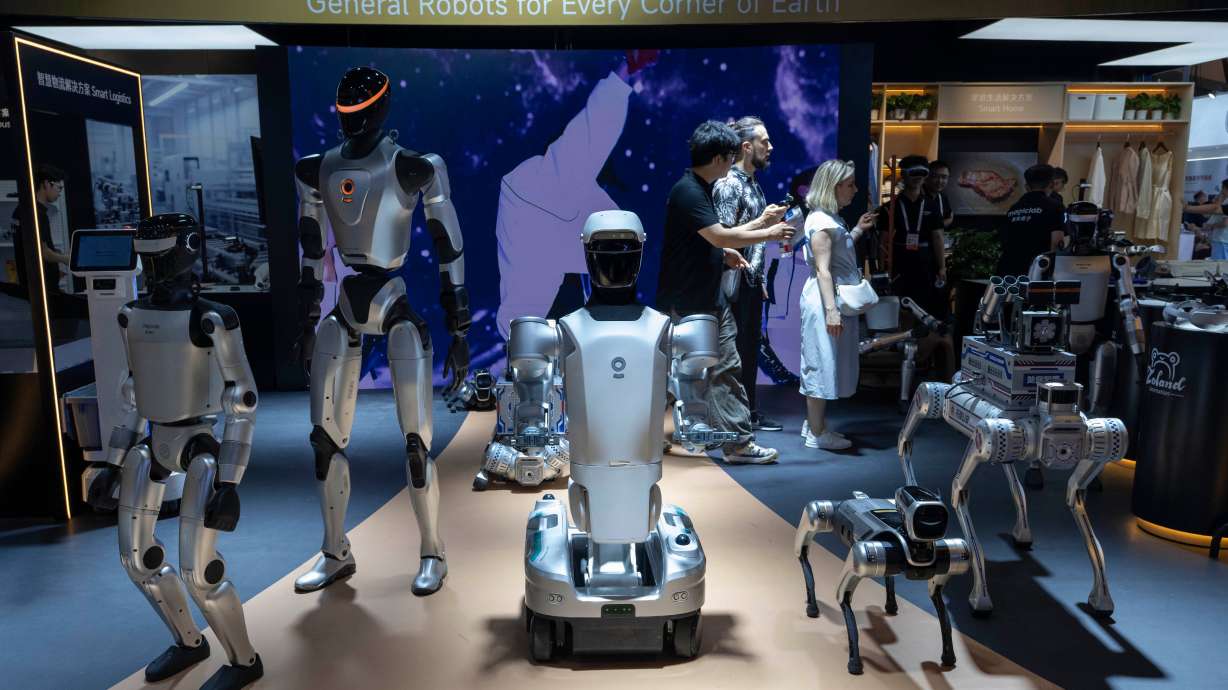
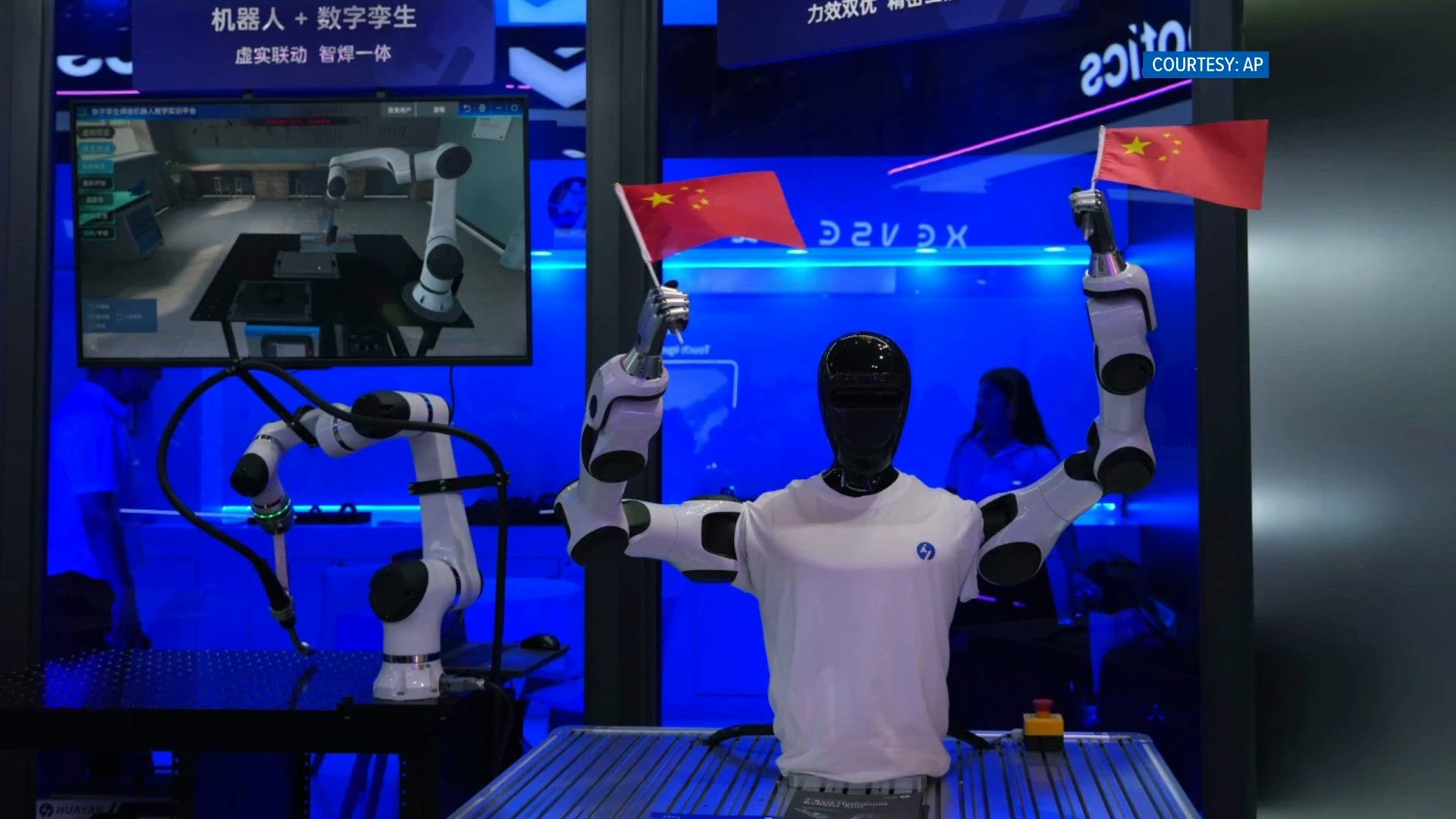
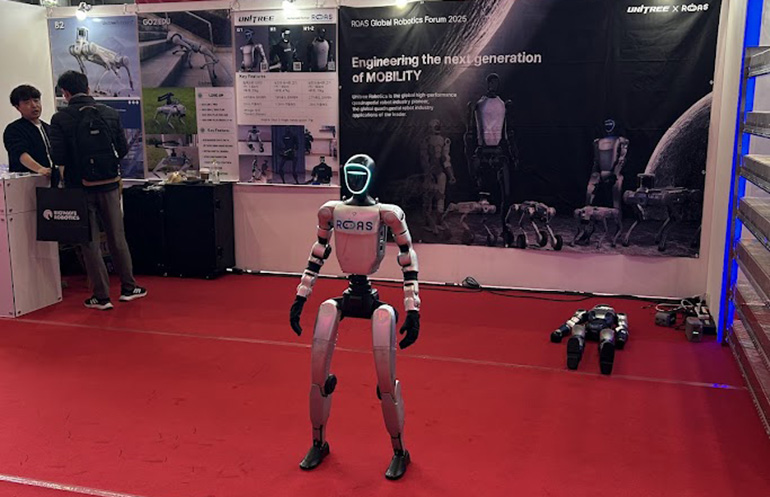
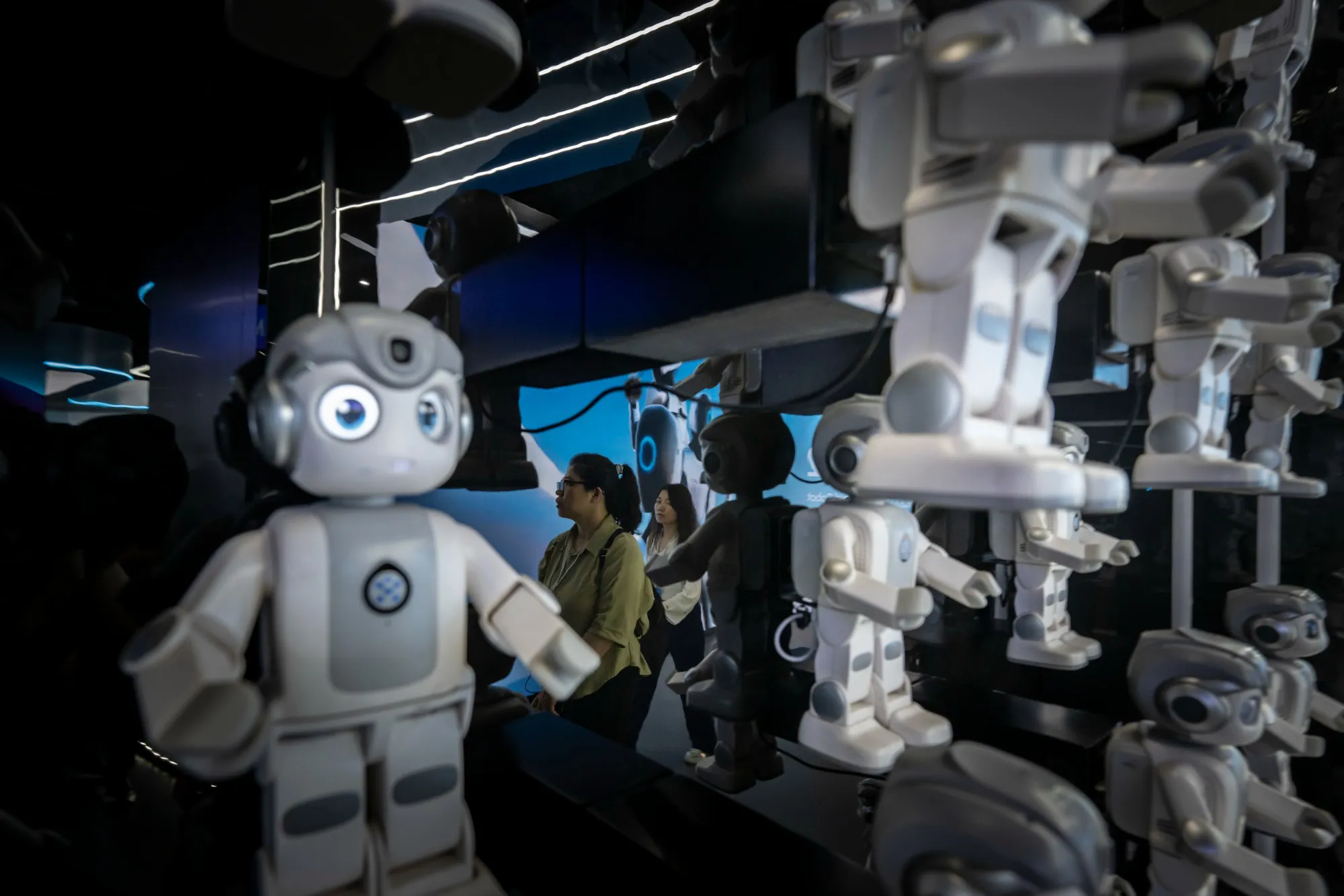
The Trump Administration's immediate ban on humanoid and quadruped robot imports from foreign manufacturers, formalized by the Federal Communications Commission, represents a watershed moment for cross-border e-commerce sellers in the AI hardware category. The ban specifically targets Chinese-manufactured robots that dominate the global market—including major brands Unitree, Agibot, UBTech, and Galbot—citing national security risks related to data privacy, cybersecurity vulnerabilities, and potential surveillance capabilities. This policy shift mirrors December's FCC restrictions on Chinese drones (effectively excluding DJI from the US market), signaling a sustained protectionist strategy to bolster domestic industries and reduce reliance on foreign AI-enabled hardware.
For cross-border sellers, this creates immediate tariff arbitrage and market access opportunities. Sellers currently holding Chinese-manufactured robot inventory face potential liquidation challenges, as the ban excludes only robots already in operational use within the US. This creates a 30-60 day window for sellers to either clear existing stock through alternative channels (B2B, industrial applications, export markets) or absorb inventory write-downs. Simultaneously, the ban opens a $2-5B domestic manufacturing opportunity for US-based sellers and manufacturers willing to develop or source American-made alternatives. Categories most affected include consumer robotics, industrial automation hardware, and AI-enabled IoT devices with internet connectivity—all now subject to heightened scrutiny under the FCC's national security framework.
Competitive dynamics shift dramatically toward US-based sellers and domestic manufacturers. Small and medium-sized sellers previously competing against low-cost Chinese imports now face reduced competition, creating margin expansion opportunities of 15-25% on comparable domestic products. However, this advantage is temporary—expect Chinese manufacturers to establish US-based subsidiaries or partner with American companies to circumvent the ban within 6-12 months, similar to how DJI responded to drone restrictions. Sellers should immediately audit their supply chains for alternative sourcing from Vietnam, India, or Japan (where robot manufacturing is growing), or pivot to complementary product categories like robot accessories, software, and AI training services that remain unrestricted.
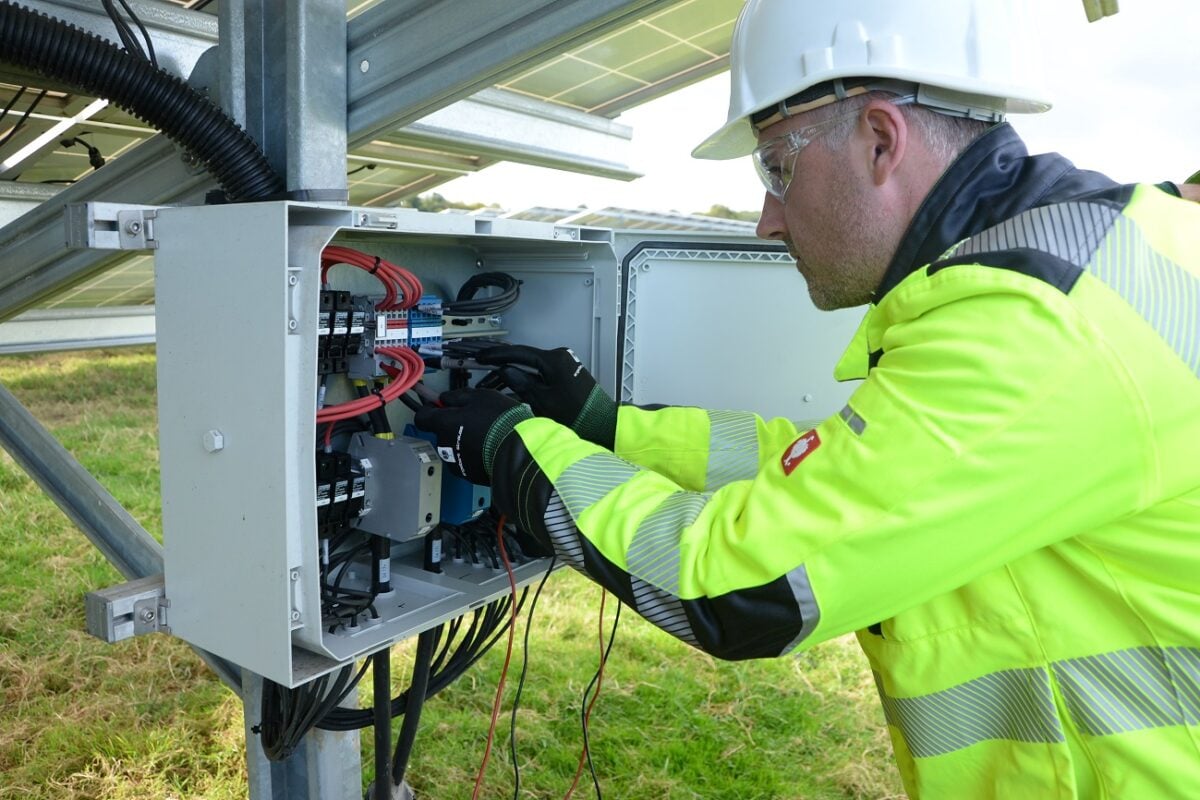
The policy's broader implications extend beyond robotics. The ban on power converters for renewable energy infrastructure signals that any internet-connected hardware from China faces potential restriction. Sellers in smart home devices, IoT sensors, and connected industrial equipment should expect similar scrutiny. China's Foreign Ministry has pledged "necessary countermeasures," likely including retaliatory tariffs on US agricultural products, semiconductors, and consumer goods—creating secondary supply chain risks for sellers sourcing from the US or selling to Chinese markets. The timing window for action is critical: sellers must reposition inventory, diversify sourcing, and update product listings within 30-45 days before secondary market channels become saturated.
Questions 8
What are the inventory liquidation options for sellers holding Chinese robots?
Sellers with existing Chinese robot inventory face three primary options: (1) Liquidate through B2B channels and industrial buyers before customs enforcement (30-45 day window), (2) Export inventory to non-US markets (EU, Asia Pacific, Latin America) where the ban does not apply, or (3) Absorb inventory write-downs and donate/recycle stock. The FCC's exclusion for 'robots already in operational use' creates ambiguity—some sellers may attempt to reclassify inventory as demonstration units, though this carries compliance risk. Liquidation through Amazon Warehouse Deals or eBay's clearance channels typically recovers 30-50% of original cost. Exporting to EU markets remains viable, as Europe has not implemented similar restrictions, potentially recovering 60-75% of cost through alternative marketplaces.
What sourcing alternatives exist for sellers after the robot ban?
Sellers can pivot to robots manufactured in Vietnam, India, Japan, or South Korea, where humanoid robot development is accelerating but remains less mature than China's market. Vietnam's robot manufacturing sector is growing 25-30% annually, with companies like Revo Robotics emerging as alternatives. Japan's established robotics industry (Honda, Toyota, Sony) offers premium-priced but compliant options. India's robotics sector is nascent but growing. Additionally, sellers can shift to complementary categories: robot accessories (grippers, sensors, batteries), software/AI training services, and industrial automation components—all unrestricted by the ban. This diversification strategy can recover 40-60% of lost robot category revenue within 6 months.