


SK Hynix Profit Collapse Signals Memory Chip Oversupply | Electronics Sellers Face Rising COGS
- South Korean chipmaker profit disappointment triggers 8-15% memory chip price volatility; impacts COGS for electronics, smart devices, and computing product sellers globally









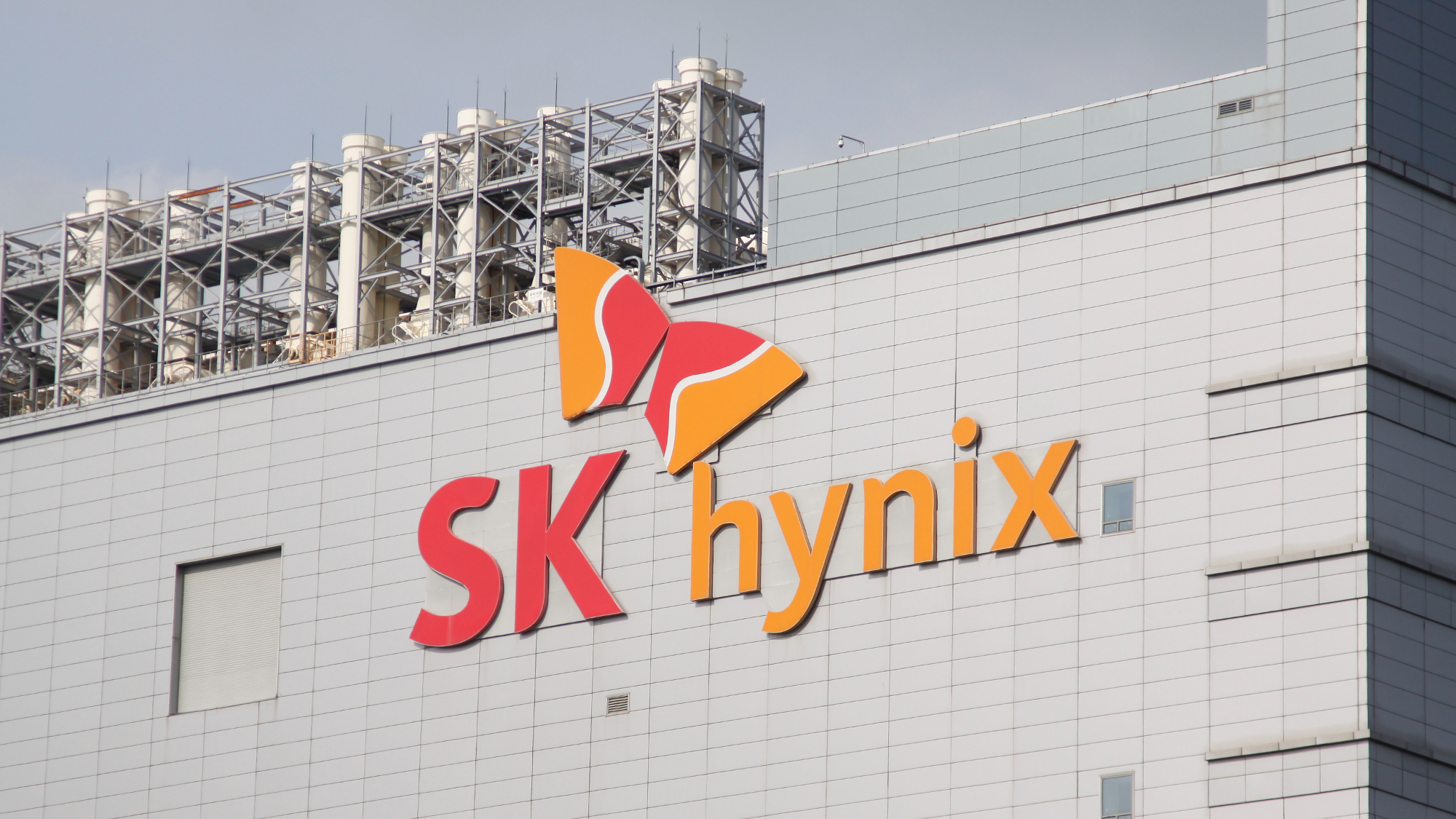

Overview
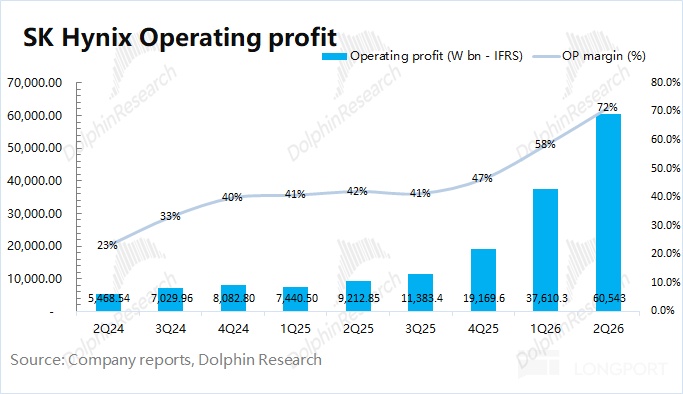
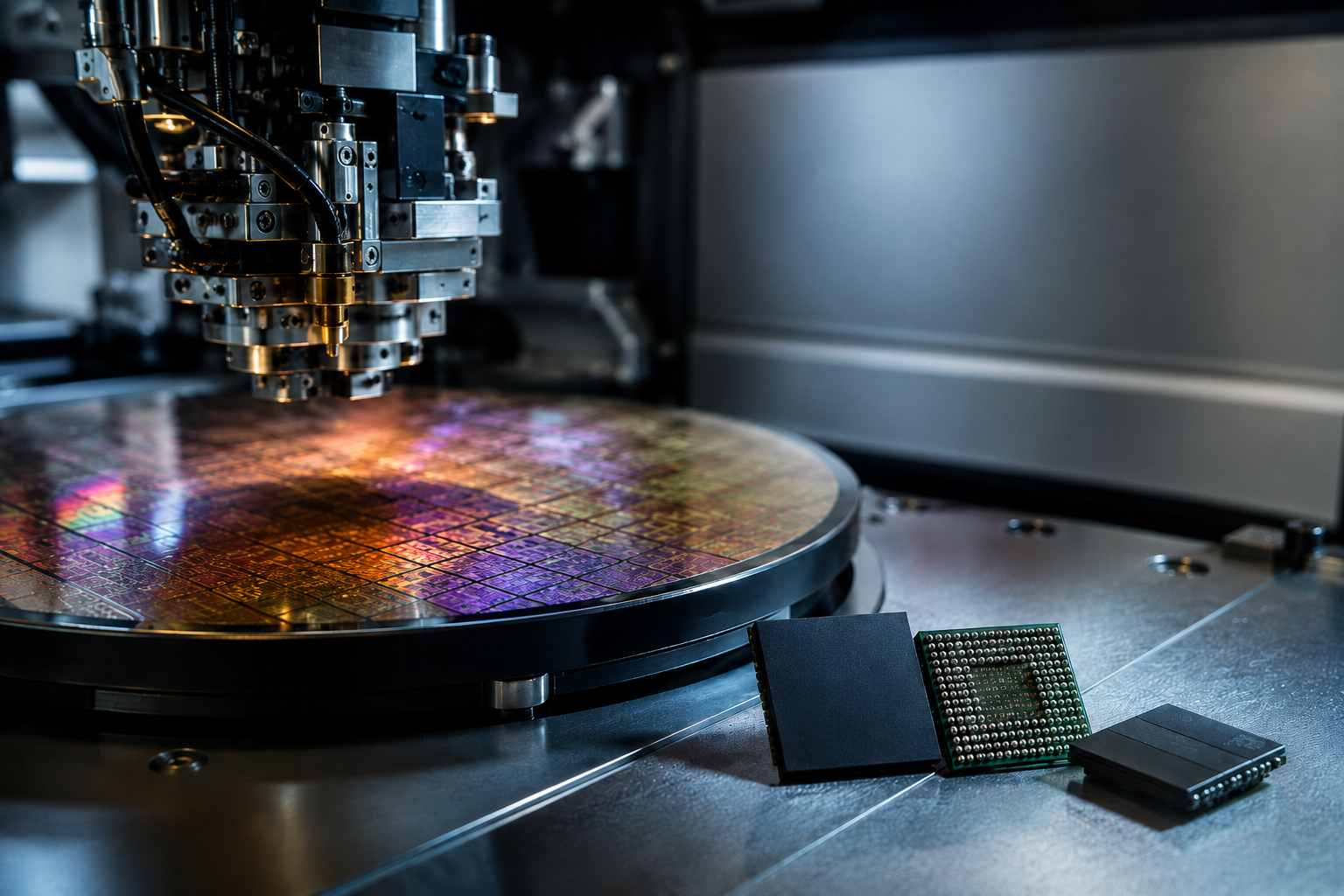
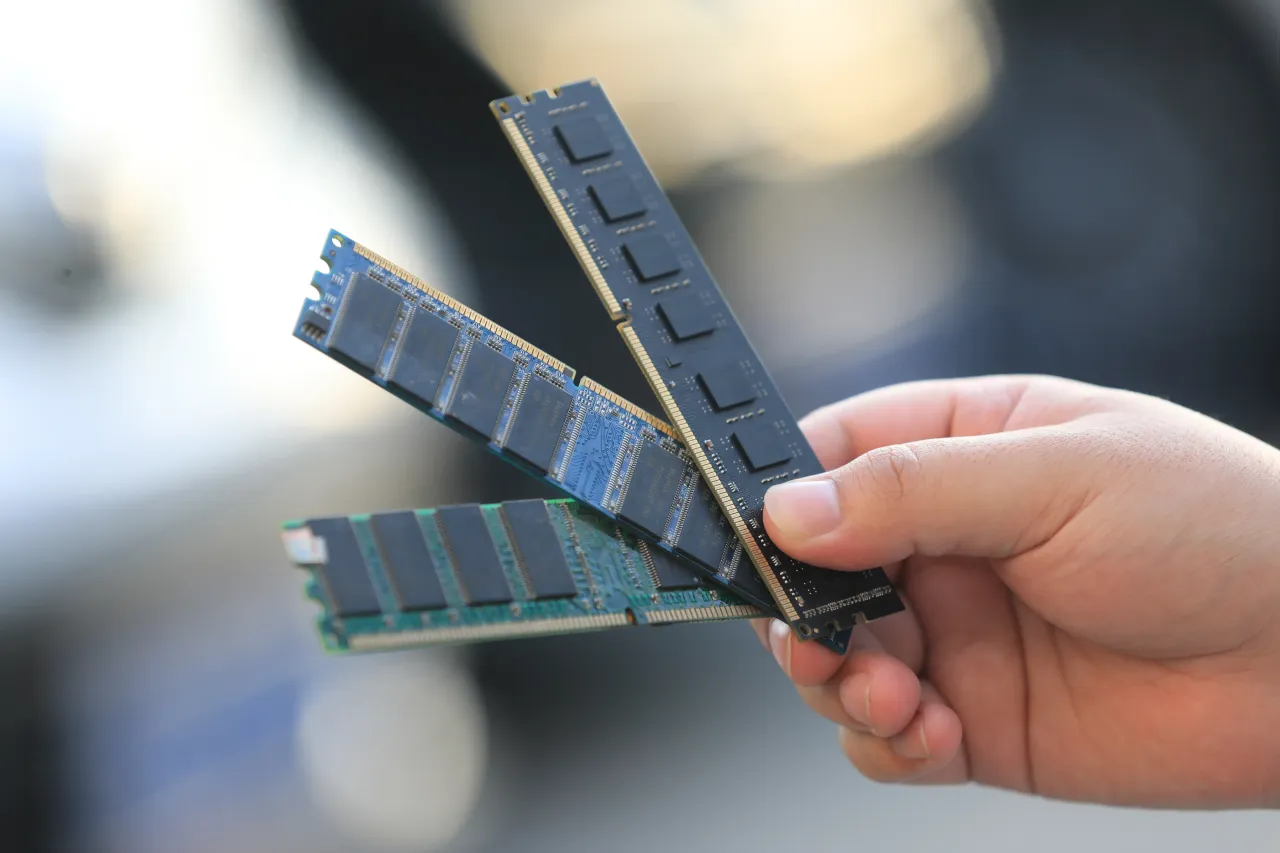
SK Hynix's profit disappointment represents a critical inflection point for cross-border e-commerce sellers sourcing electronics and computing products. The South Korean memory chip manufacturer's disappointing results have catalyzed broader semiconductor sector volatility, signaling potential oversupply conditions and margin compression in DRAM and NAND flash memory markets. This directly impacts cost-of-goods-sold (COGS) for sellers in consumer electronics, smart home devices, computing peripherals, and data storage categories—segments that collectively represent $180B+ in annual cross-border e-commerce volume.
The immediate supply chain implication is bidirectional pricing pressure. Memory chip oversupply typically creates 6-12 month windows where component costs decline, but SK Hynix's profit warning suggests manufacturers may restrict production to stabilize prices—a strategy that historically creates artificial scarcity and price spikes. For sellers sourcing finished electronics from China, Vietnam, and Taiwan manufacturers, this creates uncertainty in Q1-Q2 2025 procurement windows. Sellers purchasing laptops, tablets, SSDs, USB drives, and smart devices at fixed prices face margin compression if chip costs rise 8-15% while retail prices remain sticky. The broader tech sector rout mentioned alongside SK Hynix's results indicates investor concerns about AI-driven demand growth expectations, which could suppress overall electronics demand and create inventory risk for sellers holding stock.
Logistics technology and infrastructure investments also face headwinds. E-commerce sellers relying on AI-powered logistics platforms, warehouse automation, and real-time tracking systems depend on semiconductor stability. If memory chip costs rise, 3PL providers and fulfillment networks may increase service fees by 3-5% to offset hardware replacement costs. Additionally, the semiconductor volatility affects device availability for sellers using IoT sensors, smart packaging, and automated inventory management systems. South Korean chipmakers' dominance in DRAM and NAND production means their performance directly influences global semiconductor supply dynamics—when SK Hynix and Samsung face margin pressure, they typically reduce capital expenditure, delaying new fab capacity and extending supply constraints for 12-24 months.
For sellers in consumer electronics categories, this creates a 90-day decision window. Sellers should evaluate whether to lock in component costs now (accepting current prices) or delay procurement betting on price declines. Historical patterns show memory chip cycles last 18-24 months, and current oversupply signals suggest prices may decline 10-20% by Q3 2025—but production restrictions could reverse this trend. Sellers with 60+ days of inventory should monitor SK Hynix and Samsung earnings reports monthly, as production guidance changes signal supply shifts 6-8 weeks ahead of market impact.
Questions 8
How should sellers adjust inventory strategy during semiconductor market uncertainty?
Sellers with 60+ days of inventory should consider locking in component costs immediately to avoid future price spikes, accepting current market rates as insurance against margin compression. Sellers with 30-60 days of inventory should delay procurement 30-45 days to gather more production guidance data from SK Hynix and Samsung earnings reports. Sellers with less than 30 days of inventory should maintain just-in-time sourcing but negotiate longer payment terms (45-60 days) with suppliers to preserve cash flow. All sellers should diversify suppliers geographically—reducing reliance on South Korean manufacturers by shifting 20-30% of sourcing to Taiwan and Japan-based alternatives.
What is the timeline for memory chip price stabilization after SK Hynix's profit warning?
Historical semiconductor cycles suggest 18-24 month pricing patterns. Current oversupply signals indicate potential 10-20% price declines by Q3 2025, but production restrictions could extend the timeline to Q4 2025 or beyond. The 90-day window (January-March 2025) is critical for procurement decisions. Sellers should expect maximum volatility during this period as manufacturers announce production cuts and investors reassess semiconductor valuations. After Q2 2025, supply dynamics typically stabilize as fab capacity adjustments take effect. Risk mitigation involves diversifying suppliers across South Korea, Taiwan, and Japan to reduce single-source dependency.