




US Robot & Inverter Ban Reshapes Supply Chains | Sellers Face Immediate Tariff Arbitrage Opportunities
- Trump administration implements immediate import ban on Chinese humanoid robots and power converters; creates $2-5B sourcing shift opportunity for sellers pivoting to US/Vietnam/India manufacturers












Overview
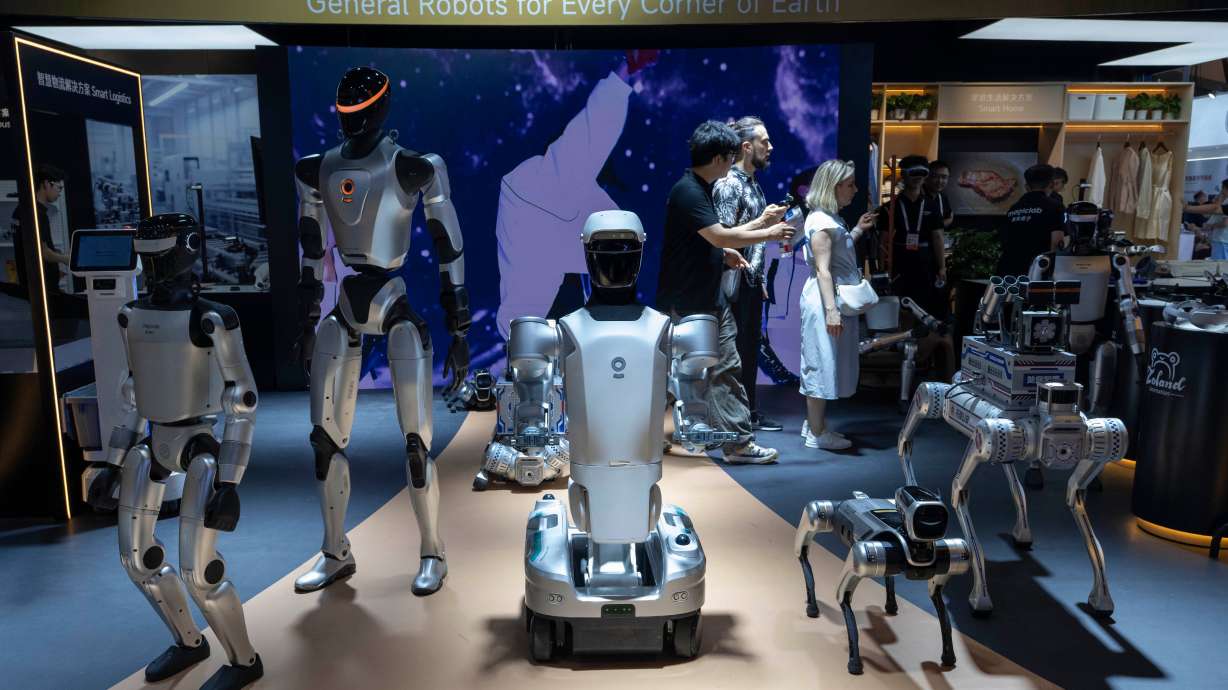
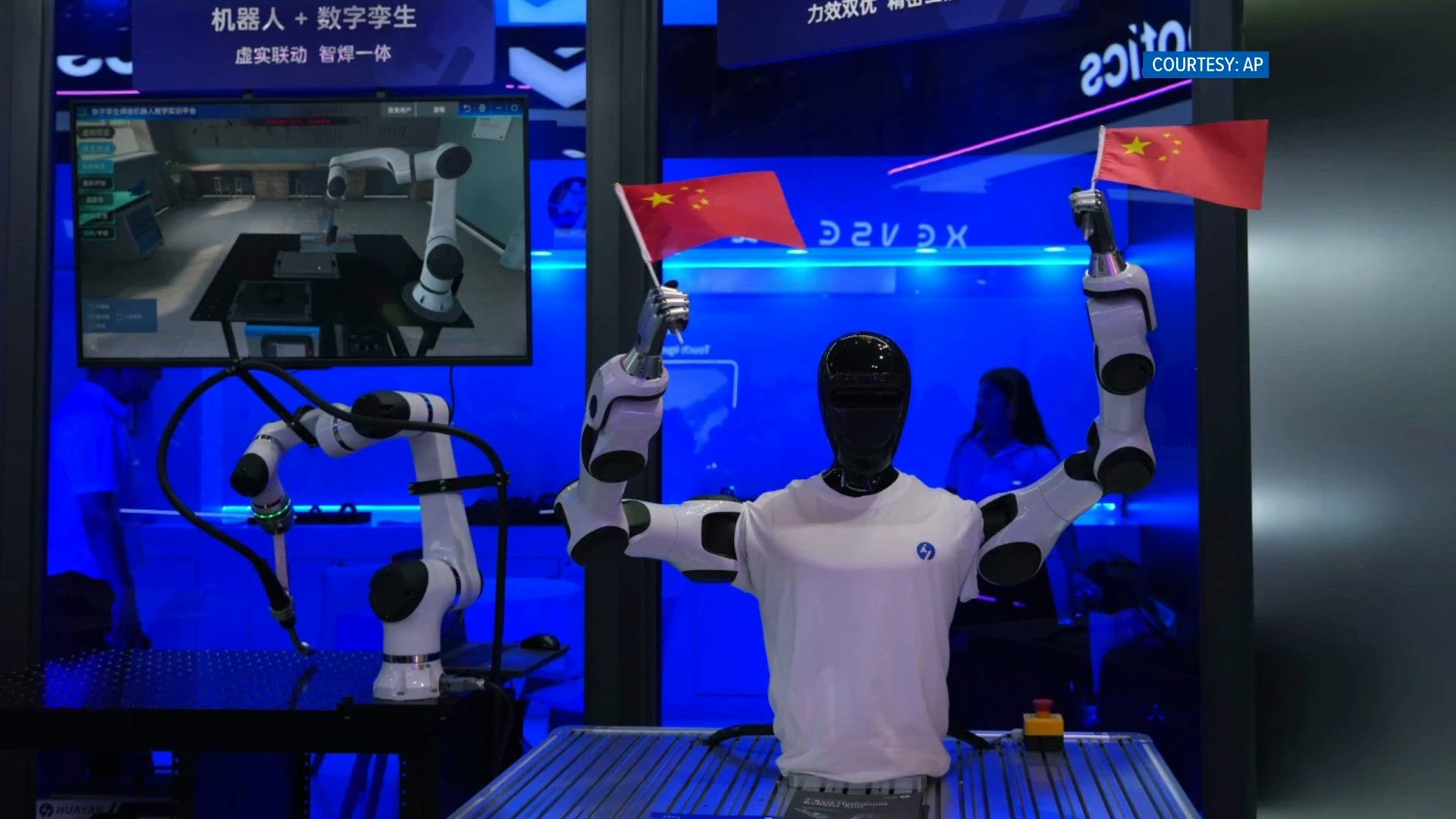
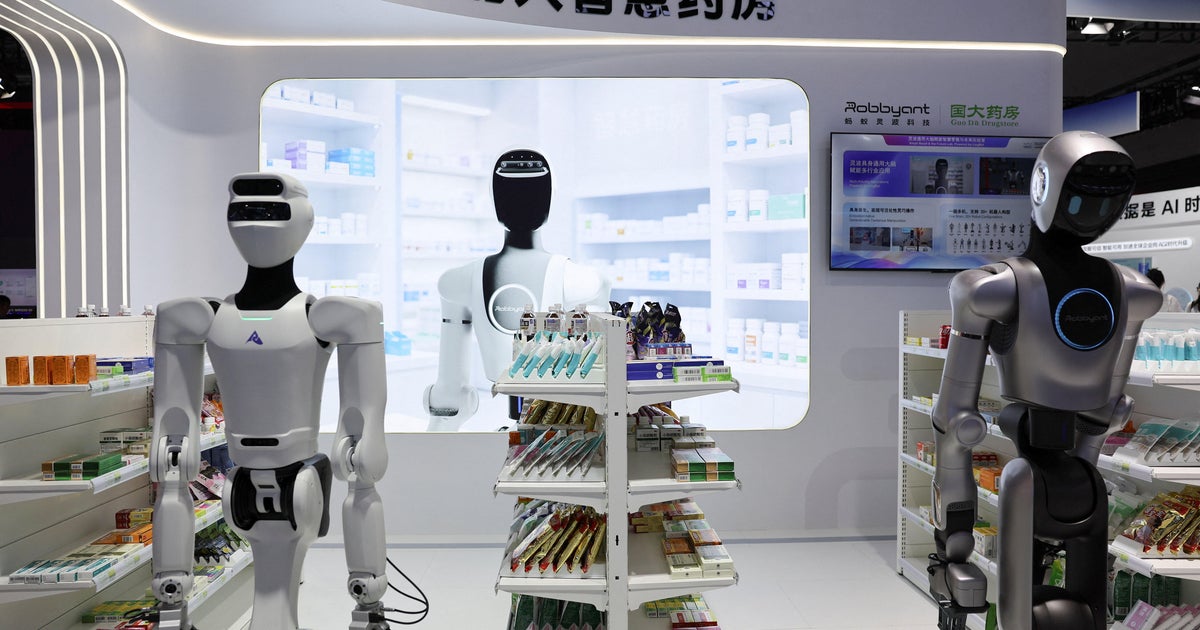
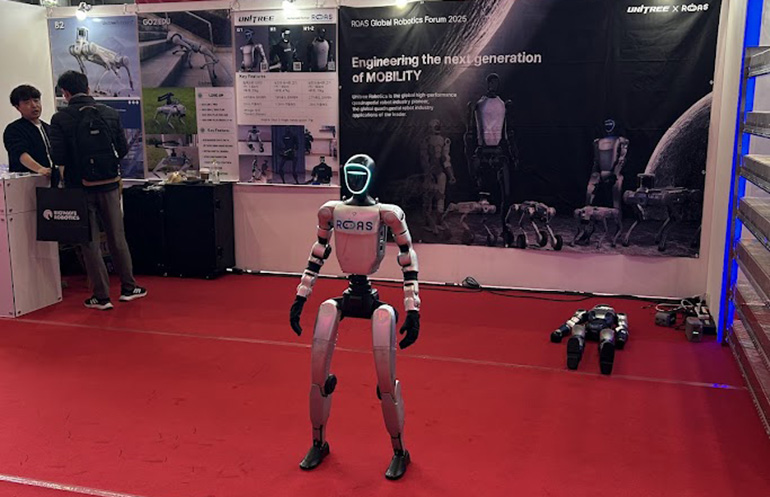
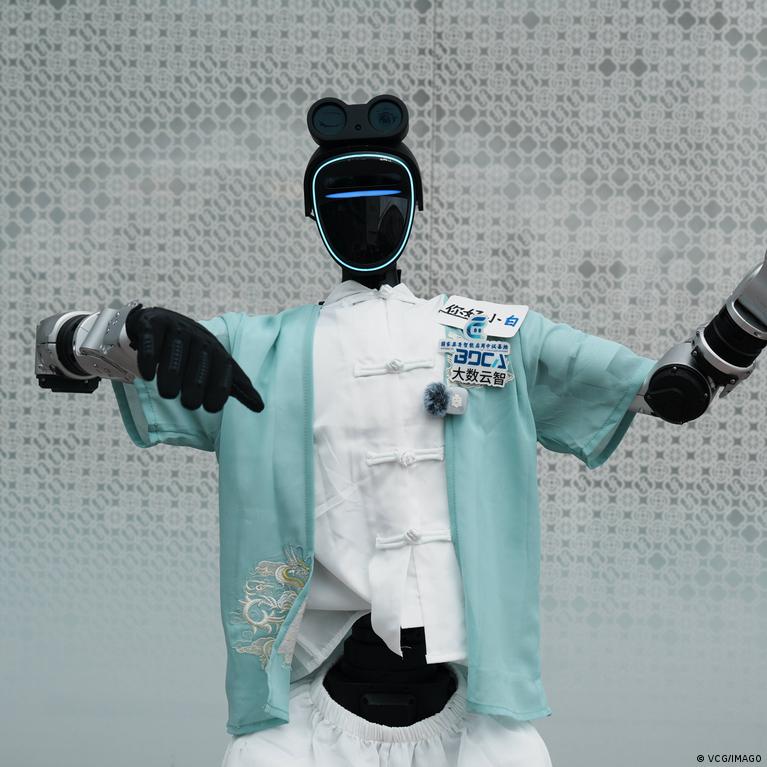
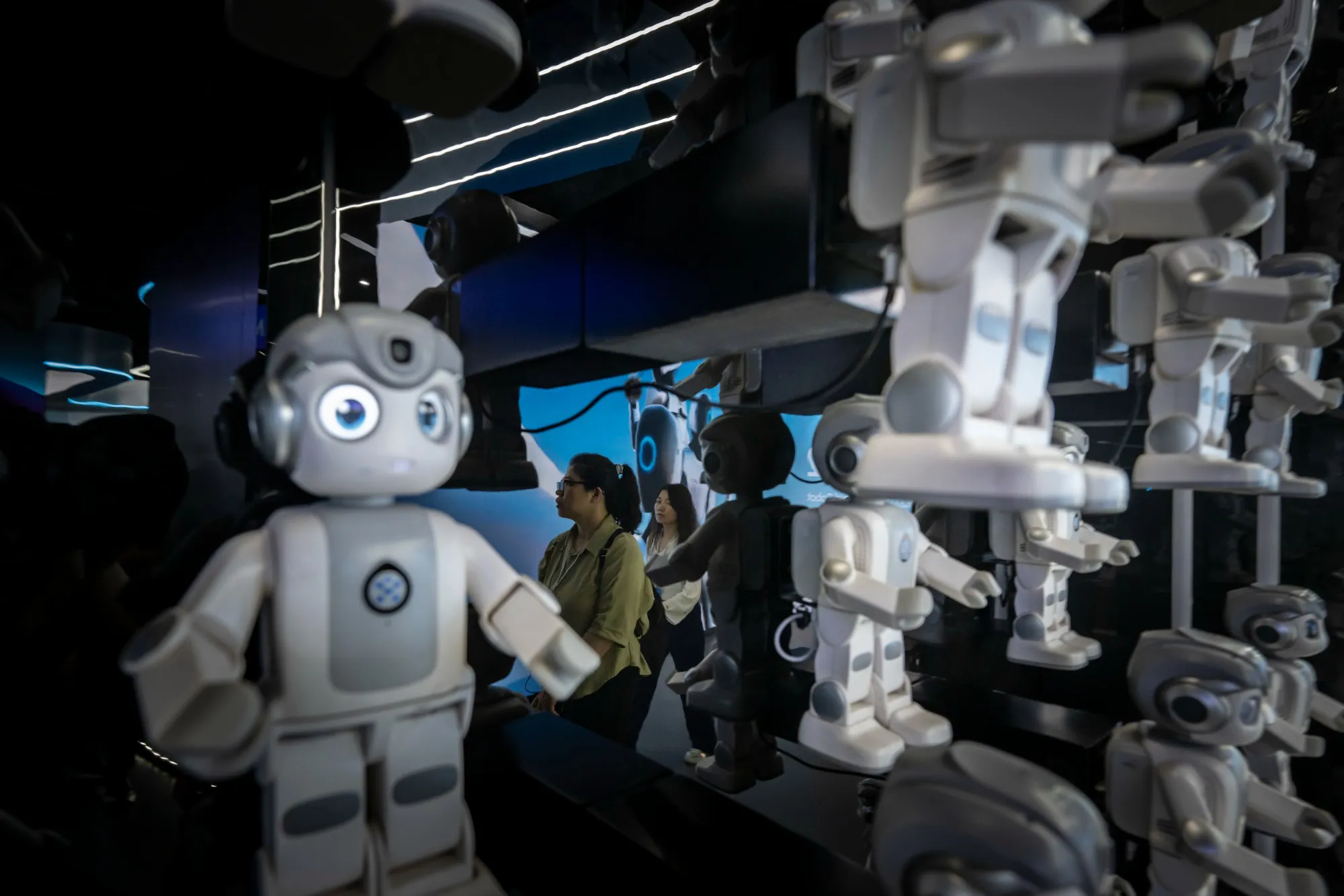
The Trump Administration's immediate ban on Chinese-manufactured humanoid and quadruped robots, formalized by the FCC, represents a watershed moment in US-China trade policy with profound implications for cross-border sellers. The ban specifically targets Chinese robot manufacturers (Unitree, Agibot, UBTech, Galbot) that dominate the global market, alongside power converters for renewable energy infrastructure—critical components for solar installations. This follows December's similar restrictions on Chinese drones (DJI), signaling a systematic decoupling strategy across AI-enabled hardware categories.
For cross-border sellers, this creates three distinct tariff arbitrage opportunities: First, sellers currently holding Chinese-manufactured robots face immediate inventory obsolescence in the US market, but can pivot to B2B sales in EU/APAC markets where demand remains unrestricted. Second, the ban excludes robots already in operational use, creating a 30-60 day window for sellers to import existing inventory before enforcement tightens. Third, sellers can capitalize on the supply vacuum by sourcing alternative robots from US manufacturers (Boston Dynamics, Tesla Bot prototypes) or establishing distribution partnerships with Vietnam/India-based manufacturers who can fill the gap at 15-25% cost premiums.
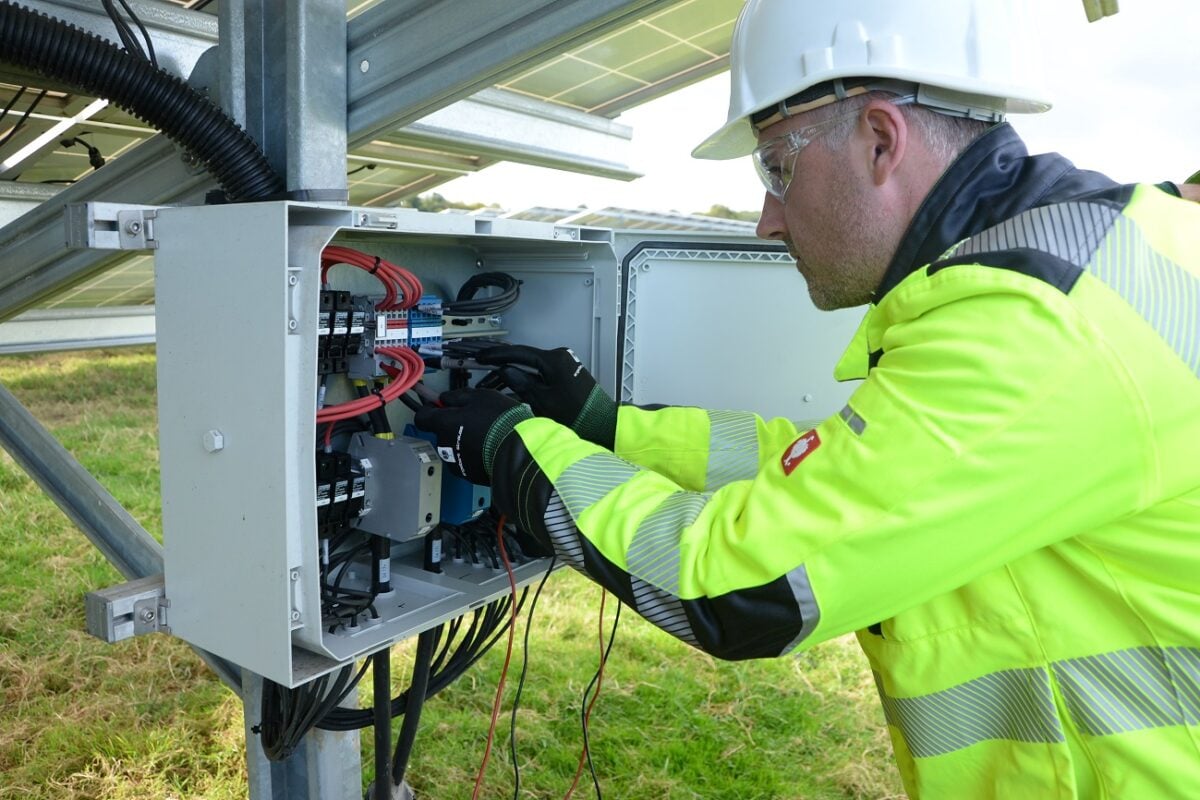
The inverter restrictions compound supply chain disruption: Inverters are essential for converting DC solar power to AC electricity, making them fundamental to the $50B+ US residential solar market. Chinese manufacturers supply 60-70% of global inverter capacity. Sellers importing solar equipment face immediate cost increases of 8-15% as they source from alternative suppliers (Germany, Japan, South Korea). This creates a 90-120 day compliance window before enforcement, during which sellers can negotiate long-term contracts with non-Chinese suppliers or explore tariff exemption processes. The policy explicitly creates competitive advantages for sellers with established relationships in Vietnam, India, and Mexico—countries positioned to capture manufacturing shifts as US companies reshoring operations seek local supply chains. Sellers should immediately audit inventory by HS code (8412.90 for robots, 8504.40 for inverters), calculate tariff exposure, and model sourcing alternatives before the policy enforcement date.
Questions 8
How can sellers legally source robots and inverters after the ban takes effect?
Sellers have three compliant pathways: (1) Source from non-Chinese manufacturers—US companies (Boston Dynamics, Tesla), Japanese firms (Honda, Toyota), or European manufacturers; (2) Establish distribution partnerships with Vietnam, India, or Mexico-based manufacturers who can produce compatible products at competitive costs; (3) Pursue tariff exemption processes through the FCC if products meet specific criteria (non-internet-connected, domestic operational use only). The exemption process typically takes 60-90 days. Sellers should immediately contact their suppliers to understand country-of-origin documentation and explore alternative sourcing. Vietnam-based manufacturers can typically deliver comparable products at 15-25% cost premiums compared to Chinese suppliers, but offer tariff-free access to US markets.
What are the specific tariff implications for solar inverter sellers?
Solar inverters fall under HS code 8504.40 and currently face standard tariffs of 2.5-4.5% from China. The new restrictions effectively increase the tariff barrier to 100% (import prohibition) for Chinese-manufactured units, forcing sellers to source from alternative suppliers in Germany, Japan, South Korea, or India. This creates 8-15% cost increases on inverter imports. Sellers have a 90-120 day compliance window before enforcement. The policy accelerates reshoring: US-based inverter manufacturers (Enphase, SolarEdge) will see 20-30% margin expansion as Chinese competition exits the market, creating wholesale opportunities for sellers with distribution relationships.