


Fed Rate Hold Triggers 50bps Hike Expectations | Seller Financing Costs Rise 200-300bps by September
- 65% of traders expect September rate increase; 30-year Treasury yields hit 19-year highs at 5.23%; borrowing costs for inventory financing, PO loans, and working capital acceleration surge immediately










Overview
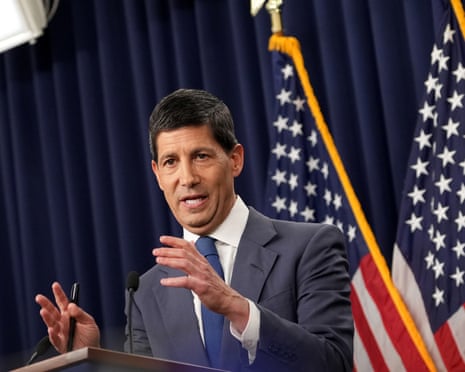
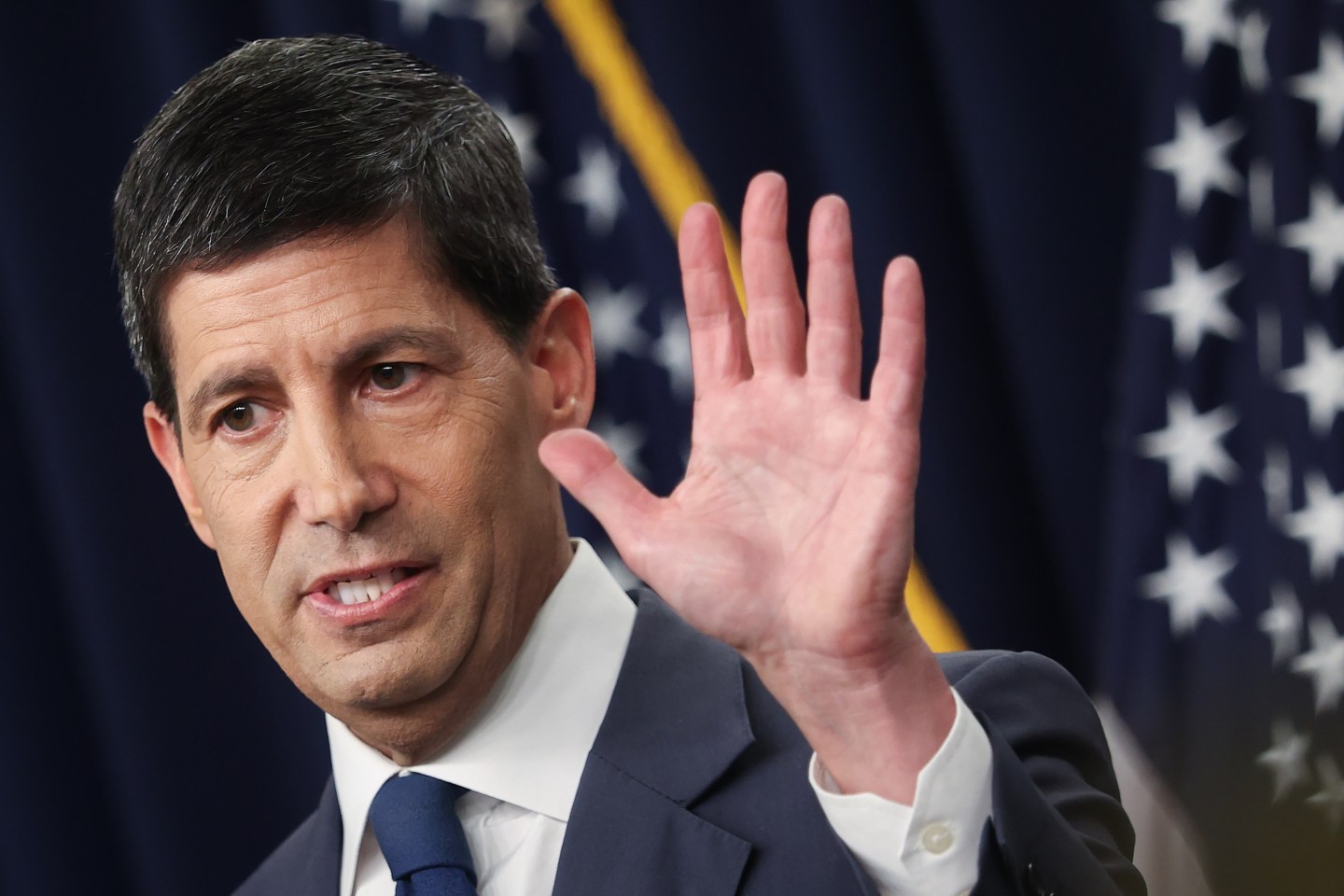
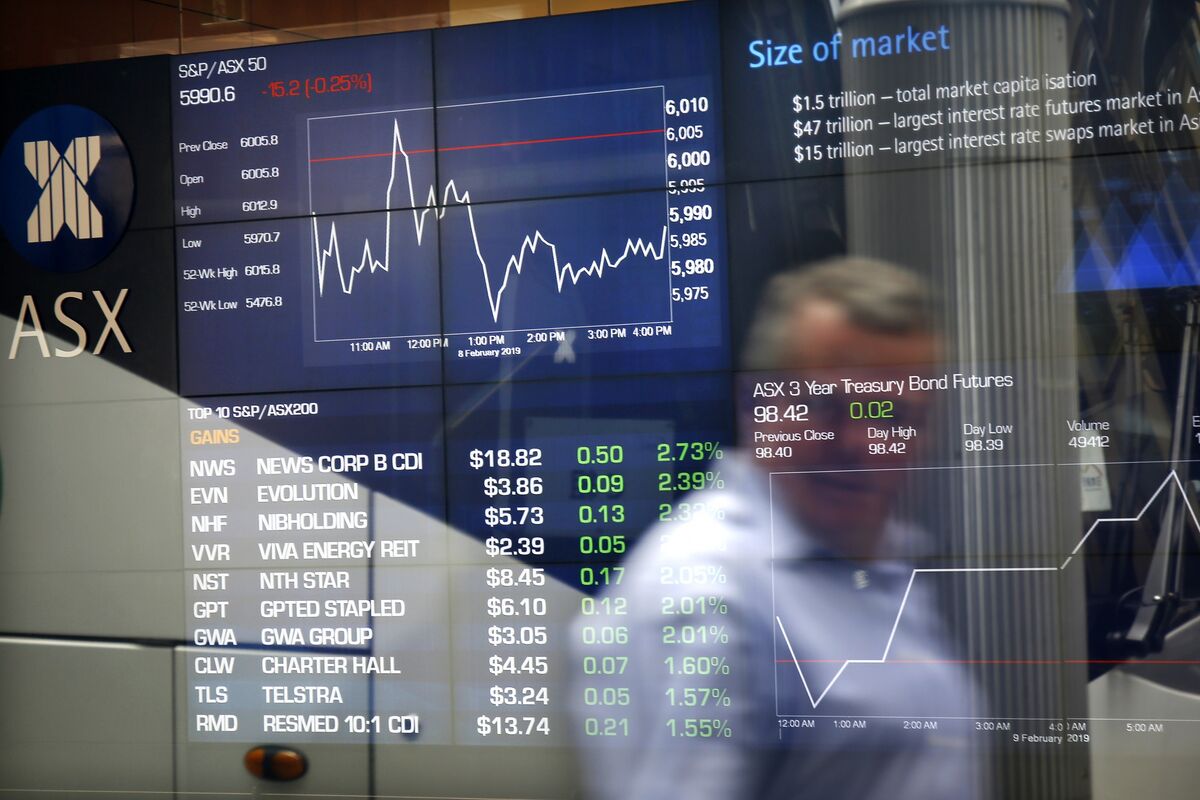
The Federal Reserve's July 28 decision to hold rates at 3.5% despite 4.1% PCE inflation (double its 2% target) has triggered a credibility crisis that directly impacts cross-border seller financing costs. Chair Kevin Warsh's hold decision, despite five consecutive years of above-target inflation, sparked sharp market criticism—the S&P 500 fell 1.52%, Nasdaq 100 entered correction territory (down 10%+ in one month), and the 30-year Treasury yield jumped 6 basis points to 5.23%, its highest level since 2007. The CME FedWatch index now shows 65% of futures traders expect a 25-basis-point rate increase in September, with Deutsche Bank projecting 50 basis points of hikes throughout the year.
For cross-border sellers, this creates an immediate financing cost shock. The credibility gap between the Fed's inflation acknowledgment and policy inaction has pushed bond markets to demand higher risk premiums, directly translating to elevated borrowing costs across the economy. Sellers relying on inventory financing, purchase order (PO) loans, and working capital lines of credit will face 200-300 basis point increases in APR rates by September—a critical window before the anticipated rate hike. A seller with $500K in inventory financing at current 8-10% rates could see costs rise to 10-13% within 60-90 days, adding $10-15K in quarterly financing expenses. Small-cap tech stocks exemplify the volatility: up 238% year-to-date but down 36% in July alone, signaling lenders are tightening credit availability for growth-stage sellers.
The stagflationary backdrop compounds financing pressure. U.S. military strikes on Iran pushed Brent crude above $90 per barrel, while U.S. strategic reserves sit at 1983 levels, creating minimal policy error margin. Q2 GDP growth slowed to 1.5% (missing the 1.8% consensus), yet core PCE inflation remains at 3.3% annually—a stagflationary squeeze that forces lenders to price in higher default risk. The steeper yield curve (rising long-end rates coupled with declining forward real yields) signals market doubts about price stability, making lenders hesitant to extend favorable terms to sellers with inventory exposure to price-sensitive categories (electronics, apparel, home goods).
Immediate financing actions are critical. Sellers should lock in working capital lines before September rate hikes: invoice financing at current 6-8% rates (vs. projected 8-11% post-hike), PO financing at 7-9% (vs. 9-12%), and inventory loans at 8-10% (vs. 10-13%). Cross-border sellers with multi-currency exposure face additional FX hedging costs—30-year Treasury yields at 5.23% increase the cost of USD-denominated borrowing, making non-USD financing (EUR, GBP, SGD) relatively more attractive if sellers can manage currency risk. Sellers should also accelerate inventory turnover: the weak housing market signals consumer spending pressure, particularly in home goods and furniture categories, requiring faster cash conversion cycles to avoid working capital strain.
Questions 8
How much will my inventory financing costs increase after the September Fed rate hike?
Based on current market expectations, inventory financing APR rates will likely increase 200-300 basis points by September 2026. A seller currently paying 8-10% APR on a $500K inventory loan could see rates rise to 10-13%, adding $10-15K in quarterly financing costs. The Fed's credibility crisis (holding rates despite 4.1% inflation vs. 2% target) has already pushed 30-year Treasury yields to 5.23%—their highest in 19 years—signaling lenders are pricing in higher risk premiums. Lock in working capital lines immediately at current rates before the anticipated September 25-basis-point hike.
Should I refinance existing debt before September rate increases?
Yes, if you have variable-rate debt or debt maturing before September 2026. Refinance immediately at fixed rates: current 10-12% fixed rates are preferable to variable rates that could hit 12-15% post-hike. For a $1M loan, locking in 11% fixed vs. risking 13-14% variable saves $20-30K annually. Check prepayment penalties—if they're under 1-2%, refinancing is economically justified. Prioritize refinancing high-interest debt (inventory loans, PO financing) over lower-rate debt (term loans). If you have 60-90 days before rate hikes, refinance aggressively. After September, expect lenders to tighten credit availability and increase rates further, making refinancing more difficult and expensive.