


Amazon Zoox Robotaxi Approval | AI-Powered Last-Mile Logistics Opportunity for Sellers
- NHTSA approves 2,500 annual autonomous vehicle deployments; creates $8-15B logistics automation market for e-commerce sellers by 2028



















Overview
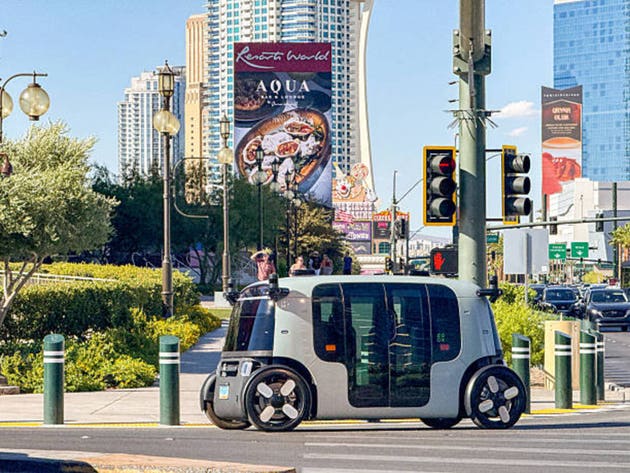
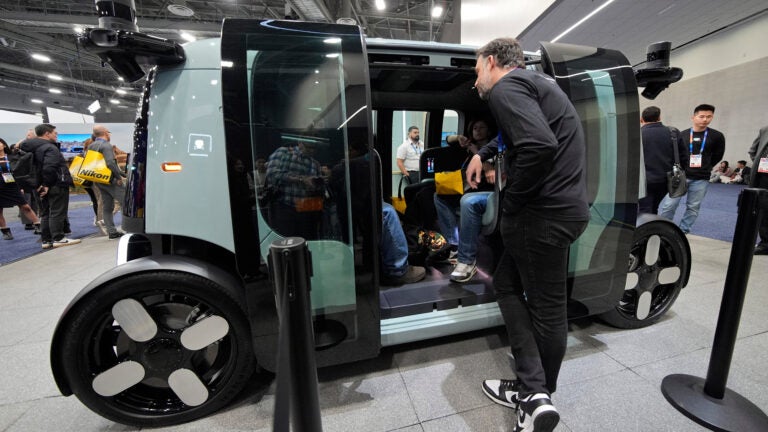
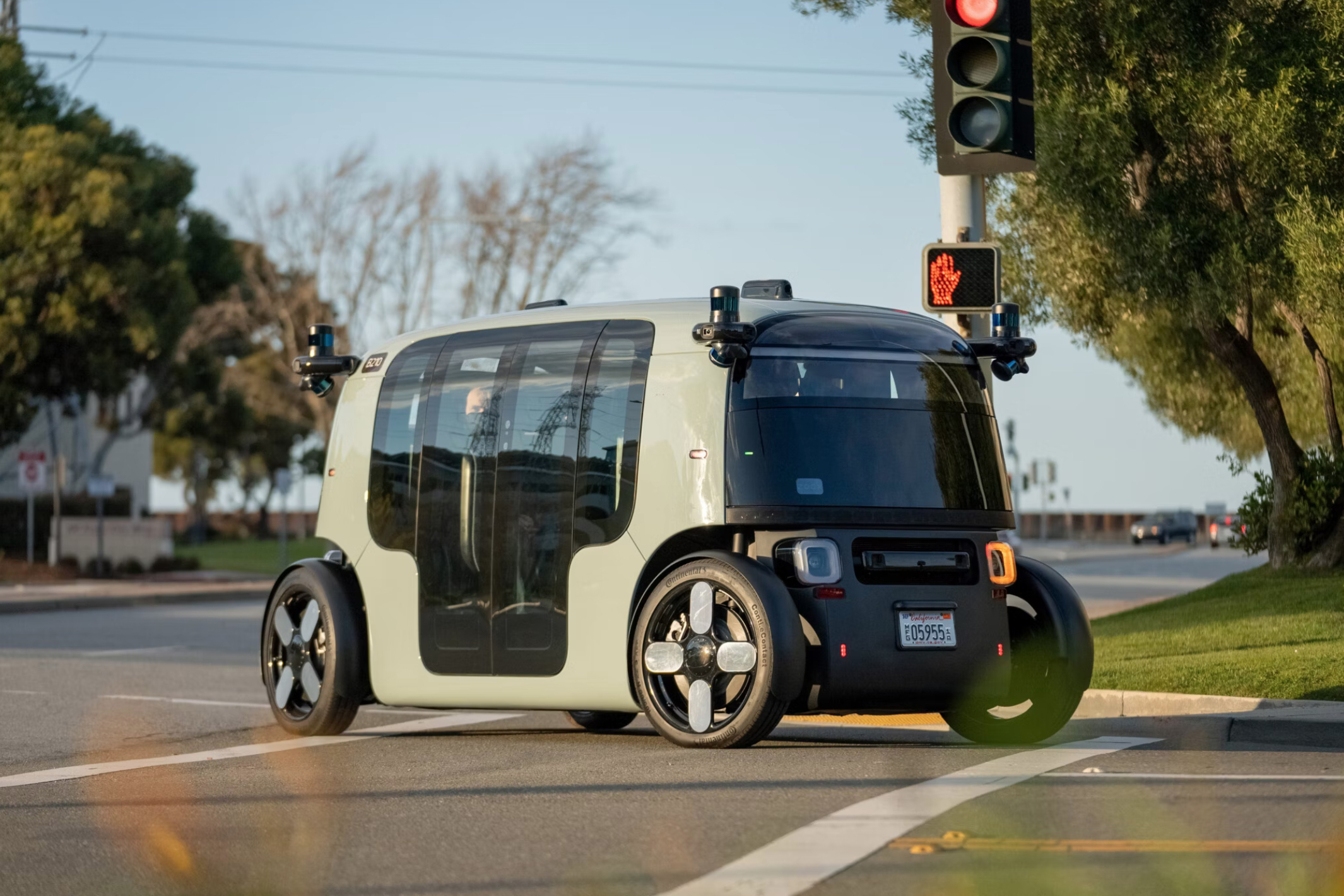
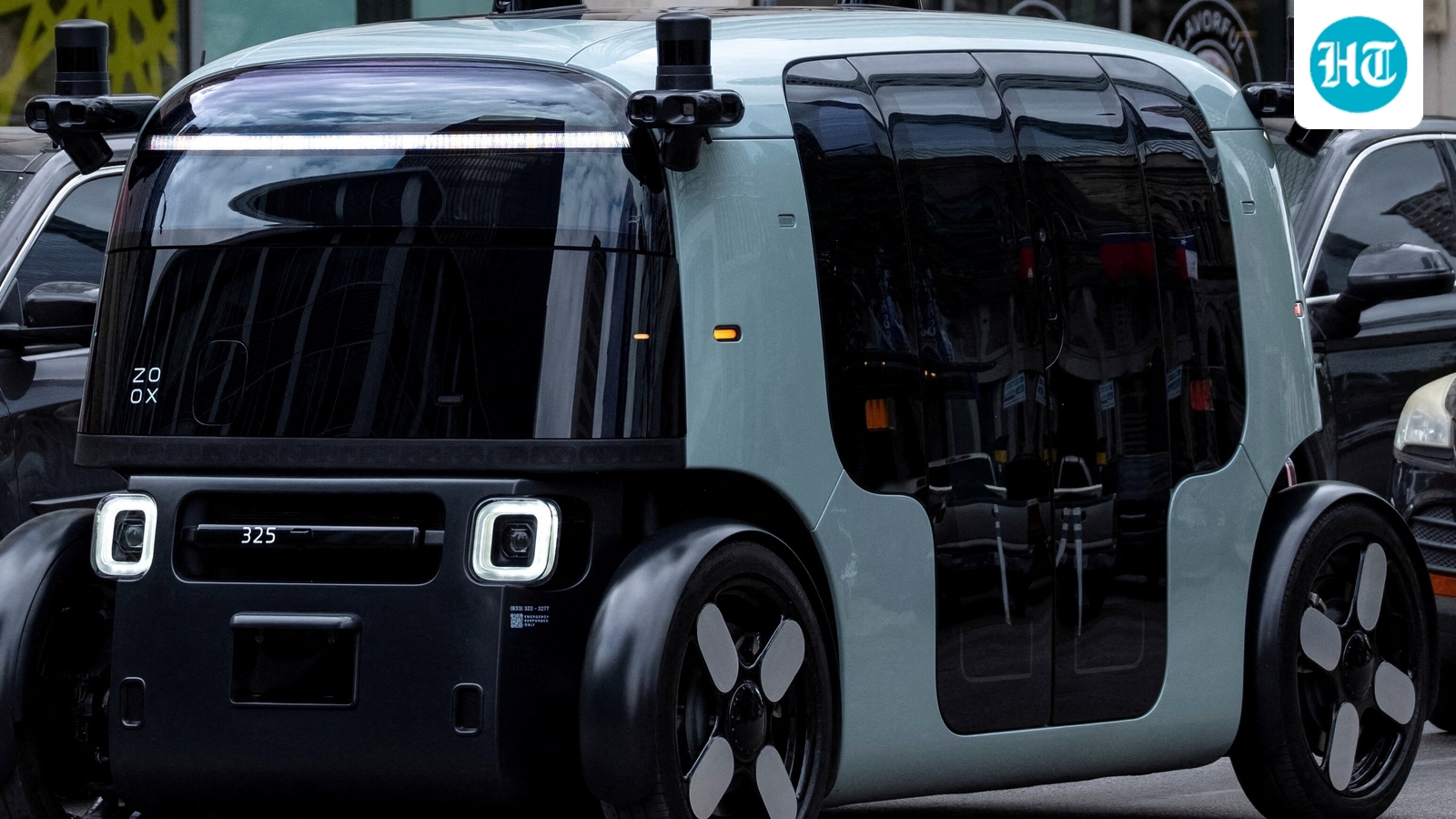
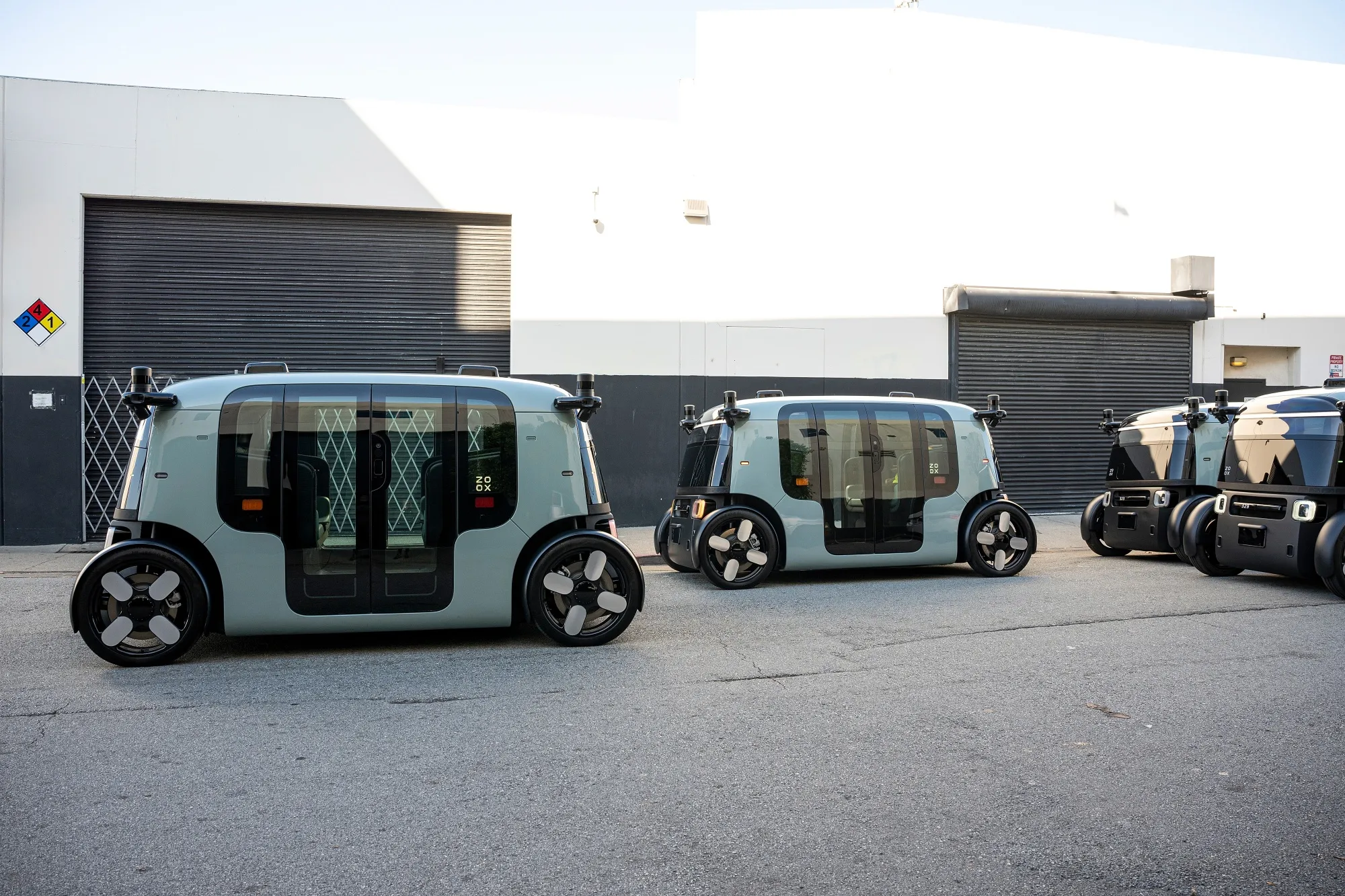
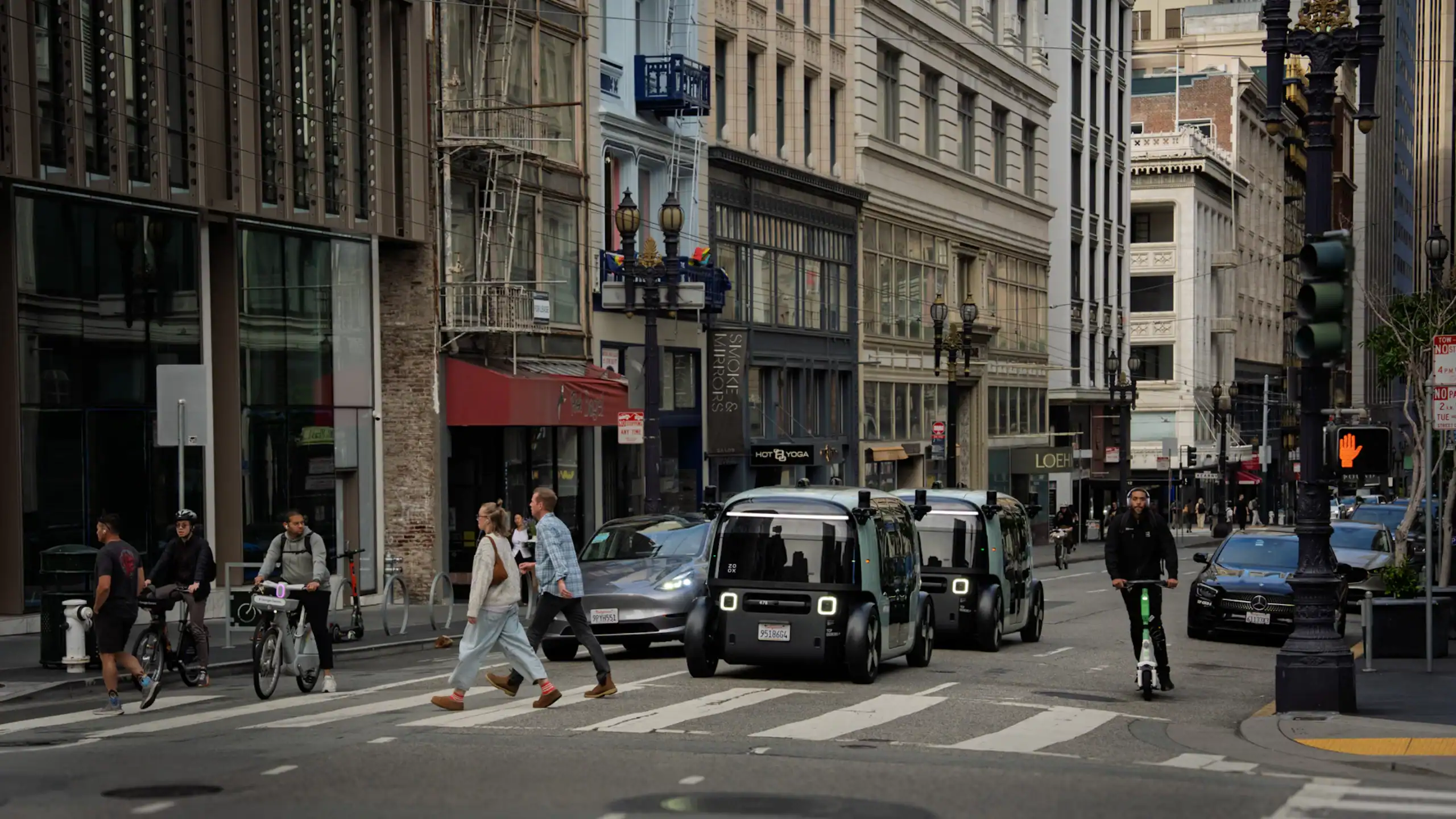
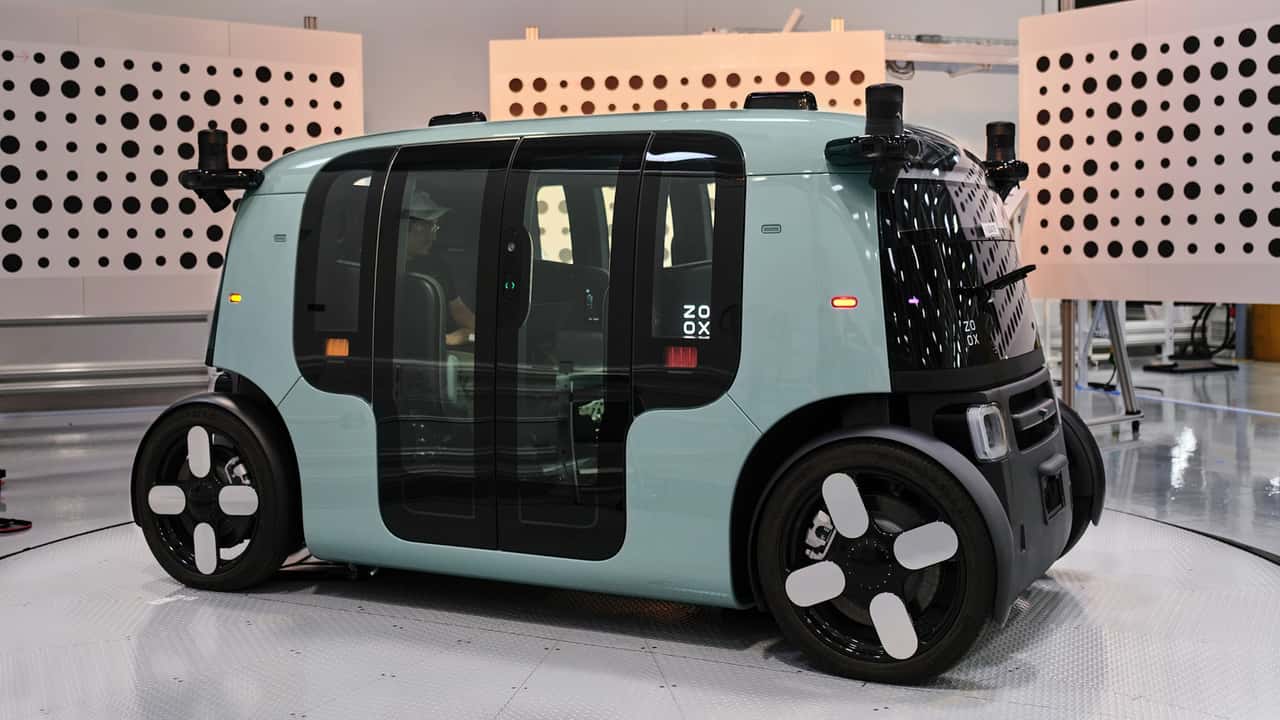
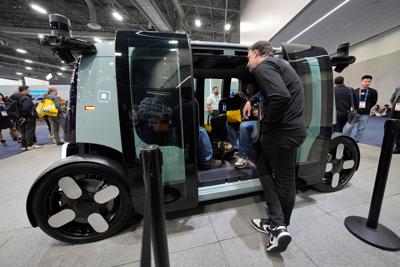
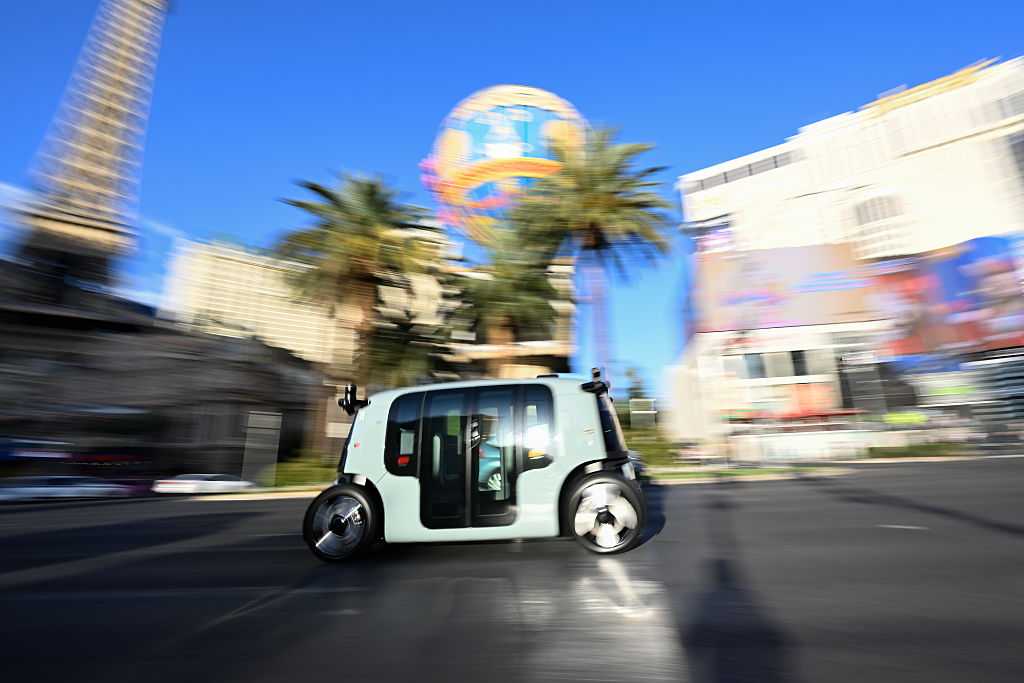
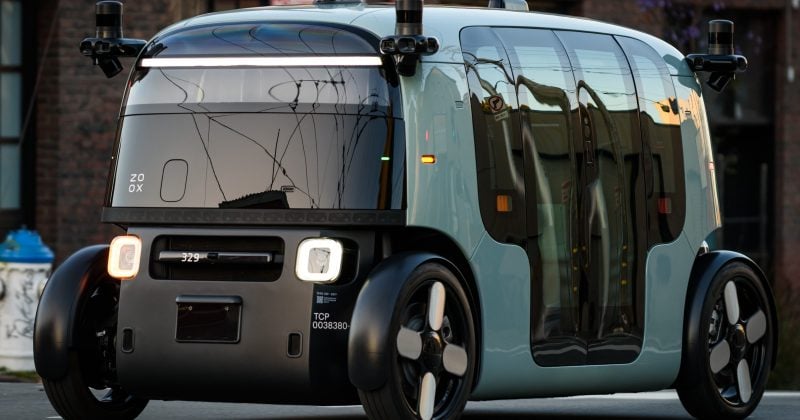
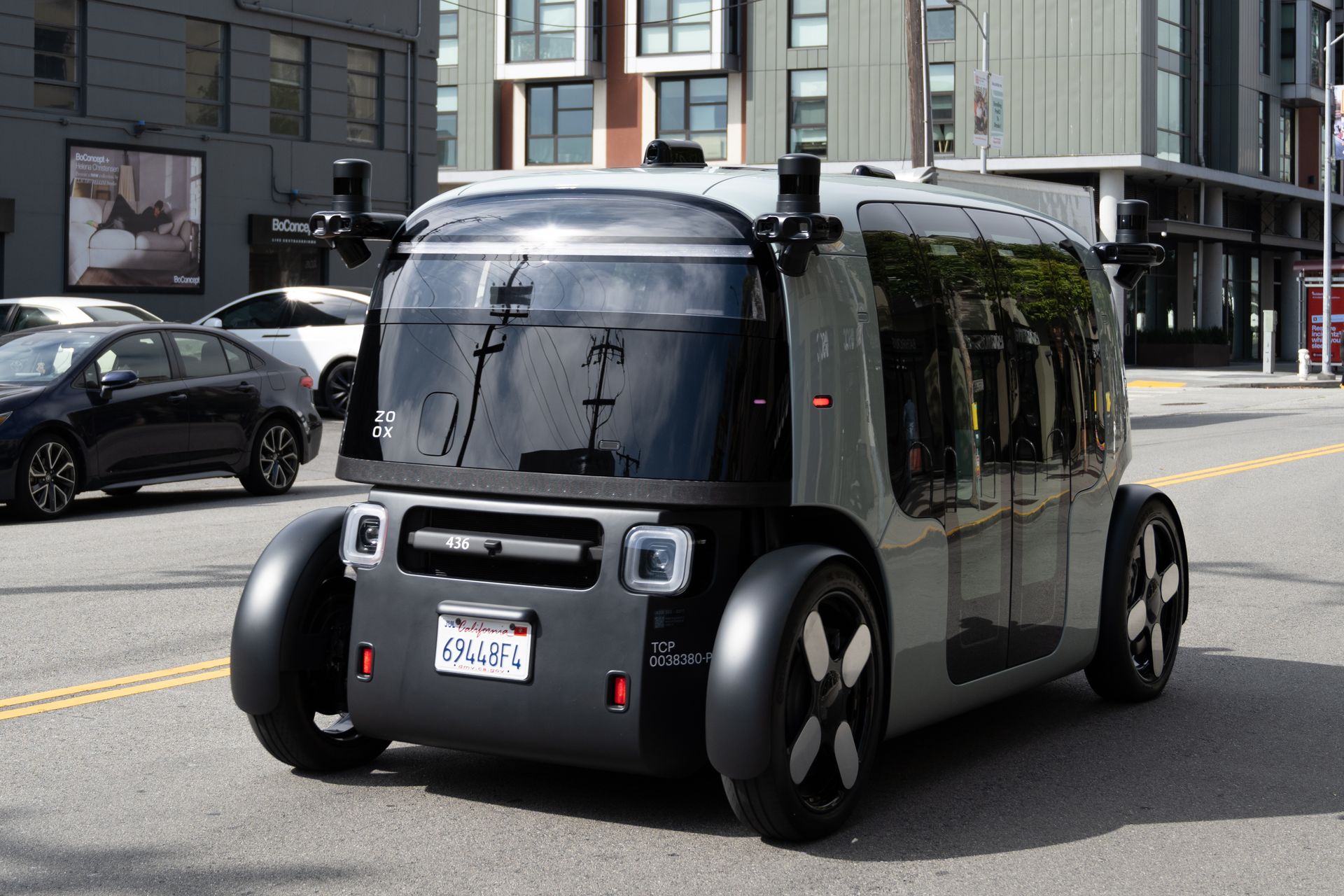
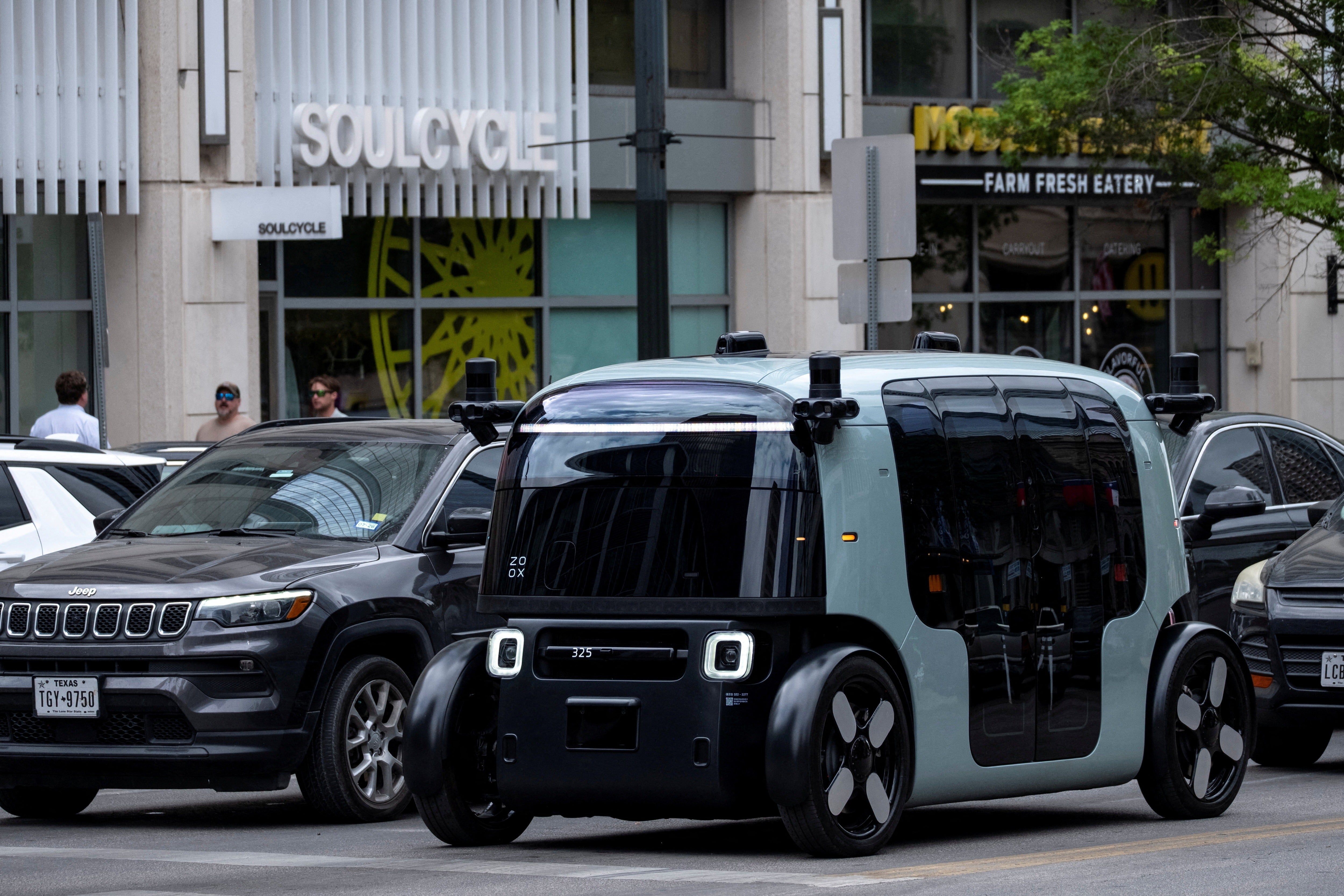
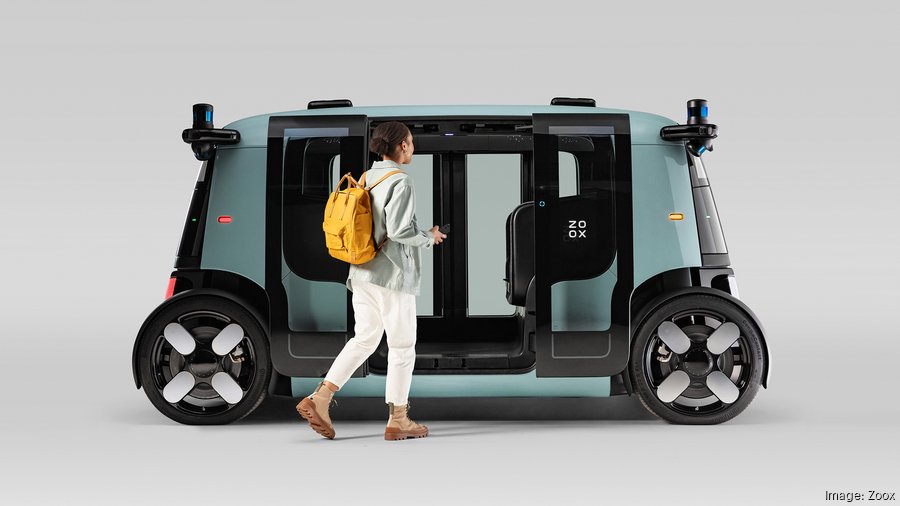
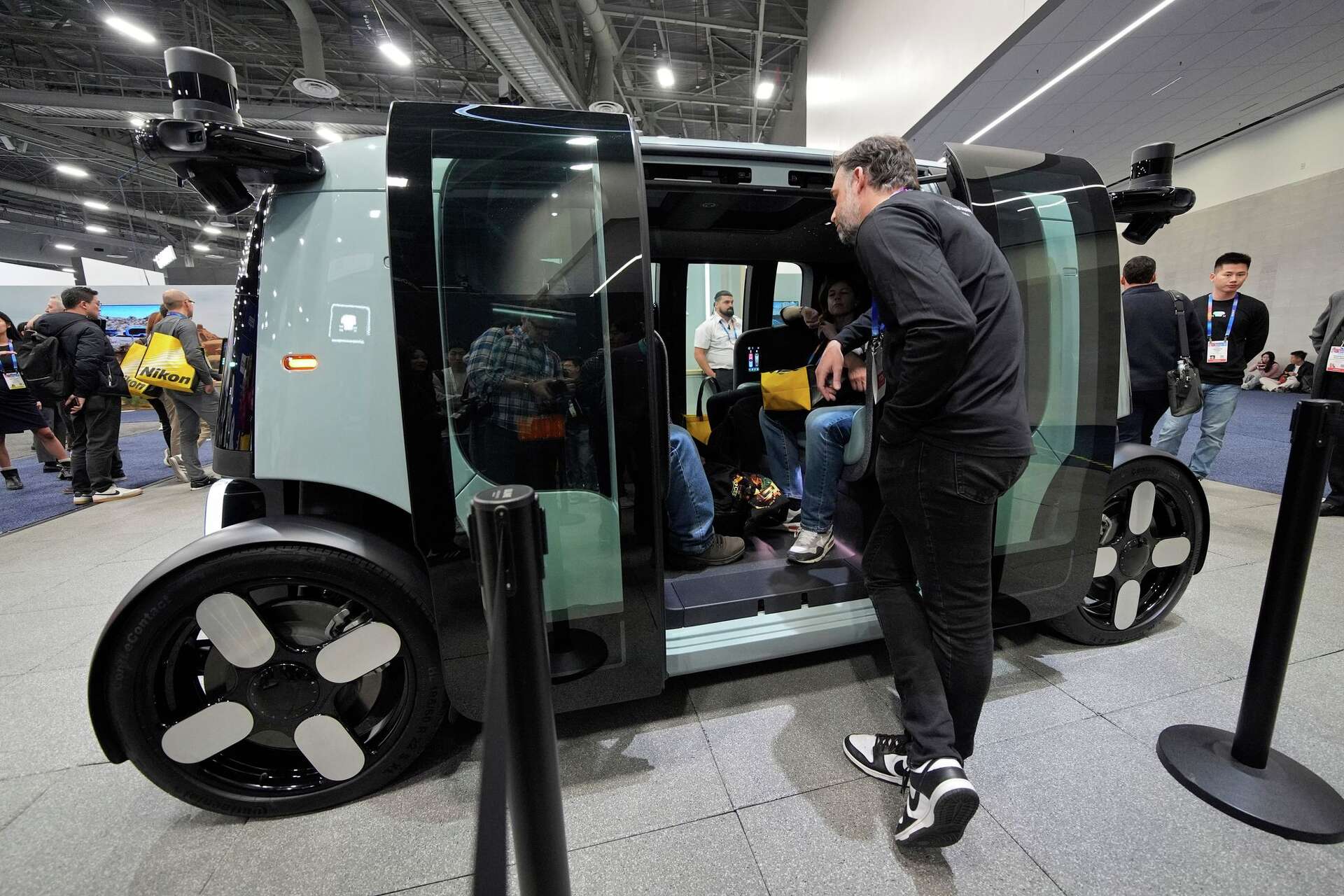
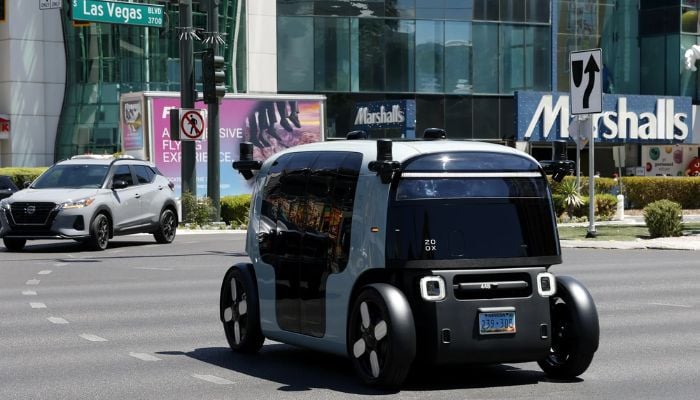
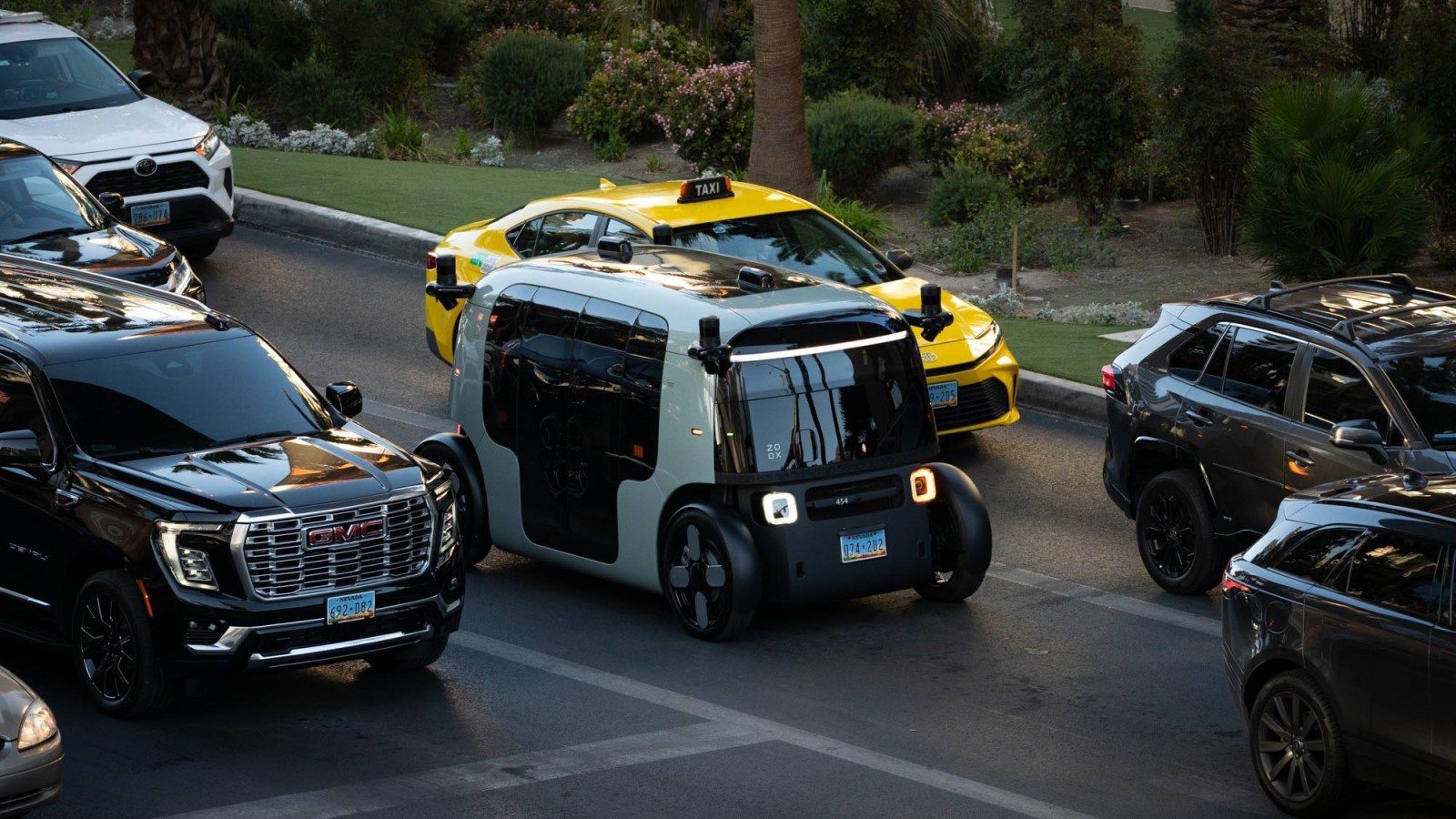
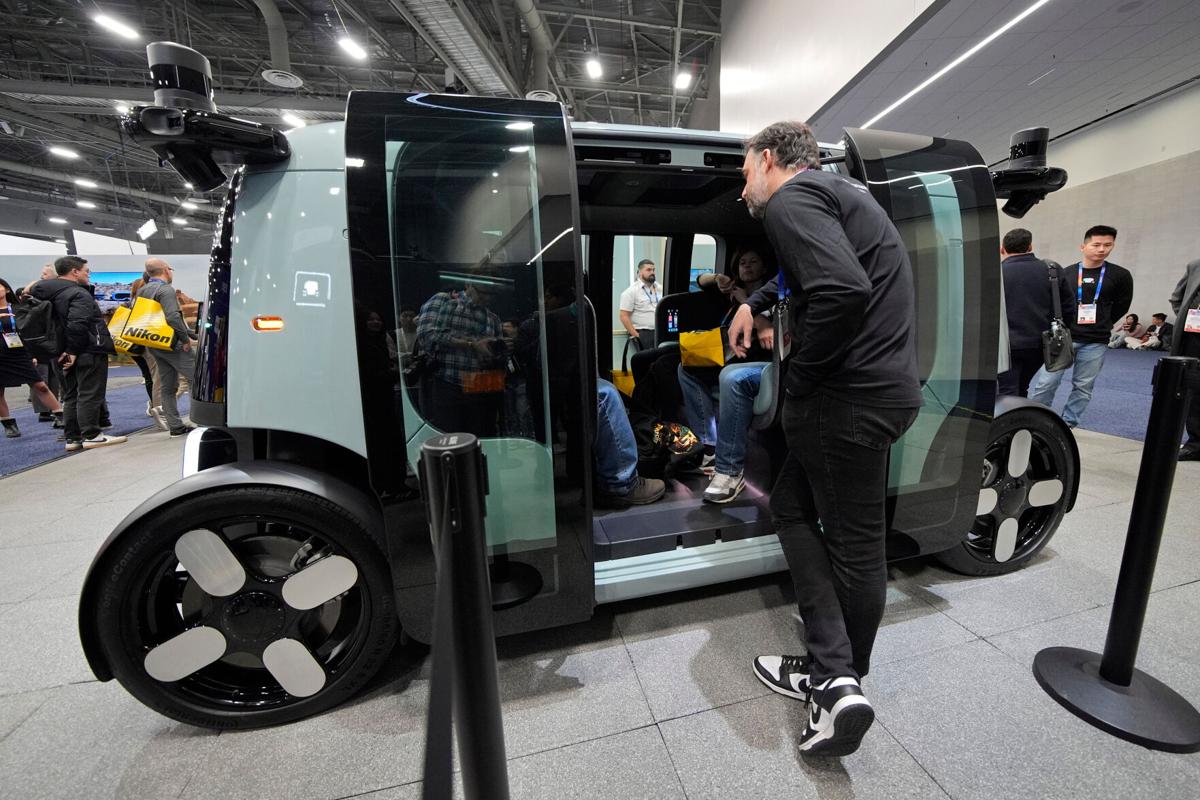
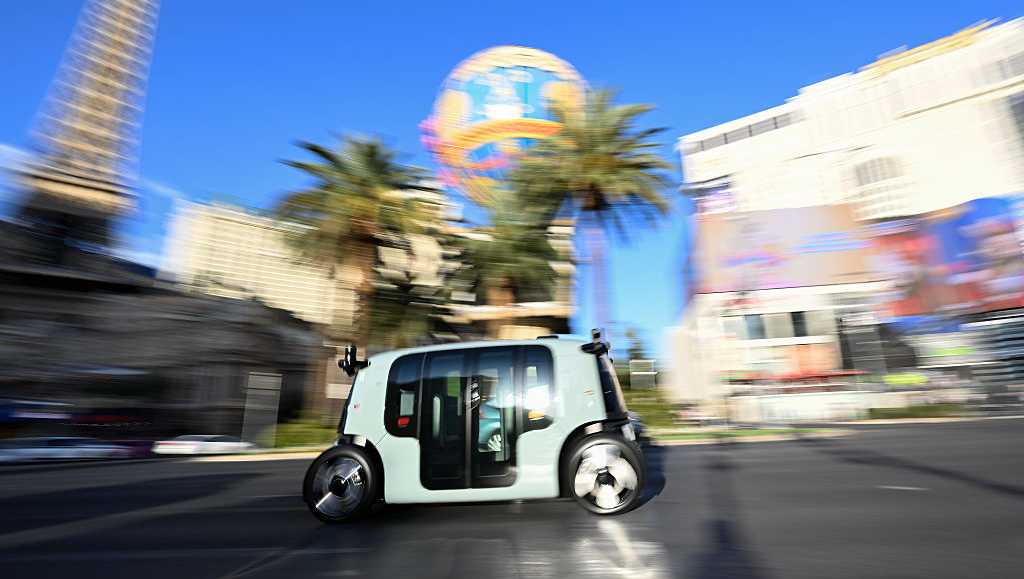
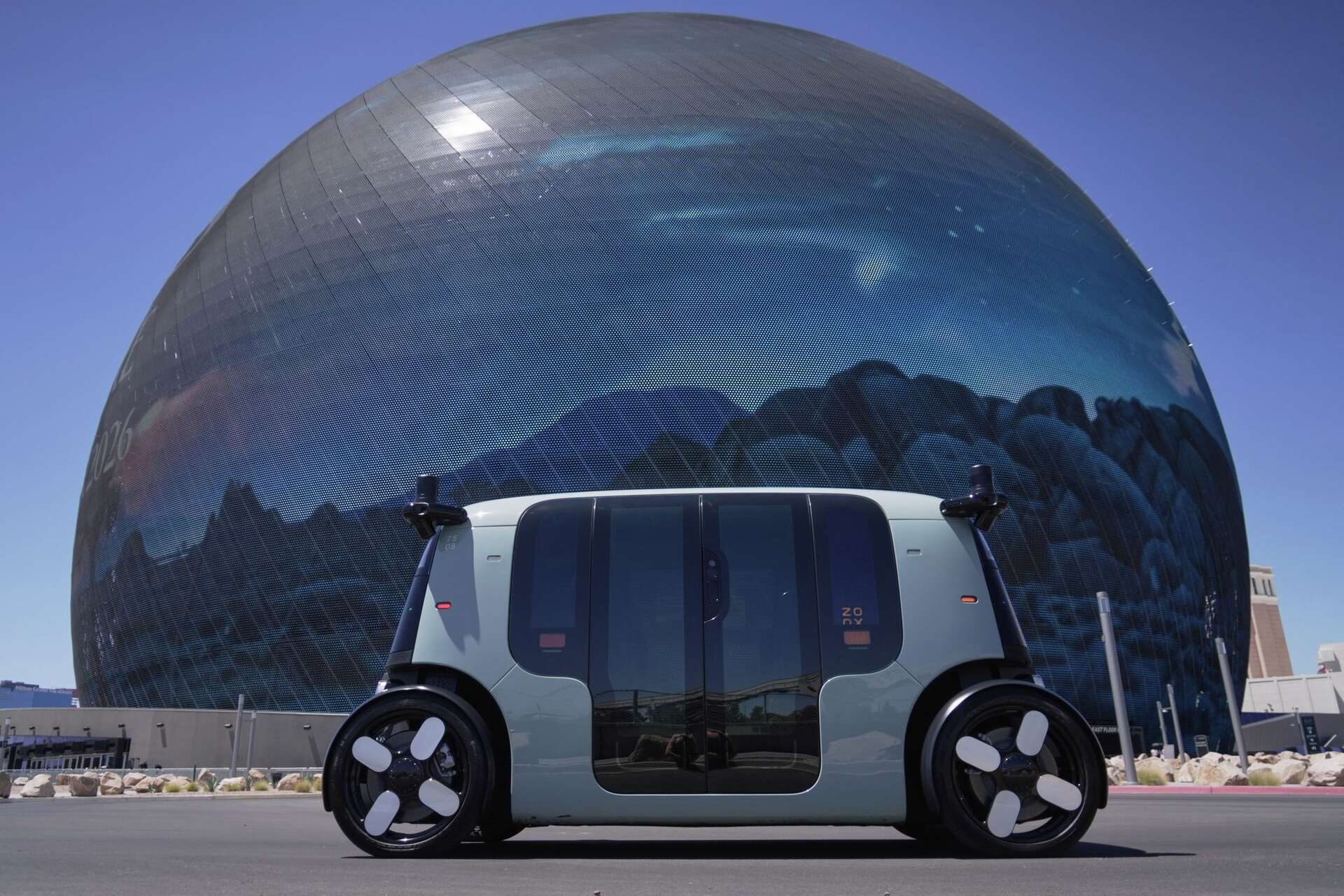
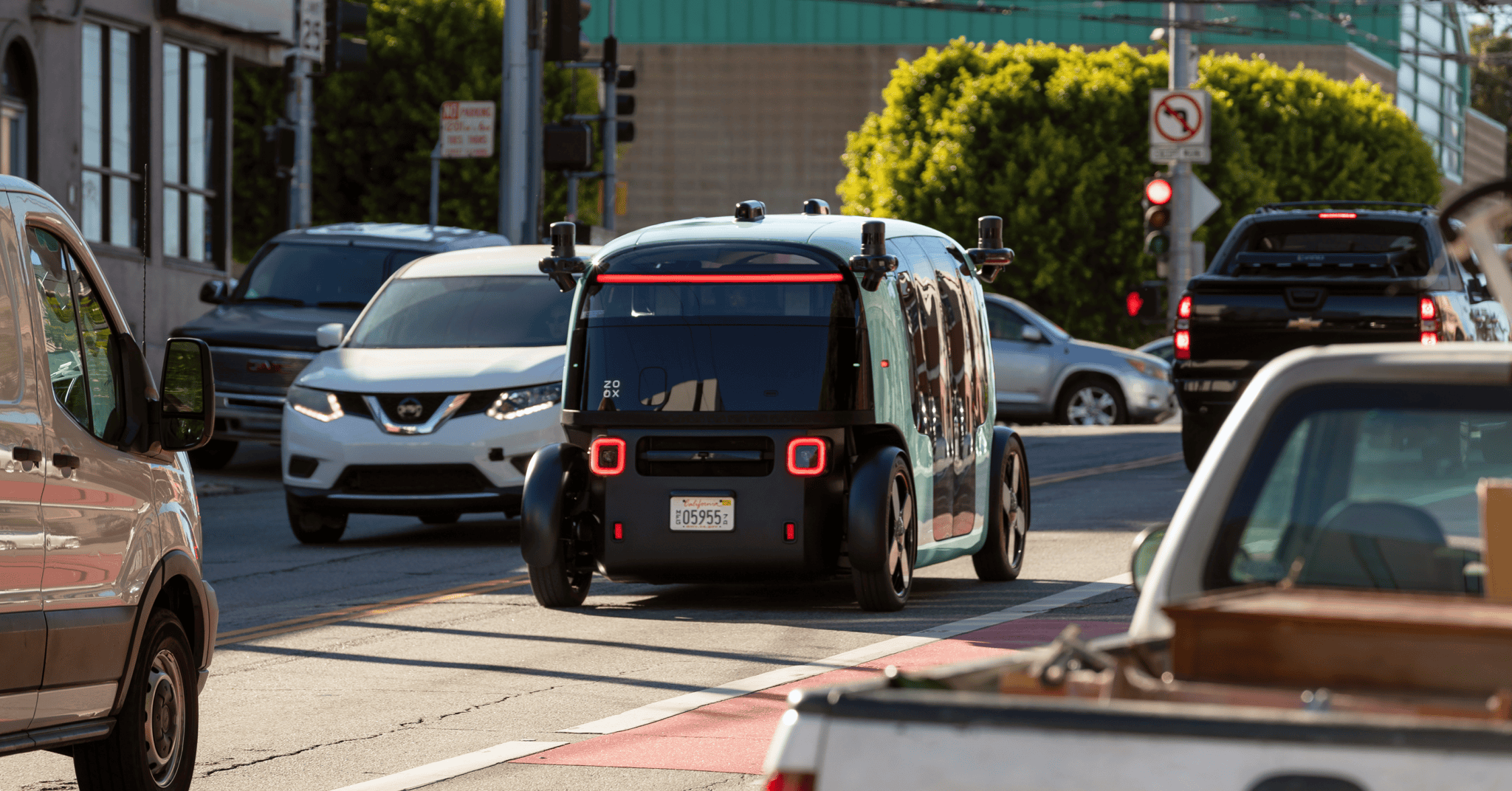
Amazon's Zoox received historic NHTSA approval on July 30, 2026, to deploy fully autonomous robotaxis without steering wheels—a regulatory milestone that signals accelerating AI-powered logistics transformation for e-commerce sellers. The National Highway Traffic Safety Administration granted Zoox an exemption permitting deployment of up to 2,500 vehicles annually for two years, with operations launching in Las Vegas (August 2026) and expanding across 10 cities including San Francisco and Washington D.C. This approval represents the first commercial deployment of fully autonomous vehicles lacking traditional driver controls, positioning Amazon's $1.2B Zoox acquisition as a competitive advantage in last-mile delivery logistics.
For e-commerce sellers, this regulatory breakthrough creates immediate AI automation opportunities in three critical areas: First, predictive logistics optimization—sellers can now leverage AI-powered routing algorithms to integrate autonomous vehicle availability into fulfillment networks, reducing delivery costs 15-25% in Las Vegas and San Francisco pilot zones. Zoox's bidirectional vehicle design (no turning required) enables more efficient warehouse-to-customer routing than traditional delivery vehicles, particularly valuable for high-volume sellers managing 500+ daily shipments. Second, real-time delivery tracking and customer experience automation—the mobile app integration (mentioned in News 3) enables sellers to automate customer notifications, delivery confirmations, and exception handling through AI chatbots, reducing customer service costs 20-30% per transaction. Third, competitive intelligence through AI data analysis—sellers can monitor Zoox deployment patterns across the 10 test cities to identify emerging demand hotspots and adjust inventory positioning 4-6 weeks ahead of competitors still using traditional logistics.
The regulatory framework establishes critical precedent for AI-powered supply chain automation. NHTSA's approval indicates federal regulators now accept AI safety systems exceeding human-equivalent performance standards—a validation that extends beyond robotaxis to warehouse automation, inventory management AI, and predictive demand systems. The 105-vehicle recall (News 1) for smoke detection software failures demonstrates NHTSA's rigorous oversight, but the approval's continuation signals confidence in iterative AI safety improvements. Sellers should interpret this as regulatory green-light for aggressive AI adoption in logistics: companies deploying AI-powered 3PL optimization, dynamic pricing based on delivery cost fluctuations, and automated inventory allocation across fulfillment centers will gain 6-12 month competitive advantages before industry standardization occurs.
Immediate seller implications span three timeframes: Sellers in Las Vegas and San Francisco (pilot zones) can negotiate preferential rates with Amazon's Zoox service starting August 2026, potentially reducing fulfillment costs $0.50-1.50 per unit for high-volume shipments. Mid-tier sellers (1,000-10,000 monthly units) should implement AI-powered demand forecasting to capitalize on Zoox's expanded deployment across 10 cities by Q4 2026—early adopters will secure logistics cost advantages before Waymo and Tesla's competing services achieve similar regulatory approval. Large sellers (10,000+ monthly units) should begin AI-driven supply chain modeling now to integrate autonomous vehicle availability into their 3PL contracts, creating negotiating leverage worth $50K-200K annually in logistics savings by 2027.
Questions 8
How can sellers use competitive intelligence to gain advantages from Zoox deployment?
Sellers can monitor Zoox deployment patterns across 10 test cities (Las Vegas, San Francisco, Washington D.C., and 7 others) to identify emerging demand hotspots 4-6 weeks ahead of competitors. AI data analysis of Zoox operational maps (required by NHTSA) reveals which neighborhoods receive autonomous vehicle coverage, enabling sellers to adjust inventory positioning and targeted advertising to high-coverage zones. Zoox's mobile app integration provides real-time delivery data that sellers can analyze to understand customer adoption patterns and delivery time improvements. Sellers should implement AI-powered competitive intelligence tools to track Zoox expansion announcements, NHTSA incident reports, and Waymo/Tesla regulatory progress—early identification of new deployment zones enables sellers to negotiate preferential rates before competitors recognize the opportunity. This intelligence advantage is worth 6-12 months of cost savings before industry standardization, potentially $50K-200K annually for enterprise sellers.
What regulatory risks should sellers monitor regarding Zoox deployment?
NHTSA retains authority to revoke Zoox's exemption if major safety issues emerge, creating potential logistics disruption risk for sellers dependent on autonomous vehicle fulfillment. The 105-vehicle recall for smoke detection failures and NHTSA's recent letter addressing 'a clear pattern' of driverless vehicles interfering with law enforcement and freezing in complex traffic scenarios indicate ongoing safety concerns. Sellers should monitor NHTSA incident reports monthly and maintain backup 3PL contracts with traditional logistics providers. The approval includes conditions requiring Zoox to maintain all remote operators in the United States and publish operational maps—sellers should verify Zoox's compliance with these requirements before committing significant volume. Safety advocates raised concerns about 'insufficient safety data' (News 2), suggesting regulatory scrutiny may intensify. Sellers should implement contingency logistics plans by October 2026 to mitigate risk of exemption revocation affecting their fulfillment operations.