



YouTube Premium Bundles Peacock Content | Streaming Aggregation Reshapes Digital Ad Spend for Sellers
- YouTube Premium reaches 125M users with bundled NBCU content starting early 2025; shifts advertising landscape and consumer attention patterns for e-commerce sellers targeting streaming audiences


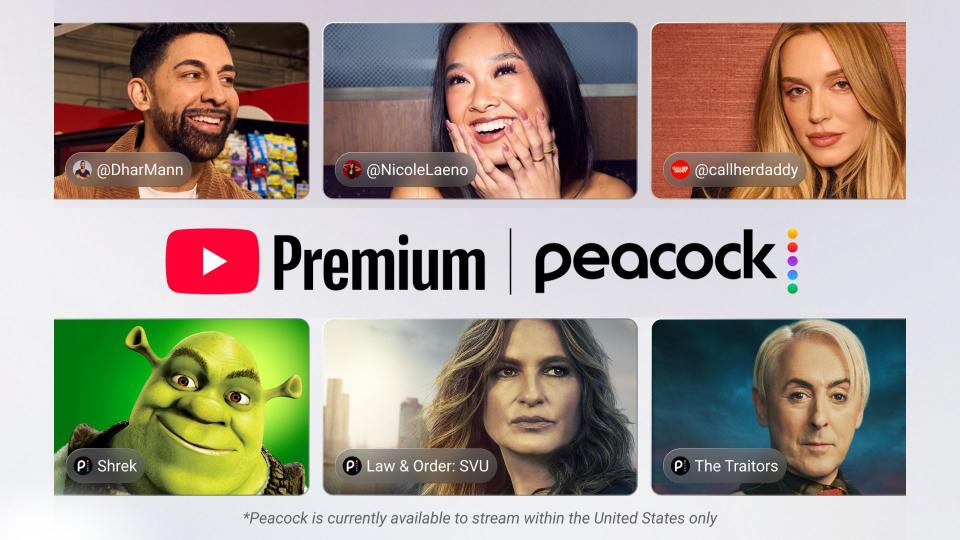


Overview
The streaming industry is entering a critical aggregation phase that fundamentally reshapes how sellers reach consumers through digital advertising. NBCUniversal's deal with YouTube Premium—bundling Peacock content (Love Island USA, Real Housewives, NFL/NBA sports) into YouTube's $15.99/month subscription starting early 2025—signals a major shift from walled-garden streaming platforms toward consolidated content distribution. With YouTube Premium serving 125 million global users, this partnership creates a massive new advertising inventory and audience concentration point that sellers must immediately account for in their media buying strategies.
This aggregation model directly impacts seller advertising ROI and audience targeting efficiency. The deal demonstrates that major platforms (Netflix, Disney, YouTube, Amazon) are consolidating content distribution to compete on scale rather than exclusive libraries. For sellers, this means: (1) YouTube's advertising value increases as it captures more premium subscriber attention and engagement time; (2) CPM rates on YouTube may rise 15-25% as advertisers compete for access to this expanded, higher-intent audience; (3) traditional streaming platform advertising (Peacock, Apple TV+) becomes less attractive as content migrates to aggregators, potentially lowering CPMs on smaller platforms by 20-30%; (4) consumer attention fragmentation decreases, making YouTube a more efficient single-platform buy for reaching streaming audiences.
The wholesale licensing model NBCU pioneered—now being considered by Netflix and Disney—creates new advertising arbitrage opportunities for sellers. As content consolidates onto major platforms, sellers can expect: (1) higher CPCs on YouTube and Amazon advertising as competition intensifies for premium inventory; (2) lower acquisition costs on secondary platforms (Peacock, Apple TV+) as advertiser demand shifts away; (3) increased video content consumption on YouTube, favoring sellers with strong YouTube Shorts and long-form video strategies; (4) younger demographic concentration on YouTube (NBCU specifically targets YouTube's younger users), requiring sellers to adjust creative and messaging for Gen Z/millennial audiences. The sports content bundling (NFL, NBA) particularly signals peak advertising windows during Q4 2024-Q1 2025 sports seasons, when CPMs typically spike 40-60% above baseline rates.
Sellers should immediately audit their streaming platform advertising spend and reallocate budget toward YouTube while CPM rates remain competitive. The precedent set by NBCU-YouTube suggests Netflix and Disney will follow similar aggregation strategies within 6-12 months, consolidating the streaming ad market further. Early movers who shift 30-40% of streaming ad budgets to YouTube before major competitors do will capture lower CPMs and higher impression volumes. Simultaneously, sellers should test lower-cost inventory on platforms losing content (Peacock, Apple TV+) where CPMs may decline 25-35% as advertiser demand drops. Monitor YouTube's Q1 2025 CPM trends closely—expect 10-20% increases as the Peacock bundle launches and advertisers compete for premium inventory.
Questions 8
When should I reallocate my streaming advertising budget to capitalize on this trend?
Reallocate immediately (by December 2024) before the Peacock bundle launches in early 2025. Early movers who shift 30-40% of streaming ad budgets to YouTube while CPM rates remain competitive will capture lower costs and higher impression volumes before major competitors increase spending. The precedent set by NBCU suggests Netflix and Disney will announce similar aggregation deals within 6-12 months, further consolidating the market. Waiting until Q1 2025 means paying 15-25% higher CPMs as demand surges. Use the next 4-6 weeks to audit current streaming spend, identify underperforming platforms, and test YouTube inventory at current rates.
How should I adjust my video content strategy for the streaming aggregation trend?
As content consolidates on YouTube, video consumption will spike on the platform, making YouTube Shorts and long-form video essential for seller visibility. The bundled sports content (NFL, NBA) creates peak advertising windows during Q4 2024-Q1 2025, when CPMs spike 40-60% above baseline. Sellers should: (1) prioritize YouTube Shorts for viral reach and lower CPCs; (2) create sports-adjacent content during NFL/NBA seasons to ride engagement waves; (3) develop longer-form content (10-30 minutes) for YouTube's expanded content library; (4) test TikTok and Instagram Reels as lower-cost alternatives when YouTube CPMs peak. The aggregation model rewards platforms with diverse content formats, so multi-format video strategies are critical.