
Apple iPhone Pricing Strategy Drives 20.8% Growth | Seller Opportunity in Premium Electronics
- Apple maintains iPhone prices while competitors raise costs; 15.5% revenue growth to $108.65B signals premium device demand resilience and supply chain arbitrage opportunities for electronics sellers
/Apple%20Inc%20logo%20on%20Apple%20store-by%20PhillDanze%20via%20iStock.jpg)













Overview
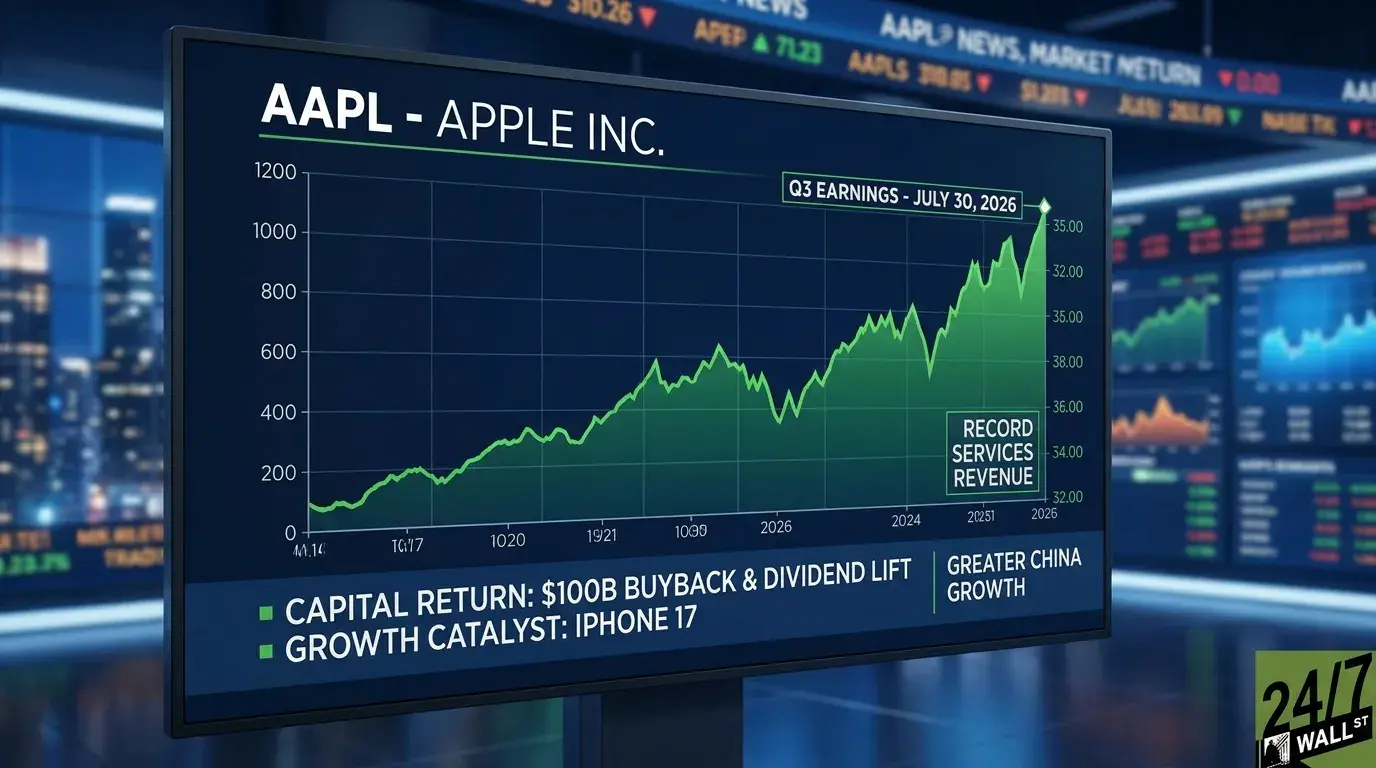
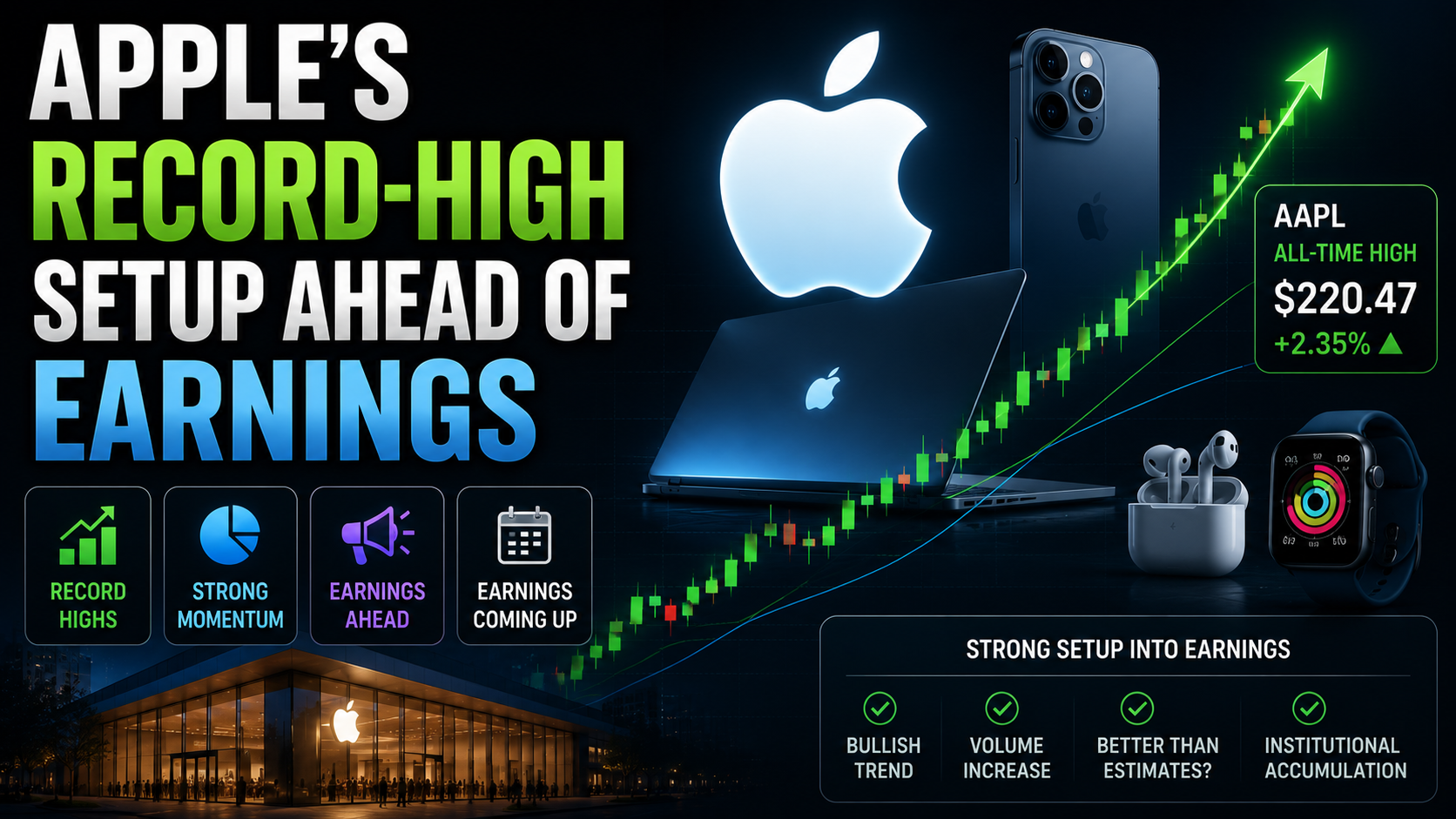
Apple's strategic decision to maintain iPhone prices while raising iPad and MacBook costs represents a critical market signal for cross-border electronics sellers. The company is projected to report $108.65 billion in Q3 FY2024 revenue (15.5% growth) with iPhone sales surging 20.8%—the strongest third-quarter performance since 2021—despite global smartphone shipments declining to 13-year lows. This pricing discipline allowed Apple to capture nearly 20% market share while competitors like Samsung and others raised prices due to memory/storage chip shortages caused by AI datacenter buildouts.
For electronics sellers, this reveals three critical market dynamics: First, premium-segment consumer demand remains inelastic—buyers prioritize brand ecosystem and device quality over price, creating opportunities for sellers offering complementary iPhone accessories (cases, chargers, screen protectors) and premium electronics bundles. Second, supply chain cost pressures are fragmenting the smartphone market, with competitors forced to raise prices while Apple's lower datacenter spending provides pricing flexibility. Third, the September iPhone launch window signals incoming price increases, which historically trigger demand acceleration in August-September for both new devices and legacy model inventory.
Margin compression is accelerating across the category. Apple's gross margins are slipping from 49.3% to 47.9%, indicating that even premium brands face cost pressures. For sellers, this suggests: (1) iPad and MacBook price increases (already implemented) will reduce demand in those categories, shifting consumer budgets toward iPhones and accessories; (2) refurbished/used iPhone markets will see increased inventory as consumers upgrade; (3) third-party sellers offering iPhone-compatible products (wireless chargers, protective gear, storage solutions) will benefit from the installed base expansion.
The competitive landscape is shifting. Alphabet and Nvidia's heavy AI datacenter spending is constraining their ability to maintain aggressive pricing, while Apple's minimal datacenter investment provides strategic flexibility. This creates a 6-12 month window where sellers can capitalize on: premium accessory demand (Apple ecosystem lock-in drives accessory spending 15-25% higher than Android), refurbished device inventory (as new iPhone launches trigger upgrades), and cross-category bundling (iPhone + iPad + MacBook bundles for corporate buyers).
Risk factor: Morgan Stanley notes iPhone demand is historically inelastic, but September price increases could test this assumption. Sellers should monitor Q4 demand signals closely, as price elasticity may shift if increases exceed 8-10% year-over-year. The company's "limited margin for error" at premium valuations suggests market sentiment is fragile.
Questions 8
Will Apple's September iPhone price increase impact demand?
Morgan Stanley analysts note that iPhone demand has historically proven inelastic, suggesting price increases are unlikely to materially disrupt sales. However, Apple's 'limited margin for error' at premium valuations suggests market sentiment is fragile. Sellers should expect: (1) August-September demand acceleration as consumers rush to buy before price increases; (2) potential demand softening in Q4 if price increases exceed 8-10% year-over-year; (3) increased refurbished device demand as budget-conscious buyers seek alternatives. Monitor Q4 earnings guidance for demand signals.
How do chip shortages and AI datacenter buildouts affect seller pricing?
Memory and storage chip shortages caused by AI datacenter buildouts are forcing competitors like Samsung to raise smartphone prices, while Apple's minimal datacenter spending provides pricing flexibility. This creates a 6-12 month competitive window where Apple can gain share while others face margin pressure. For sellers, this means: (1) premium electronics will see price increases across the board; (2) supply constraints at competitors create inventory opportunities; (3) cross-border sellers should source refurbished/used devices now before prices stabilize. Monitor competitor pricing weekly to identify arbitrage opportunities.