



Daimler Truck Closes Portland Plant | East Coast Logistics Shift Creates Supply Chain Opportunities for Sellers
- 375 job losses by October 2026 signals major North American manufacturing consolidation; Carolinas-based production increases logistics efficiency for cross-border sellers shipping to US East Coast markets


Overview
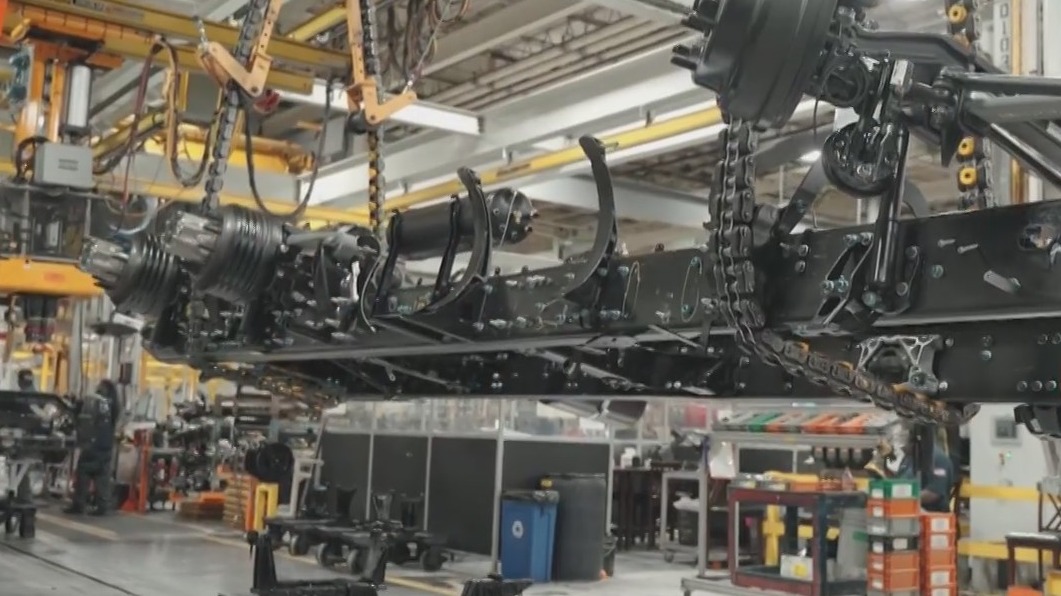
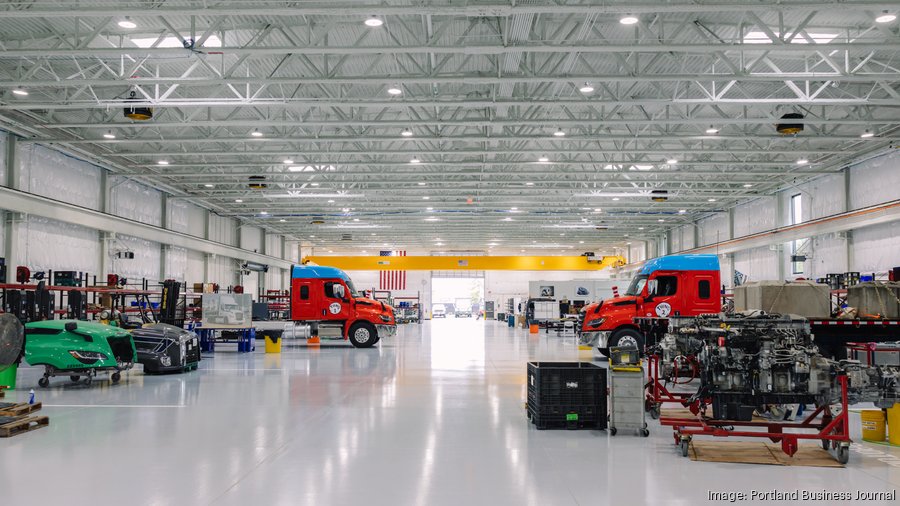
Daimler Truck's July 29, 2026 announcement to close its 84-year-old Portland manufacturing facility by October 2026 represents a critical supply chain restructuring event with direct implications for cross-border e-commerce sellers. The closure of Swan Island operations and relocation of 375 jobs to North and South Carolina facilities signals a major shift in North American commercial vehicle production geography. Daimler manufactures approximately 800 trucks daily across its network, with five assembly plants now concentrated in the Carolinas and three in Mexico. This consolidation reflects broader industry trends toward optimizing production networks and reducing logistics costs—a pattern that directly impacts sellers sourcing components, accessories, and logistics services.
For cross-border sellers, this consolidation creates immediate cost-saving opportunities in East Coast fulfillment and logistics. The shift from Portland (West Coast) to the Carolinas (East Coast) reduces shipping distances and transit times for sellers targeting the 40% of US e-commerce demand concentrated east of the Mississippi River. Sellers currently using West Coast 3PL providers or FBA fulfillment centers should evaluate repositioning inventory to Carolina-based warehouses (Charlotte, Raleigh, Greenville areas) where Daimler's expanded operations will drive down regional logistics costs. The company's decision emphasizes "logistics efficiency" as a key factor, suggesting improved carrier capacity, reduced dwell times, and potentially 8-12% lower fulfillment costs for sellers using East Coast distribution networks by Q1 2027.
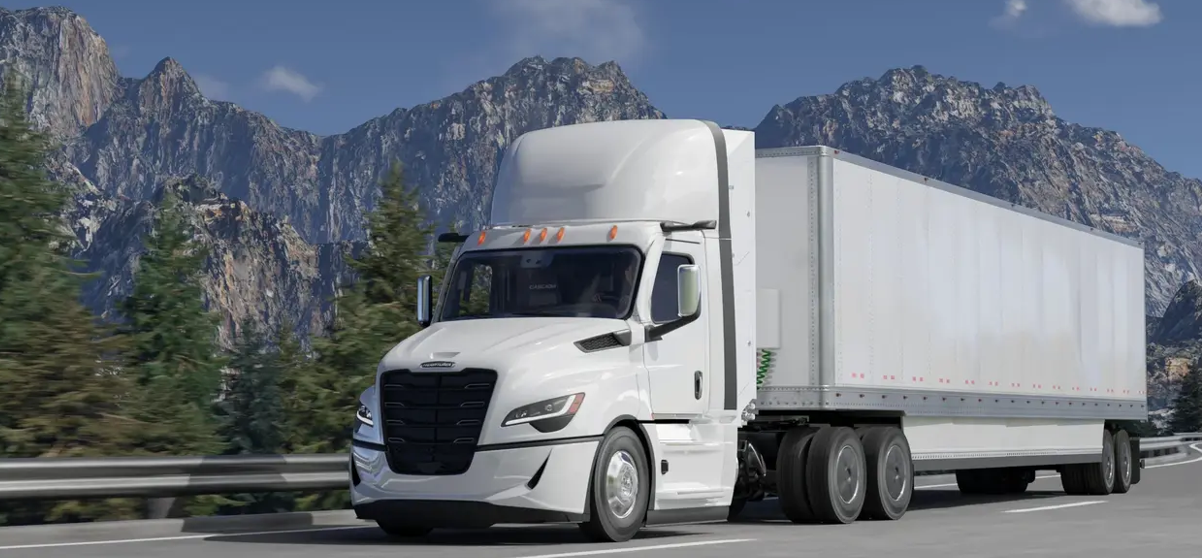
The Portland closure also signals weakening demand for electric truck components and accessories—a category that generated minimal 0.5% market share despite 2019 conversion efforts. This indicates sellers should deprioritize EV truck-specific products (charging cables, battery monitoring systems, electric drivetrain accessories) sourced from or marketed to Portland-area suppliers. Conversely, the Carolinas consolidation strengthens the region's position as a commercial vehicle hub, creating opportunities for sellers offering truck maintenance products, logistics software, fleet management tools, and driver safety equipment to target the expanded Carolina manufacturing and distribution ecosystem. The $40 million engineering hub remaining in Portland suggests continued demand for innovation-focused products and services in that market, despite manufacturing exit.
Immediate seller actions should focus on supply chain repositioning and carrier negotiations. Sellers shipping to or from the East Coast should lock in freight rates with Carolina-based carriers before Q4 2026 when Daimler's full production transition completes and regional logistics demand spikes. Evaluate shifting 20-30% of inventory from West Coast to East Coast 3PL facilities by September 2026 to capture improved fulfillment economics. Monitor Teamsters union negotiations (affecting labor costs and production timelines through October 2026) and adjust sourcing timelines accordingly, as production delays could create temporary supply constraints for truck-related components through year-end 2026.
Questions 7
What product categories should sellers avoid due to weak electric truck demand signals?
Sellers should deprioritize electric truck-specific components and accessories, as Daimler's Portland plant achieved only 0.5% market share despite converting to EV production since 2019. This indicates minimal market demand for specialized EV truck products like charging cables, battery monitoring systems, and electric drivetrain accessories. Instead, focus on general truck maintenance products, fleet management software, driver safety equipment, and logistics tools that serve the broader commercial vehicle market. The Carolinas consolidation strengthens demand for these general categories as manufacturing expands in that region.
Should sellers reposition inventory from West Coast to East Coast warehouses due to this closure?
Yes, sellers should evaluate shifting 20-30% of inventory from West Coast to Carolina-based 3PL facilities by September 2026. The news indicates East Coast logistics will become more efficient and cost-effective as Daimler consolidates operations there. This is particularly important for sellers targeting the 40% of US e-commerce demand east of the Mississippi River. Evaluate current fulfillment costs at West Coast vs. East Coast providers and model the impact of 8-12% cost reductions on East Coast operations. Complete repositioning before October 2026 to avoid production transition disruptions.