



)
AI Chip Packaging Revolution Accelerates Data Center Demand | Seller Opportunity in Computing Infrastructure
- Intel's 24x reticle breakthrough and TSMC's competitive response signal 3-5 year surge in AI infrastructure spending, creating indirect demand for server components, cooling systems, and enterprise IT products on B2B marketplaces









Overview
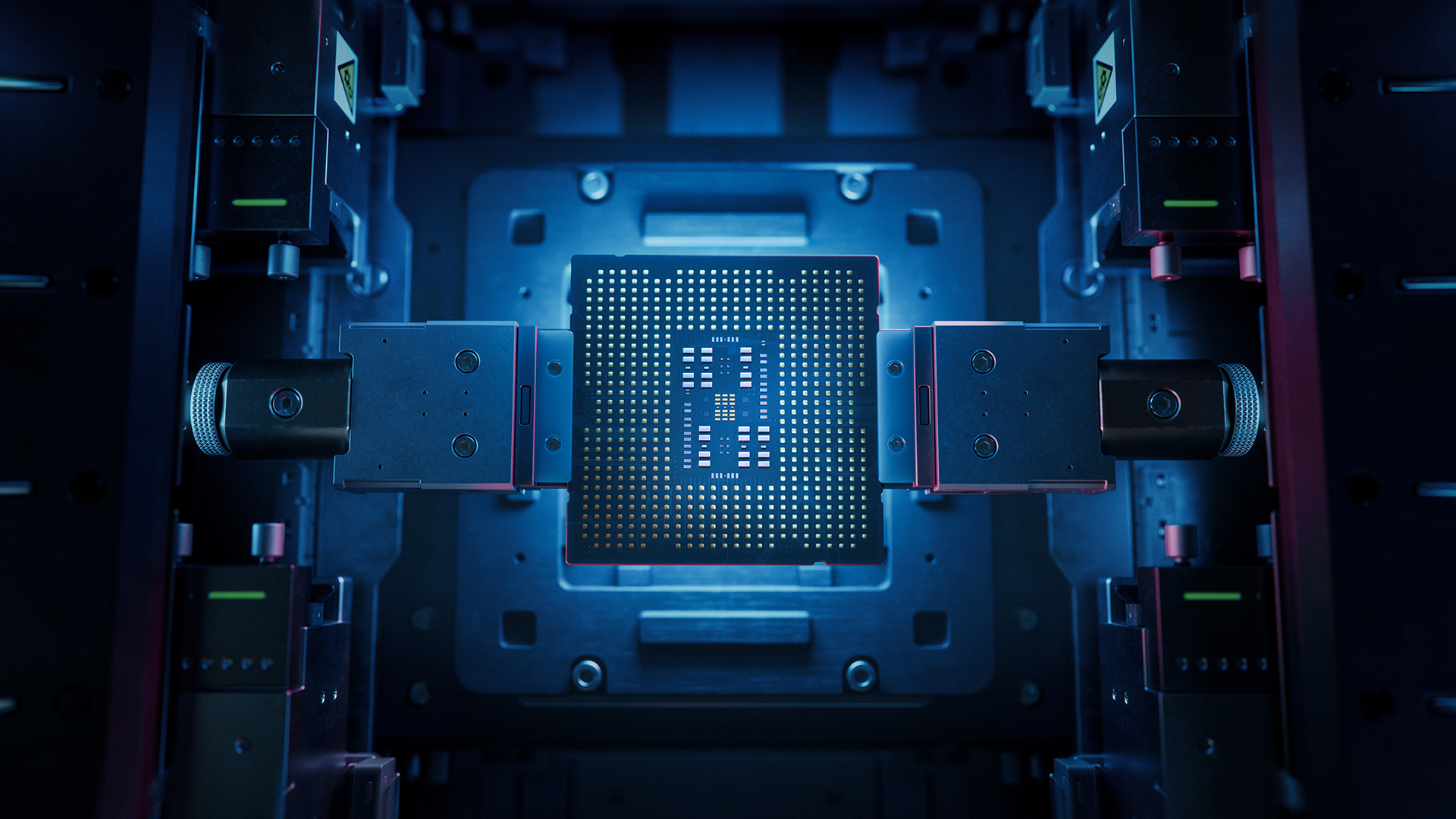
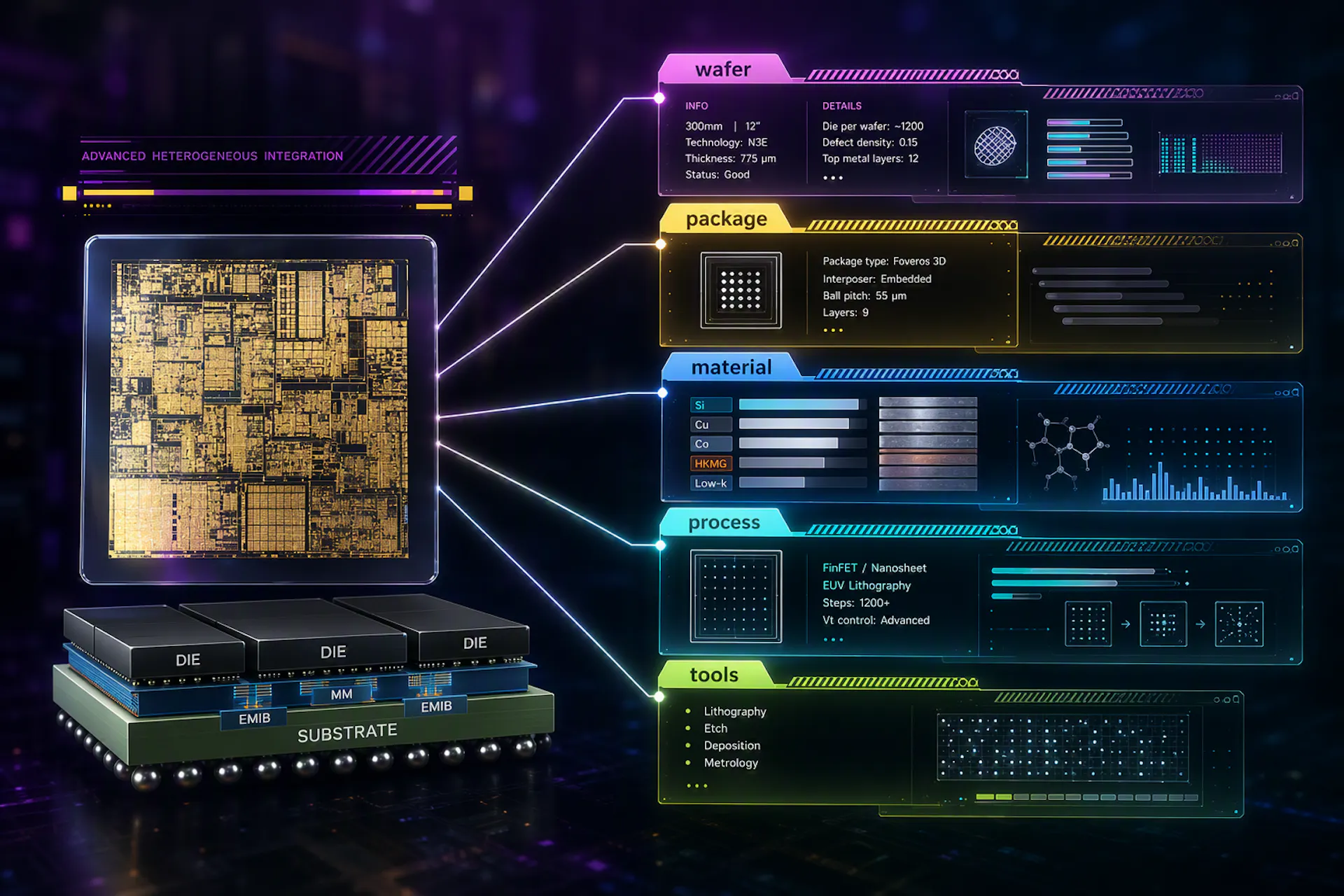
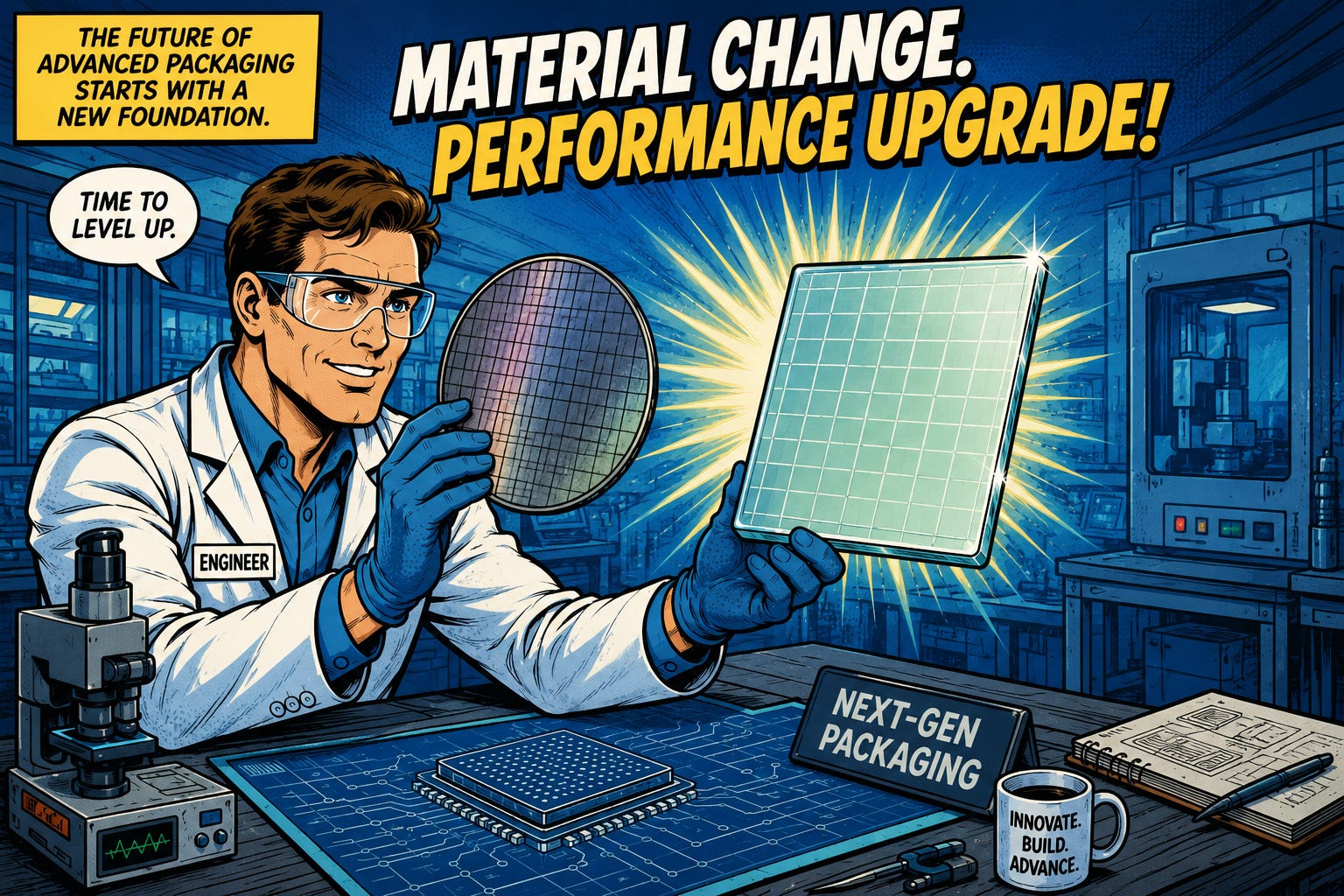
Intel's breakthrough in hyper-large form factor (HLFF) semiconductor packaging represents a critical inflection point for AI infrastructure investment, with direct implications for sellers in computing components, data center equipment, and enterprise technology categories. The company's Rio Rancho facility has solved the encapsulation challenge that previously limited chip size scalability, achieving 24x reticle size (240mm x 240mm packages) with void-free encapsulation at flow distances exceeding 40mm—compared to previous limits of 43mm for EMIB and 22mm for standard packages. This enables chiplet-based systems combining 18+ dies with 12 HBM sites, supporting 64 Gbs per channel speeds and managing 15-25 kilowatt thermal loads. Intel's roadmap targets 12x+ reticle scaling by 2028, with panel-level packages potentially exceeding 50x reticle.
TSMC's parallel development of advanced AI chip packaging technology signals intensifying competition that will accelerate data center infrastructure buildout through 2026-2028. The Taiwanese chipmaker is investing heavily in chiplet architectures and 3D integration methods to counter Intel's U.S.-based manufacturing advantage. This competitive dynamic mirrors historical semiconductor transitions where packaging innovations trigger 18-24 month waves of downstream infrastructure spending. The Rio Rancho facility's expansion from 25 employees (1980) to 2,700 employees with 500 suppliers demonstrates the scale of this opportunity—each advanced packaging customer (AI accelerator makers, data center processor designers) requires supporting ecosystem investments in cooling, power delivery, and system integration.
For e-commerce sellers, this packaging revolution creates three distinct opportunity windows: (1) Immediate (0-12 months): Demand for specialized cooling solutions, thermal interface materials, and power management components as data center operators prepare for next-generation AI chips. Sellers in electronics/industrial categories can source these components from suppliers benefiting from Intel and TSMC's manufacturing expansion. (2) Medium-term (1-3 years): Server component upgrades, modular cooling systems, and enterprise IT infrastructure products as AI accelerators and data center processors incorporating these packages reach production scale. (3) Strategic (3-5 years): Emerging categories around chiplet-based system integration, custom substrate solutions, and specialized packaging materials as the "silicon mosaic" architecture becomes industry standard. The competitive intensity between Intel (U.S. manufacturing advantage, Foveros/EMIB-T technologies) and TSMC (cost leadership, production scale) will drive 15-25% annual price declines in advanced packaging services, reducing total cost of ownership for data center infrastructure and accelerating adoption cycles.
Questions 7
What is the competitive impact of TSMC's response to Intel's packaging innovation?
TSMC's development of competing advanced packaging technology (chiplet architectures, 3D integration, improved thermal management) signals a duopoly-driven race that will accelerate innovation cycles and reduce costs. When two dominant suppliers compete on packaging, historical data shows 15-25% annual price declines in advanced packaging services, reducing total cost of ownership for data center infrastructure. This competitive intensity benefits sellers by expanding the addressable market—lower costs enable more data center operators to adopt AI infrastructure, increasing total demand for supporting components. TSMC's Taiwanese manufacturing base and Intel's U.S. facility (Rio Rancho, 2,700 employees, 500 suppliers) create geographic diversification in supply chains, reducing single-source risk for enterprise customers and stabilizing component availability for sellers.
How does Intel's 24x reticle packaging breakthrough affect data center equipment demand?
Intel's achievement of void-free encapsulation at 240mm x 240mm packages (24x reticle size) enables significantly larger AI chips with 18+ dies and 12 HBM sites, supporting 64 Gbs per channel speeds. This directly increases thermal load requirements (15-25 kilowatts per package) and power delivery complexity, creating immediate demand for advanced cooling solutions, thermal interface materials, and modular power management systems. Data center operators preparing for next-generation AI accelerators will need infrastructure upgrades 12-18 months before chip availability, creating a predictable demand window for sellers in cooling and power components. Historical semiconductor transitions show 18-24 month lead times between packaging breakthroughs and infrastructure buildout, suggesting peak component demand in 2026-2027.