




Meta Ad Costs Rise 12% in Q2 2026 | E-Commerce Sellers Face Higher CAC
- Average price per ad increases 12% YoY; sellers on Facebook/Instagram must adjust PPC budgets and targeting strategies to maintain ROI











Overview
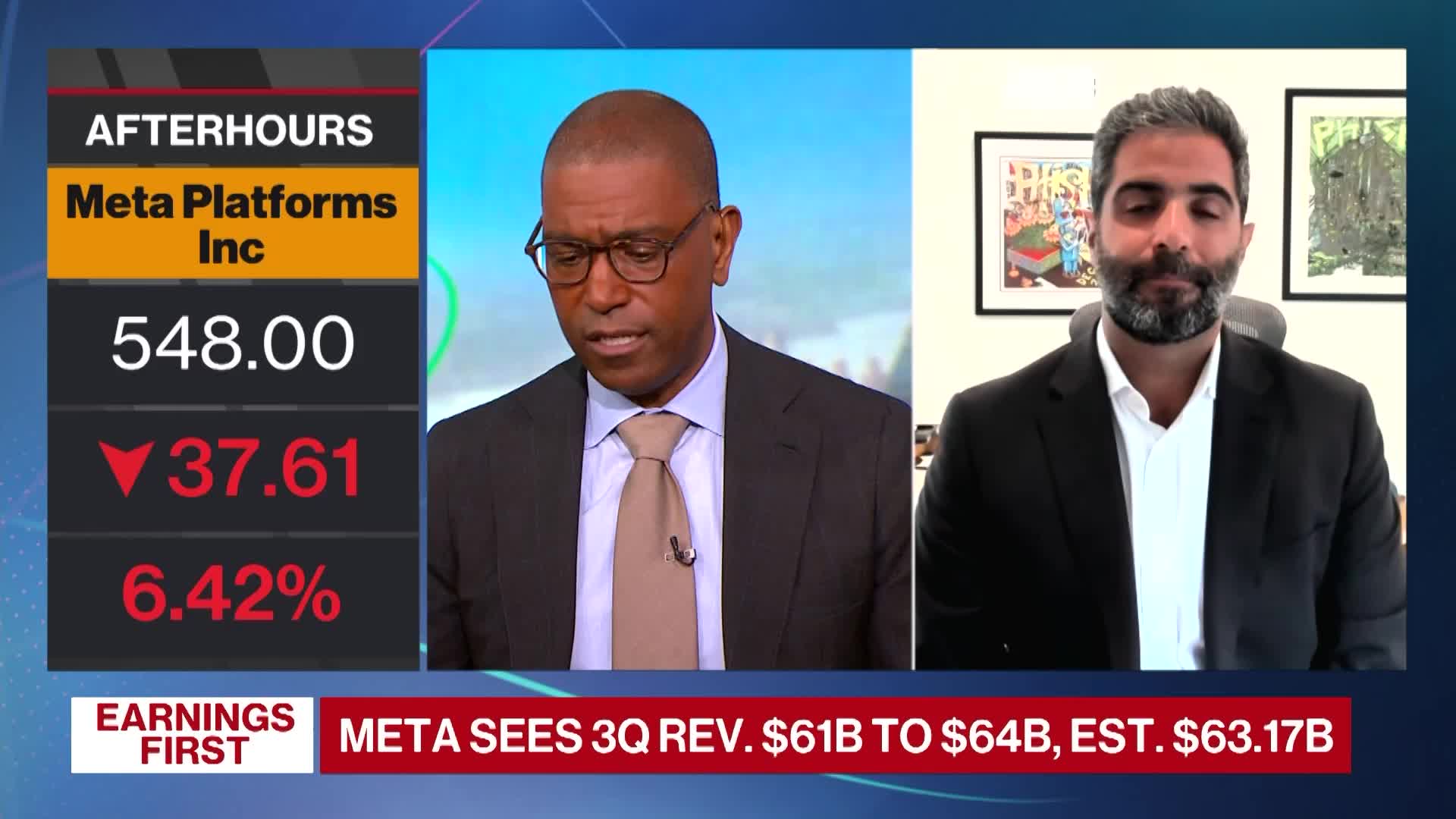
Meta's Q2 2026 earnings reveal critical implications for e-commerce sellers relying on Facebook and Instagram advertising. The company reported average price per ad increased 12% year-over-year, while ad impressions grew 14%, indicating rising competition and platform pricing power. With 3.60 billion Family daily active people and 14% impression growth, the platform remains essential for sellers, but the 12% CPC/CPM increase directly impacts customer acquisition costs (CAC) across all categories.
For e-commerce sellers, this translates to measurable budget pressure. A seller running $10,000/month in Meta ads in Q2 2025 would now spend approximately $11,200/month for equivalent reach in Q2 2026—a $1,200 monthly increase or $14,400 annually. This cost escalation affects profitability margins, particularly for sellers in lower-margin categories (electronics, home goods, apparel) where typical ROAS targets are 3:1 to 4:1. Sellers must now achieve 3.5:1 to 4.5:1 ROAS to maintain equivalent profit margins, requiring either improved conversion optimization or price increases that risk demand elasticity.
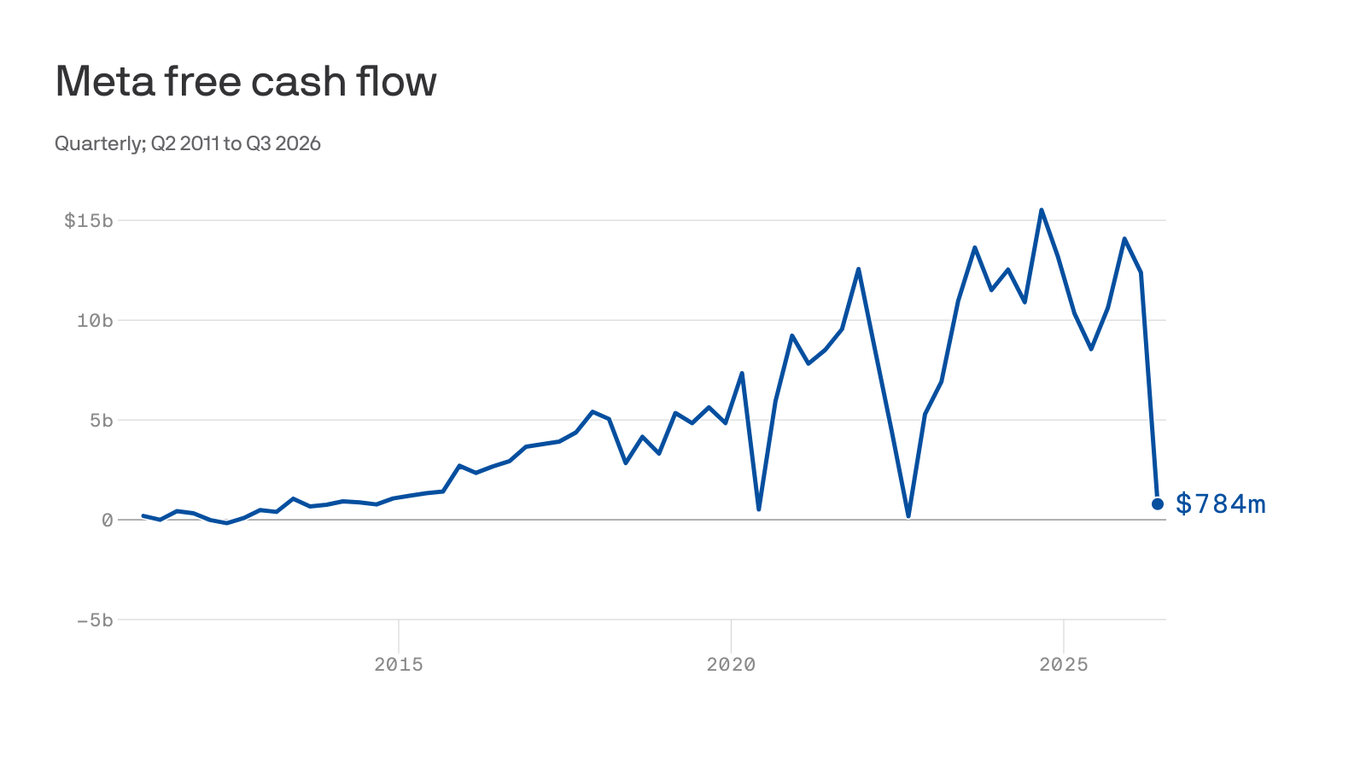
Meta's $130-145 billion capex guidance for 2026 signals continued infrastructure investment in AI and data centers, which will likely drive further ad pricing increases. The company's operating margin compression from 43% to 31% reflects $2.4 billion in legal charges and $1.18 billion in severance costs, but the aggressive AI capex strategy indicates Meta is positioning for long-term competitive advantage. For sellers, this means Meta's advertising platform will likely become more sophisticated (better targeting, AI-driven optimization) but increasingly expensive. Sellers in high-growth categories (beauty, electronics, home fitness) should expect 8-15% additional cost increases through 2026-2027 as Meta monetizes AI capabilities.
Immediate actions for sellers: Audit Meta ad account performance by campaign and product category; identify underperforming campaigns with ROAS below 3:1 and pause them; test audience expansion and lookalike targeting to improve efficiency; consider reallocating 10-20% of Meta budget to Google Shopping and TikTok Shop where CPCs remain 15-25% lower. Monitor Q3 2026 guidance ($61-64B revenue) for further pricing signals. Sellers should also evaluate 3PL partnerships and inventory optimization to reduce holding costs, offsetting higher advertising expenses.
Questions 8
What does Meta's operating margin compression from 43% to 31% mean for seller advertising costs?
Meta's operating margin fell from 43% to 31% due to $2.4 billion in legal charges and $1.18 billion in severance costs, not advertising platform issues. However, the company's strong revenue growth (28% YoY to $60.8 billion) and aggressive capex strategy ($130-145 billion for 2026) indicate Meta will continue raising ad prices to fund AI infrastructure. The margin compression is temporary; Meta expects full-year 2026 operating income to exceed 2025 levels despite higher expenses. For sellers, this signals Meta's commitment to long-term platform investment, meaning advertising costs will remain elevated or increase further. Sellers should budget for 12-15% annual Meta ad cost increases through 2027 and plan inventory and pricing strategies accordingly.
How does Meta's 3.60 billion daily active users impact seller advertising opportunities?
Meta's 3.60 billion Family daily active people (up 3% YoY) represent the largest advertising audience globally, spanning Facebook, Instagram, WhatsApp, and Messenger. With 14% impression growth in Q2 2026, the platform offers massive reach for sellers targeting diverse demographics. However, this scale also drives competition and higher ad costs—the 12% price increase reflects rising demand for limited ad inventory. Sellers should leverage Meta's scale by targeting specific audience segments: younger demographics (18-35) on Instagram, older demographics (35+) on Facebook, and niche interests across both platforms. Use Meta's AI-powered Advantage+ campaigns to automatically optimize targeting and bidding. The key is achieving higher ROAS (3.5:1+) to justify the 12% cost increase while capitalizing on the massive audience available.