

FCC Bans New Robotic Vacuum Imports | Sellers Face Inventory Crisis
- Effective immediately: iRobot, SharkNinja, Dyson, Samsung, LG new models blocked from US market; legacy stock remains sellable through transition period



Overview
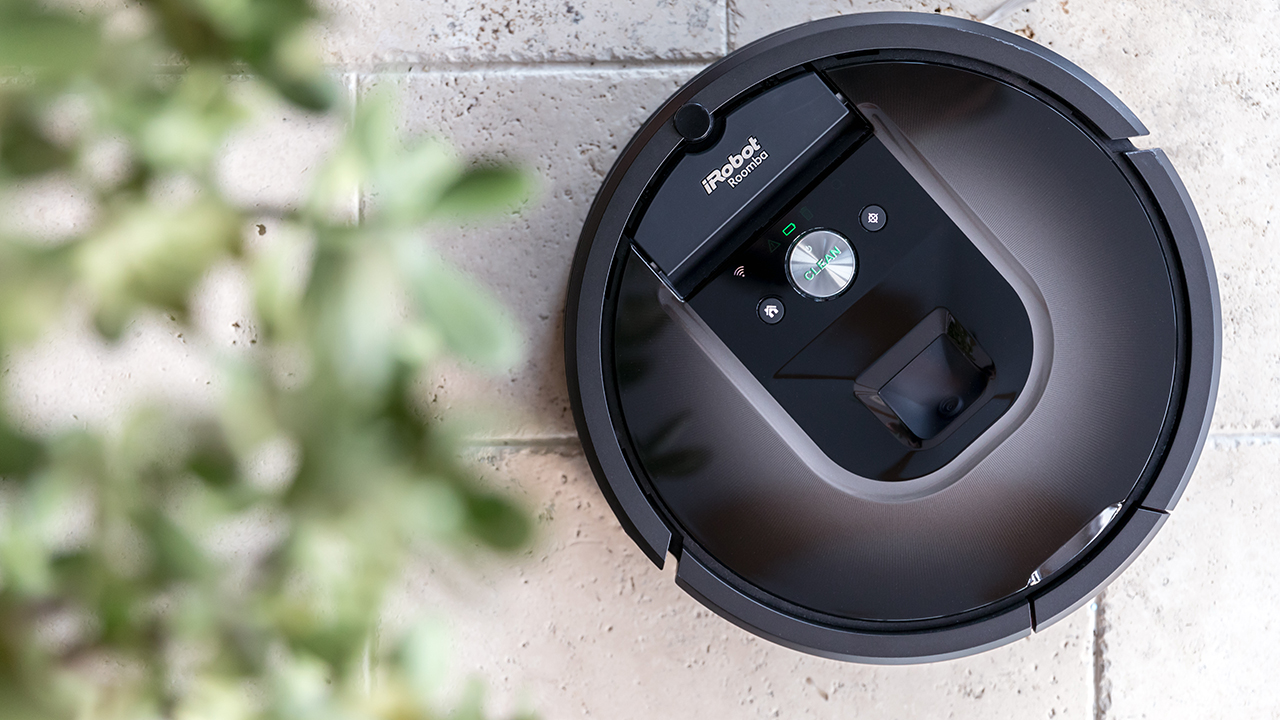
The U.S. Federal Communications Commission (FCC) has implemented an immediate ban on new equipment authorizations for foreign-made robotic vacuums, classifying them as national security risks due to embedded AI, autonomous navigation, and wireless connectivity (Bluetooth, Wi-Fi, cellular). This policy directly impacts iRobot (Roomba), SharkNinja (Shark), Dyson (360 series), Samsung (Jet Bot), and LG (CordZero) — devices weighing over 4.4 pounds with firmware-powered autonomous systems. The restriction targets newly authorized devices only; previously approved models already in US inventory can continue being sold, imported, and marketed without immediate disruption.
For cross-border e-commerce sellers, this creates a critical bifurcation: Sellers currently holding stock of pre-authorization models (Roomba j7+, Shark IQ, Dyson 360 Vis Nav, Samsung Jet Bot+, LG CordZero) face a temporary competitive advantage window of 3-6 months before inventory depletion. However, new product launches and model updates from major manufacturers will require FCC compliance review, extending time-to-market by 4-12 weeks. This policy signals broader US government scrutiny of IoT devices with autonomous capabilities, suggesting future restrictions on robot mops, autonomous lawn mowers, and connected home security systems.
Tariff and sourcing implications: The ban effectively creates a tariff-equivalent barrier for new models, as manufacturers must now pursue expensive FCC certification pathways or redesign products to remove wireless connectivity. This shifts competitive advantage toward: (1) sellers with deep legacy inventory of pre-2024 models; (2) domestic US manufacturers (if any exist); (3) sellers pivoting to non-connected alternatives (manual/corded vacuums, traditional upright models). Vietnam, Malaysia, and Indonesia-based manufacturers lose market access for new products, while Chinese OEM suppliers face certification delays. Sellers should immediately audit inventory authorization dates, secure additional stock of compliant models before depletion, and monitor FCC guidance for potential exemptions or expedited pathways. The 4-12 week compliance review timeline creates a 90-day window where new model availability becomes severely constrained, potentially driving 15-25% price premiums on legacy stock.
Questions 7
What is the timeline for FCC certification of new robotic vacuum models?
The FCC compliance review process for newly designed robotic vacuums typically requires 4-12 weeks, depending on the complexity of wireless components and autonomous navigation systems. Manufacturers must submit detailed technical documentation, cybersecurity assessments, and firmware specifications for review. This timeline effectively delays new model launches by 1-3 months compared to pre-ban procedures. Sellers should expect new Roomba, Shark, Dyson, Samsung, and LG models to face extended time-to-market. Manufacturers may pursue expedited pathways or design modifications (removing wireless connectivity) to accelerate approval, but these alternatives carry higher development costs and may compromise product functionality.
Which countries' robotic vacuum manufacturers are most affected by the FCC ban?
Vietnam, Malaysia, Indonesia, and China-based manufacturers face the most significant impact, as these regions produce the majority of robotic vacuums for US distribution. iRobot (now owned by Shenzhen Picea Robotics), SharkNinja, Dyson, Samsung, and LG all concentrate production in Southeast Asia and China. The ban creates a tariff-equivalent barrier for new models, shifting competitive advantage toward sellers with deep legacy inventory. Domestic US manufacturers (if any exist) gain temporary market protection. Sellers sourcing from Vietnam and Malaysia should expect 4-12 week delays for new product approvals, while Chinese OEM suppliers face additional certification complexity.