



Lettuce Crisis Drives Alternative Greens Demand | Seller Sourcing Opportunity
- Parasite contamination + 30%+ price increases force restaurants to substitute greens; sellers can capitalize on demand for spinach, kale, arugula alternatives across food service and meal-kit channels









Overview
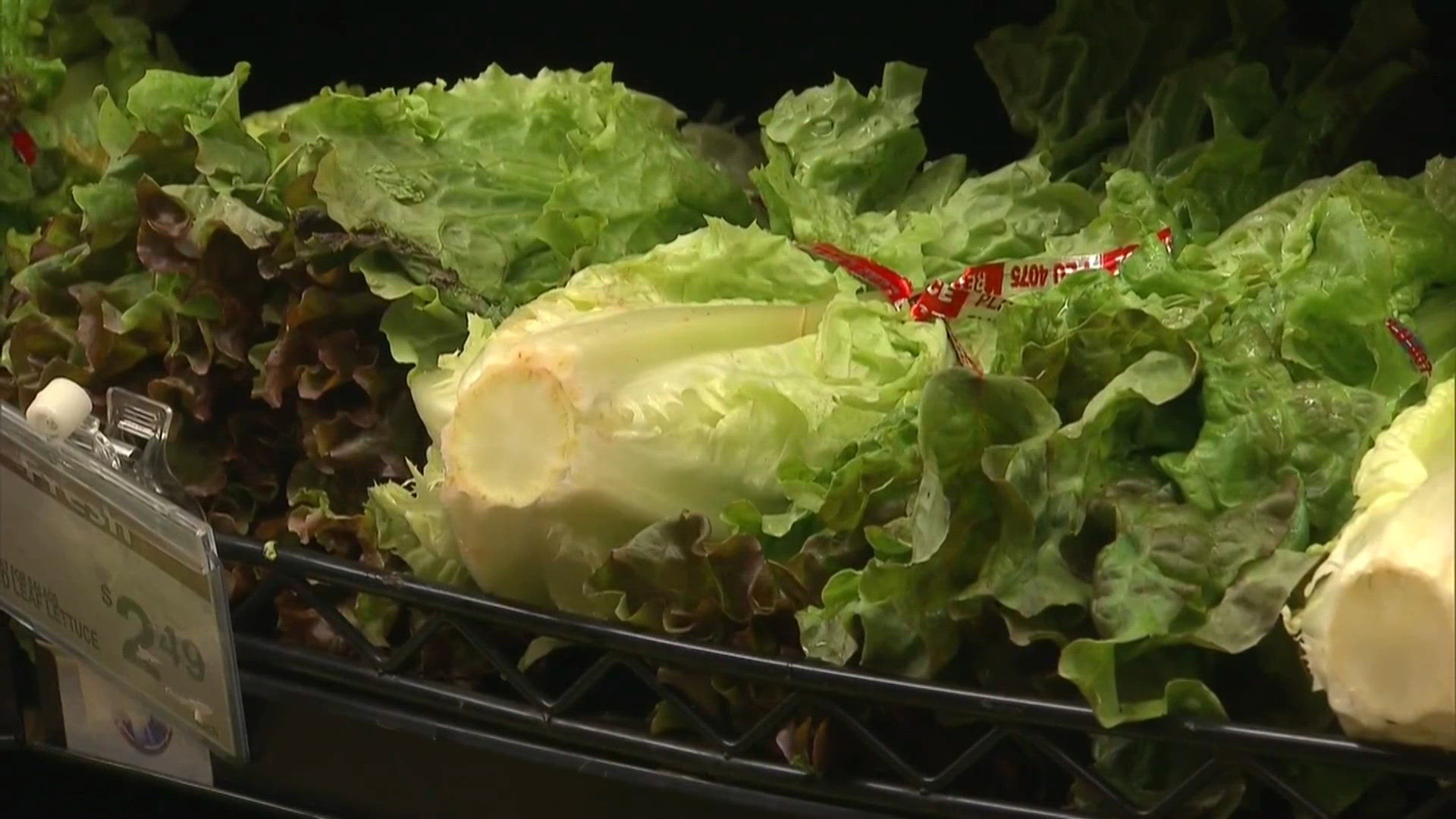
The U.S. lettuce supply crisis—driven by parasite contamination and elevated prices significantly above historical averages—is creating a cascading supply chain disruption that extends far beyond restaurant kitchens into the broader food commerce ecosystem. The dual pressure of food safety concerns and cost inflation is forcing restaurants to implement stricter supplier audits, traceability systems, and quality verification protocols, while simultaneously driving menu substitutions toward alternative greens like spinach, kale, and arugula.
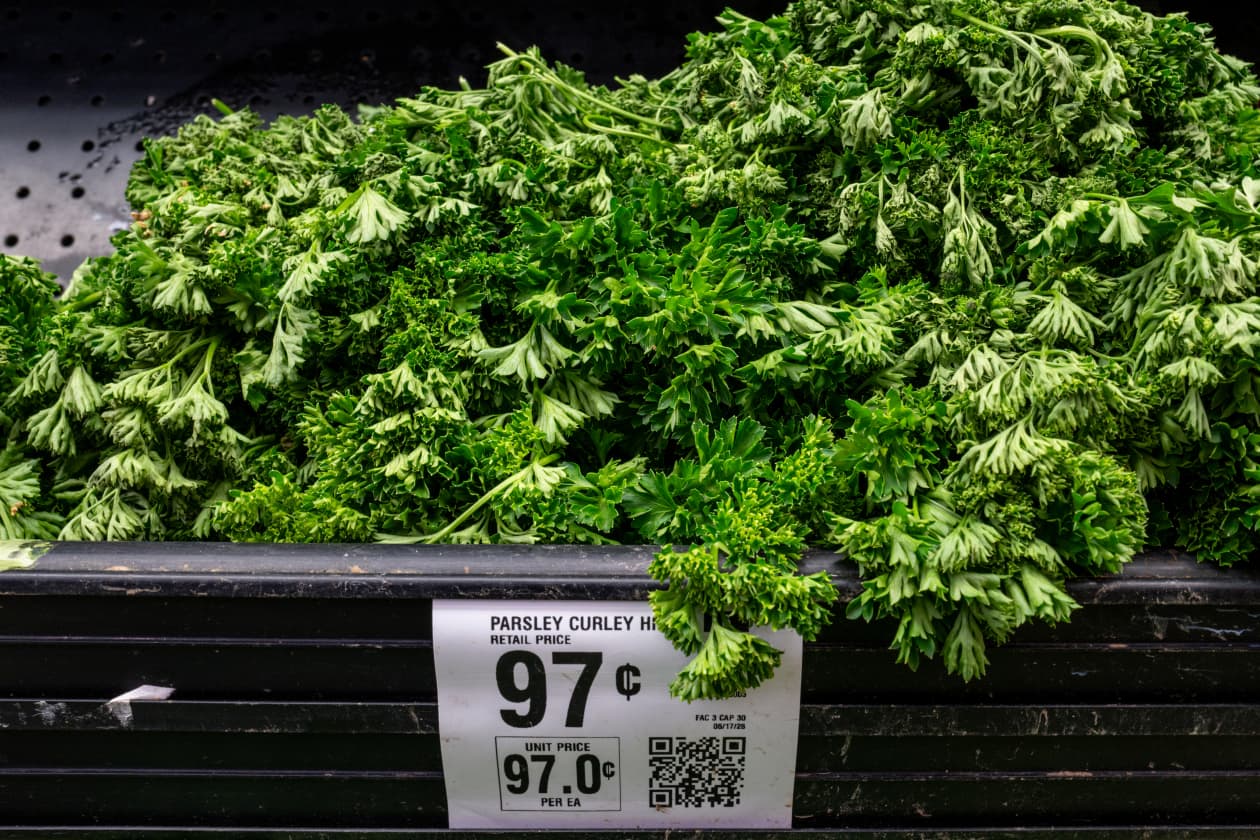
For cross-border sellers and logistics operators, this crisis presents three immediate opportunities: First, alternative produce sourcing becomes strategically valuable. Sellers specializing in packaged salad mixes, pre-cut greens, and organic alternatives can capture market share from restaurants reducing traditional lettuce orders. Suppliers from Mexico, California, and Arizona—which typically provide 80%+ of U.S. winter lettuce—face contamination scrutiny, creating openings for verified suppliers from Canada, Chile, and Peru to establish relationships with food service distributors and meal-kit companies. Second, food safety compliance infrastructure is now a competitive advantage. Restaurants implementing enhanced traceability systems, blockchain-based supplier verification, and third-party testing protocols require logistics partners offering certified cold chain management, temperature-controlled warehousing, and documented handling procedures. Third, inventory repositioning is urgent. Food service distributors must liquidate excess lettuce inventory while simultaneously building stock of substitute greens—spinach, kale, mixed greens, arugula—creating short-term demand spikes for regional suppliers and 3PL providers with capacity in produce-focused cold storage facilities.
The operational impact is substantial: Restaurants face 20-40% cost increases for verified-safe lettuce sources, forcing menu price increases or margin compression. This drives accelerated adoption of pre-packaged salad alternatives, meal-kit delivery services, and direct-to-consumer produce subscriptions—all channels where cross-border sellers and logistics providers can establish supply relationships. The contamination risk also necessitates enhanced documentation, supplier audits, and compliance verification, adding 5-10 business days to procurement cycles and increasing administrative burden on food service procurement departments. For sellers, this means opportunities in food safety certification services, traceability software integration, and logistics partnerships with FSMA-compliant cold storage providers. The crisis exemplifies how agricultural disruptions cascade through supply chains, creating both risk and opportunity for sellers positioned to provide verified, alternative sourcing solutions.
Questions 7
Which produce categories should sellers stock to capitalize on this crisis?
Industry data shows restaurants substituting lettuce with spinach (35% of salad replacements), mixed greens (28%), kale (18%), and arugula (12%) based on menu modification patterns during similar supply disruptions. Sellers should prioritize pre-cut, packaged formats—which command 15-25% price premiums over bulk produce—and organic certifications, which restaurants prefer for food safety positioning. Meal-kit companies are accelerating orders for spinach and mixed greens to replace lettuce-heavy recipes. Sellers should stock 60-90 days of inventory in regional cold storage facilities (California, Texas, Illinois) before Q2, when restaurant demand typically peaks and lettuce prices remain elevated.
What logistics advantages exist for sellers during this produce crisis?
Sellers with FSMA-compliant cold storage facilities, temperature-controlled transportation, and documented traceability systems can command 8-12% logistics premiums over standard 3PL providers. The contamination crisis has created urgent demand for verified cold chain management—restaurants now require temperature logs, handling documentation, and third-party testing certificates. Sellers should position inventory in regional distribution hubs (Los Angeles, Phoenix, Dallas, Chicago) to reduce delivery times from 7-10 days to 2-3 days, capturing market share from competitors with longer supply chains. Logistics providers offering blockchain-based traceability integration can differentiate and justify premium pricing to food service distributors managing compliance risk.