


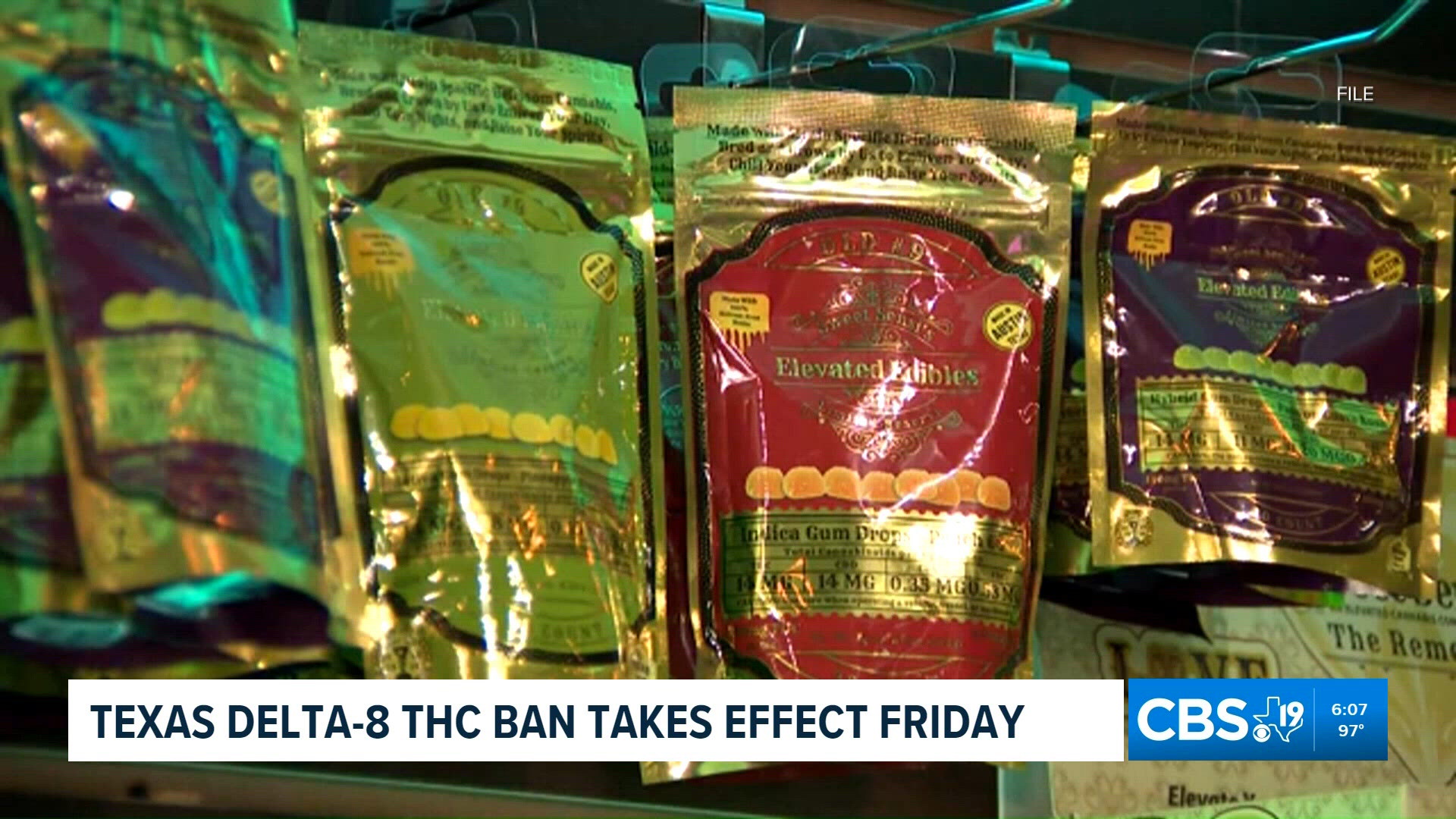

Texas THC Ban Eliminates 60-90% of Market | Compliance Moat for Delta-9 Sellers
- Removes delta-8, delta-10, THCP products from 14,000+ retailers; delta-9 (≤0.3% THC) remains legal; creates high-barrier compliance opportunity for compliant sellers






Overview
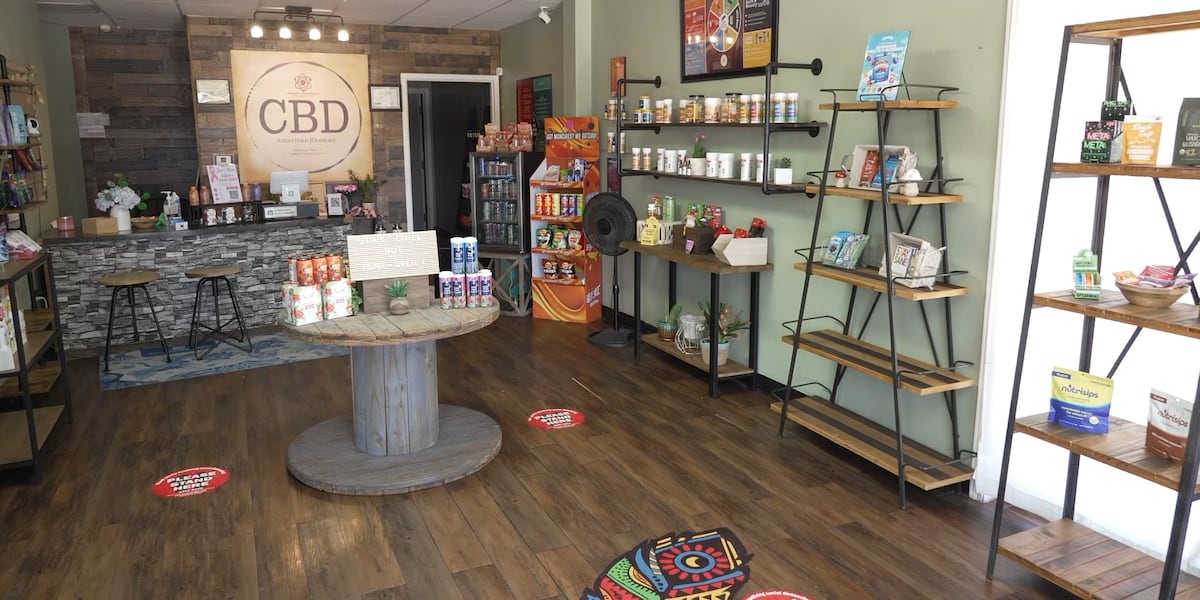
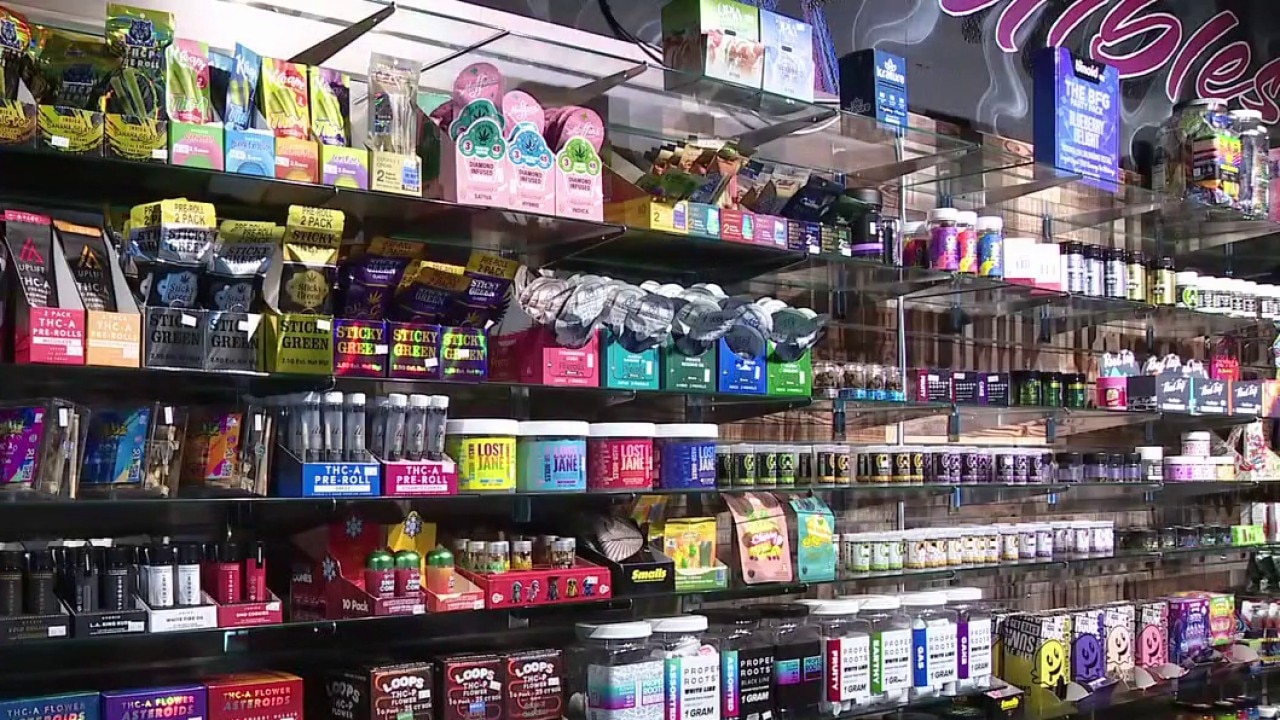
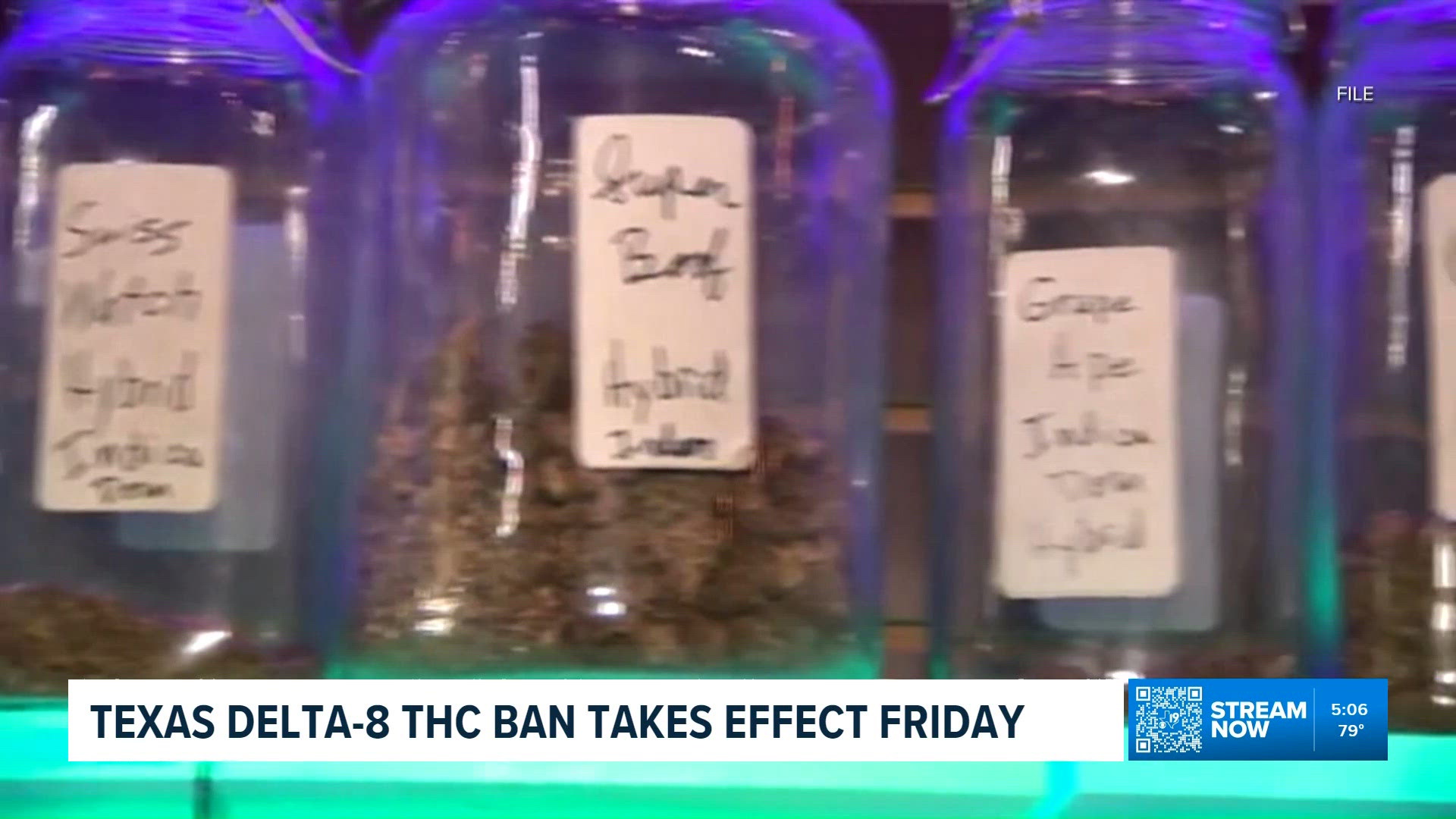
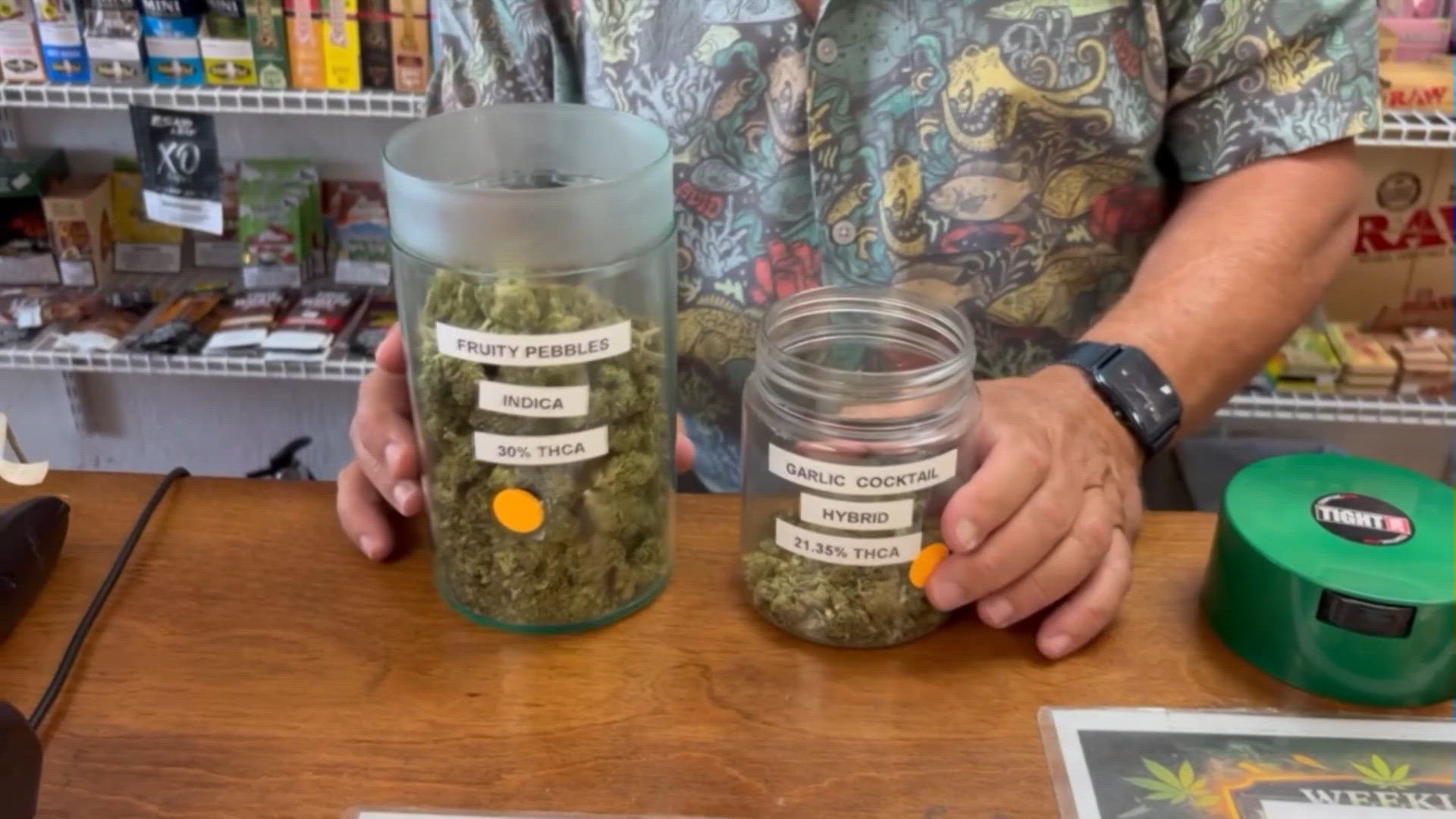
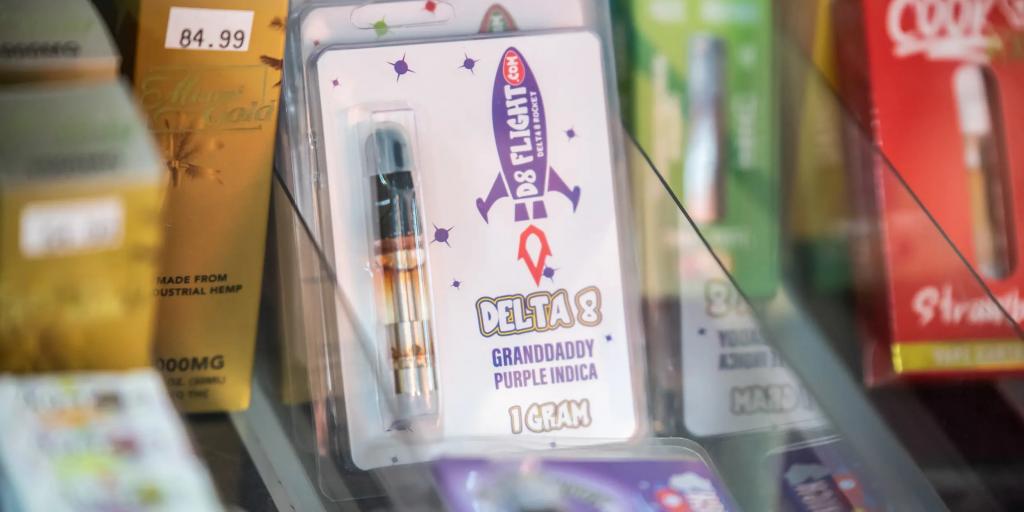
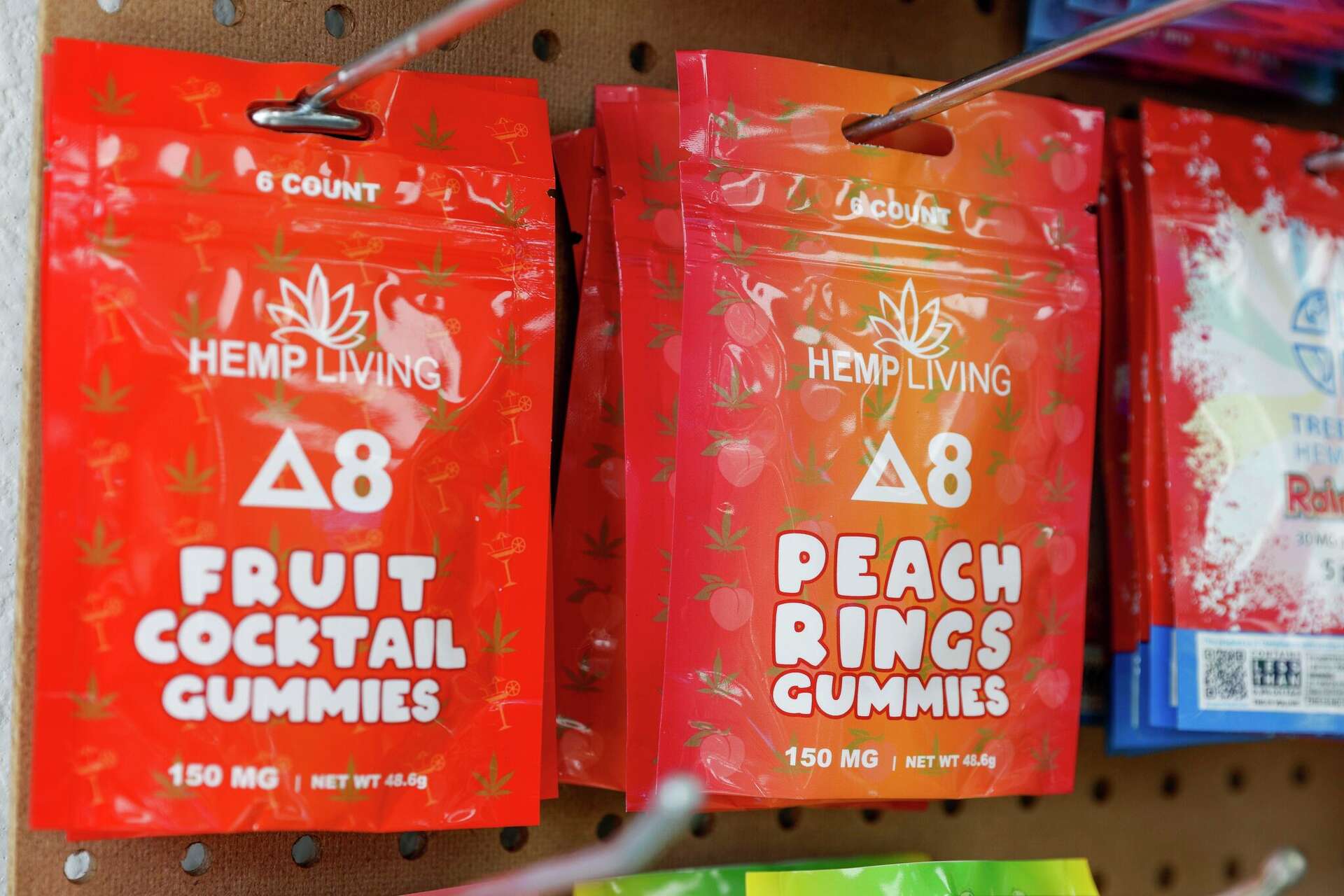
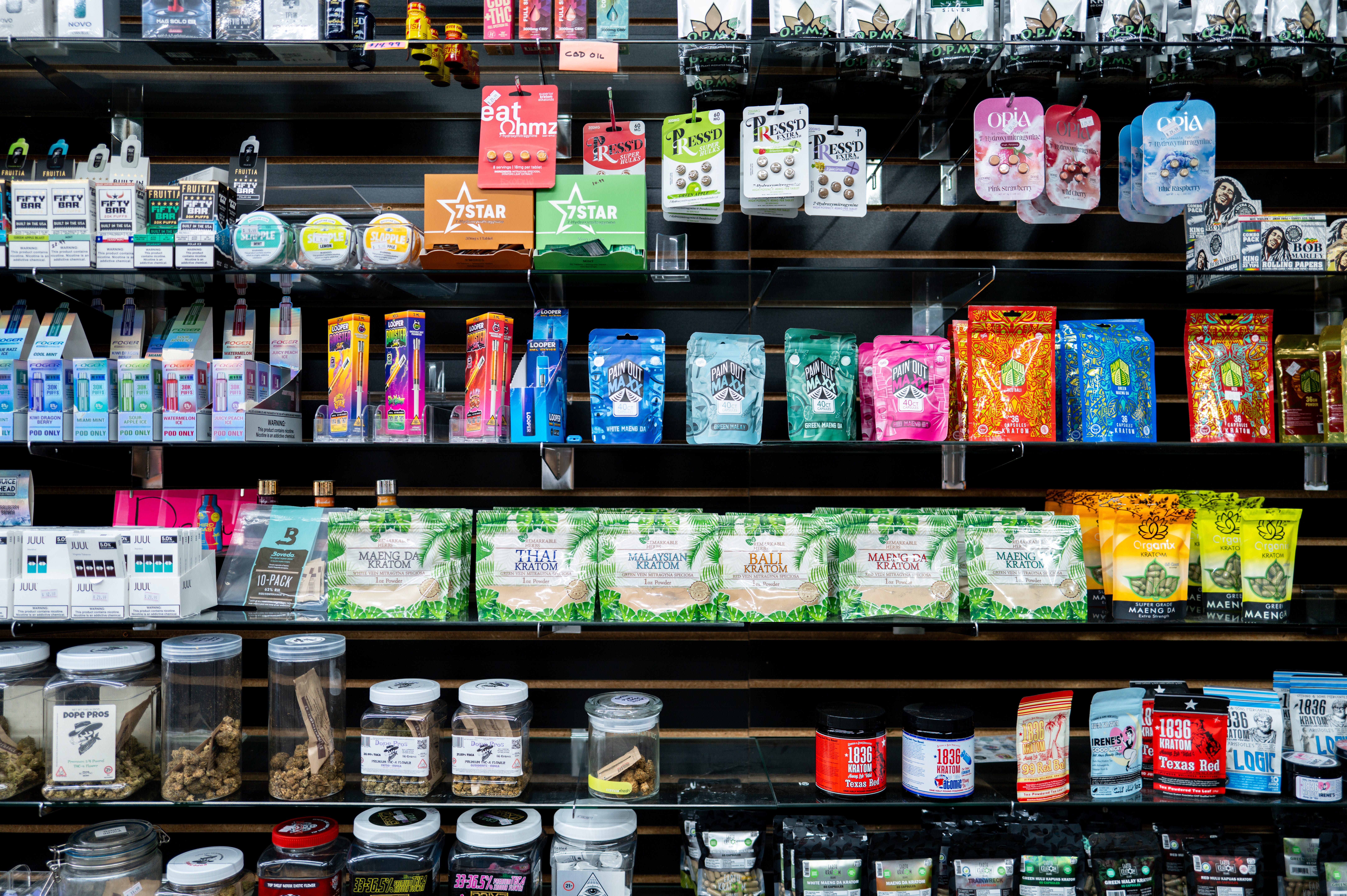
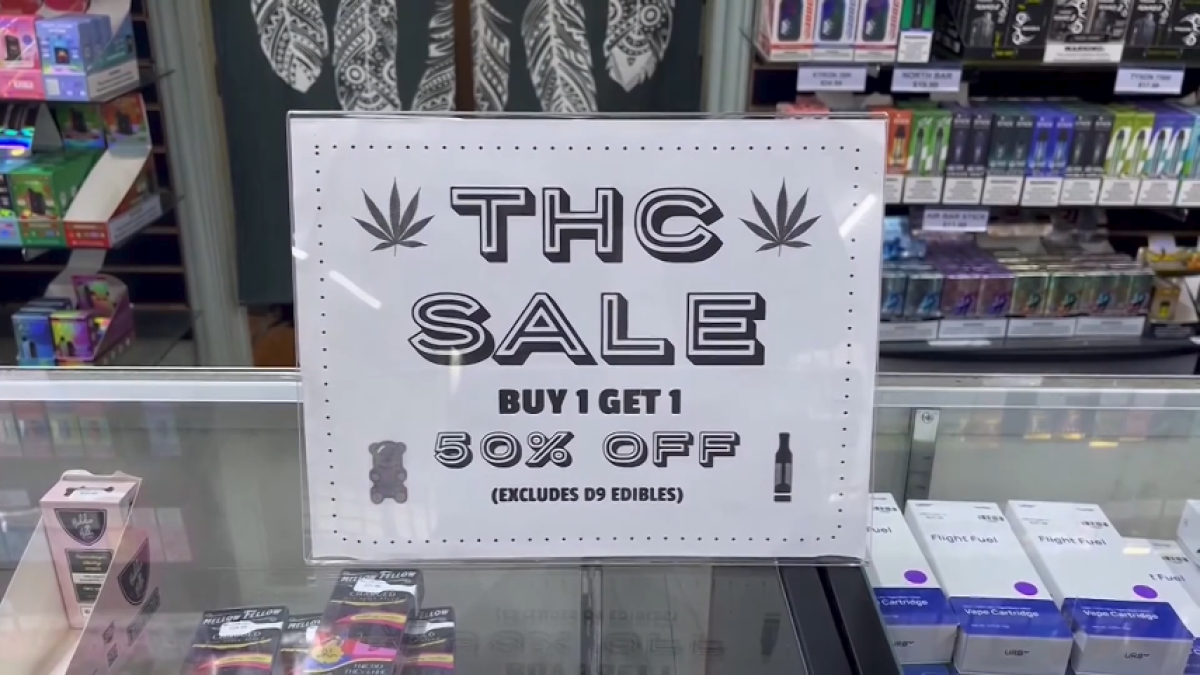
Texas is executing a regulatory elimination of synthetic cannabinoids effective July 31, 2025, banning delta-8, delta-10, THCP, and THCA flower products across the state following a Texas Supreme Court decision in May 2025 that reclassified these synthetics as Schedule I controlled substances. This represents a critical compliance-driven market consolidation event affecting 14,000+ licensed retailers and approximately 514,000 consumable hemp retailers statewide. The ban removes an estimated 60-90% of THC products from retail shelves, creating a high-barrier compliance moat for sellers of compliant delta-9 products (≤0.3% THC by dry weight), which remain legal under the federal 2018 Farm Bill definition.
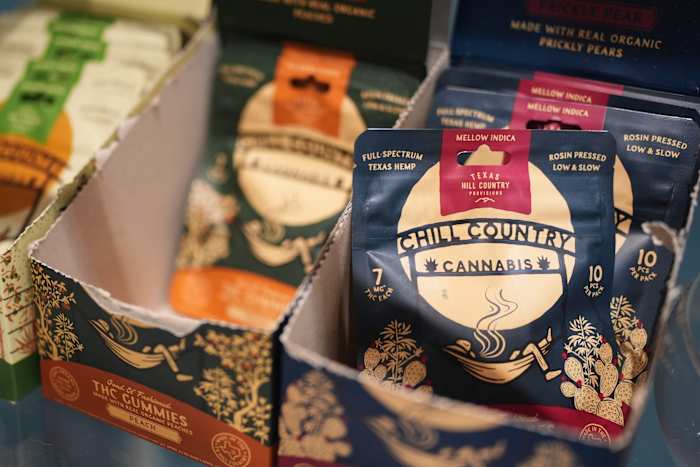
The compliance barrier is severe and creates immediate market consolidation. Possession of banned products constitutes a state jail felony (180 days to 2 years imprisonment, $10,000 fines), forcing immediate inventory liquidation for non-compliant sellers. Business owners anticipate 25-50% sales declines across the board, with delta-8-dependent retailers facing 75-90% inventory losses. The Texas Hemp Business Council issued immediate cease-and-desist warnings, signaling rapid enforcement. This creates a two-tier market: compliant delta-9 edibles/gummies/beverages (legal, lower potency, higher compliance cost) versus banned synthetic products (illegal, high potency, zero legal distribution channels). Sellers with compliant delta-9 product lines and existing retail relationships can capture market share from eliminated competitors—estimated 60-90% of current inventory will be removed from legal channels.
Compliance cost and timeline create a defensible moat for prepared sellers. Sellers must reformulate products to meet ≤0.3% delta-9 THC specifications, obtain third-party lab testing (typically $300-800 per SKU), and secure state compliance documentation. The July 31 deadline provides 6 months for reformulation and testing—a tight window that eliminates sellers without existing compliance infrastructure. Sellers with pre-existing delta-9 product lines, established lab relationships, and retail distribution networks face minimal switching costs, while delta-8 specialists must either exit or rebuild entire product portfolios. The Texas market represents a $1B+ annual THC category; compliant delta-9 sellers can capture 30-50% of this through retail consolidation as non-compliant competitors close. Two lawsuits are pending, but the Texas Supreme Court's May 2025 decision provides strong legal precedent, making compliance the only viable path forward.
Market elimination creates secondary opportunities in adjacent categories. Industry advocates warn the ban will push consumers toward unregulated markets, but compliant sellers can capture this demand through legal channels. Sellers should prioritize: (1) reformulating delta-8 product lines to compliant delta-9 specifications with third-party testing; (2) securing retail shelf space from closing competitors; (3) developing consumer education content around legal delta-9 products to recapture banned-product users. The regulatory action reflects broader legislative momentum—Republican lawmakers continue pushing for comprehensive consumable THC bans, suggesting Texas is a leading indicator for other states. Sellers should monitor similar regulatory movements in Florida, Georgia, and other states with active hemp markets.
Questions 8
Which other states are likely to follow Texas's delta-8 ban, and how should sellers prepare?
Republican lawmakers in multiple states are pushing for similar restrictions on synthetic cannabinoids. Governor Greg Abbott previously vetoed a comprehensive ban on consumable THC products in 2024, but the Texas Supreme Court's May 2025 ruling suggests state health officials have authority to classify synthetics independently. Lieutenant Governor Dan Patrick requested a legislative study on health impacts before the next session, indicating broader regulatory momentum. Sellers should monitor regulatory developments in Florida, Georgia, North Carolina, and other states with active hemp markets. Preparation strategy: (1) Develop compliant delta-9 product lines now to establish market position before other states ban synthetics; (2) Build relationships with state health departments and compliance consultants; (3) Invest in third-party lab certifications that meet multiple state standards; (4) Create consumer education content around legal delta-9 products to capture demand from banned-product users. Early movers in delta-9 compliance will capture market share as other states follow Texas's regulatory path.
How can sellers capture market share from competitors forced to close due to the ban?
Sellers can capture market share through: (1) Securing retail shelf space from closing competitors—contact store managers directly to offer compliant delta-9 products as replacement inventory; (2) Acquiring competitor inventory at liquidation prices (typically 30-50% discount) and rebranding for compliant delta-9 lines; (3) Developing consumer education campaigns targeting banned-product users, emphasizing legal delta-9 alternatives; (4) Expanding distribution to retailers losing delta-8 suppliers; (5) Offering wholesale pricing incentives (5-10% discounts) to retailers switching from banned suppliers. The Texas market represents $1B+ annual THC sales; compliant sellers can capture 30-50% of this through retail consolidation. Timeline: Begin outreach to retailers immediately (6 months before July 31 deadline) to secure shelf space before competitors liquidate. Sellers with existing retail relationships and compliant product lines should prioritize high-volume accounts first.