




GPU Price Surge 30% | E-Commerce Hardware Sellers Face Margin Compression Crisis
- Nvidia's third 2025 price increase (20-30%) compounds with Samsung DRAM hikes (20%), forcing electronics sellers to choose between margin erosion or demand destruction across gaming, computing, and AI-adjacent categories















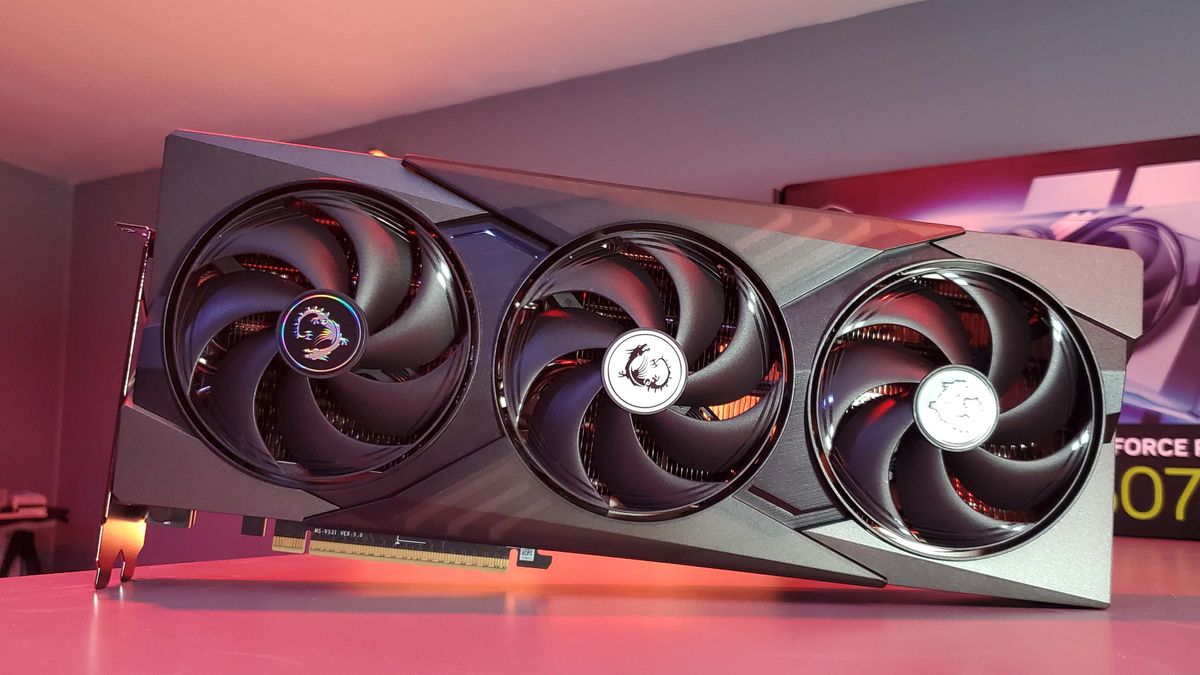
Overview
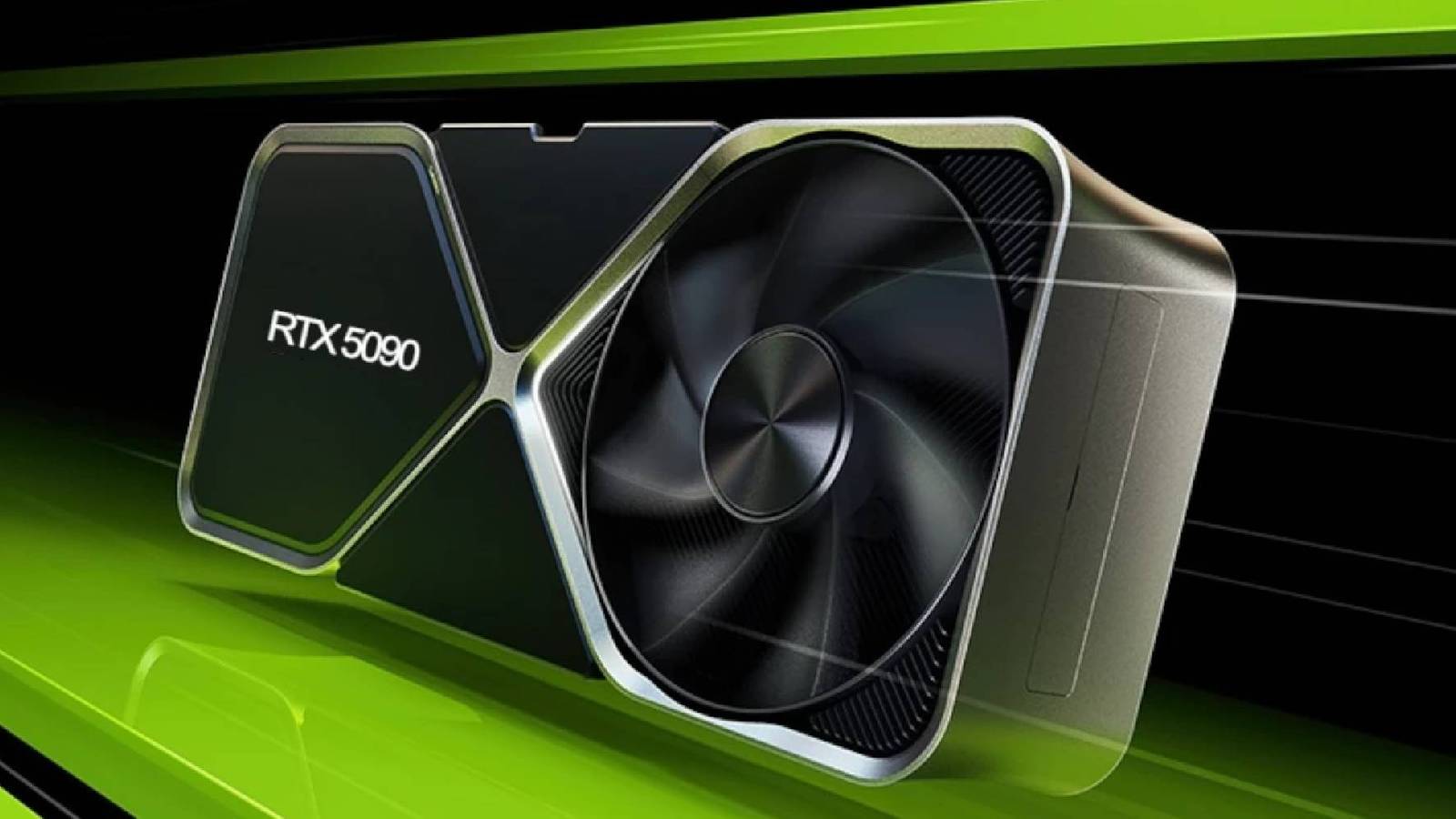
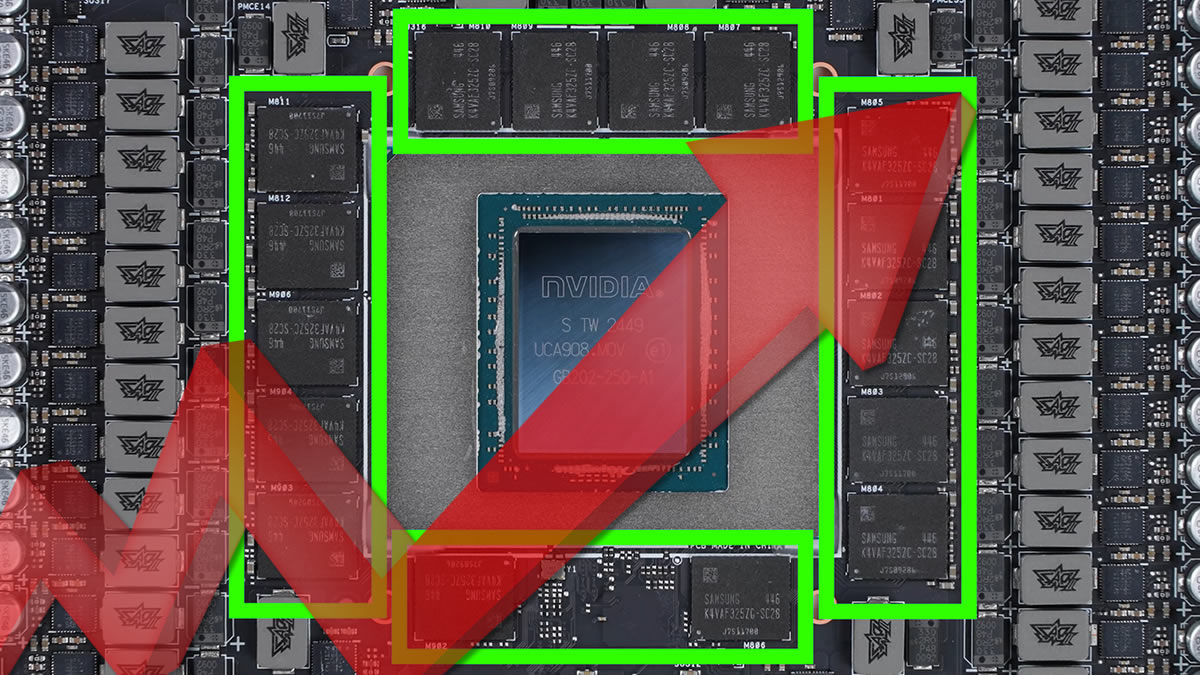
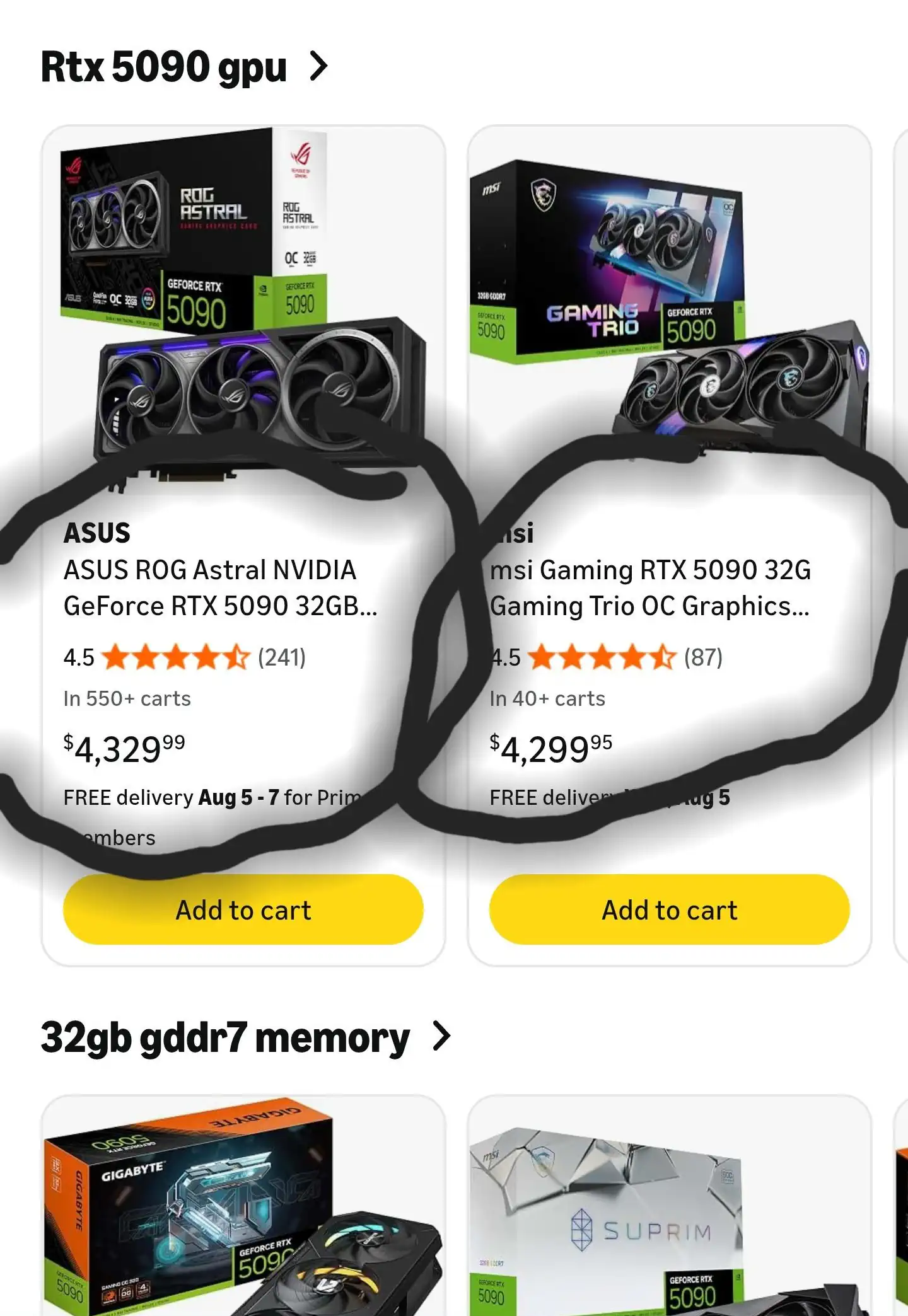
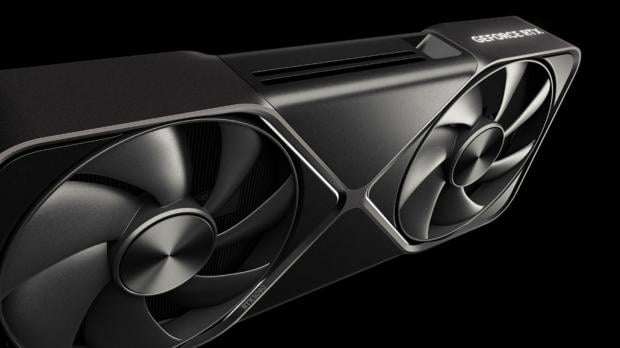
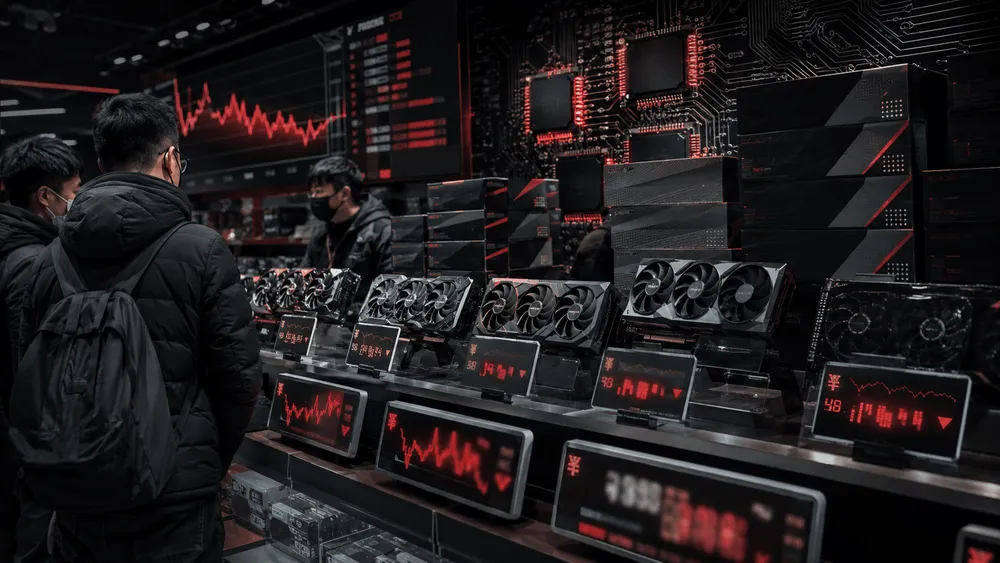
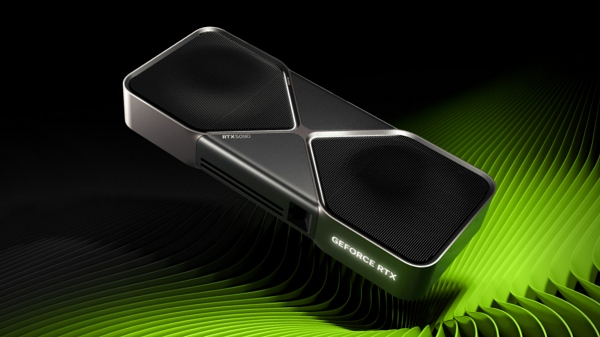
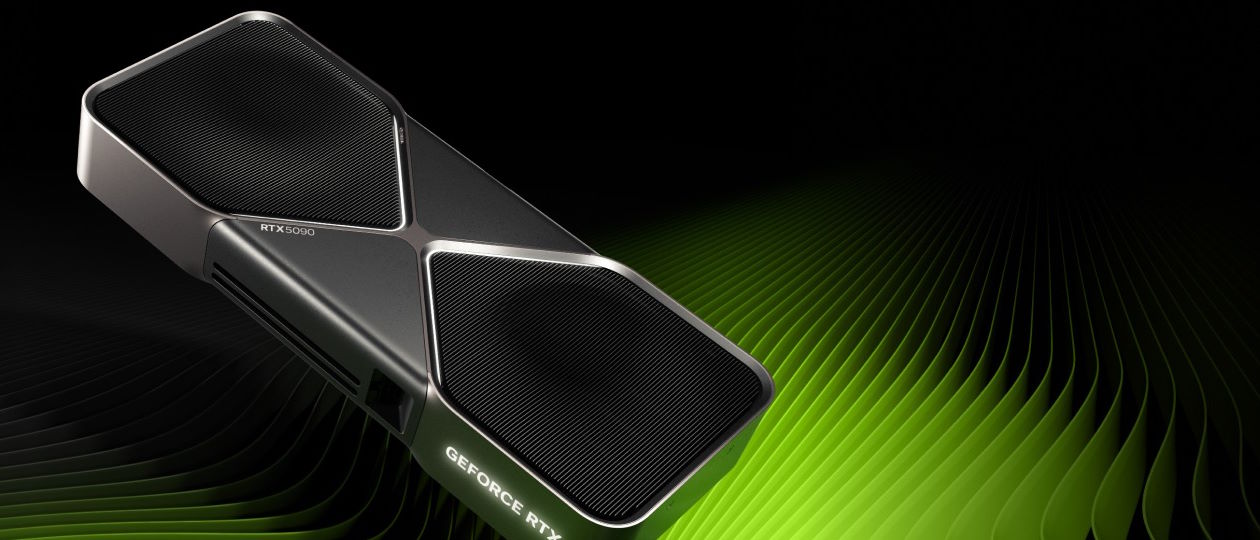
Nvidia's third GPU price increase of 2025—raising prices 20-30% across its product lineup—creates a cascading cost crisis for e-commerce sellers in electronics, gaming, and computing categories. The Taiwan Economic Daily reports this follows a May 2025 hike targeting high-end RTX 5090 models, with a January 2025 forecast predicting sustained increases through 2026 now proving accurate. Simultaneously, Samsung is raising DRAM prices ~20%, compounding wholesale cost pressures throughout the PC hardware supply chain. Chinese e-commerce platforms are already reluctant to maintain inventory, anticipating further increases.
For electronics sellers on Amazon, eBay, and Shopify, this creates an immediate margin compression crisis. Gaming console manufacturers (Xbox Series X/S, PlayStation 5) have raised prices throughout 2024-2025, signaling that retail price increases are becoming normalized. However, PC retailers face a critical timing problem: wholesale costs are rising 20-30% faster than retail pricing can adjust without triggering demand destruction. Sellers holding inventory purchased at pre-hike prices face a 2-4 week window to liquidate before replacement stock arrives at 20-30% higher costs. This creates a "margin cliff"—early inventory becomes profitable, but restocking at new wholesale prices compresses margins by 8-15% unless retail prices increase proportionally.
The structural driver is unprecedented GPU demand from generative AI adoption. Data center and AI training demand for Nvidia's high-performance chips cascades through consumer markets, affecting gaming and professional computing segments. This supply-demand imbalance shows no relief in the near term—each successive quarter brings new increases rather than stabilization. For sellers, this means: (1) Gaming peripherals and accessories (monitors, keyboards, cooling solutions) may see demand spikes as consumers delay GPU/console purchases but upgrade complementary gear; (2) Refurbished and used GPU markets will see price appreciation, creating arbitrage opportunities; (3) Alternative computing solutions (cloud gaming subscriptions, lower-spec gaming laptops) may capture price-sensitive demand; (4) AI-adjacent products (cooling systems, power supplies rated for high-end GPUs) face increased demand from enthusiasts building AI workstations.
Immediate seller actions: Audit current GPU/console inventory costs vs. current retail pricing to quantify margin exposure. For sellers with 500+ units in stock, consider accelerated liquidation of pre-hike inventory within 14 days to lock in margins before replacement stock arrives. Monitor competitor pricing on Amazon Buy Box and eBay completed listings to identify pricing elasticity—test 5-10% retail price increases on high-margin SKUs to measure demand sensitivity. For sellers without inventory, delay restocking 2-3 weeks to avoid purchasing at peak wholesale prices; use this window to source alternative products (gaming accessories, refurbished units, cloud gaming bundles) that capture demand from price-constrained consumers. Implement dynamic pricing automation to adjust retail prices within 24 hours of wholesale cost changes, protecting margins without manual intervention.
Questions 8
Are gaming console prices also affected by this hardware crisis?
Yes, gaming console manufacturers including Xbox Series X/S and PlayStation 5 have raised prices throughout 2024-2025, signaling that retail price increases are becoming normalized across the gaming hardware market. This creates cumulative barriers for consumers attempting to upgrade computing systems or enter gaming with capable hardware. The cascading price increases across GPUs, consoles, and PC components suggest consumers will face affordability constraints, potentially shifting demand toward gaming accessories, refurbished units, and cloud gaming subscriptions.
What product categories should sellers focus on given the GPU price crisis?
Sellers should consider three strategic shifts: (1) Gaming peripherals and accessories (monitors, keyboards, cooling solutions) may see demand spikes as consumers delay GPU/console purchases but upgrade complementary gear; (2) Refurbished and used GPU markets will see price appreciation, creating arbitrage opportunities for sellers with sourcing capabilities; (3) Alternative computing solutions like cloud gaming subscriptions and lower-spec gaming laptops may capture price-sensitive demand. AI-adjacent products (cooling systems, power supplies rated for high-end GPUs) also face increased demand from enthusiasts building AI workstations.