




Rising Treasury Yields & Fed Credibility Crisis | Seller Financing Costs Jump 200-400 BPS
- 10-year yields hit 4.69%, 30-year at 5.21% (highest since 2007); inventory financing costs surge for cross-border sellers; USD strengthens, reducing international competitiveness


Overview
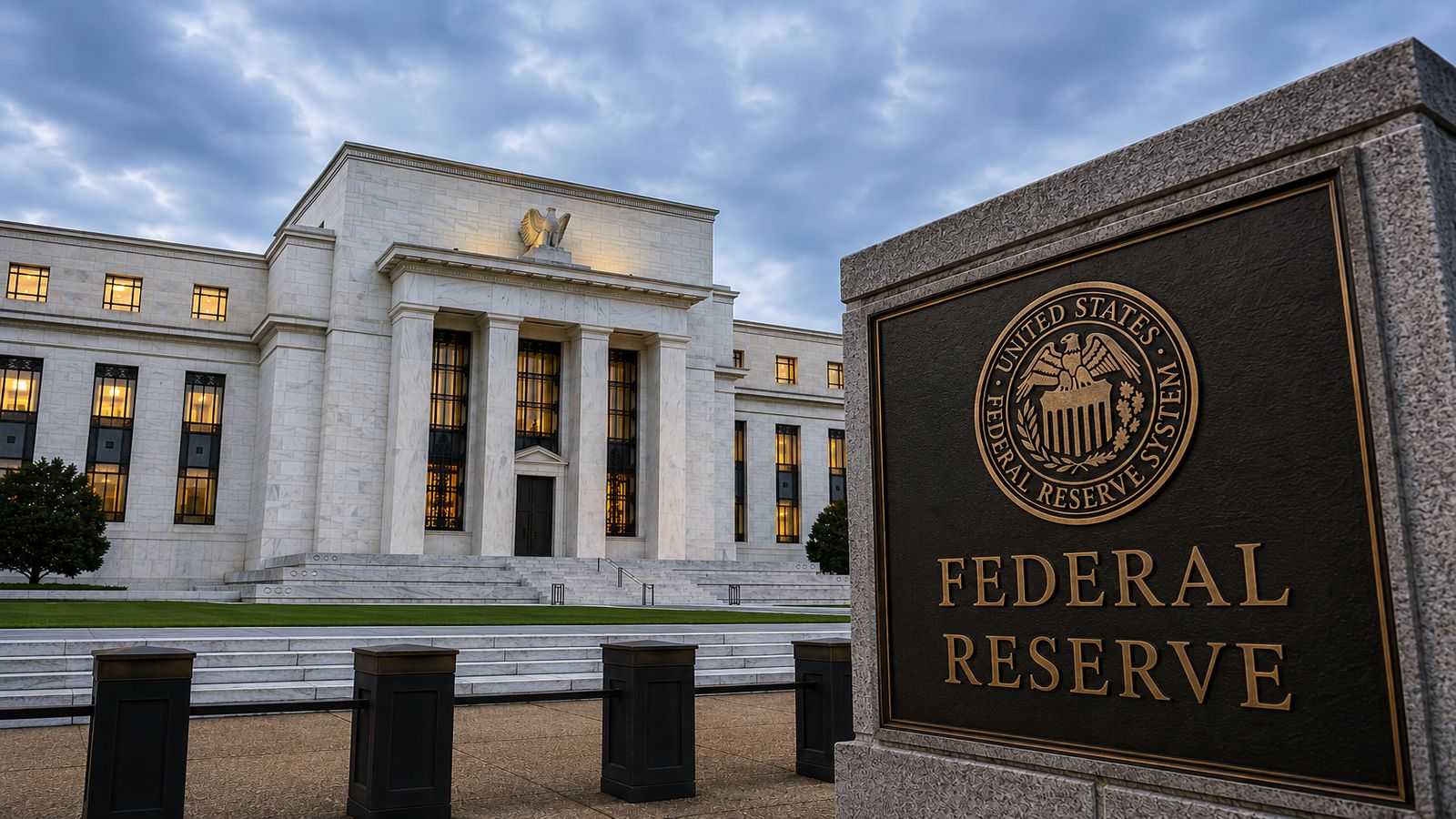
The Federal Reserve faces a critical credibility crisis following its January 2025 meeting, as bond markets signal deep skepticism about inflation-fighting commitment. Treasury yields surged dramatically—the 10-year yield jumped to 4.69% and the 30-year reached 5.21% (highest since 2007)—despite Fed Chairman Kevin Warsh's assurances of a "no soft inflation target" stance. The Dow Jones fell 1,100+ points (2.19%) in its worst day in over a year, reflecting broader market anxiety. This credibility shock directly translates to immediate cost pressures for cross-border e-commerce sellers relying on working capital financing.
For sellers, the financing impact is severe and immediate. Rising Treasury yields directly increase borrowing costs across all credit products: inventory financing APRs typically rise 200-400 basis points in yield-shock environments, translating to $2,000-$8,000 additional annual costs per $100K inventory financed. A seller with $500K in inventory financing now faces $10,000-$40,000 in incremental annual interest expense. Supply chain finance products (invoice factoring, PO financing) that price off Treasury yields are experiencing similar compression. The 10-year yield's rise to 4.69% directly influences mortgage rates (now 6.58%, highest in nearly a year), signaling lenders are tightening credit availability and raising rates across all business lending categories. JPMorgan Chase's revised rate-hike forecast to December 2025 indicates markets expect further tightening, suggesting financing costs will remain elevated through Q4 2025.
Currency and cash flow dynamics compound the financing crisis. Rising US Treasury yields strengthen the USD as foreign investors seek higher returns, reducing purchasing power for international customers and compressing margins for sellers exporting from Asia or Europe. The inflation uncertainty (News 3 highlights Fed's lack of forward guidance as of July 2026) creates currency volatility that increases hedging costs for cross-border transactions. Sellers face a dual squeeze: higher financing costs in USD-denominated loans plus FX headwinds that reduce international competitiveness. Geopolitical tensions (Washington-Tehran) and rising oil prices add inflationary pressure that monetary policy alone cannot address, suggesting sustained yield elevation. The market is pricing in a 57% probability of a September 2025 rate hike, indicating expectations for further Fed action that could push yields even higher through mid-2025.
Questions 8
Should I accelerate or delay international expansion given USD strength?
Delay major international expansion by 60-90 days until Fed policy clarity emerges (September 2025 rate decision will be critical). USD strength from rising Treasury yields makes US-based inventory more expensive for international customers, reducing competitiveness. If you must expand internationally now, focus on markets with strong local demand (EU, UK, Canada) rather than price-sensitive markets (Southeast Asia, Latin America) where USD strength significantly impacts affordability. Consider establishing local inventory in target markets through 3PL providers to avoid FX exposure and reduce shipping costs. For existing international operations, accelerate collections in foreign currencies and convert to USD quickly before further appreciation. Wait until Fed provides clearer forward guidance (expected by July 2026 based on News 3 timeline) before committing capital to new international warehouses or fulfillment centers.
How does Fed credibility loss affect consumer spending and demand?
Fed credibility crises typically reduce consumer confidence and discretionary spending within 4-8 weeks. When investors doubt the Fed's inflation-fighting ability, consumers anticipate higher future prices and reduce purchases of non-essential goods (electronics, apparel, home goods). The Dow Jones' 2.19% drop signals broader market anxiety that typically precedes consumer pullback. Rising mortgage rates (now 6.58%) reduce housing demand and consumer wealth, further suppressing discretionary spending. Sellers should expect 5-15% demand reduction in discretionary categories (beauty, electronics, home décor) over the next 60-90 days. Shift inventory mix toward essential categories (groceries, health/wellness, basics) that maintain demand during uncertainty. Monitor consumer sentiment indices (Conference Board, University of Michigan) weekly—if sentiment drops below 95, accelerate inventory clearance in discretionary categories to avoid markdowns.