




USD/JPY Intervention Surge | Cross-Border Sellers Face 3-5% Margin Compression
- Japan's coordinated yen-buying intervention (July 30-31, 2026) creates immediate FX headwinds for sellers sourcing from Japan; $8.1B trading volume signals sustained volatility through Q3







































Overview
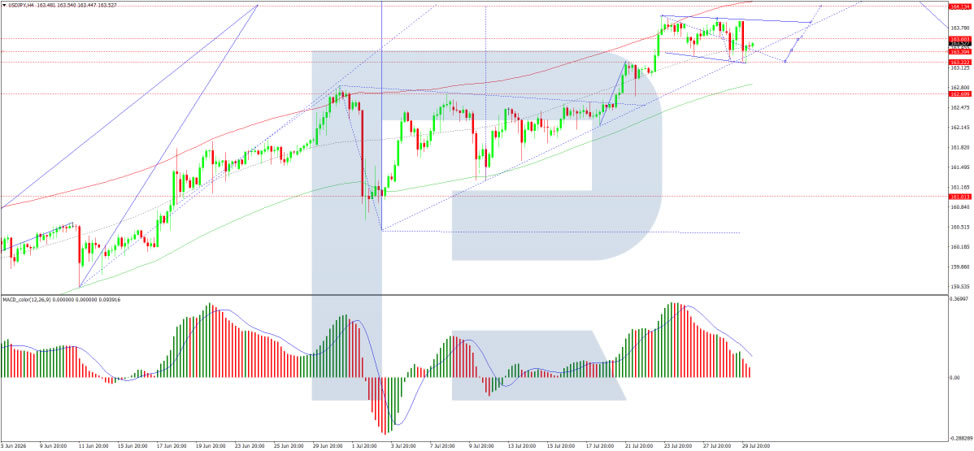
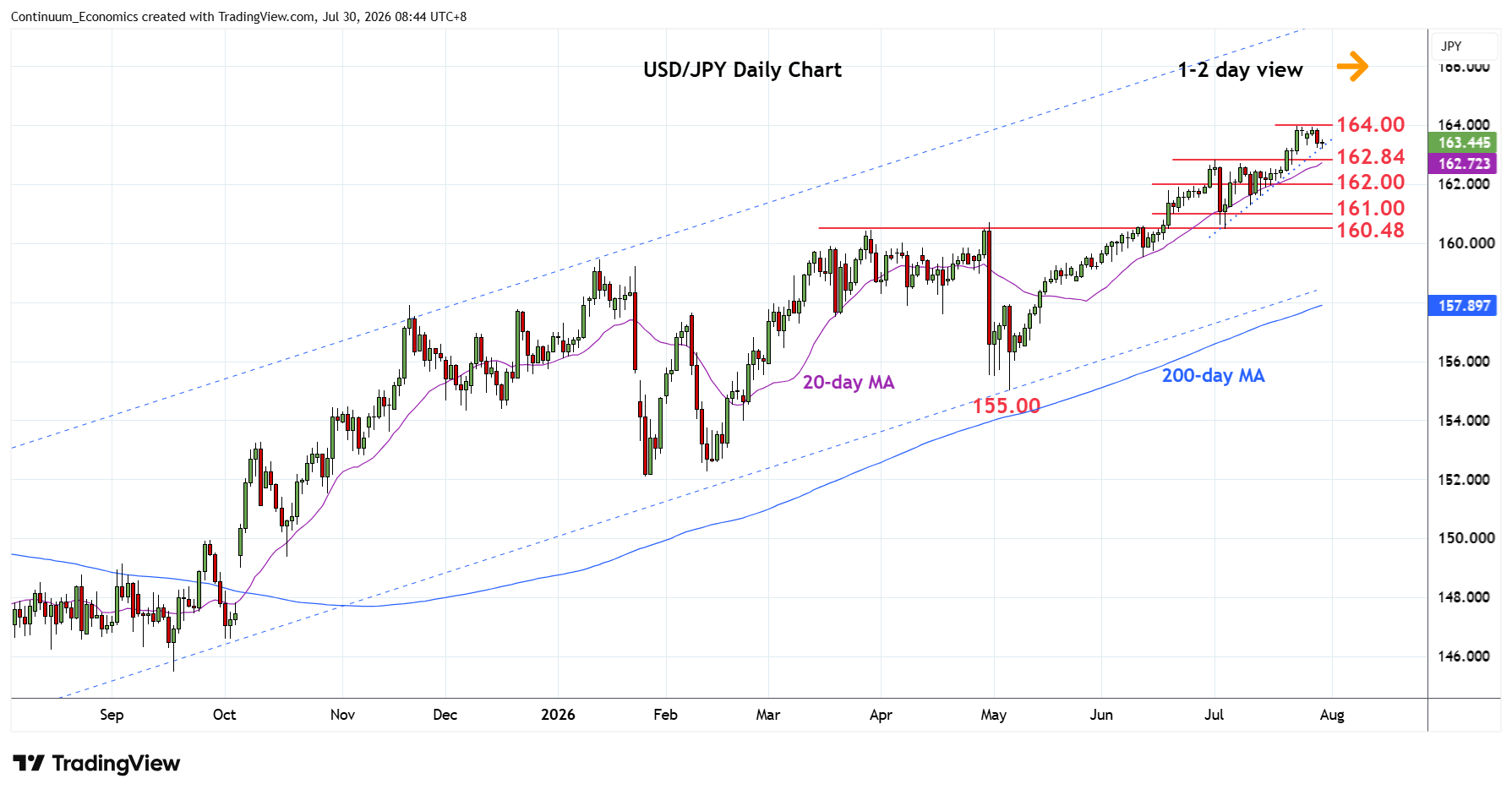
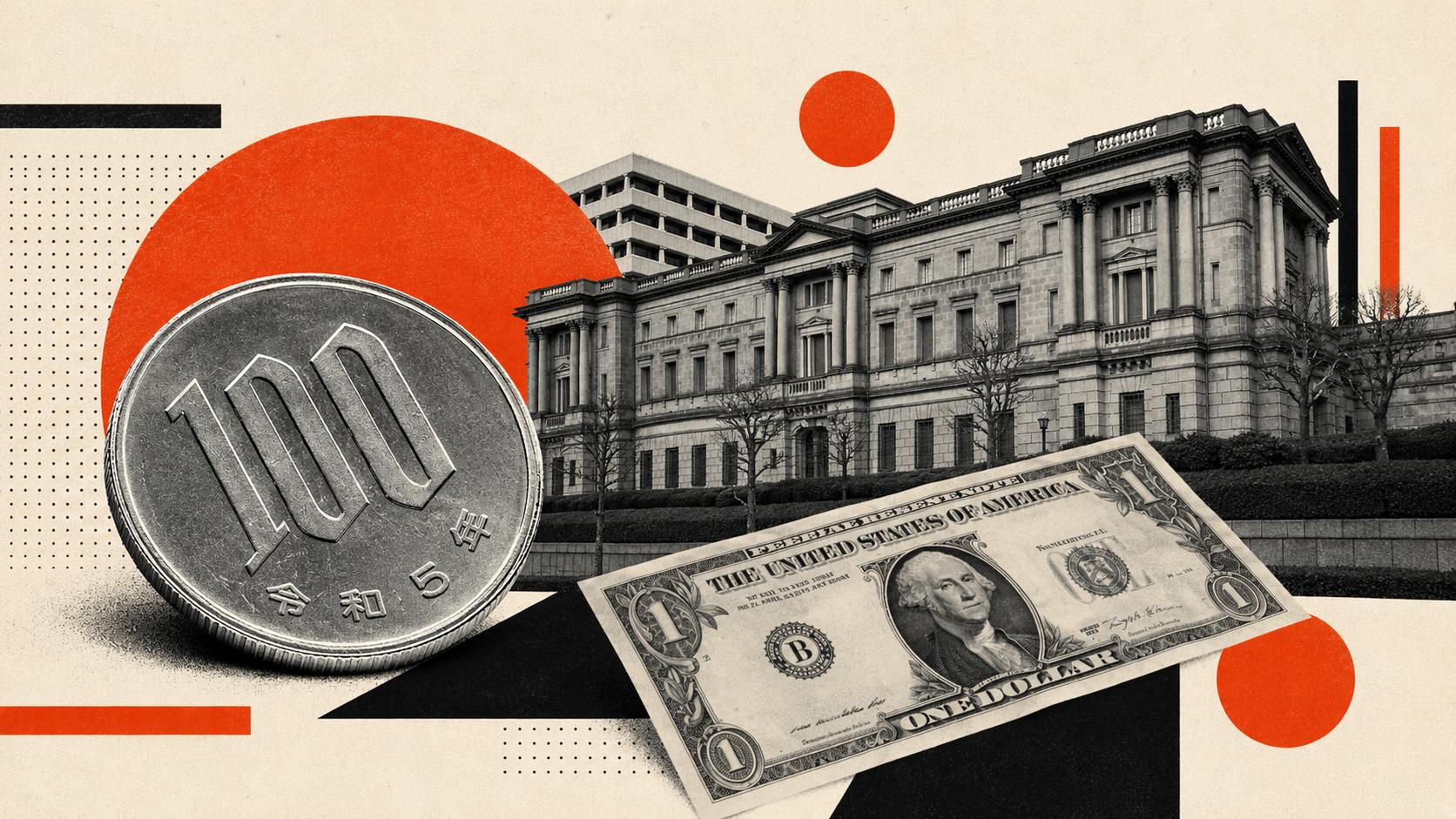
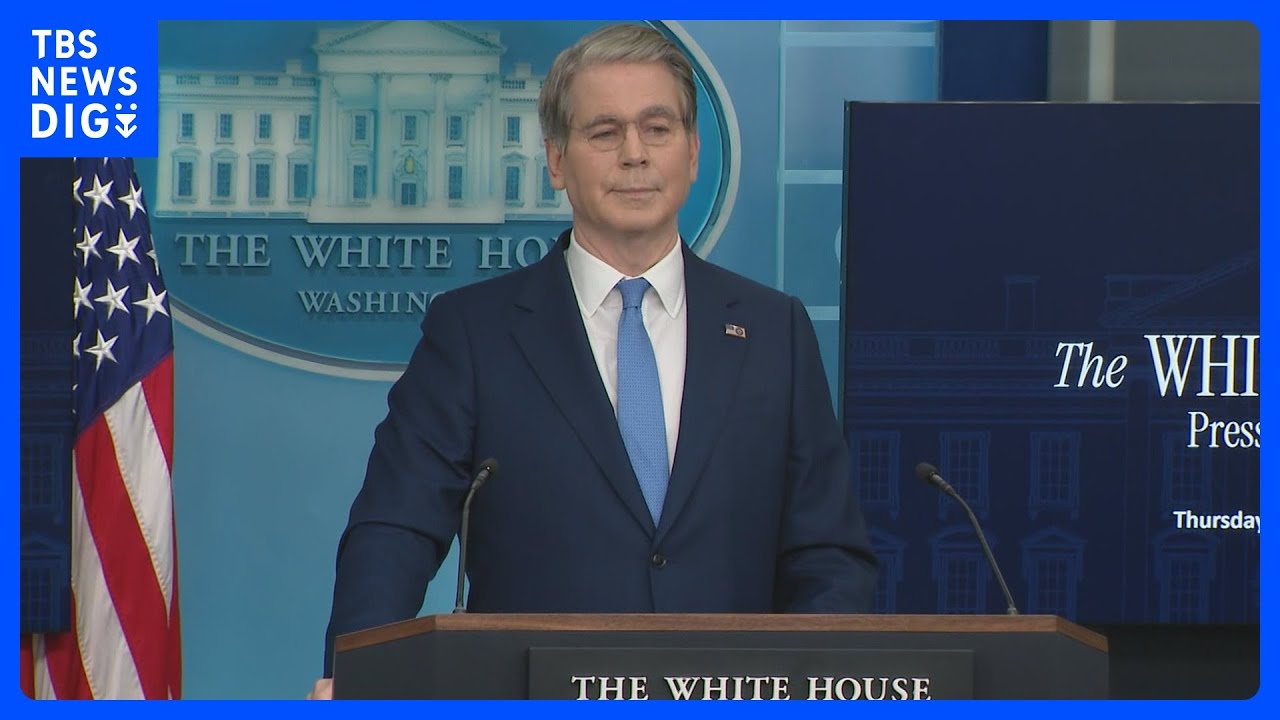
Coordinated US-Japan currency intervention on July 30-31, 2026 has created immediate financial pressure for cross-border sellers with Japan exposure. The Bank of Japan (BOJ) and US Treasury executed synchronized yen-buying operations, with Japan's Ministry of Finance (MOF) driving the yen from 164 to 158.34 per dollar—a 5-yen appreciation in minutes—while Citi reported $8.1 billion in dollar-yen selling across major venues. US Treasury Secretary Scott Bessent confirmed the yen was "very undervalued" and signaled continued intervention readiness through the Federal Reserve's liquidity swap lines. This represents the largest single-day yen appreciation since 2022 and follows $670 billion in prior intervention during April-May 2026 that was subsequently reversed.
For cross-border sellers, this intervention creates three immediate financial headwinds: (1) Sourcing Cost Compression: Sellers importing from Japan face 3-5% higher acquisition costs as the yen strengthens. A seller purchasing ¥10 million in inventory at 163 yen/dollar (pre-intervention) now pays $61,350; at 158.34 yen/dollar (post-intervention), the same inventory costs $63,200—a $1,850 margin hit on a single shipment. Sellers with monthly Japan sourcing of $50,000+ face $1,500-2,500 monthly cost increases. (2) Export Competitiveness Erosion: Japanese product sellers on Amazon, eBay, and Shopify face demand headwinds as yen strength increases USD-priced listings. A ¥5,000 product that sold for $35 at 143 yen/dollar now prices at $31.60 at 158.34 yen/dollar—requiring either margin compression or price increases that reduce conversion rates. (3) FX Forecasting Uncertainty: The intervention's coordinated nature and Treasury's "stand ready" messaging (per Reuters, July 31) signals continued volatility through the BOJ's August rate decision. Currency strategist Lee Hardman (MUFG) noted the Treasury notice adds "nervousness of market participants," making it difficult for sellers to lock in forward rates for Q3-Q4 inventory purchases.
The intervention's sustainability remains uncertain, creating tactical opportunities for sellers with working capital flexibility. The yen's prior 5-yen gains during April-May 2026 were "subsequently reversed," suggesting this intervention may not hold without continued BOJ hawkish messaging. However, the coordinated US-Japan action—including Federal Reserve rate checks and Treasury coordination—indicates commitment through at least the G20 finance ministers meeting (late August, Asheville). Sellers should monitor: (1) BOJ rate decision (scheduled Friday post-July 30), where "hawkish communication" could sustain yen strength; (2) Fed messaging on rate trajectory, as slower US rate hikes would reduce yen depreciation pressure; (3) Treasury-BOJ coordination signals at the August G20 meeting. For sellers with Japan sourcing, the 155-yen threshold (mentioned as a potential defense level) represents a critical support—if breached downward, yen weakness resumes and sourcing costs decline 2-3%.
Immediate financial optimization opportunities exist for sellers with working capital access. Sellers facing margin compression should consider: (1) Invoice Financing/Factoring: Lock in current yen-denominated payables at 158-160 yen/dollar through supply chain finance providers (e.g., Coupa, Kyriba, Tradeshift) offering 2-4% discounts on early payment; (2) Forward FX Contracts: Hedge 60-90 day Japan sourcing at current rates (158-160 yen/dollar) through banks offering 0.5-1.5% hedging costs, protecting against further yen appreciation; (3) Inventory Acceleration: Accelerate Japan purchases before further yen strength, using short-term working capital loans (6-12 month terms at 6-9% APR) to front-load inventory at current rates. Sellers with $100K+ monthly Japan sourcing can unlock $3,000-5,000 monthly cash flow improvements through these tactics.
Questions 8
Will this yen intervention affect my Amazon/eBay sales of Japanese products priced in USD?
Yes, significantly. Yen strength reduces your profit margins on Japanese products. A ¥5,000 product that sold for $35 at 143 yen/dollar now prices at $31.60 at 158.34 yen/dollar—requiring either 10% margin compression or price increases that reduce conversion rates. Sellers should monitor the 155-yen threshold (mentioned as a potential BOJ defense level); if the yen weakens below this, your margins improve 2-3%. Consider dynamic pricing strategies that adjust USD prices based on daily yen rates, or hedge your yen-denominated revenue through forward contracts to lock in current pricing.
How does Japan's yen intervention on July 30-31 affect my sourcing costs if I import from Japan?
The yen's 5-yen appreciation (164 to 158.34 per dollar) increases your Japan sourcing costs by 3-5% immediately. A seller importing ¥10 million inventory faces a $1,850 cost increase per shipment. If you source $50,000+ monthly from Japan, expect $1,500-2,500 additional monthly costs until the yen weakens again. The intervention's sustainability depends on BOJ rate decisions (scheduled August 2026) and Fed messaging—if the BOJ signals slower rate hikes, yen strength may reverse, reducing costs. Lock in forward FX contracts at current 158-160 yen/dollar rates to protect against further appreciation.