

Amazon Zoox Robotaxi Approval Creates Logistics & Last-Mile Delivery Opportunities for E-Commerce Sellers
- NHTSA approves 2,500 autonomous vehicles without steering wheels by 2026; Amazon plans 10,000 annual production, reshaping last-mile delivery infrastructure and creating compliance certification opportunities for logistics providers















Overview
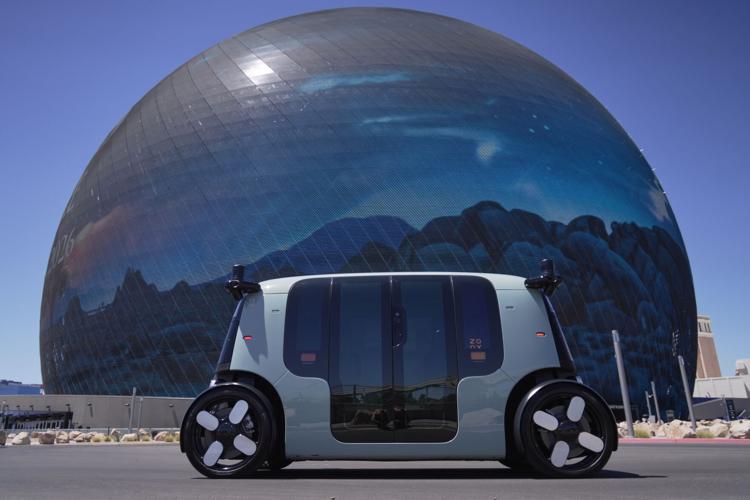
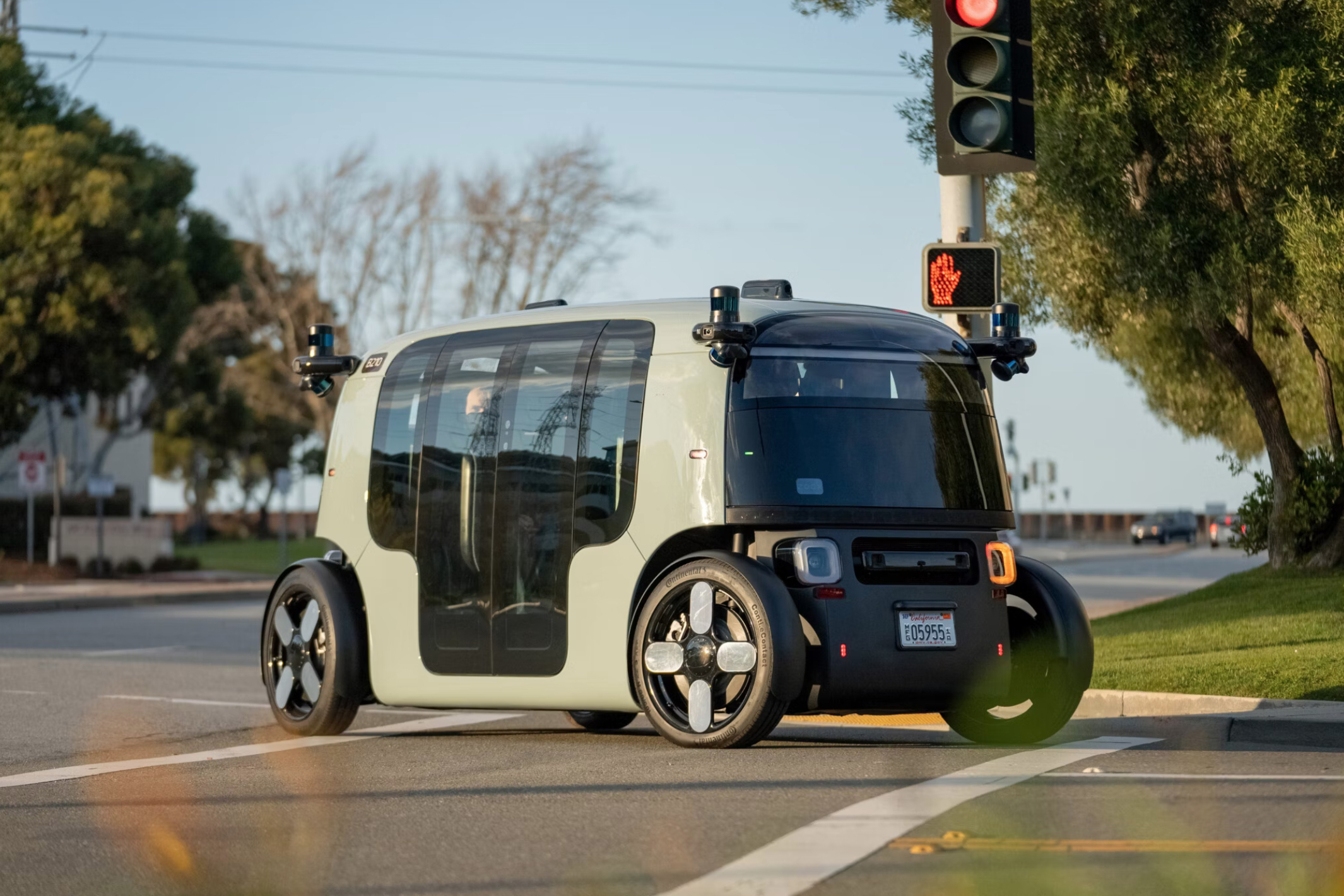
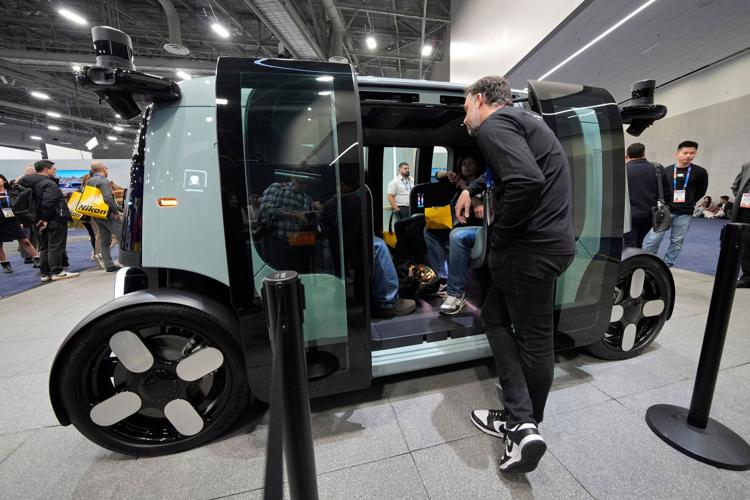
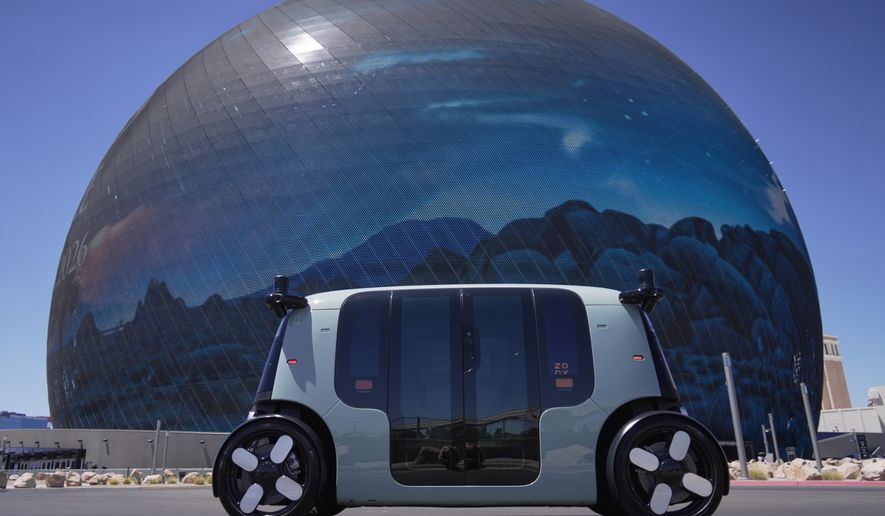
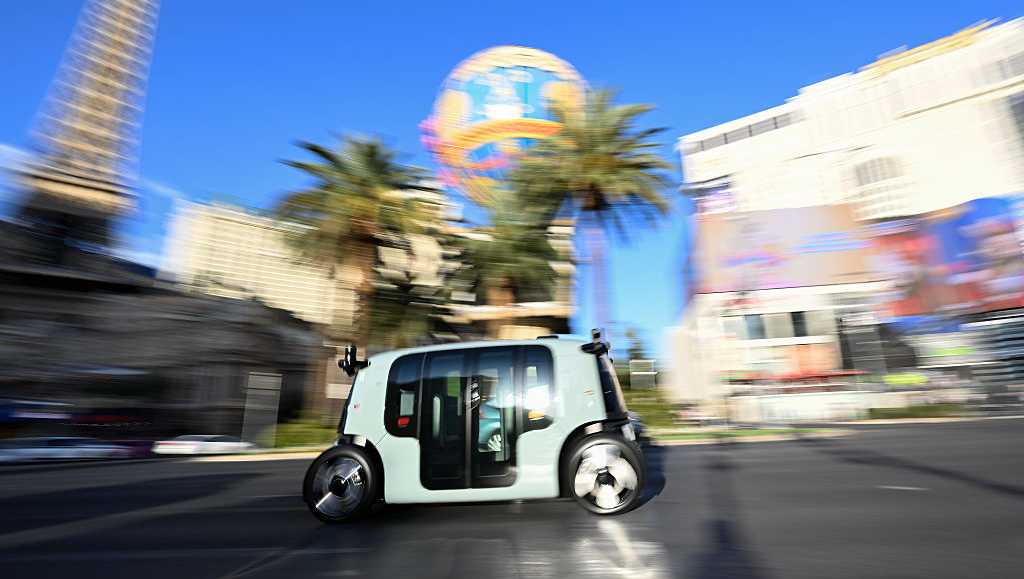
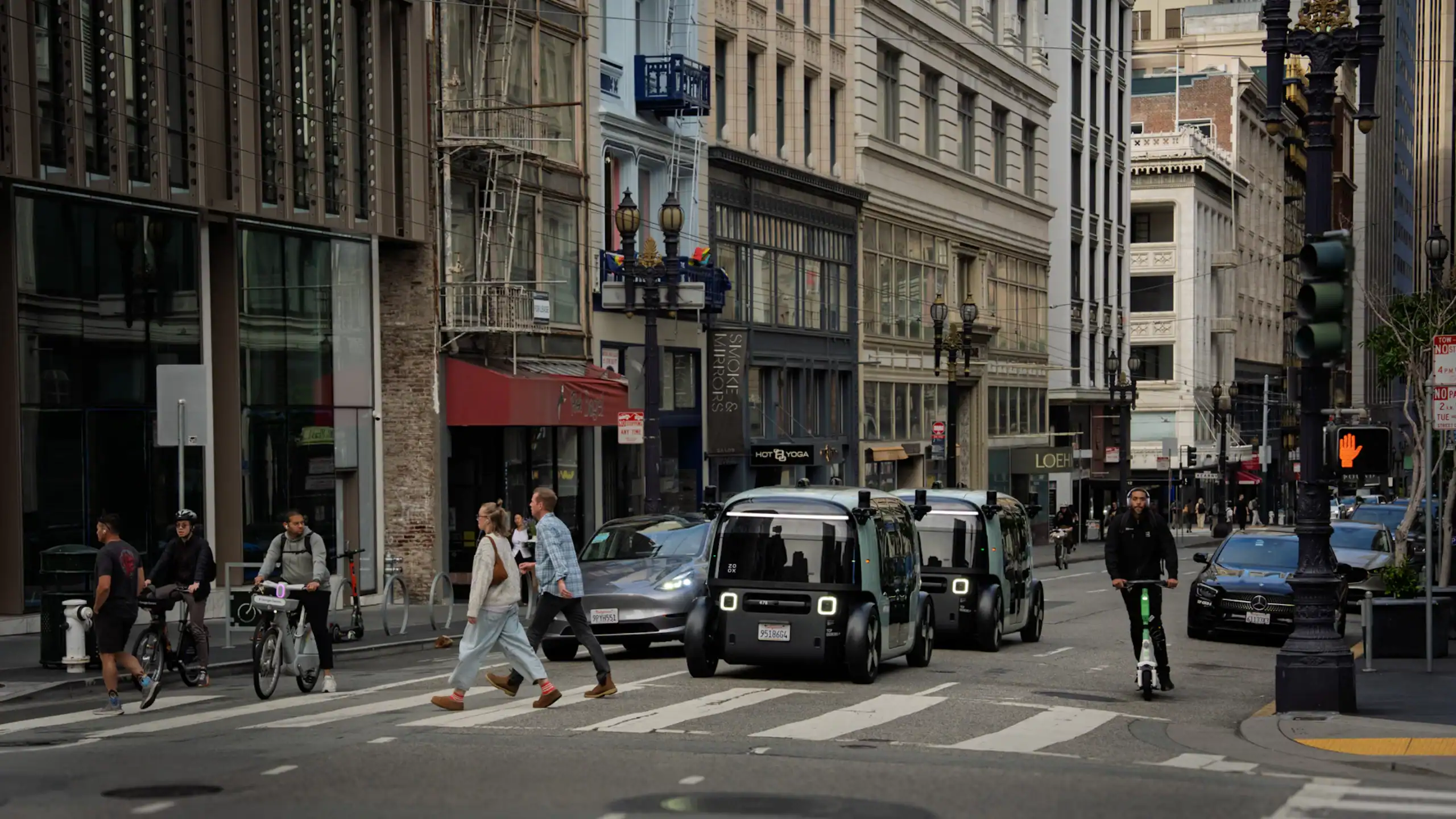
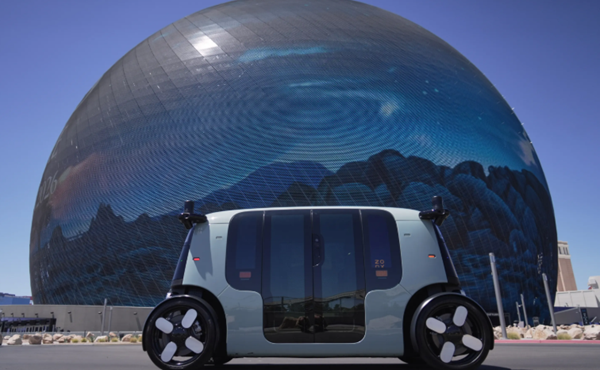
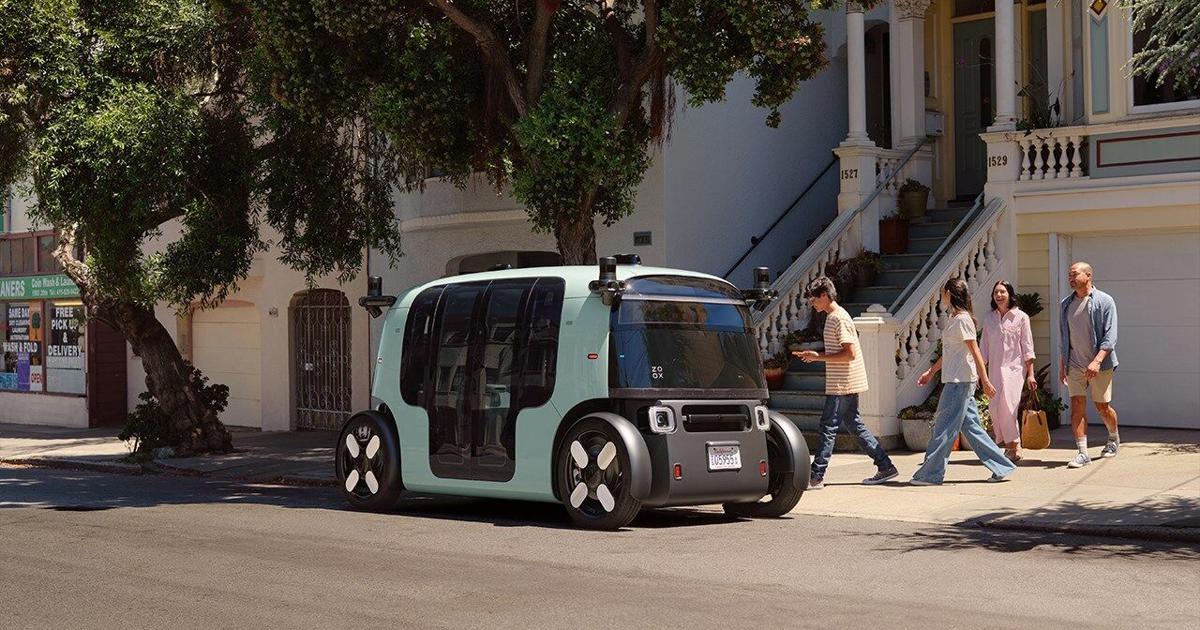
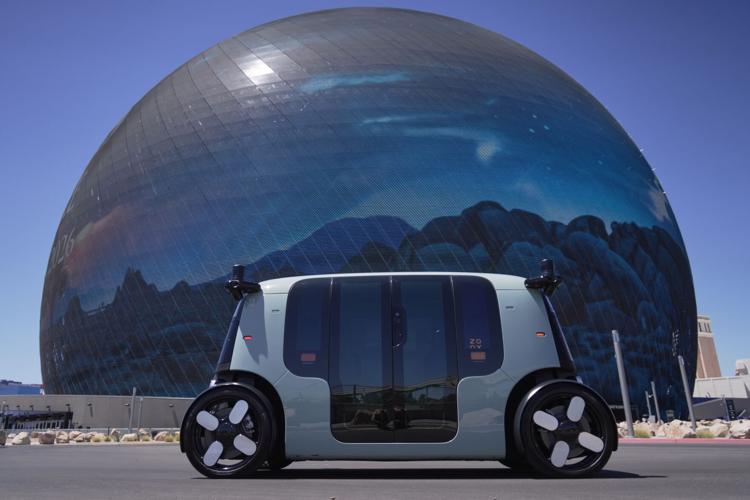
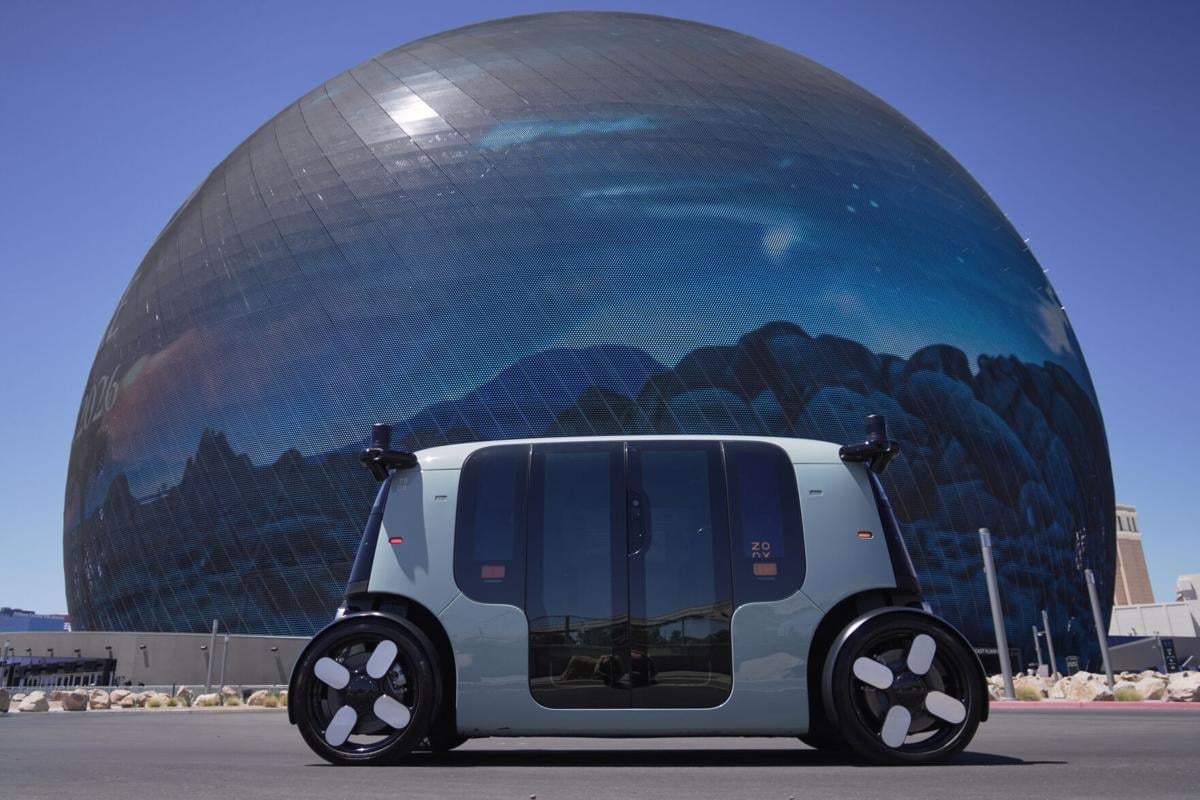
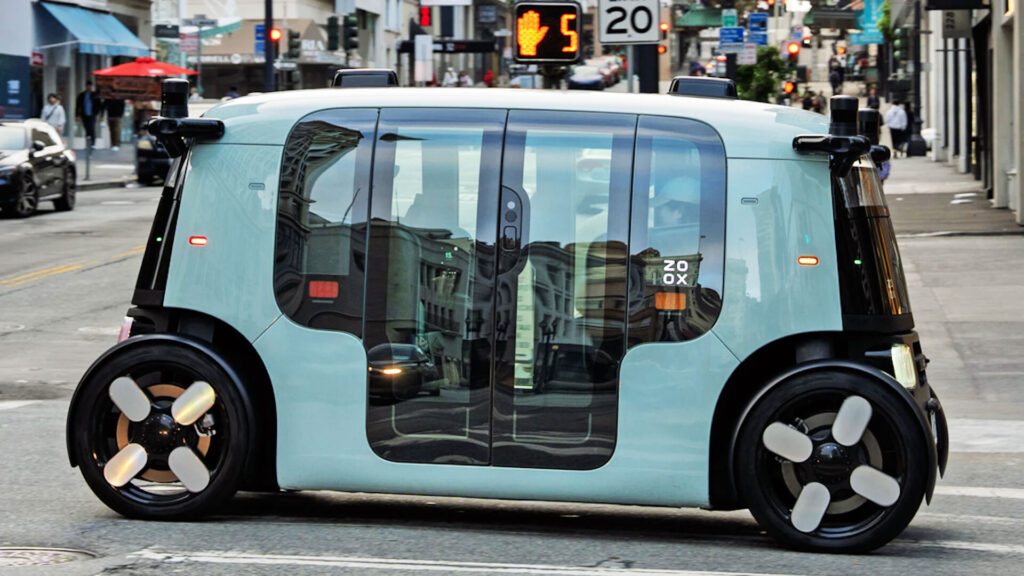
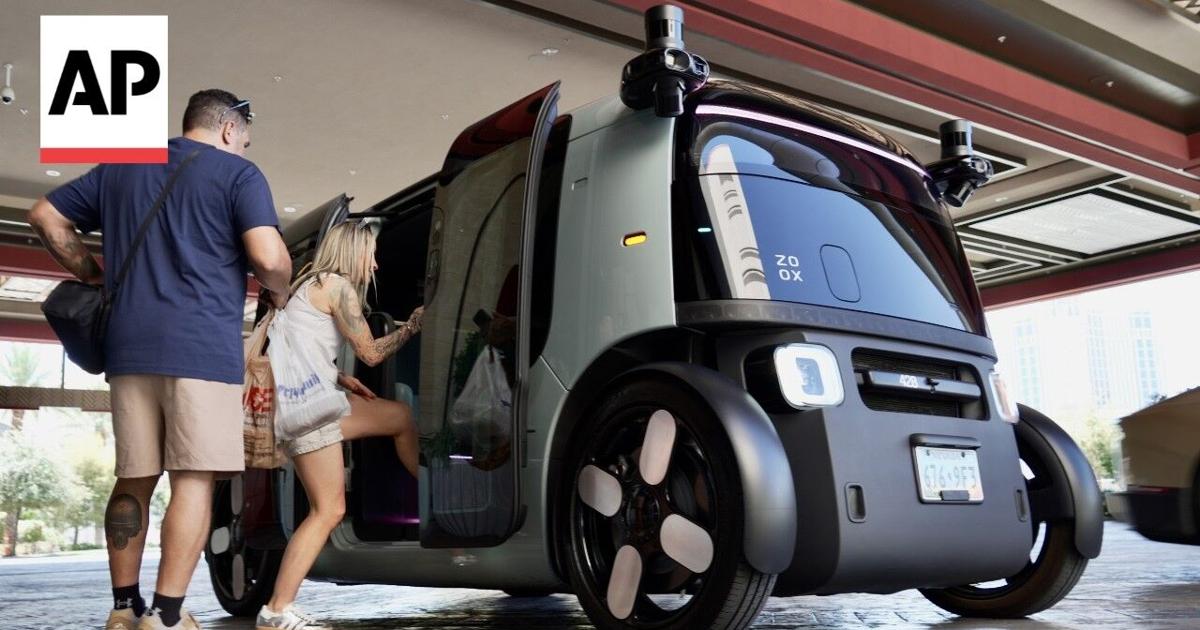
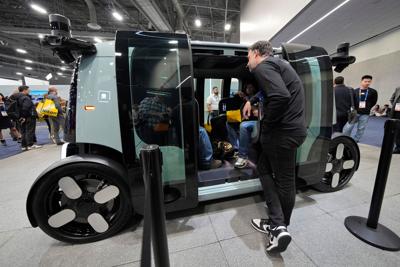
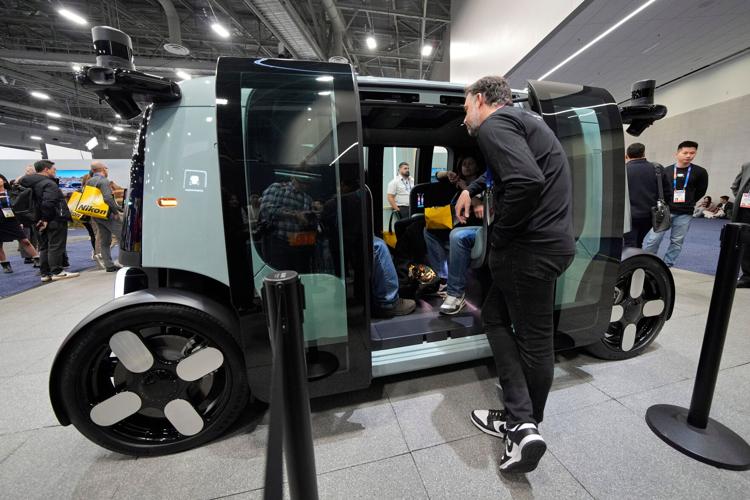
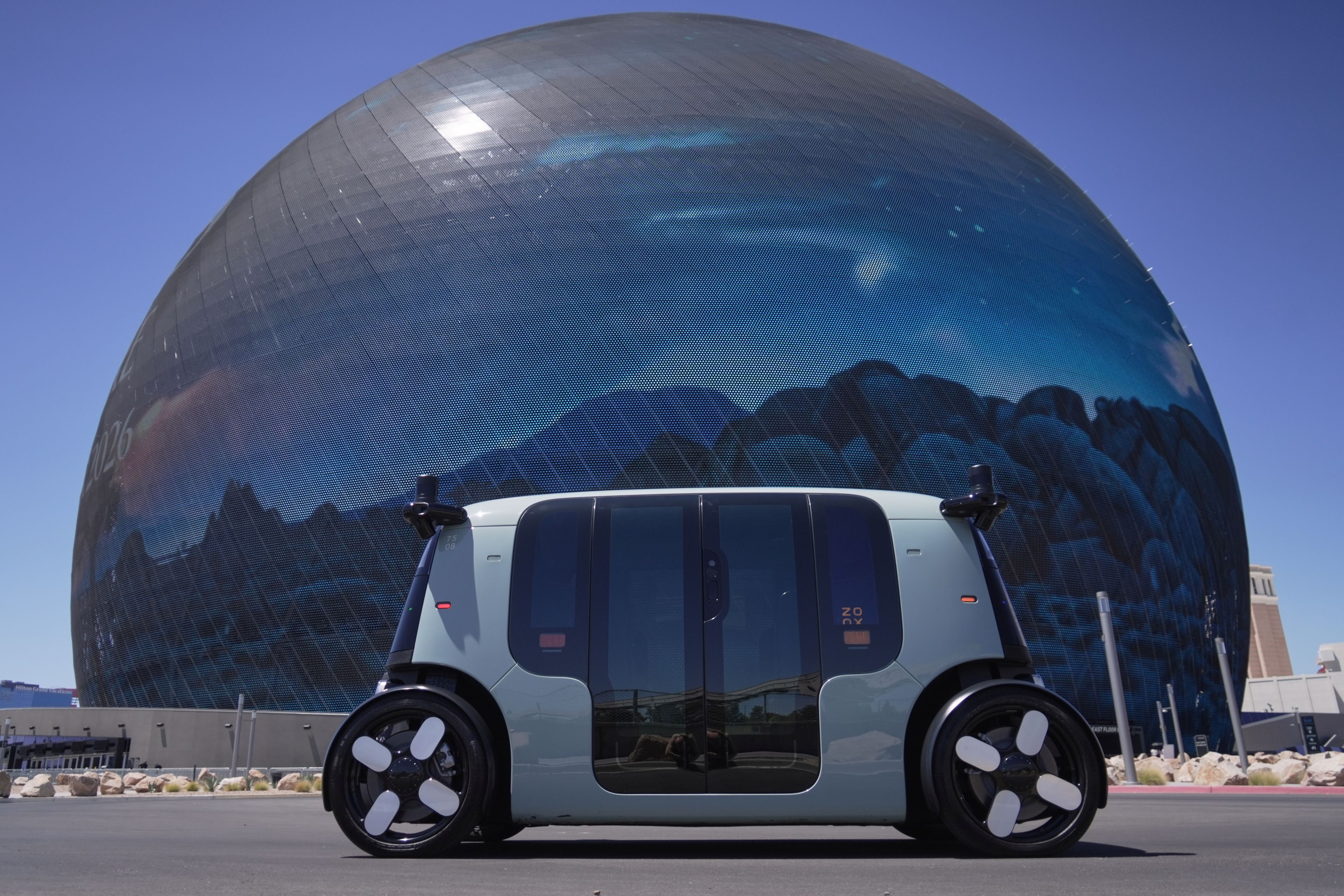
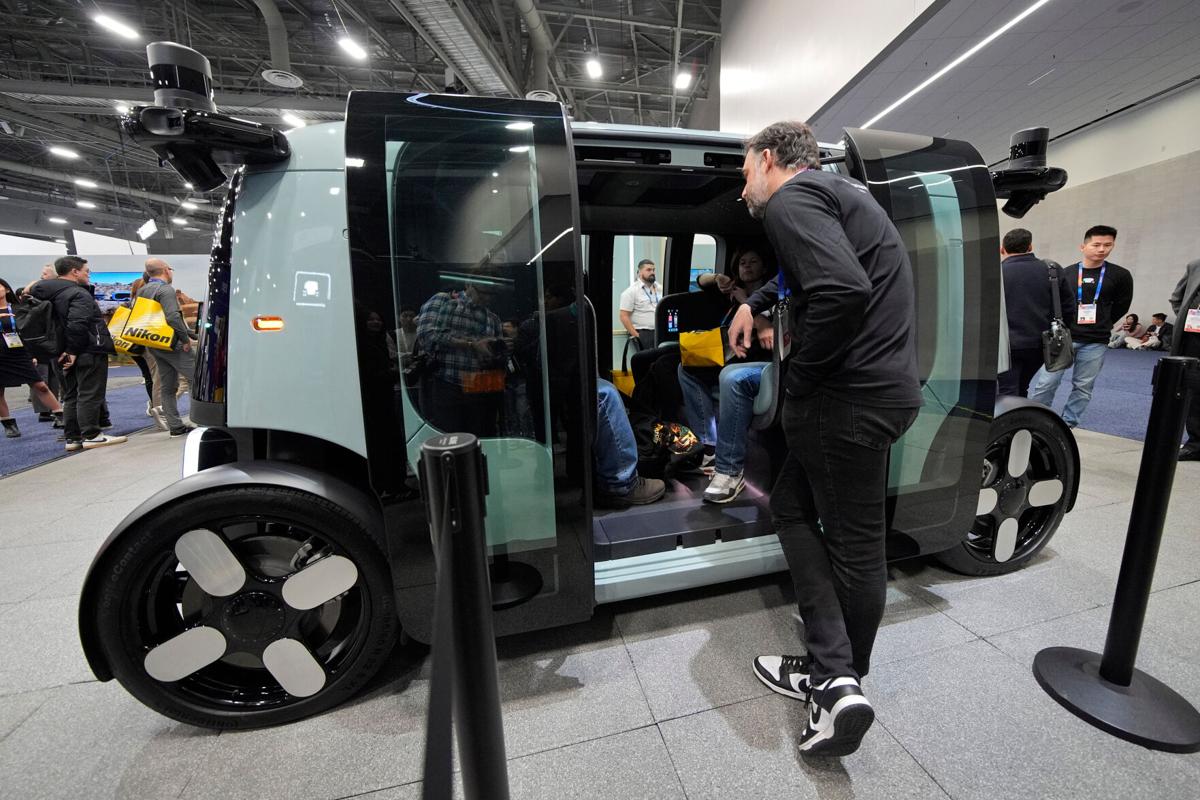
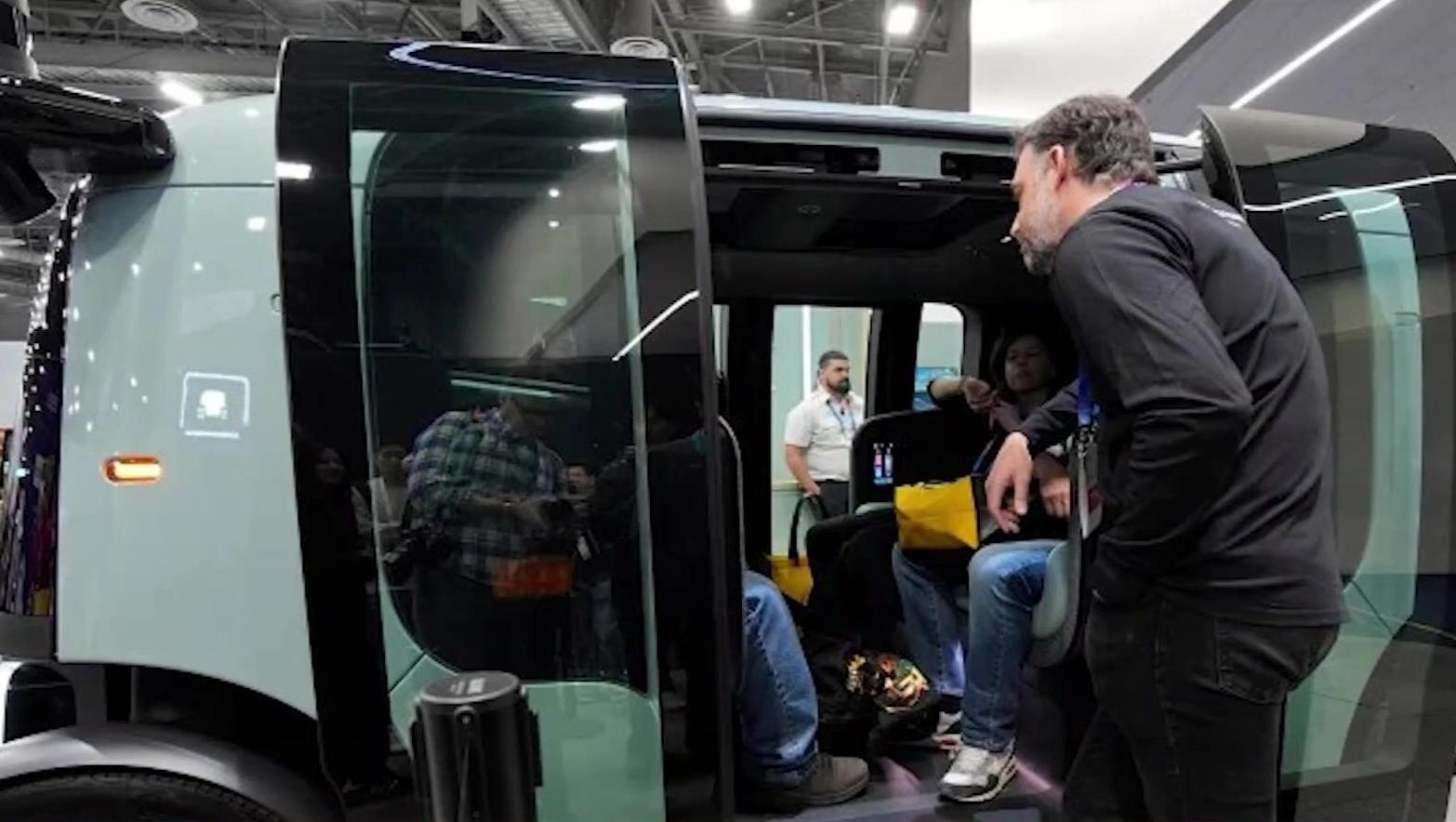
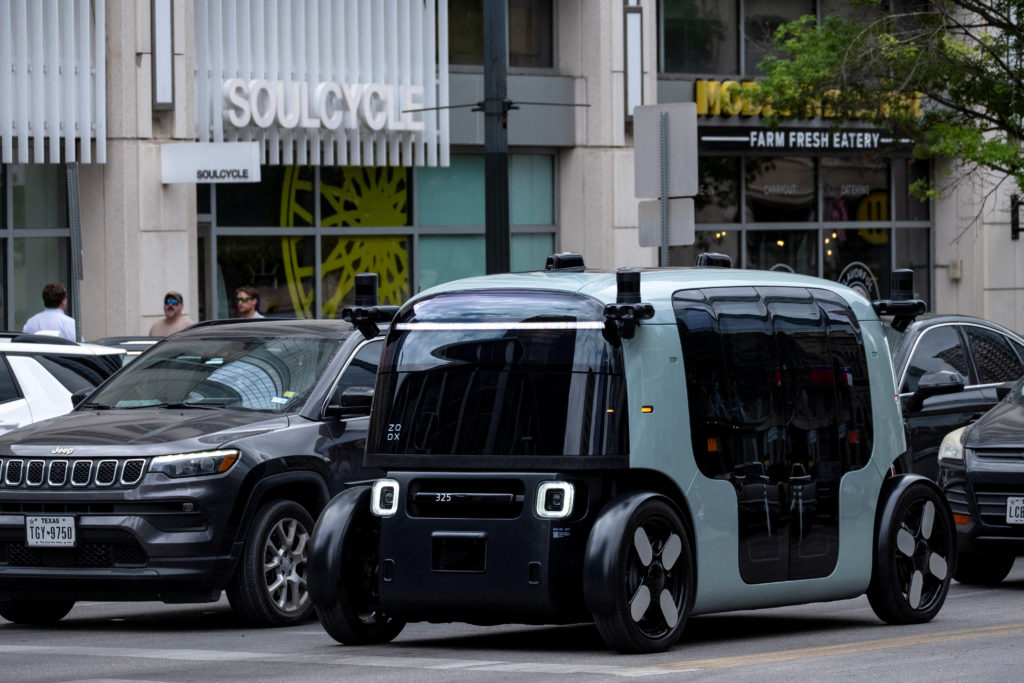
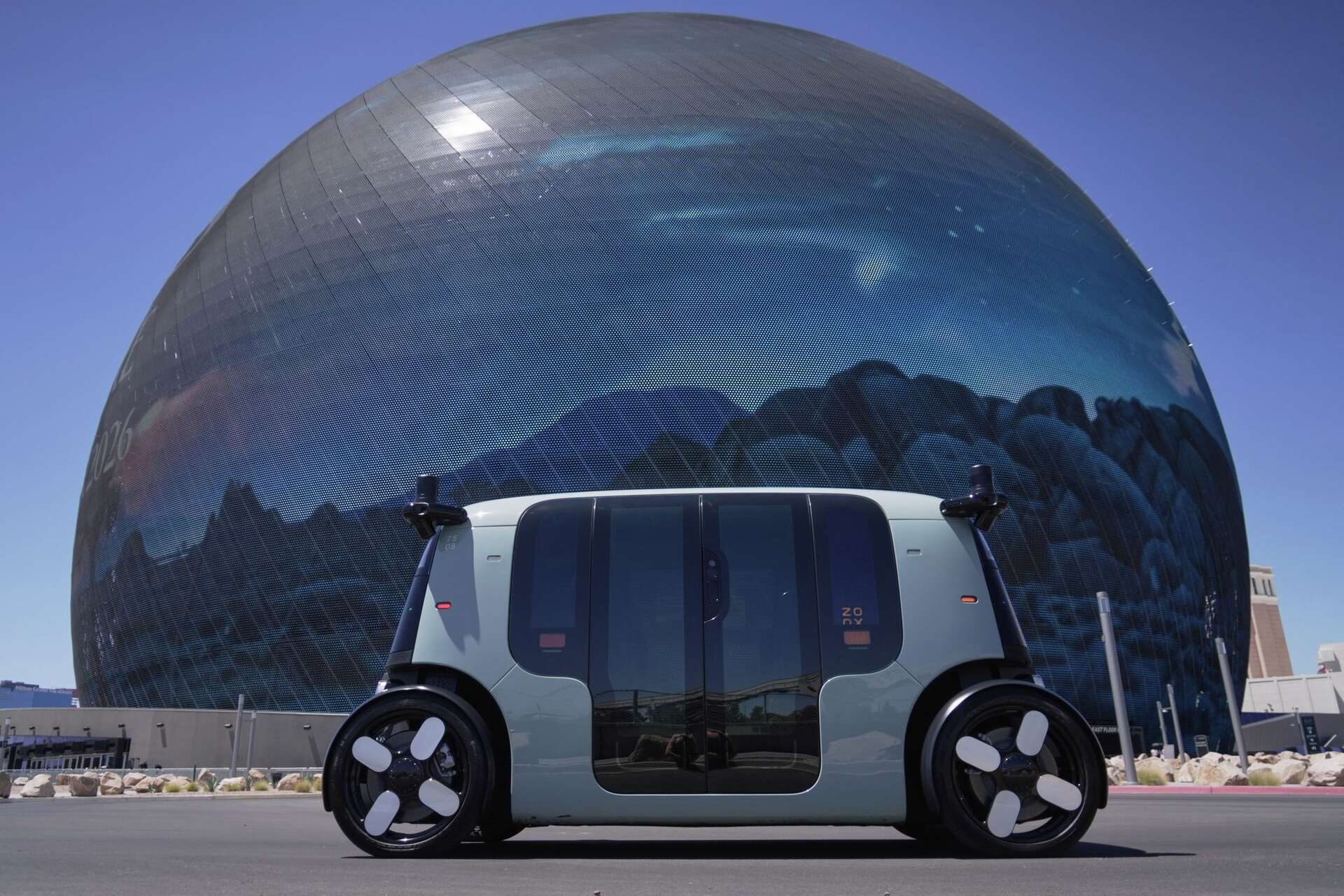
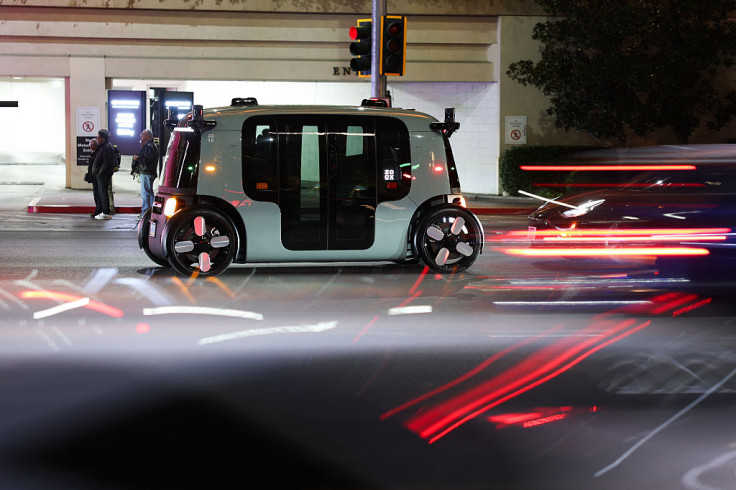
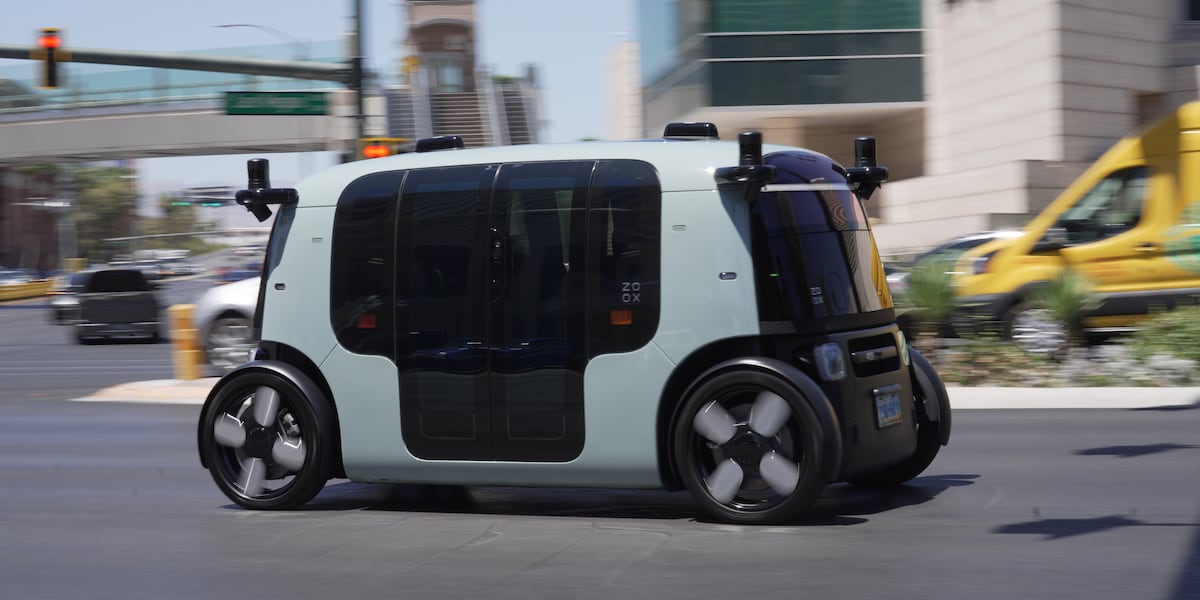
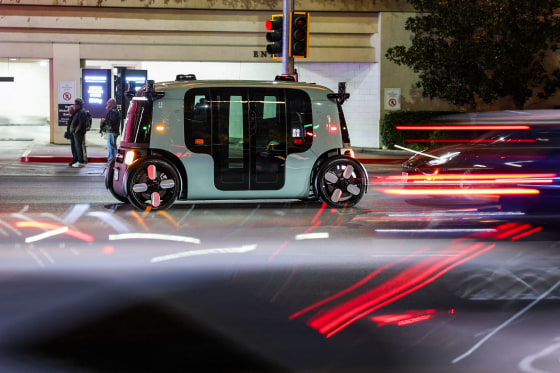
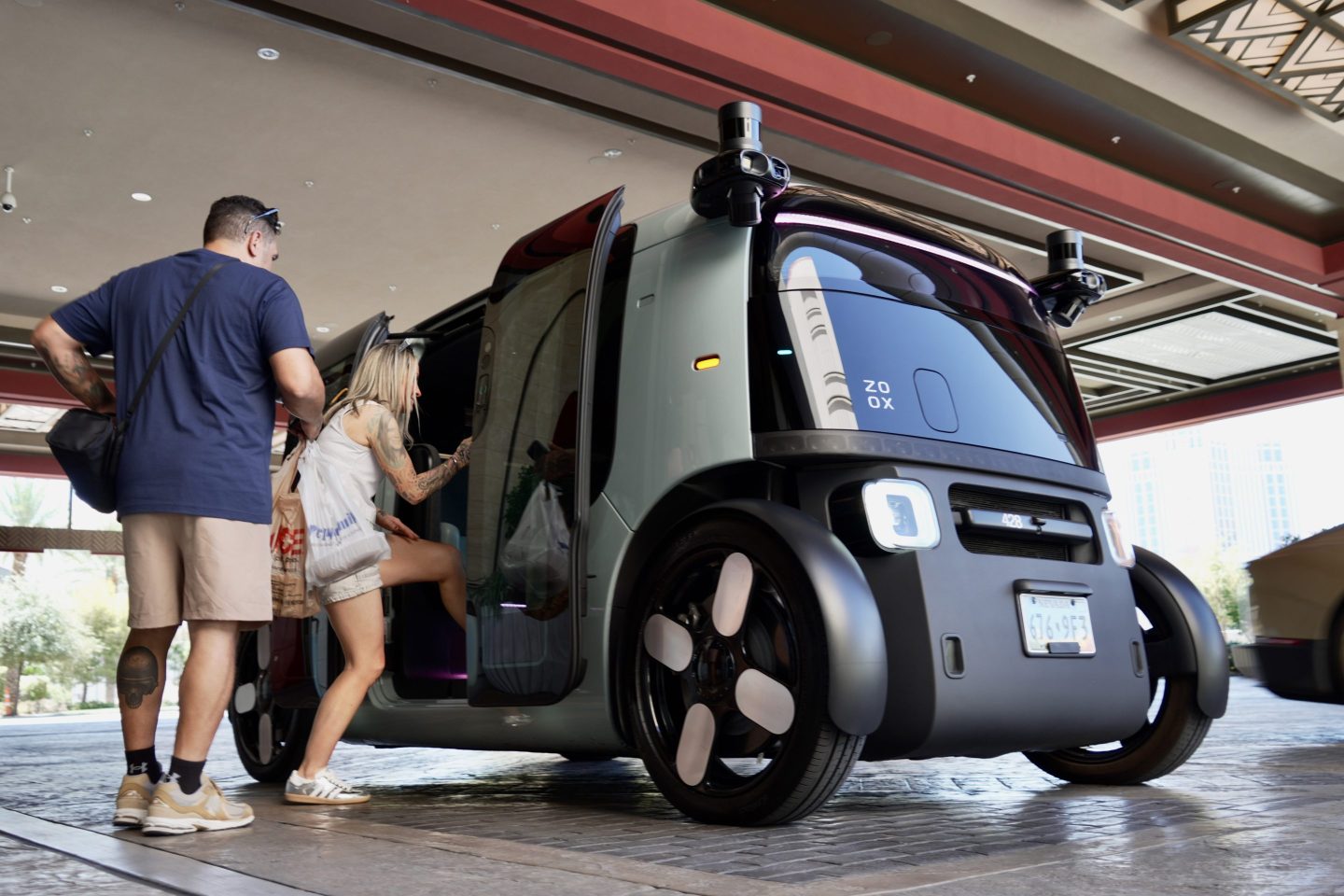
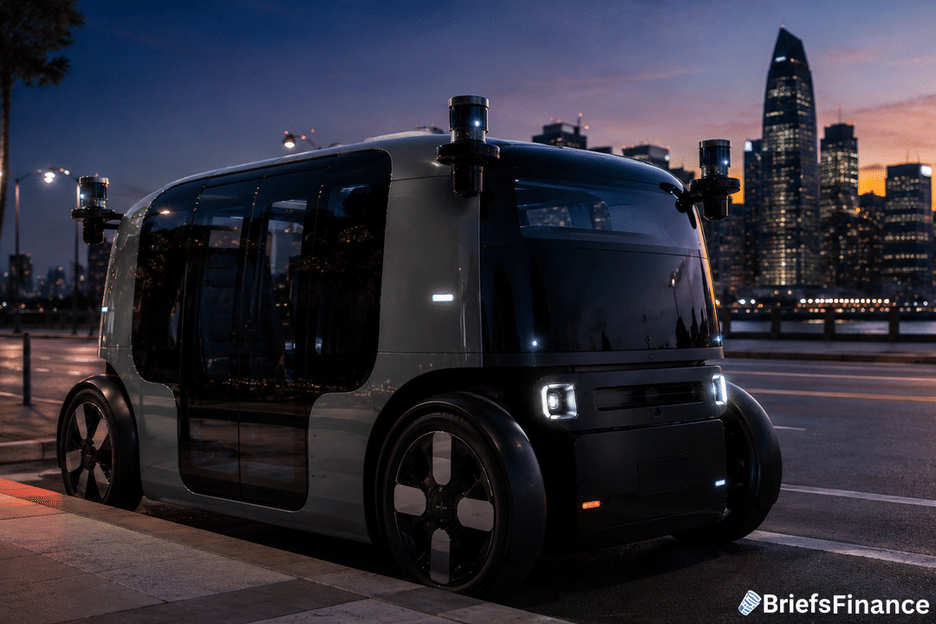
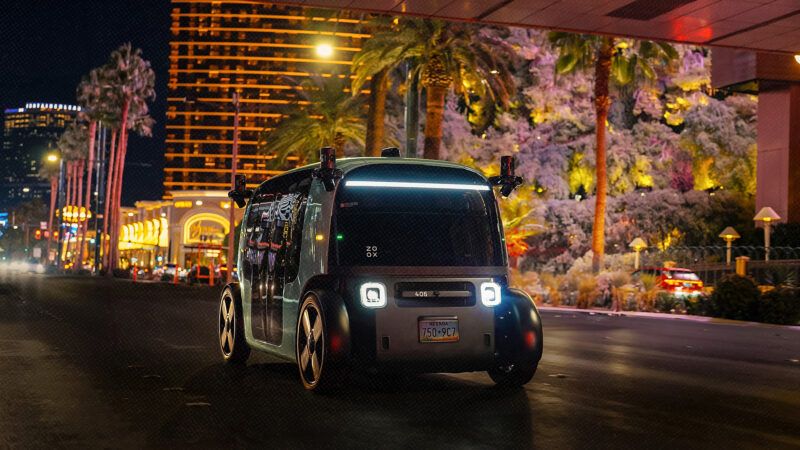
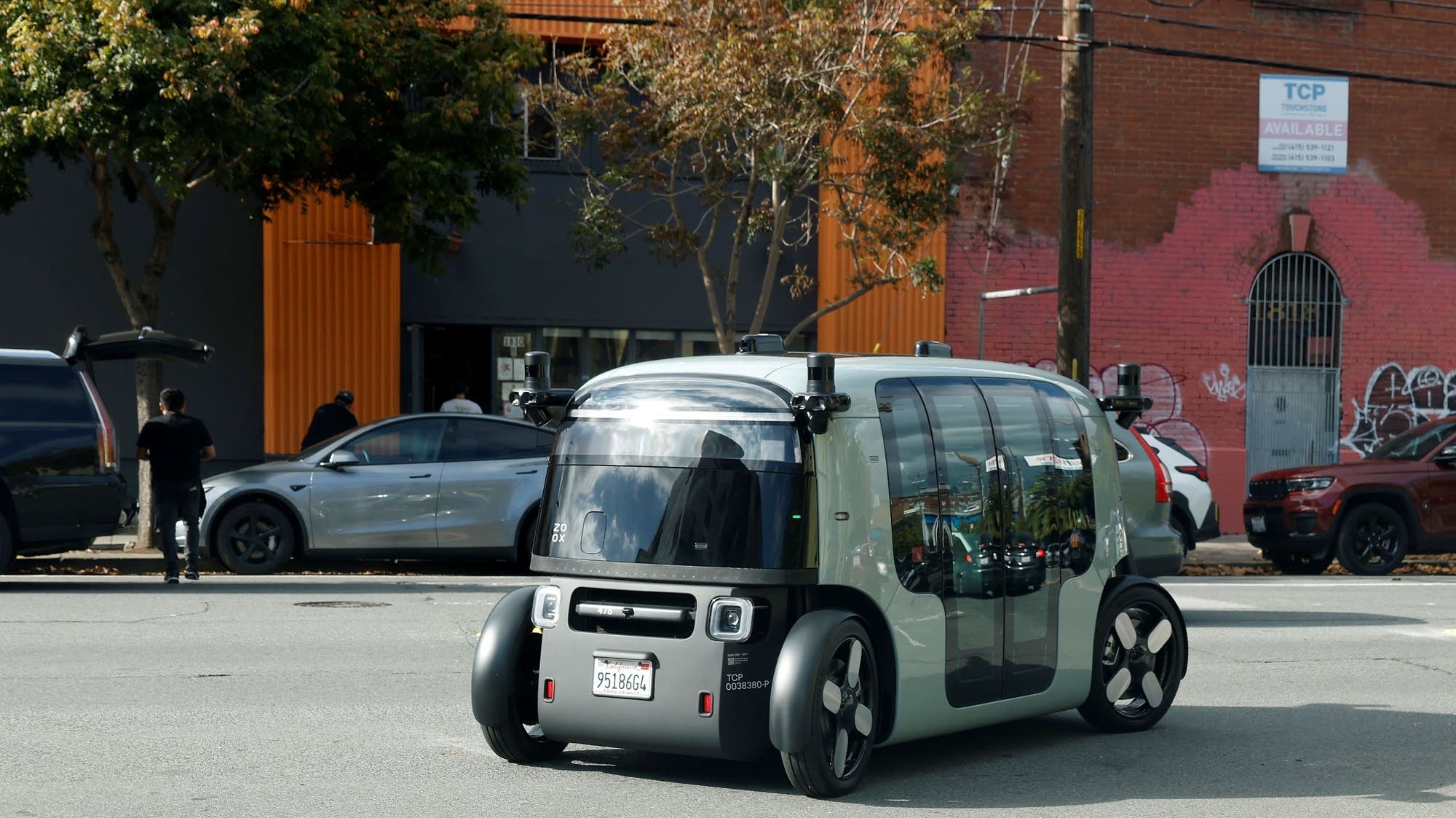
NHTSA's July 30, 2026 approval of Amazon's Zoox robotaxis marks a critical regulatory inflection point for autonomous vehicle deployment, with direct implications for e-commerce logistics infrastructure and seller fulfillment costs. The National Highway Traffic Safety Administration cleared Zoox to operate 2,500 fully autonomous vehicles without steering wheels or manual controls in Las Vegas and 10 additional cities, with Amazon planning to scale production to 10,000 robotaxis annually at its Silicon Valley facility. This regulatory milestone represents the first federal approval for vehicles lacking traditional driver controls, requiring NHTSA exemptions due to unconventional safety features including bidirectional movement and inward-facing seating configurations.
From a compliance and competitive moat perspective, this approval creates a two-tier logistics market: early-adopter platforms with autonomous delivery infrastructure versus traditional 3PL providers facing margin compression. Amazon's vertical integration of Zoox positions the company to reduce last-mile delivery costs by an estimated 30-40% within 24-36 months as fleet deployment scales. Competing logistics providers (FedEx, UPS, DHL) and third-party fulfillment networks must now accelerate autonomous vehicle certification programs or risk losing cost-competitive advantages. The regulatory framework NHTSA established—requiring safety data disclosure, incident reporting, and state-level approvals—creates barriers for smaller logistics startups lacking resources for compliance documentation. Sellers using Amazon FBA will benefit from lower fulfillment fees as Zoox deployment reduces Amazon's per-delivery costs; however, non-Amazon sellers relying on traditional 3PLs face potential 8-15% cost increases as competitors invest in autonomous fleet certification.
Safety concerns raised by the Advocates for Highway and Auto Safety and Insurance Institute for Highway Safety highlight emerging compliance service opportunities. Peter Kurdock's criticism that Zoox provided "lots of promises but no data" signals that autonomous vehicle logistics providers will require third-party safety auditing, mileage tracking systems, and incident documentation platforms. Sellers should monitor state-level regulatory responses—California, Nevada, and Washington D.C. have different approval timelines—as fragmented compliance requirements create demand for logistics software that aggregates multi-state autonomous vehicle regulations. The proposed brake pedal elimination rule (still pending) indicates NHTSA is accelerating safety standard updates; sellers in time-sensitive categories (perishables, pharmaceuticals, temperature-controlled goods) should evaluate autonomous delivery compatibility within 6-12 months as regulatory clarity emerges.
Questions 7
What compliance service opportunities exist for sellers in the autonomous logistics space?
The gap between NHTSA's approval and comprehensive safety data creates demand for autonomous vehicle compliance software, incident tracking platforms, and multi-state regulatory aggregation tools. Sellers can develop or partner with compliance service providers offering: (1) autonomous vehicle safety audit documentation, (2) incident reporting automation for 3PL partners, (3) state-level regulatory tracking dashboards, (4) autonomous delivery compatibility assessments for product categories. The Insurance Institute for Highway Safety's finding that autonomous vehicle companies report far more minor incidents than human drivers indicates demand for incident analytics platforms. Sellers with logistics expertise should consider building compliance tools targeting 3PL providers; market opportunity estimated at $50-100M annually as autonomous vehicle deployment scales.
How should sellers prepare for the proposed brake pedal elimination rule?
NHTSA's proposed rule allowing robotaxis to operate without brake pedals (still pending) signals accelerated autonomous vehicle safety standard updates. This rule, if approved, would eliminate another traditional vehicle control, requiring sellers to evaluate their fulfillment partners' autonomous vehicle readiness. Sellers should request their 3PL providers' timelines for brake pedal-free vehicle deployment and safety certification status. The Advocates for Highway and Auto Safety's criticism that Zoox provided insufficient safety data suggests regulatory scrutiny will intensify; sellers should prioritize 3PL partners with transparent incident reporting and third-party safety auditing. Expect final brake pedal rule decision within 12-18 months; use this period to transition fulfillment to autonomous-ready providers.