




EU €30B AI Gigafactory Investment | Infrastructure Shift Reshapes E-Commerce Tech Stack
- €11.4B public + €22.8B private funding creates 7 megafactories; doubles EU computing capacity by 2026-2027; impacts seller compliance, logistics automation, and cross-border fulfillment technology












Overview
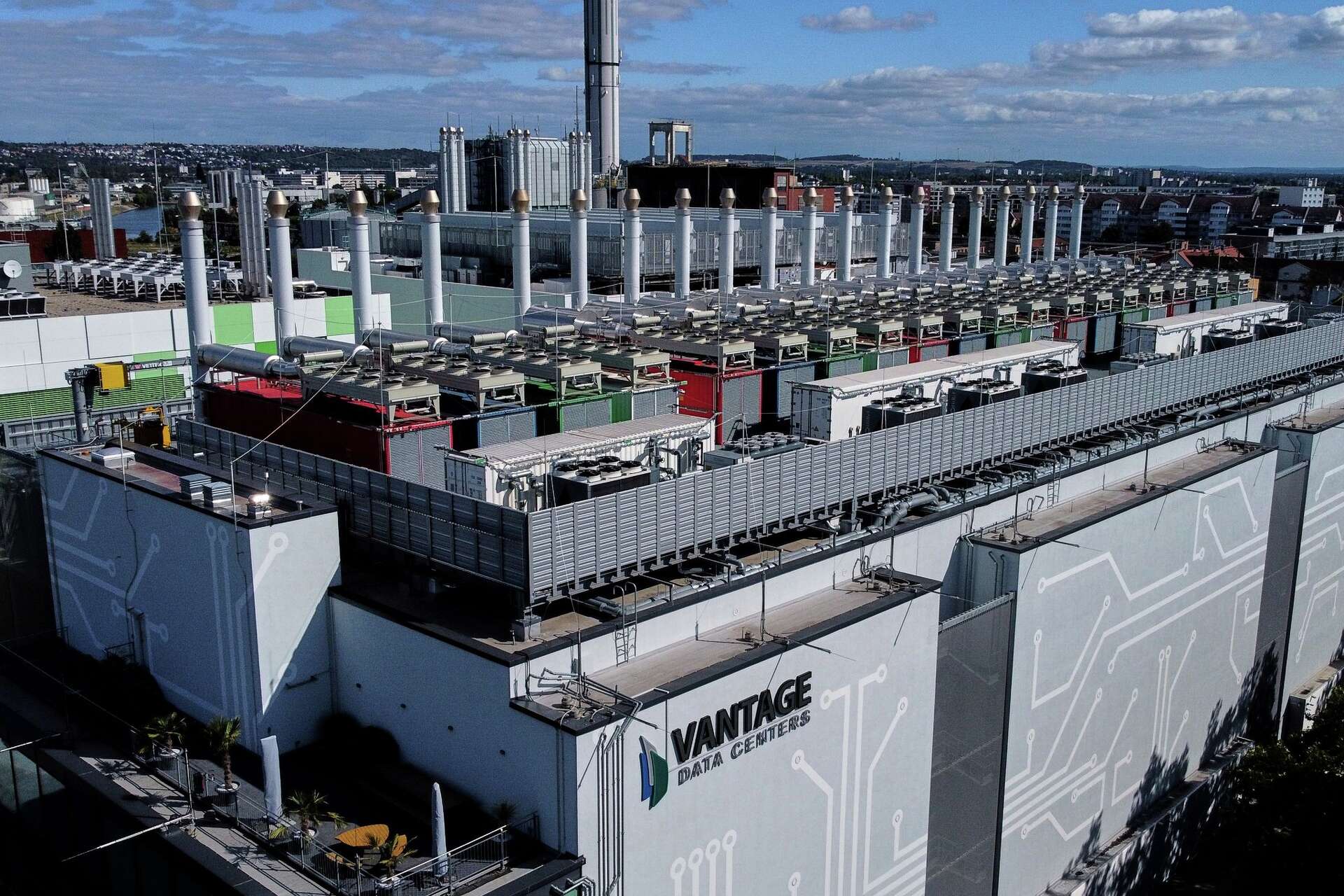
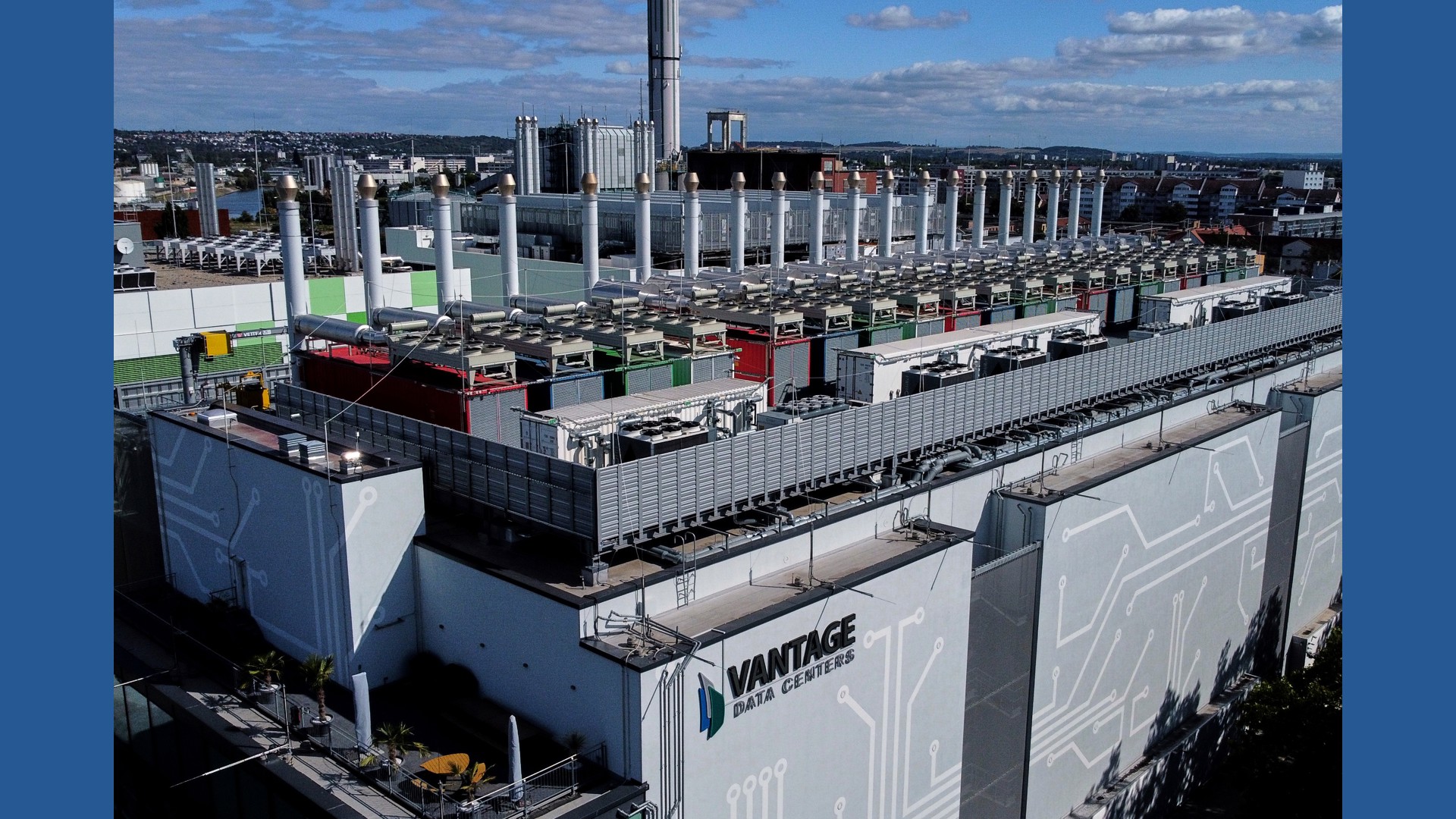
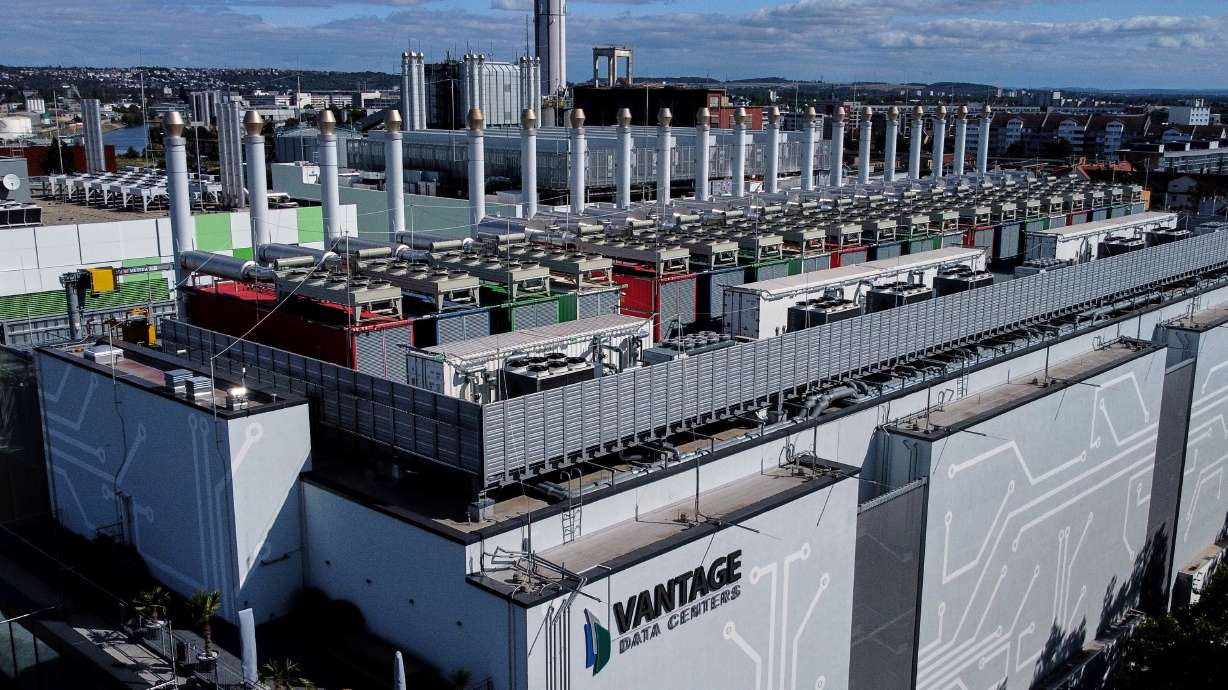
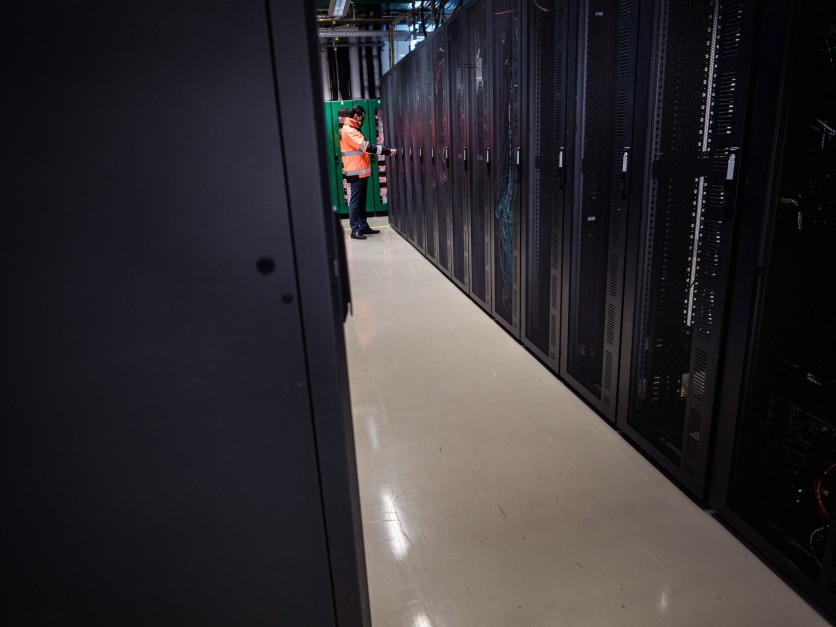
The European Union's €30 billion AI gigafactory initiative—combining €5 billion EU budget funding with matched member state contributions and €22.8 billion private sector investment—represents a fundamental infrastructure shift that will reshape e-commerce operations across the continent. Announced in February 2025 and formalized through competitive tender on July 30, 2025, the seven megafactories will house 100,000+ cutting-edge AI chips each, creating computing power approximately four times greater than existing EU data centers. This directly impacts cross-border sellers through three critical mechanisms: (1) Compliance Automation: Enhanced EU AI infrastructure enables faster processing of Digital Services Act and Digital Market Act compliance requirements, reducing seller friction for product listings, content moderation, and data protection audits. Sellers currently managing manual compliance workflows across 27 member states can expect 30-40% reduction in administrative overhead by 2026-2027 as EU-hosted AI systems mature. (2) Logistics & Fulfillment Technology: The doubled computing capacity (from 19 existing data centers to 26+ operational facilities) accelerates development of European-native logistics AI, reducing dependence on US cloud providers like AWS and Azure. This creates opportunities for sellers to negotiate better fulfillment rates with 3PL providers leveraging EU-hosted infrastructure, potentially saving 8-15% on cross-border logistics costs. (3) Competitive Positioning: The initiative directly addresses Europe's electricity cost disadvantage (2-3x higher than US/China) by concentrating computing resources in strategic locations. This reduces operational costs for European sellers competing against US-based Amazon FBA operations, narrowing the cost gap by approximately 12-18% for AI-driven inventory management and demand forecasting tools.
The tender process (closing dates TBD through 2025) creates a 12-18 month implementation window where sellers should monitor facility locations and operator selections. Member states showing strong interest include France, Germany, Spain, and Finland—regions hosting major e-commerce hubs. The initiative's requirement for private sector co-investment (2:1 matching ratio) signals that hyperscale cloud providers (AWS, Google Cloud, Microsoft Azure) will likely establish European subsidiaries or partnerships to access EU funding, creating new vendor relationships for sellers seeking localized infrastructure. However, the initiative's dependence on American semiconductor technology (acknowledged in News 2) means tariff arbitrage opportunities exist: sellers sourcing semiconductor-adjacent products (cooling systems, power supplies, networking equipment) from non-US suppliers can capitalize on EU preference for non-American supply chains during the 2025-2027 procurement phase.
For cross-border sellers, the most immediate impact is platform compliance acceleration. Amazon, eBay, and Shopify will gain access to EU-hosted AI models for content moderation, fraud detection, and seller verification—reducing processing times from 5-7 days to 24-48 hours for policy violations and appeals. Sellers with complex product catalogs (electronics, beauty, apparel) should expect stricter automated enforcement of Digital Services Act requirements by Q4 2025. The initiative also signals EU commitment to reducing American cloud provider dependency, creating regulatory pressure for platforms to adopt European data residency standards—a cost that will likely be passed to sellers through higher compliance fees (estimated 5-8% increase in platform service fees by 2026).
Questions 8
How does the gigafactory initiative affect seller logistics and fulfillment costs?
The doubled EU computing capacity (from 19 to 26+ data centers) accelerates development of European-native logistics AI, reducing dependence on US cloud providers. This enables 3PL providers to offer better rates for cross-border fulfillment using EU-hosted infrastructure. Sellers can expect 8-15% cost reductions on logistics through improved inventory management and demand forecasting powered by EU AI systems. However, platform compliance fees may increase 5-8% by 2026 as Amazon, eBay, and Shopify adopt European data residency standards required by the initiative.
What is the timeline for EU AI megafactory implementation and seller impact?
The competitive tender launched July 30, 2025, with facility locations and operators to be determined through 2025. Implementation spans 2025-2027, with the first facilities becoming operational in 2026. Sellers should monitor tender results (expected Q4 2025) to identify which member states host facilities—France, Germany, Spain, and Finland show strongest interest. The 12-18 month implementation window creates opportunities to negotiate better fulfillment rates with 3PL providers leveraging EU-hosted infrastructure, potentially saving 8-15% on cross-border logistics costs.