


Smartphone Market Collapse Reshapes Accessory Supply Chains | Seller Inventory Crisis
- Global smartphone sales down 6% to 272M units; SoC shipments fall 15% YoY; memory costs surge pressures Asia-Pacific suppliers and accessory sellers with inventory liquidation needs through H2 2026












Overview
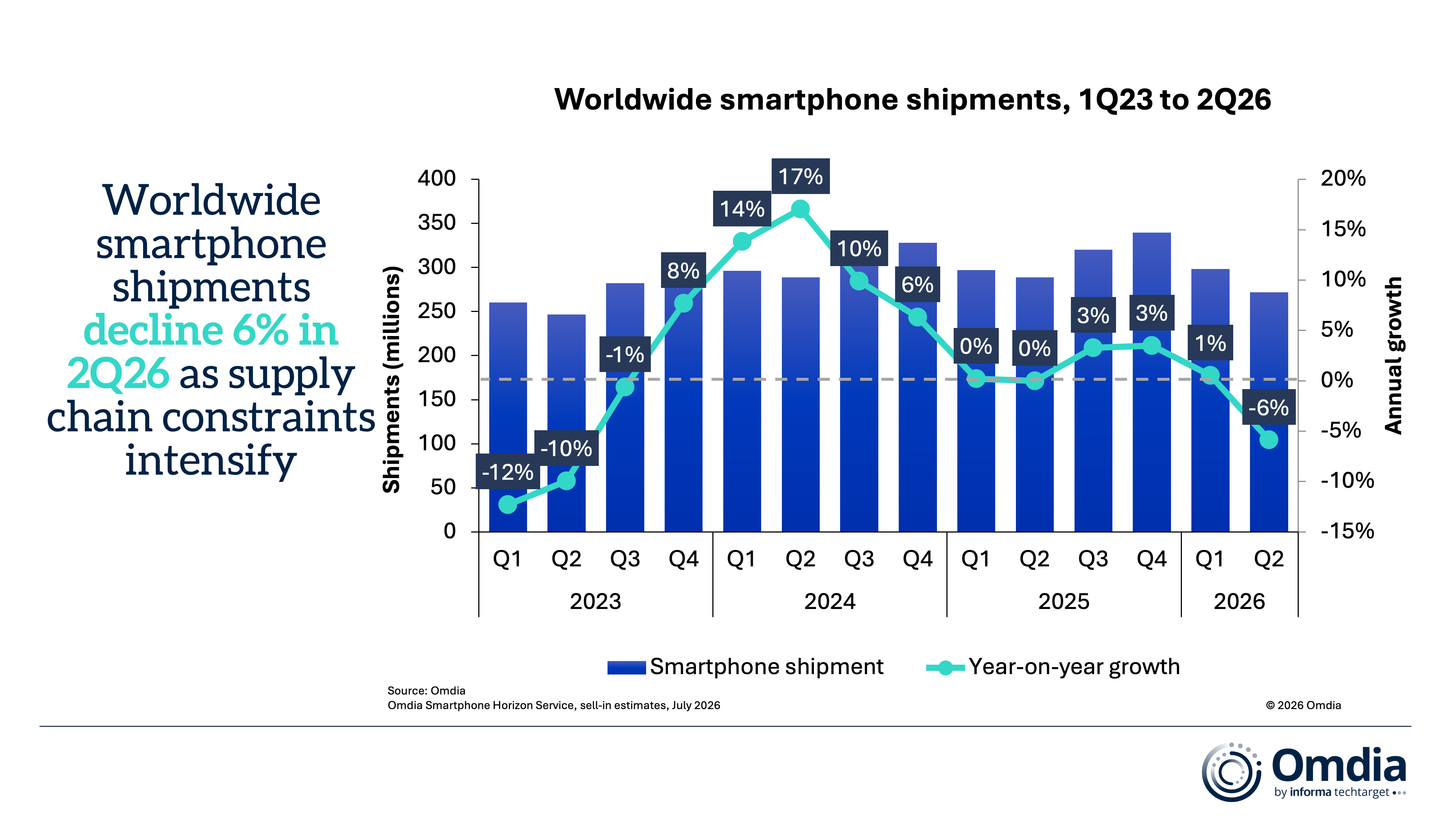
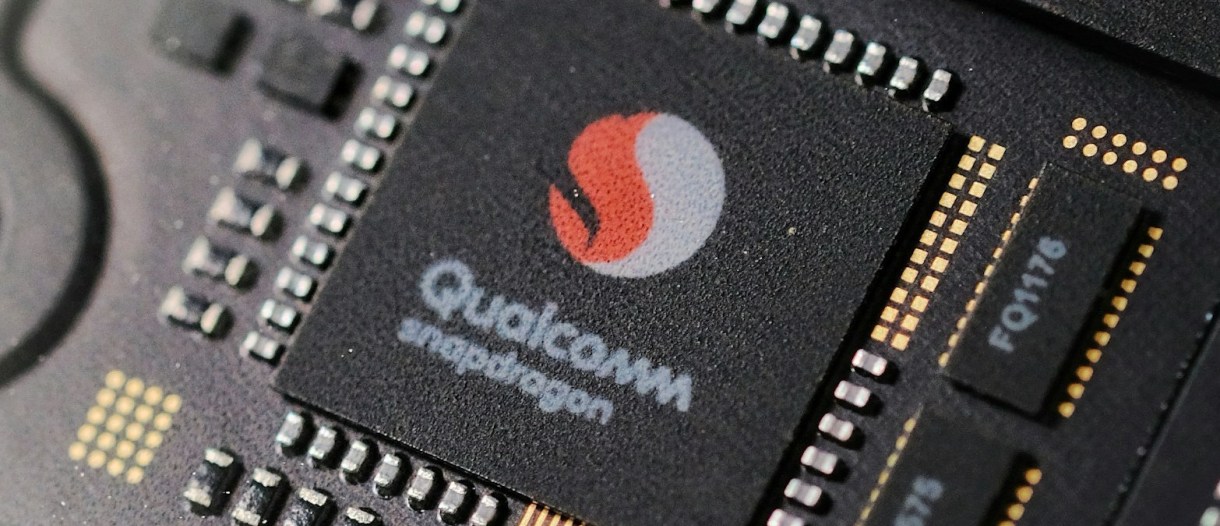
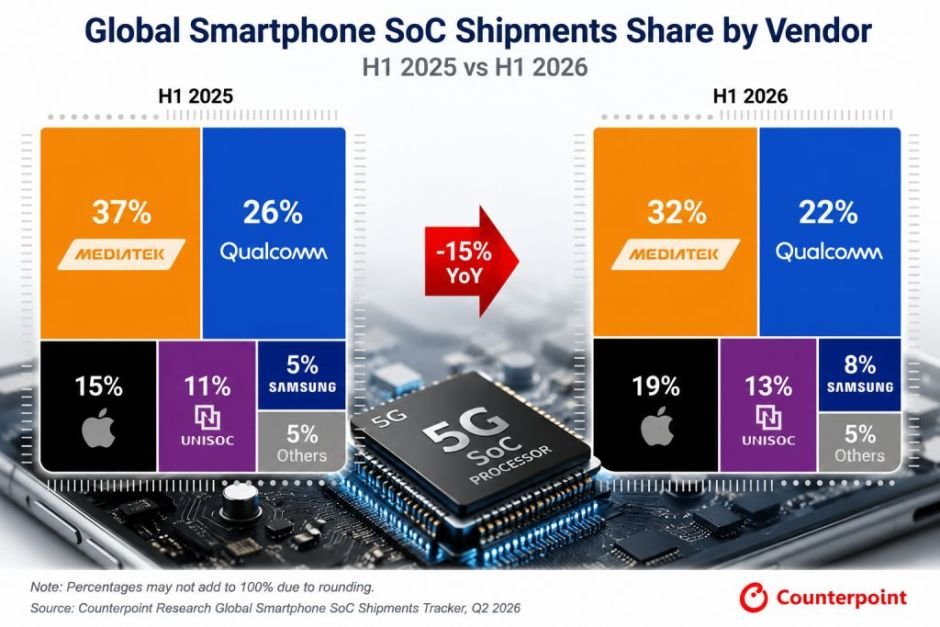
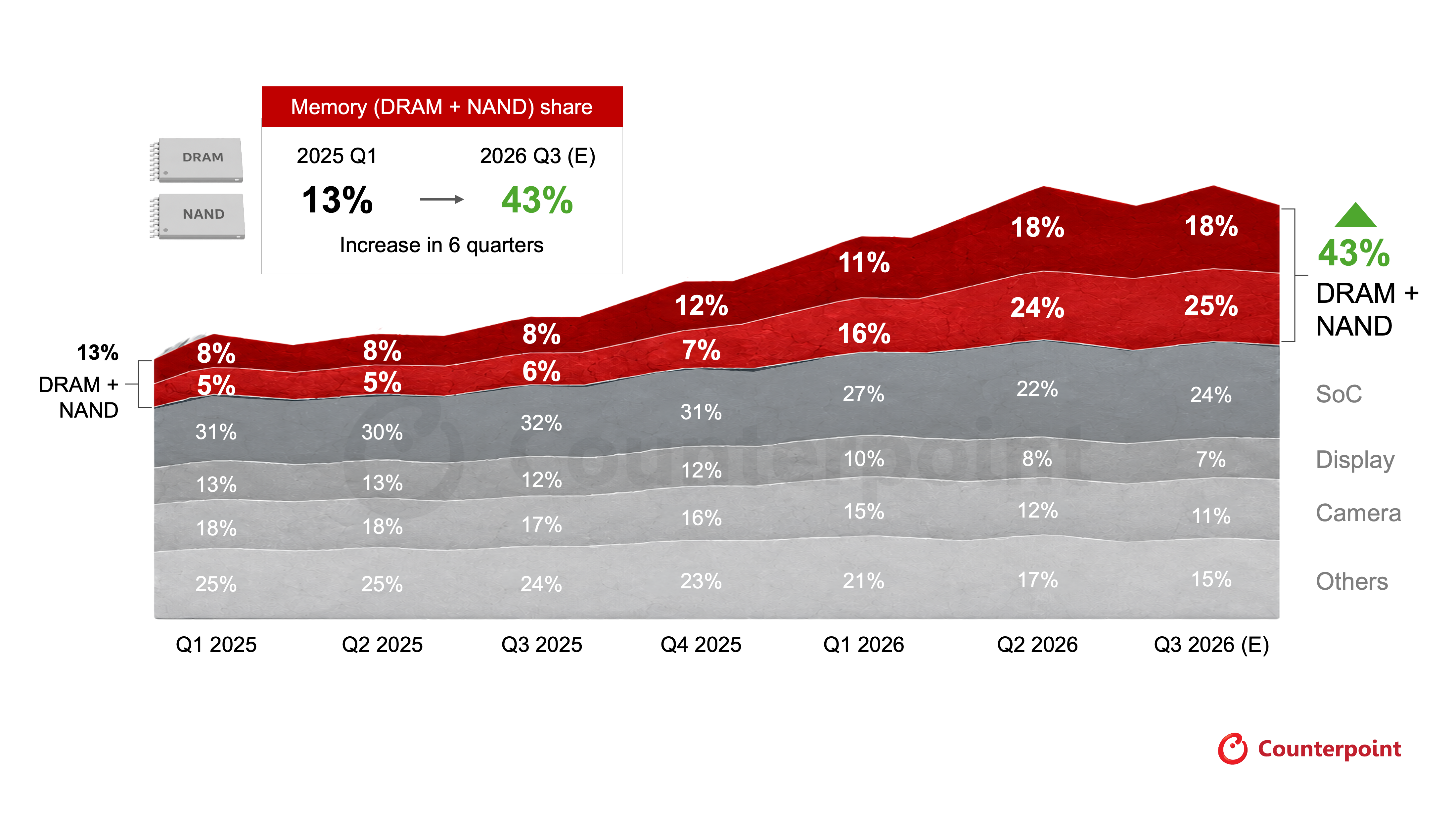
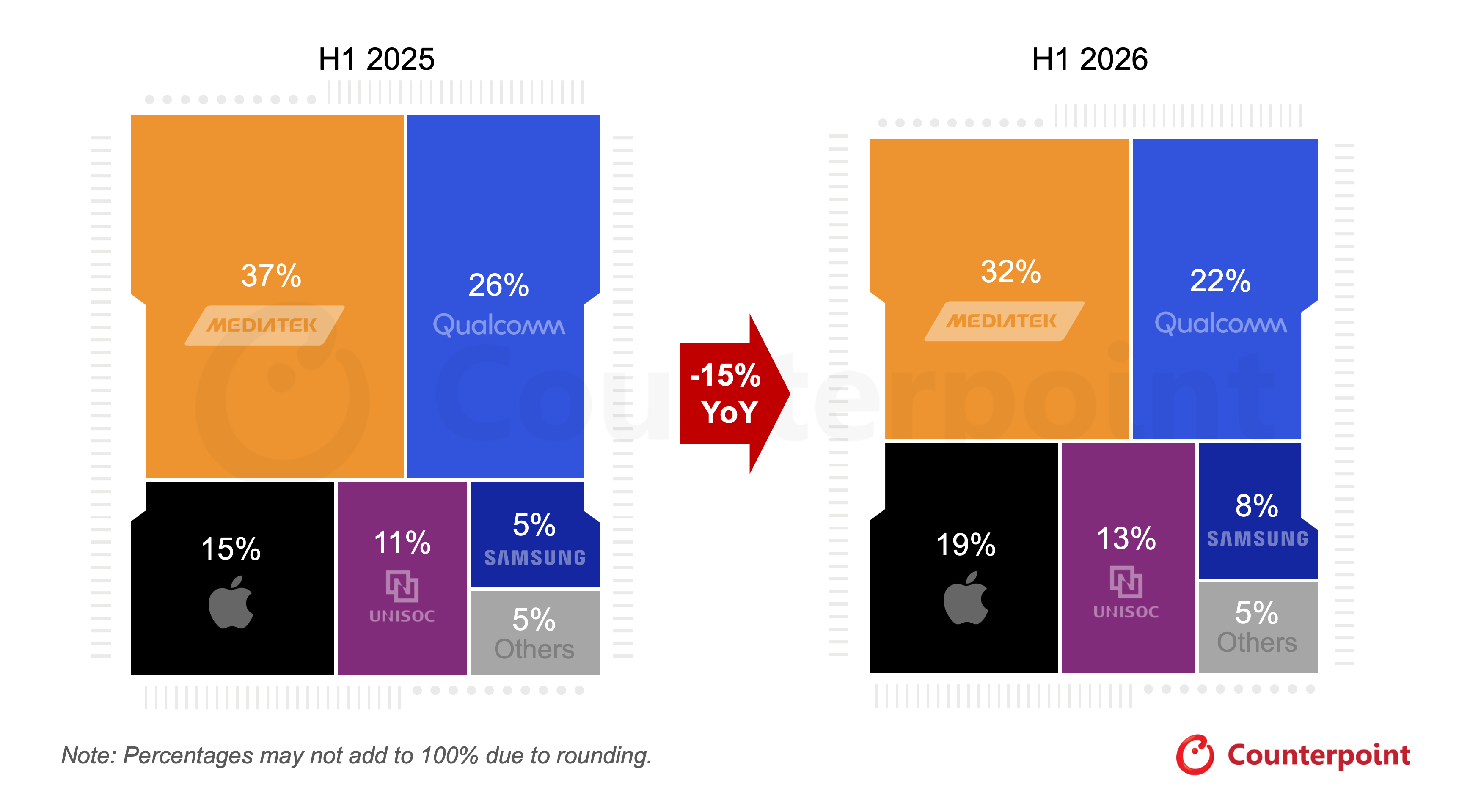
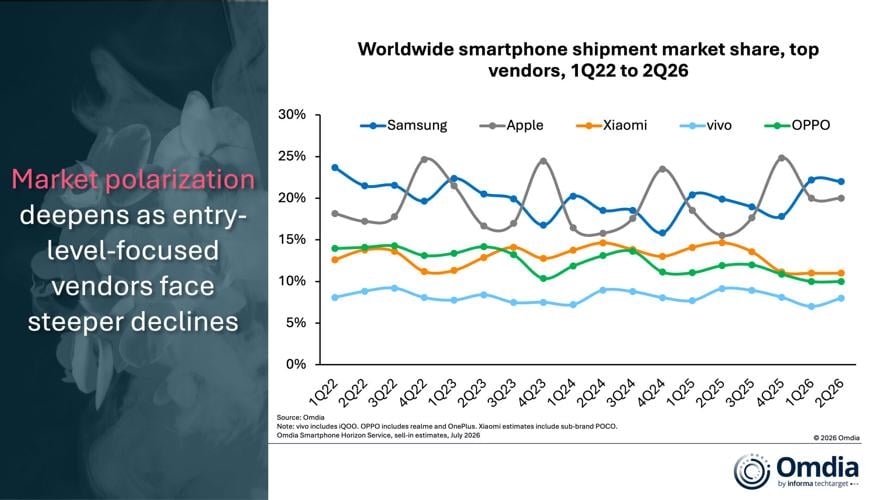
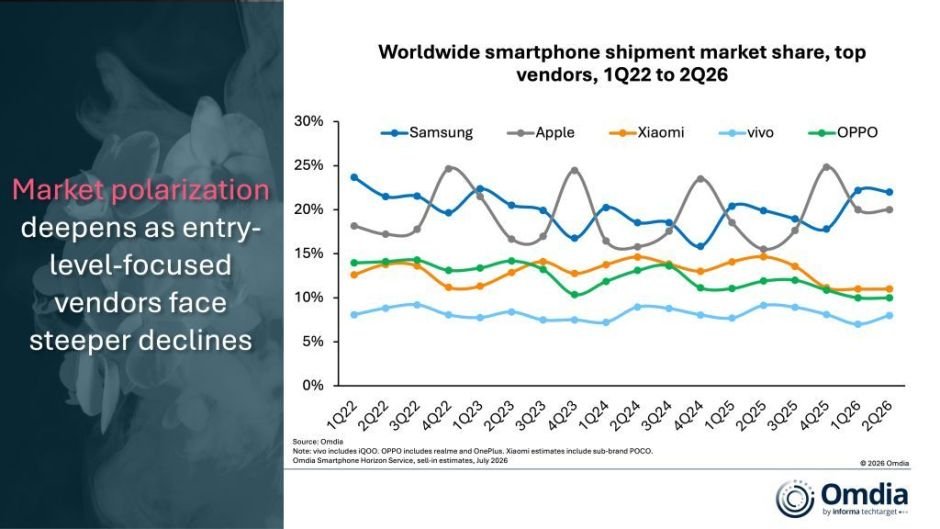
The global smartphone market is experiencing a critical contraction that directly impacts cross-border e-commerce sellers across multiple supply chain tiers. Global smartphone sales declined 6% year-over-year to 272 million units in Q2 2026, while System-on-Chip (SoC) shipments fell 15% YoY in H1 2026, according to Omdia and Counterpoint Research. This dual contraction stems from an escalating memory cost crisis—DRAM and NAND flash prices have surged due to AI demand competing for semiconductor capacity and supply chain constraints. The market reveals a stark bifurcation: premium manufacturers (Apple, Samsung) are strengthening positions despite broader weakness, while budget-focused brands (Xiaomi down 26%, Oppo down 17%) face enforced price increases and portfolio reductions. For cross-border e-commerce sellers, this creates immediate inventory and sourcing challenges. Sellers specializing in smartphone accessories, components, and refurbished devices face collapsing demand as reduced smartphone shipments translate to lower complementary product sales. Asia-Pacific component suppliers—critical sourcing hubs for sellers—now face severe inventory challenges and pricing pressures. The news explicitly states this "represents a critical market shift for sellers dependent on smartphone ecosystem growth, requiring inventory adjustments and strategic sourcing decisions."
The logistics and supply chain implications are severe and immediate. Rising memory component costs have increased bill-of-materials (BOM) costs for manufacturers, forcing production volume reductions and new product launch delays through 2026. This creates a cascading effect: fewer smartphones shipped = lower demand for cases, screen protectors, chargers, cables, and refurbished units. Sellers currently holding inventory in Asia-Pacific warehouses face dual pressures—elevated storage costs due to slow turnover and potential forced liquidation at 30-50% discounts to clear warehouse space. Samsung's mobile division posted its first-ever quarterly loss despite 22% market share gains, signaling that even market leaders cannot maintain margins. However, Samsung's semiconductor division generated record revenue supplying memory to AI companies, indicating that memory component scarcity will persist through 2026. Strategic sourcing shifts are critical now. Sellers should immediately audit inventory positions: liquidate slow-moving smartphone accessories in Asia-Pacific warehouses before Q3 2026, shift sourcing focus from budget smartphone categories (Xiaomi, Oppo ecosystem products) toward premium accessory segments (Apple iPhone 17 cases, Samsung Galaxy premium accessories) where demand remains resilient. Apple's staggered iPhone 18 launch strategy (Pro/Ultra Fall 2026, standard models Spring 2027) creates a 6-month window of reduced new-device demand, directly impacting accessory sales velocity. The projected price increases for low-end smartphones through 2026 will further compress demand in budget accessory categories, making inventory reduction urgent for sellers in this segment.
Questions 8
How does the 6% smartphone sales decline impact cross-border accessory sellers?
The 6% global smartphone sales decline to 272 million units in Q2 2026 directly reduces demand for complementary products like cases, chargers, and screen protectors. Sellers specializing in smartphone accessories face collapsing demand as fewer devices ship. Refurbished smartphone sellers are particularly impacted, as reduced new device sales lower the supply of trade-in units. Sellers should immediately liquidate slow-moving accessory inventory in Asia-Pacific warehouses before Q3 2026 to avoid storage cost penalties and potential 30-50% markdown losses.
How should sellers adjust warehouse positioning for this market shift?
The 15% SoC shipment decline indicates sustained production constraints through 2026. Sellers should reduce inventory in Asia-Pacific fulfillment centers (where supplier inventory challenges are acute) and redistribute toward US/EU FBA networks where premium smartphone demand remains strong. Consider shifting from FBA to 3PL warehousing for slow-moving accessory SKUs to reduce per-unit storage costs from $0.87 to $0.30-0.50/month. For refurbished smartphone inventory, prioritize US-based warehouses where Apple and Samsung trade-in demand is highest, avoiding Asia-Pacific storage cost penalties during this contraction period.