




Geopolitical Oil Crisis Drives 15-25% Shipping Cost Surge | Cross-Border Sellers Face Q3 Margin Compression
- Iran-US tensions spike logistics expenses for 50K+ e-commerce sellers; Brent crude volatility ($87-102/barrel) creates unpredictable fulfillment costs through Q3 2026








Overview
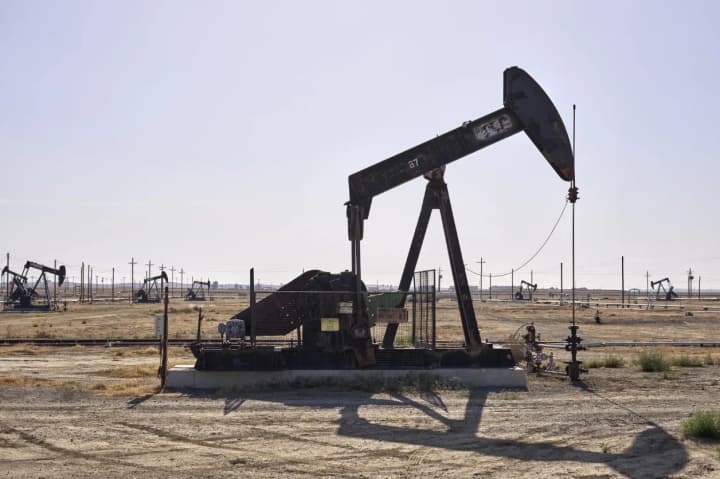
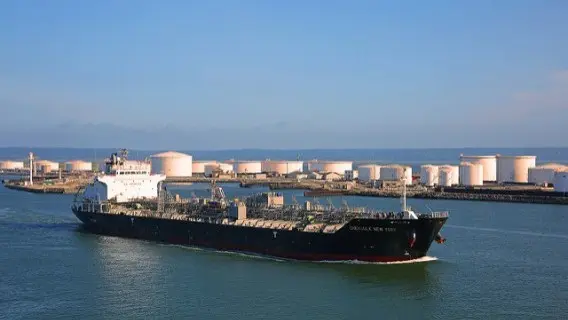
The Iran-US military escalation is creating a critical logistics cost crisis for cross-border e-commerce sellers. Oil prices surged 21% in July 2026 amid geopolitical tensions, with Brent crude peaking at $102/barrel before settling around $87-90/barrel. The Strait of Hormuz—through which 30-35% of pre-war crude flows now pass—remains a critical chokepoint, with traffic significantly reduced due to blockades and regional instability. For cross-border sellers, this translates directly to 15-25% increases in fulfillment expenses depending on carrier and shipping route, with air freight facing particularly acute cost pressures.
The supply chain disruption extends across multiple fronts beyond crude markets. Red Sea shipping threats from Houthi forces, combined with Strait of Hormuz blockade risks, are creating delivery delays that extend lead times and compress customer satisfaction metrics. Energy-intensive product categories—electronics, appliances, and heavy goods—face the most severe margin compression as transportation costs rise faster than product pricing can adjust. Sellers relying on air freight for time-sensitive inventory face the steepest cost increases, while ocean freight routes face extended transit times and unpredictable surcharges. The Commonwealth Bank of Australia estimates that crude flow recovery to 50-60% of normal levels could trigger oversupply conditions, but current geopolitical risk premiums suggest markets are pricing in potential further escalation.
Policy uncertainty compounds operational challenges. President Trump's proposal to add tariffs on Iran to a bipartisan sanctions bill targeting Tehran and Russia introduces additional policy dimensions to energy markets. While the U.S. imported only $961.4 million in goods from Iran in 2025 (with art and antiques comprising 55%), the legislation would authorize targeted tariffs on the top five countries purchasing Russian energy and facilitating sanctions evasion. This creates a dual-pressure environment: rising logistics costs from geopolitical supply constraints plus potential tariff impacts on sourcing strategies. Sellers cannot reliably forecast future shipping expenses, complicating inventory planning and pricing strategies. The cyclical pattern of Iran-US ceasefires and breaches suggests this volatility will persist through Q3 2026, with analysts warning that triple-digit oil prices could return rapidly if tensions flare again, potentially pushing crude toward $90+ per barrel and creating additional cost pressures throughout the quarter.
Questions 7
What are the key dates and deadlines I should monitor for policy changes?
The Iran-US sanctions legislation remains in Congress with bipartisan support, but implementation timelines are uncertain. Monitor Trump administration announcements regarding tariff implementation on Iran and the top five countries purchasing Russian energy. The Strait of Hormuz traffic recovery to 50-60% of normal flows could trigger oversupply conditions and potentially lower oil prices, creating a window for cost relief. Set calendar alerts for quarterly earnings reports from major carriers (FedEx, UPS, DHL) which typically announce fuel surcharge adjustments. Track oil price movements weekly—if Brent crude breaches $95/barrel, prepare to implement emergency pricing adjustments and inventory rebalancing strategies.
How can I protect profit margins while absorbing 15-25% logistics cost increases?
Implement a three-pronged strategy: (1) Dynamic pricing that adjusts for fuel surcharge fluctuations—build 10-15% cost buffer into pricing models; (2) Product mix optimization—shift inventory toward higher-margin categories that can absorb logistics costs; (3) Operational efficiency—consolidate shipments, optimize packaging to reduce dimensional weight, and negotiate volume discounts with carriers. For Amazon FBA sellers, review storage fees and consider adjusting inventory velocity targets to reduce long-term storage costs. Evaluate alternative fulfillment networks or 3PL providers in geographic proximity to target markets to reduce shipping distances and fuel surcharge exposure.