


State Gaming Licensing Crackdown on Prediction Markets | Compliance Barriers Create $2B+ Regulatory Moat for Compliant Platforms
- New York lawsuit against Kalshi signals aggressive state-level enforcement of gaming licensing requirements; federal-state jurisdictional conflict creates 4-12 week compliance uncertainty window; sellers of sports merchandise and event-related products face demand volatility from platform restrictions























Overview
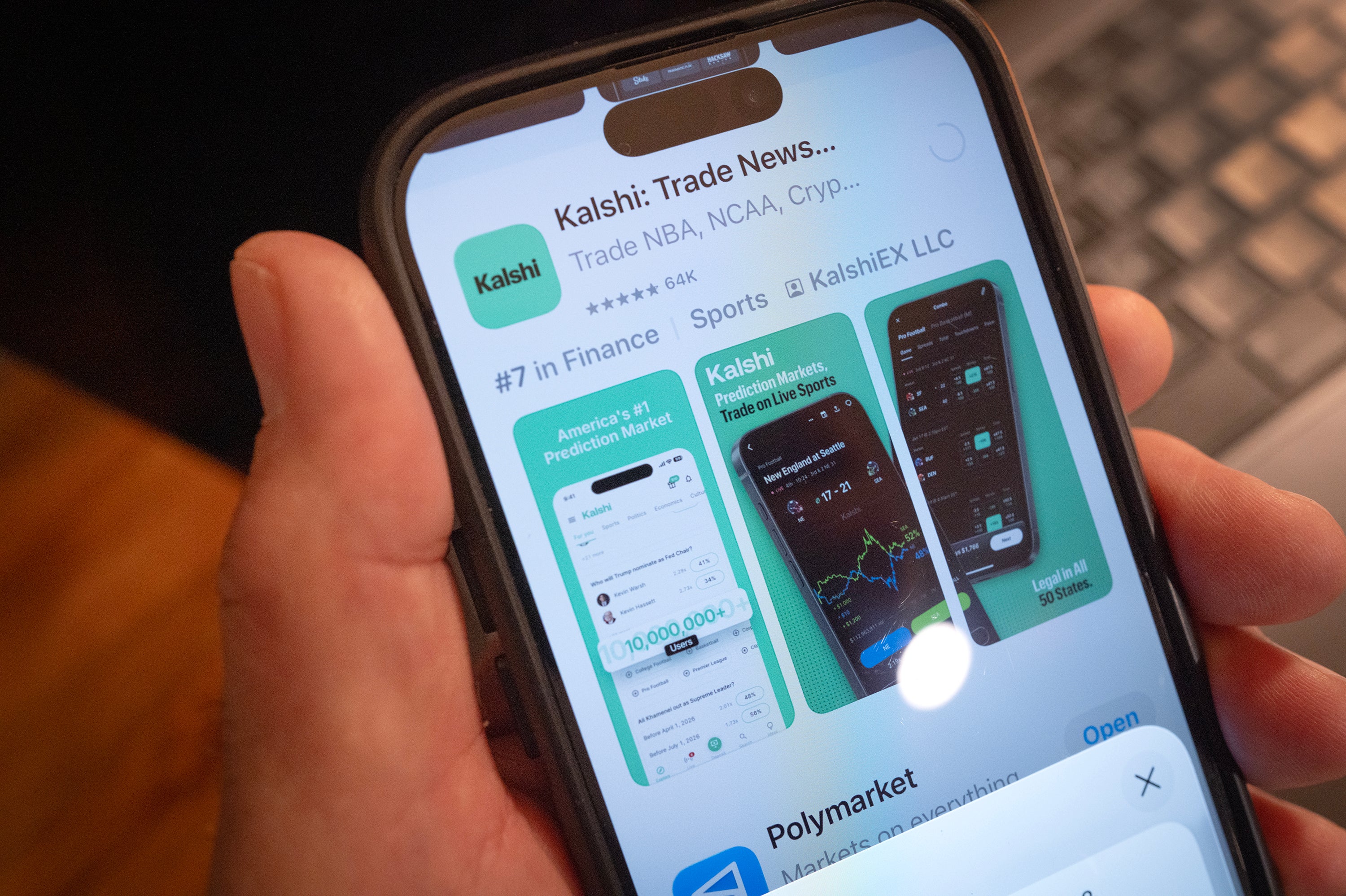
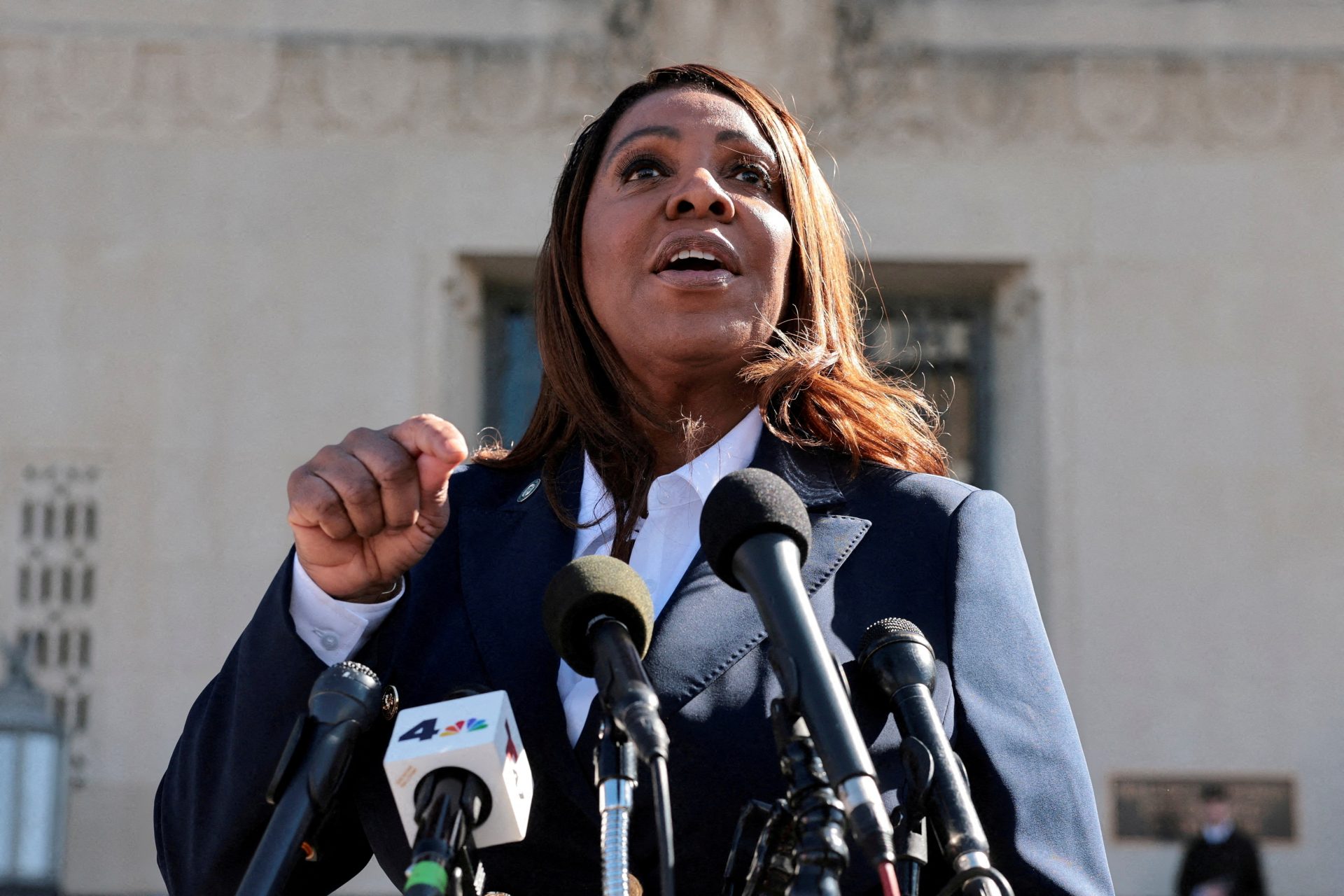
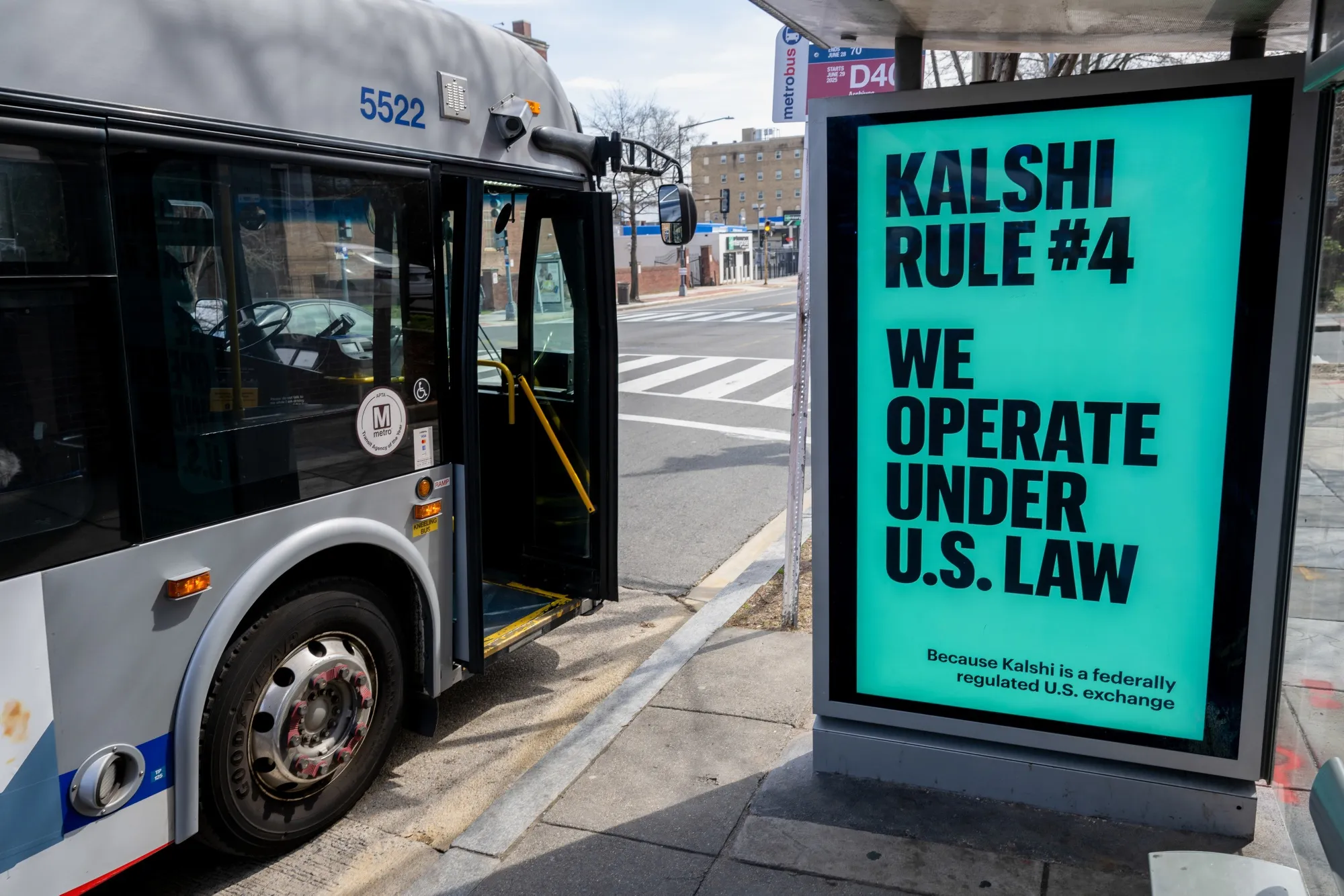
New York's civil lawsuit against Kalshi prediction markets represents a critical regulatory inflection point that creates substantial compliance barriers and market consolidation opportunities. The New York Attorney General filed suit seeking to halt Kalshi's sports wagering operations, alleging unlicensed illegal gambling in violation of state gaming laws. The state claims Kalshi lacks required gaming commission licensing, fails to collect applicable taxes, and violates age restrictions by allowing users 18+ to participate in sports betting (restricted to 21+ under New York law). Penalties include fines equivalent to three times company profits plus $100,000 per unlicensed betting offer, with potential restitution to customers nationwide under New York Executive Law.
This regulatory action creates a high-barrier compliance moat that will eliminate non-compliant competitors while protecting licensed operators. Kalshi has already suffered consecutive federal court defeats (U.S. District Court and 2nd Circuit denials of emergency injunctions), and Massachusetts and Nevada have already blocked its sports contracts. Legal experts anticipate expedited proceedings under New York's summary civil enforcement process, potentially resulting in an injunction halting sports contracts within weeks. The case is led by two former CFTC attorneys (K. Brent Tomer and Alejandra de Urioste), signaling sophisticated regulatory enforcement. The CFTC has filed its own lawsuit against New York, requesting a temporary restraining order, creating federal-state jurisdictional conflict that will likely take 3-6 months to resolve through appellate review.
The fastest compliance path requires state-by-state gaming commission licensing, estimated at $500K-$2M per state with 60-90 day approval timelines. Kalshi's defense—that its contracts are CFTC-regulated financial derivatives rather than gambling—has failed in federal courts, indicating state gaming authorities will prevail. This creates a two-tier market: (1) compliant platforms with state gaming licenses (high barriers, sustainable margins), and (2) offshore alternatives that will capture New York users fleeing restrictions. The regulatory uncertainty window (4-12 weeks during appellate proceedings) creates demand volatility for sports merchandise, event collectibles, and prediction-related products. Sellers should monitor state-by-state licensing developments, as each state's enforcement decision will fragment the prediction market landscape and create regional demand shifts for sports betting-adjacent merchandise.
Questions 8
What are the specific compliance requirements for prediction market platforms operating in New York?
Prediction market platforms must obtain gaming commission licensing from the New York State Gaming Commission, collect applicable state taxes, and enforce age restrictions limiting sports betting to users 21 and older. The New York lawsuit against Kalshi alleges the platform violated all three requirements. Compliance costs typically range from $500K-$2M per state with 60-90 day approval timelines. Platforms must also implement identity verification systems, maintain segregated customer funds, and submit to regular audits. Non-compliance penalties include fines equal to three times company profits plus $100,000 per unlicensed betting offer, plus mandatory restitution to affected customers nationwide.
Which states have already blocked prediction market platforms and what does this signal?
Massachusetts and Nevada have already blocked Kalshi's sports contracts, signaling that state-level enforcement of gaming licensing requirements is accelerating. New York's lawsuit follows similar enforcement actions against cryptocurrency platforms Coinbase and Gemini for offering prediction markets. This pattern indicates that state gaming commissions are prioritizing prediction market enforcement over federal CFTC deference. Sellers should expect 15-25 additional states to implement similar licensing requirements over the next 12-18 months. The regulatory fragmentation will create a patchwork of compliant and non-compliant states, requiring prediction market platforms to implement state-specific compliance systems. This creates opportunities for compliance service providers offering state-by-state licensing support.