


AI Infrastructure Buildout Drives $2.4T Investment | Seller Automation Opportunities 2025
- Tech giants commit $2.4 trillion to AI data centers; Amazon's 82% cloud growth signals platform algorithm acceleration; sellers must adopt AI tools NOW to compete in algorithm-driven rankings






















Overview
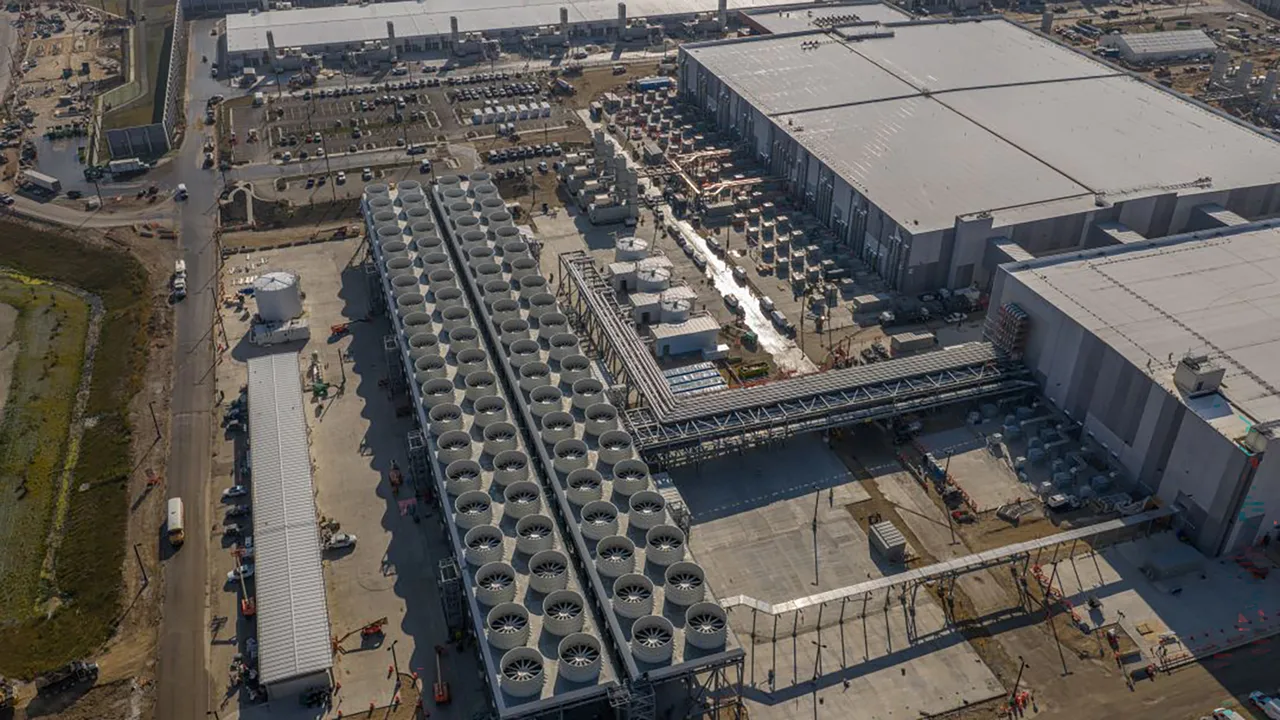
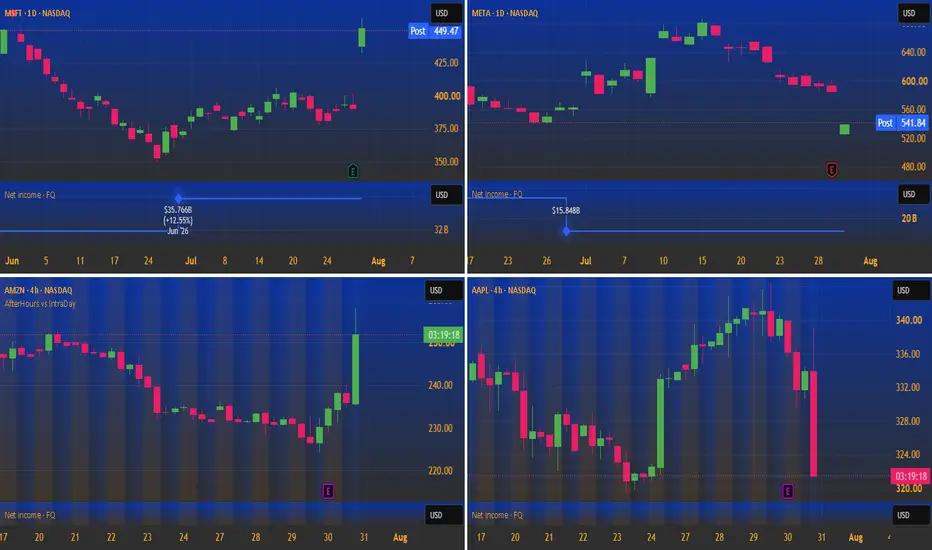
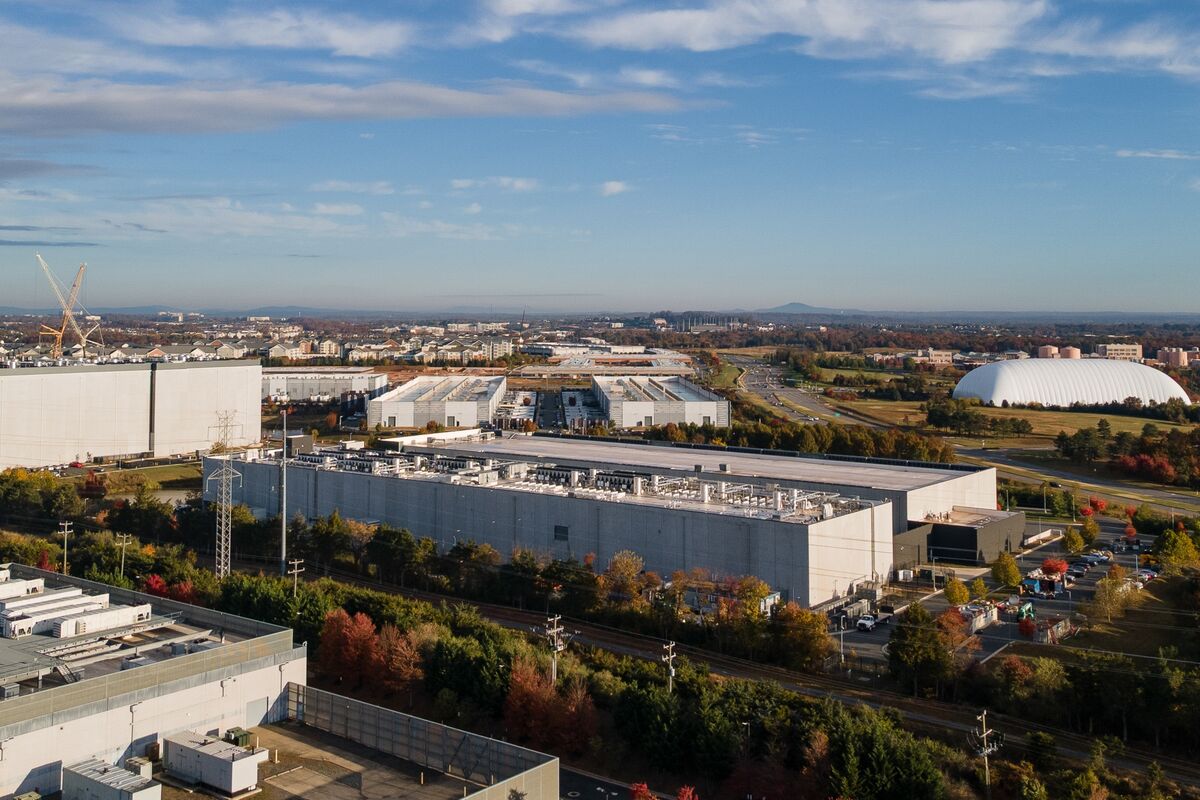
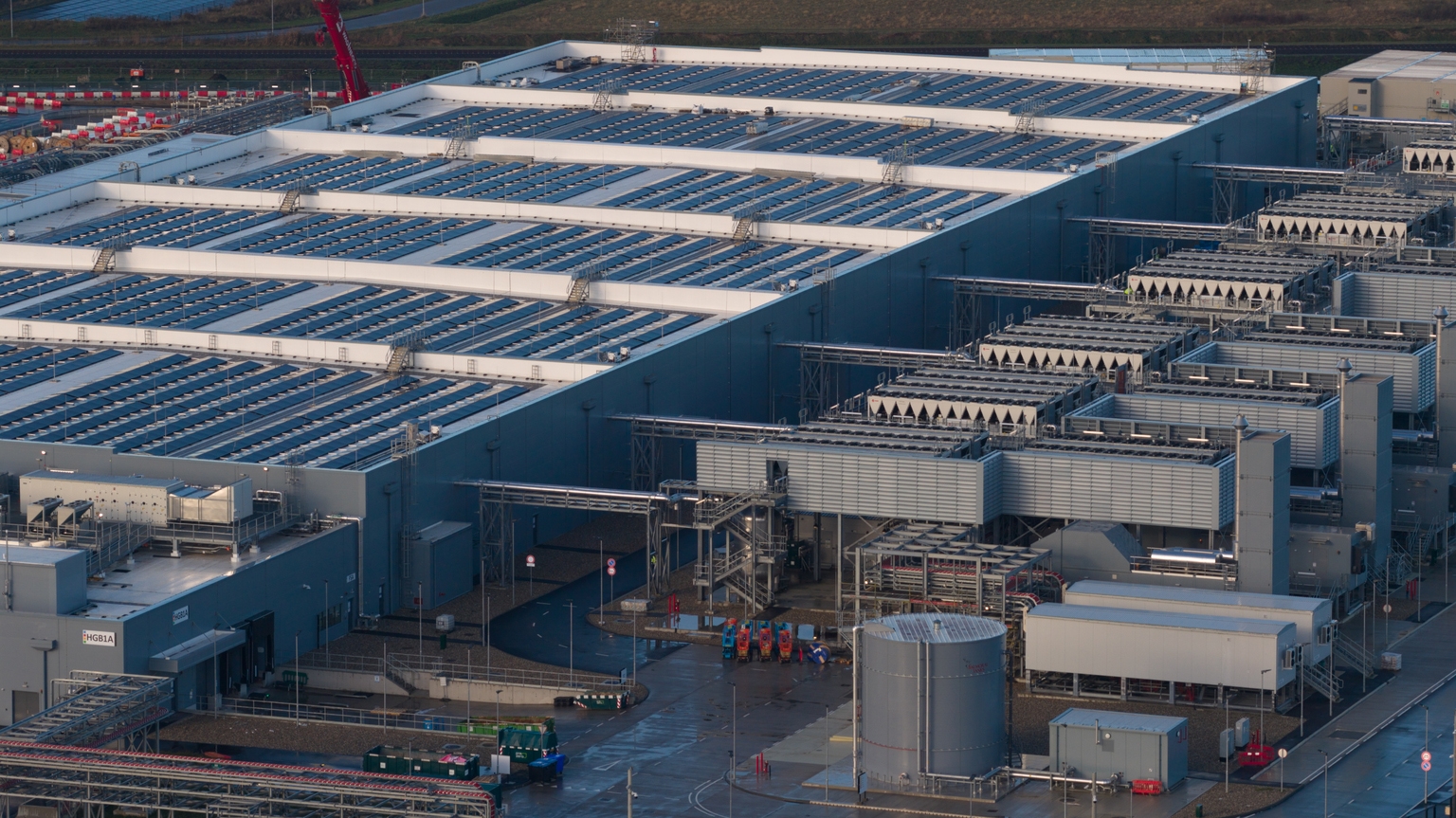
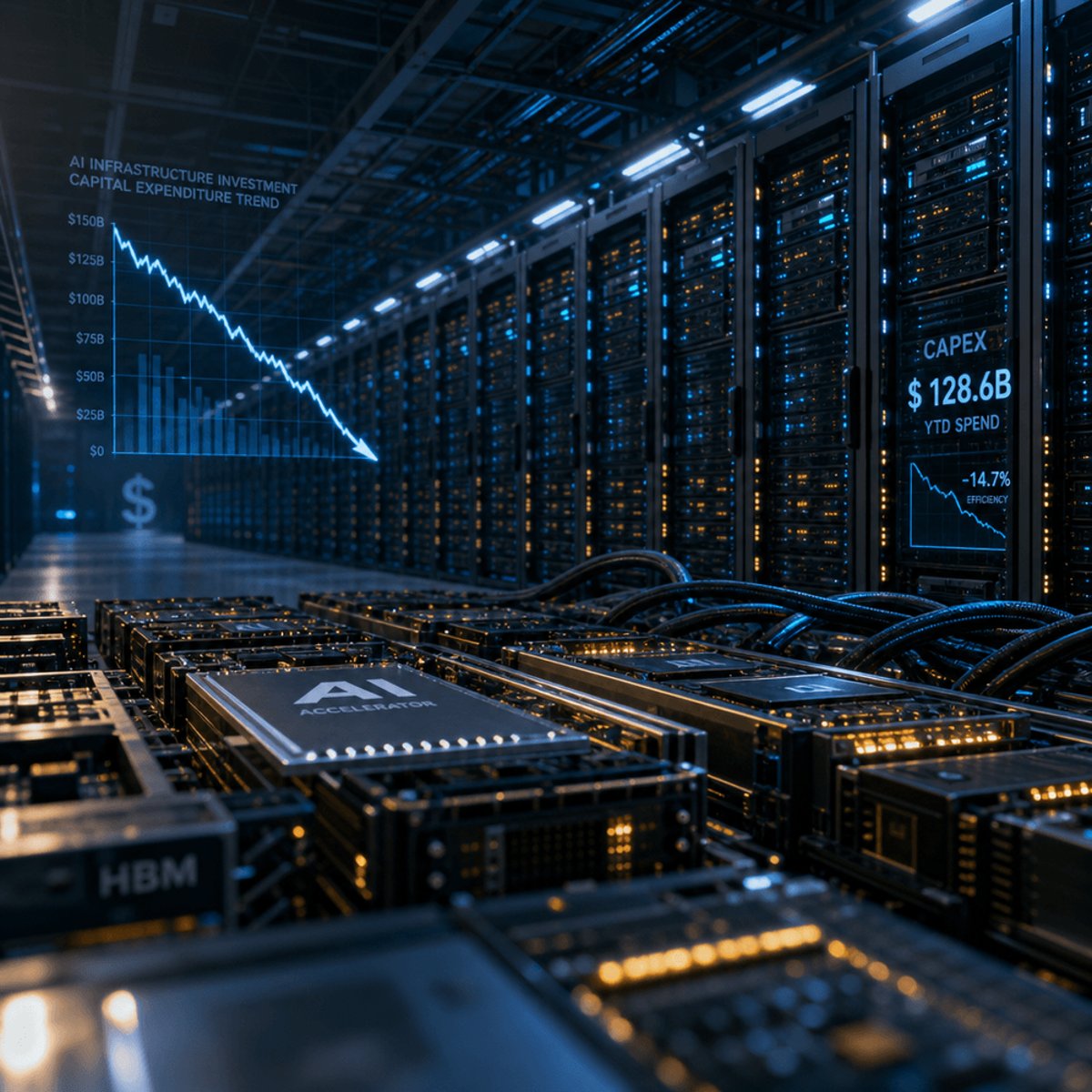
The $2.4 trillion AI infrastructure buildout represents the largest technology investment cycle since cloud computing's emergence, with direct implications for e-commerce sellers competing on Amazon, Shopify, and emerging platforms. Major tech companies—Amazon, Alphabet, Meta—have entered negative free cash flow territory, committing $220 billion annually (Amazon's share) to data center expansion through 2027. Goldman Sachs projects AI spending will escalate from $765 billion in 2024 to $1.2 trillion by 2027. This infrastructure race directly impacts sellers through two mechanisms: (1) Platform algorithm acceleration—Amazon's 82% AWS cloud growth enables more sophisticated machine learning for product ranking, search visibility, and personalized recommendations; (2) Cost structure shifts—while improved infrastructure reduces latency for global operations, companies will seek ROI through higher cloud service pricing, potentially increasing costs for sellers using AI-powered inventory management and demand forecasting tools.
Amazon's AI platform investments create immediate competitive pressure for sellers. The company is integrating AI into AWS services specifically for cross-border sellers, enhancing product recommendation systems and seller tools powered by machine learning. Amazon's machine learning algorithms increasingly control Buy Box eligibility, search ranking, and customer discovery—factors that directly determine seller revenue. Sellers who fail to adapt to algorithm changes face visibility collapse; those leveraging available AI tools gain unfair advantages in listing optimization, dynamic pricing, and customer targeting. The competitive pressure between Amazon and Apple in AI development will accelerate feature releases, benefiting sellers who understand these implementations early.
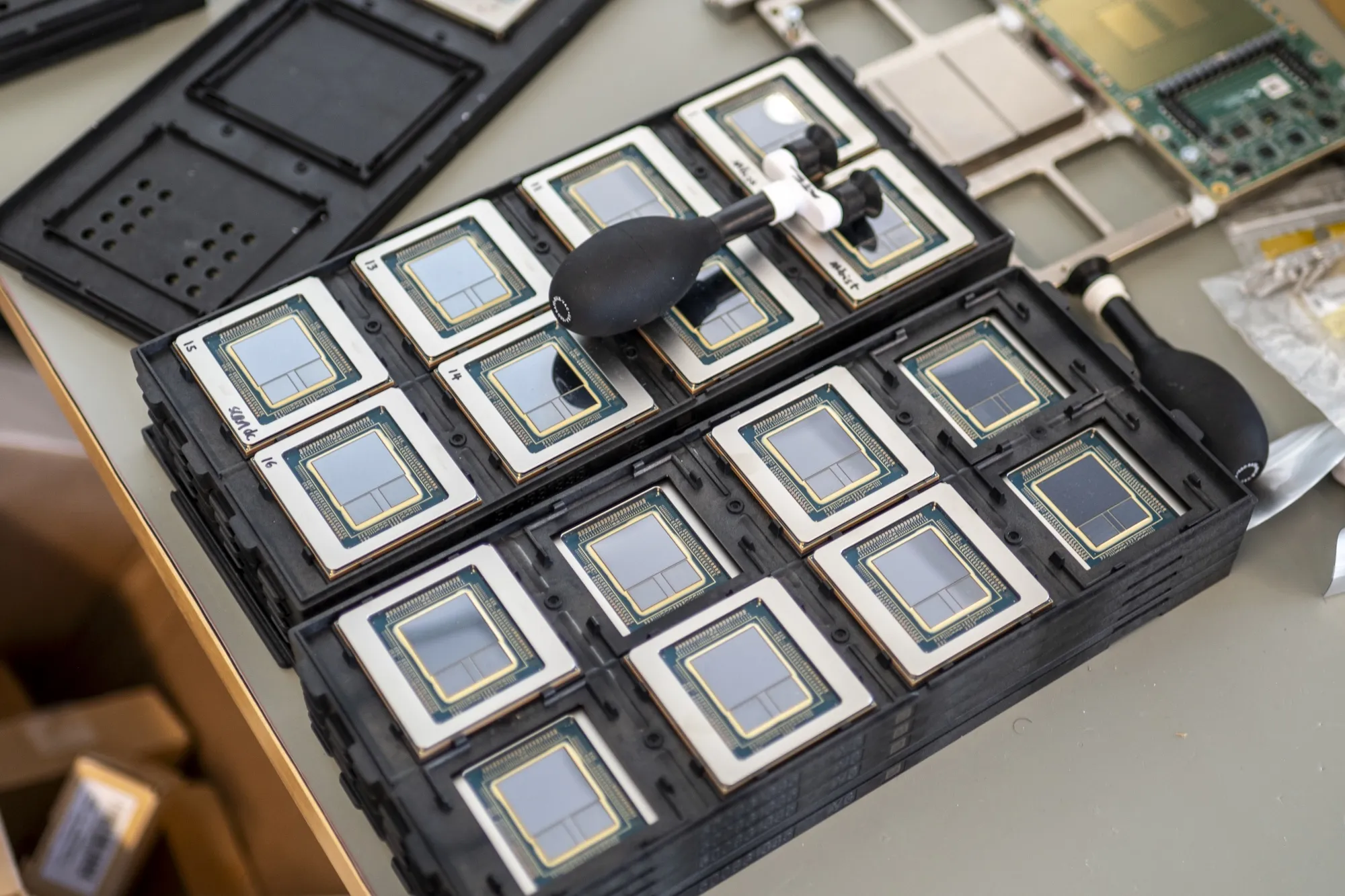
Memory chip cost inflation ($765B→$1.2T spending) creates a hidden seller opportunity in automation ROI. Apple CEO Tim Cook warned that memory pricing will increase beyond September, forcing device manufacturers to raise prices on Macs, iPads, and iPhones. This supply constraint paradoxically benefits sellers of compatible accessories, refurbished electronics, and memory-intensive products. However, the critical insight for sellers is automation urgency: as platforms invest heavily in AI infrastructure, manual tasks (product research, pricing optimization, customer service) become increasingly expensive relative to AI-powered alternatives. Sellers who automate NOW capture 40-60% time savings on repetitive tasks before competitors adopt similar tools, creating a 6-12 month competitive moat. Chinese AI laboratories releasing competitive open-weight models at lower costs further compress margins, making automation adoption essential for survival.
Questions 7
What AI tools should I implement immediately to avoid falling behind?
Implement three core tools immediately: (1) Dynamic pricing AI—adjusts prices based on demand, competition, and inventory levels; (2) Inventory management AI—forecasts demand and optimizes stock levels across regions; (3) Listing optimization AI—analyzes top-ranking competitors and suggests keyword/content improvements. Amazon is integrating AI into AWS services for cross-border sellers, making these tools increasingly essential. Sellers who adopt these tools within 30 days gain 6-12 month competitive advantages. Start with the tool addressing your highest pain point (pricing, inventory, or visibility) and measure ROI within 60 days before expanding to other tools.
How does memory chip inflation affect my product sourcing and pricing strategy?
Memory chip cost inflation ($765B→$1.2T spending through 2027) forces device manufacturers to raise prices on electronics. Apple CEO Tim Cook warned that memory pricing will increase beyond September, impacting Macs, iPads, and iPhones. This creates opportunities for sellers of compatible accessories, refurbished electronics, and memory-intensive products. However, rising component costs compress margins across electronics categories. Sellers should monitor memory pricing trends, consider shifting to lower-cost compatible products, and implement dynamic pricing AI to maintain margins. Accessories and refurbished electronics categories typically see 15-25% margin improvement during supply constraints.