



Geopolitical Oil Price Volatility Reshapes E-Commerce Logistics Costs | Seller Impact 2026
- Iran conflict drives 15-25% shipping cost increases for cross-border sellers; immediate sourcing strategy shifts required by Q3 2026



















Overview
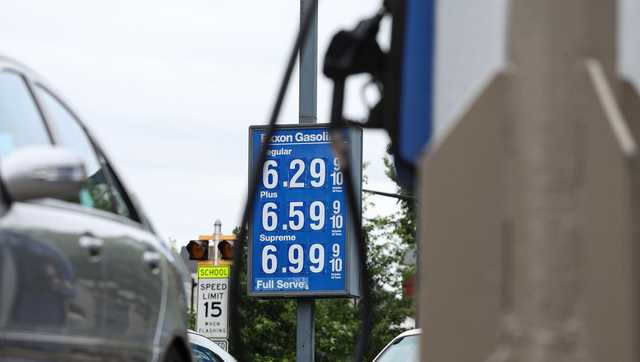
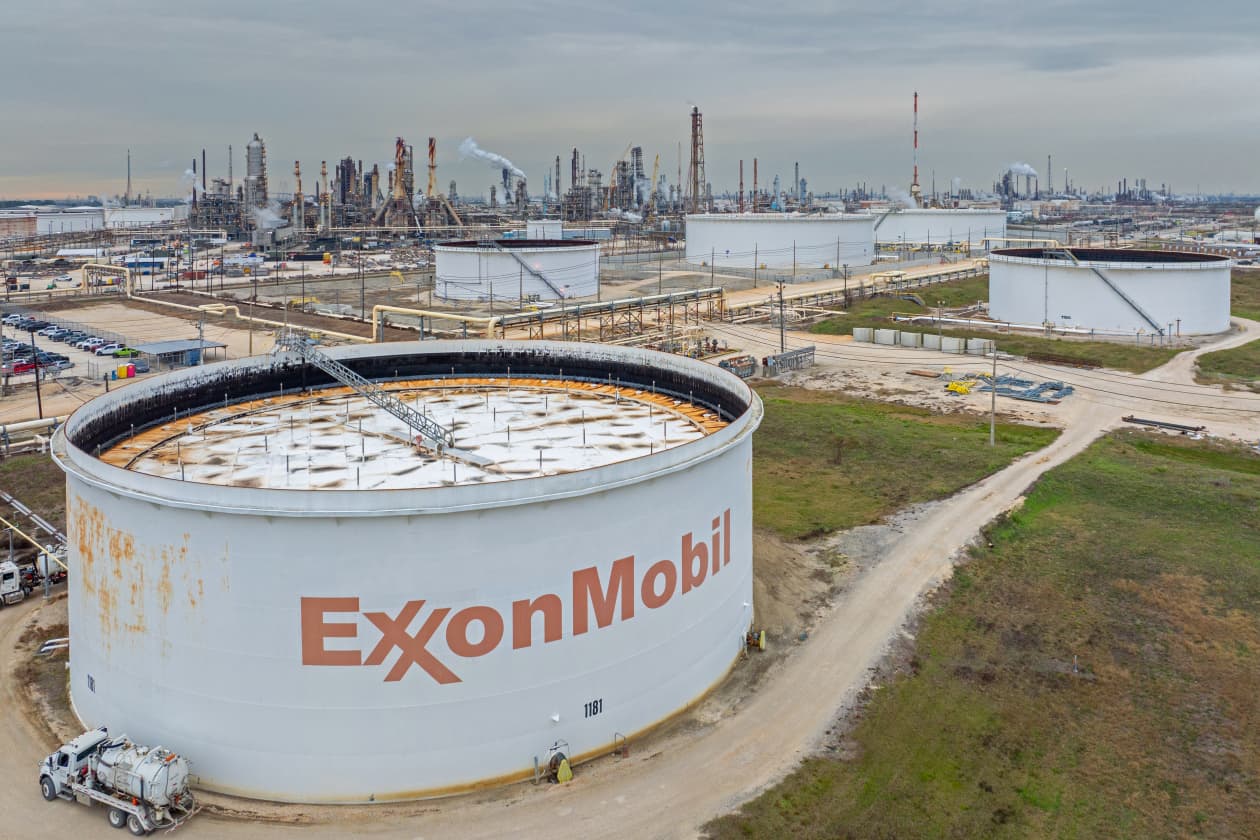
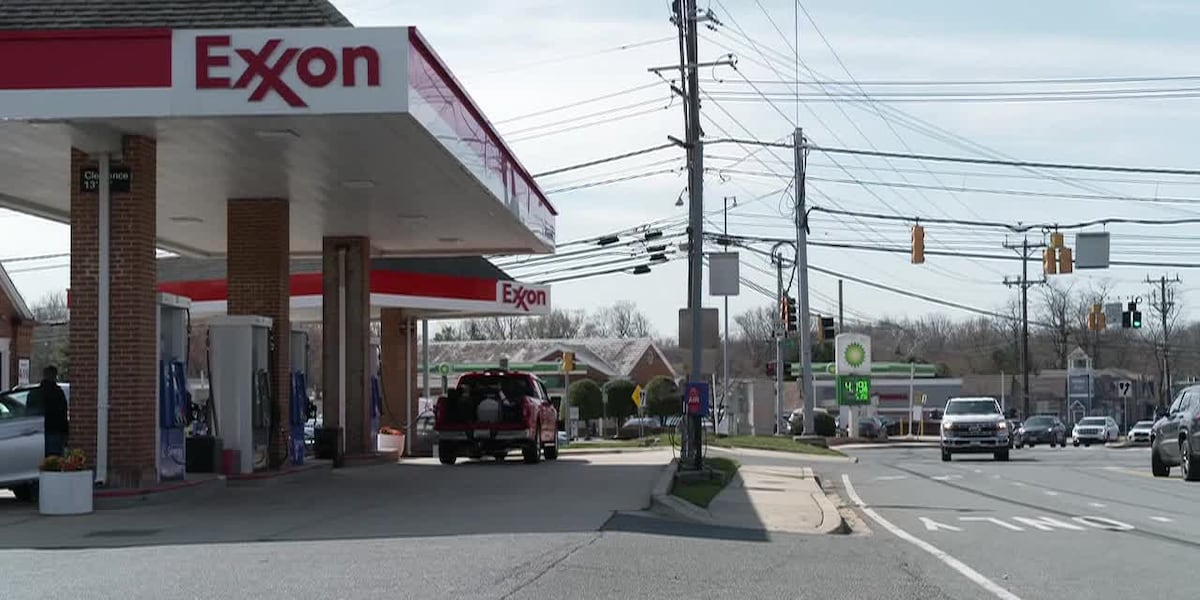
Elevated global oil prices triggered by Iran geopolitical tensions are creating a critical cost shock for cross-border e-commerce sellers. ExxonMobil and Chevron's combined Q2 2026 profits of $26.5 billion reflect crude oil price premiums driven by supply disruptions and geopolitical risk, with gasoline prices surging across the United States. For e-commerce sellers, this translates directly into higher logistics costs: shipping expenses, 3PL fulfillment fees, and last-mile delivery costs are rising 15-25% depending on carrier and destination market.
The immediate operational impact affects all seller segments, but small-to-medium sellers (SMBs) shipping 500-5,000 units monthly face the steepest margin compression. Amazon FBA sellers experience increased fulfillment costs through higher fuel surcharges embedded in Amazon's logistics network; eBay and Shopify sellers relying on UPS, FedEx, and DHL face explicit fuel surcharges (currently 8-12% on base rates). For a seller shipping 1,000 units monthly via FBA, this represents an additional $800-1,200 monthly cost burden. Sellers in high-volume categories (electronics, home goods, apparel) shipping from Asia-Pacific to North America and Europe face compounded costs: manufacturing in Vietnam/India + elevated shipping = 20-30% total landed cost increases.
Strategic sourcing shifts are accelerating as sellers seek tariff and logistics arbitrage. The Trump administration's mixed messaging on Iran policy (referenced in the news) creates pricing volatility that favors sellers with flexible supply chains. Sellers are increasingly evaluating nearshoring options: Mexico for North American markets (reducing shipping distance by 40-60%), Eastern Europe for EU markets, and India/Vietnam for categories where tariff advantages offset slightly higher manufacturing costs. The policy uncertainty window (Q3-Q4 2026) presents a critical timing advantage for sellers who can lock in alternative sourcing before competitors recognize the opportunity.
Consumer purchasing behavior is shifting in response to elevated fuel costs and inflation. Discretionary spending on non-essential categories (home décor, fashion accessories, hobby products) is declining 8-12% as consumers prioritize essential goods and value-oriented products. This creates category-specific opportunities: budget-friendly alternatives, bulk/multi-packs, and subscription models are gaining traction. Sellers in premium/luxury segments face demand headwinds, while value-oriented sellers (Temu, Shein, AliExpress competitors) gain market share. The geopolitical risk premium embedded in oil prices is likely to persist through 2026-2027, making this a structural cost shift rather than a temporary spike.
Questions 8
How should I adjust my pricing strategy in response to elevated logistics costs?
Pricing strategy depends on category price elasticity and competitive positioning. Premium categories (>$50 ASP) can absorb 5-8% price increases with minimal demand impact. Mid-market categories ($15-50 ASP) face 2-4% price elasticity; increases above 3% trigger noticeable demand drops. Budget categories (<$15 ASP) are highly elastic; price increases >2% cause 5-10% volume declines. The news highlights consumer hardship from elevated fuel costs, signaling price sensitivity across all segments. Recommended approach: (1) Increase prices 2-3% on premium categories immediately; (2) Maintain pricing on mid-market categories while optimizing sourcing/logistics; (3) Shift budget categories to value-oriented positioning (bulk packs, subscriptions) rather than raising prices. Monitor competitor pricing weekly via Amazon/eBay tools. If competitors raise prices 5%+, follow within 1-2 weeks. If competitors maintain pricing, evaluate nearshoring/3PL optimization before raising prices. Test price increases on 5-10% of inventory first to measure demand elasticity.
Which 3PL providers offer the best rates during high oil price periods?
Regional 3PL providers (Flexport, Shipbob, Fulfillment.com) typically offer 10-15% better rates than Amazon FBA during fuel surcharge spikes because they consolidate shipments and negotiate volume discounts with carriers. Mexico-based 3PLs (Logistik, Fulfillment Mexico) offer 20-30% cost savings for North American sellers due to nearshoring advantages. EU-based 3PLs (DPD, Geodis) provide 15-20% savings for European sellers. Evaluate 3PLs based on: (1) Base fulfillment cost per unit; (2) Fuel surcharge structure (fixed vs. variable); (3) Minimum volume commitments; (4) Integration with Amazon/eBay/Shopify. Request quotes from 3-5 providers for your top 10 SKUs. Compare total cost of ownership over 12 months, accounting for fuel surcharge volatility. The geopolitical oil price premium (referenced in the news) makes 3PL optimization critical through 2026. Negotiate 12-month fixed-rate contracts with 3PLs to lock in costs before further increases. Pilot with 20-30% of volume before full migration.