



CPSC Recalls 1.5M Lithium-Ion Hand Warmers | Compliance Barriers Protect Sellers
- 1,480 overheating incidents, 350 burn injuries, 1 death trigger major Amazon/Walmart recall; sellers face UL 2054 battery certification requirements costing $8-15K and 60-90 days to achieve compliance


Overview
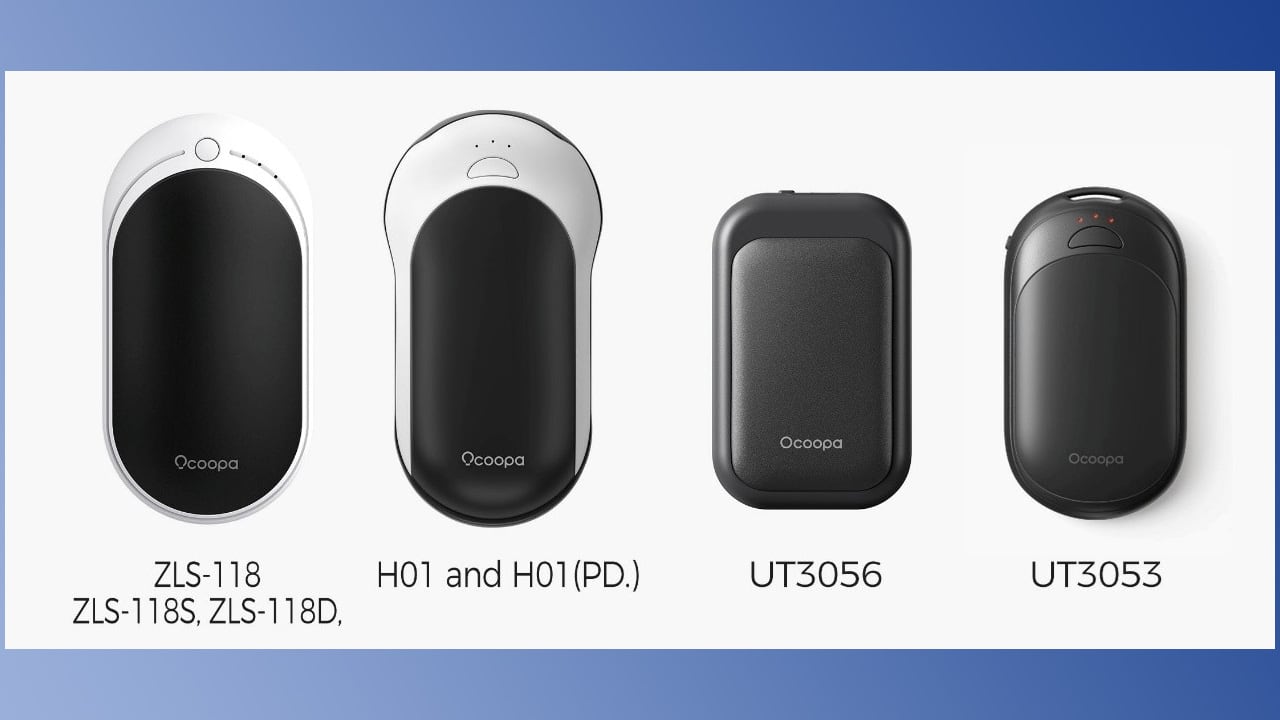
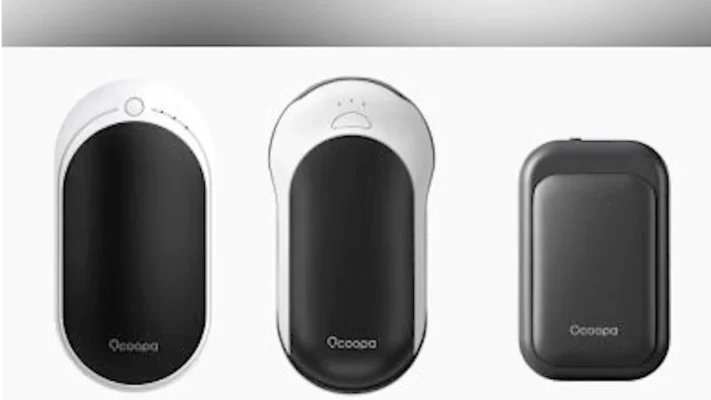
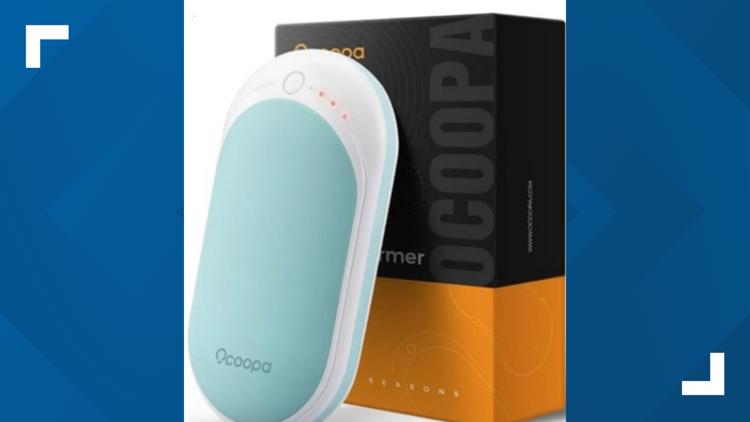
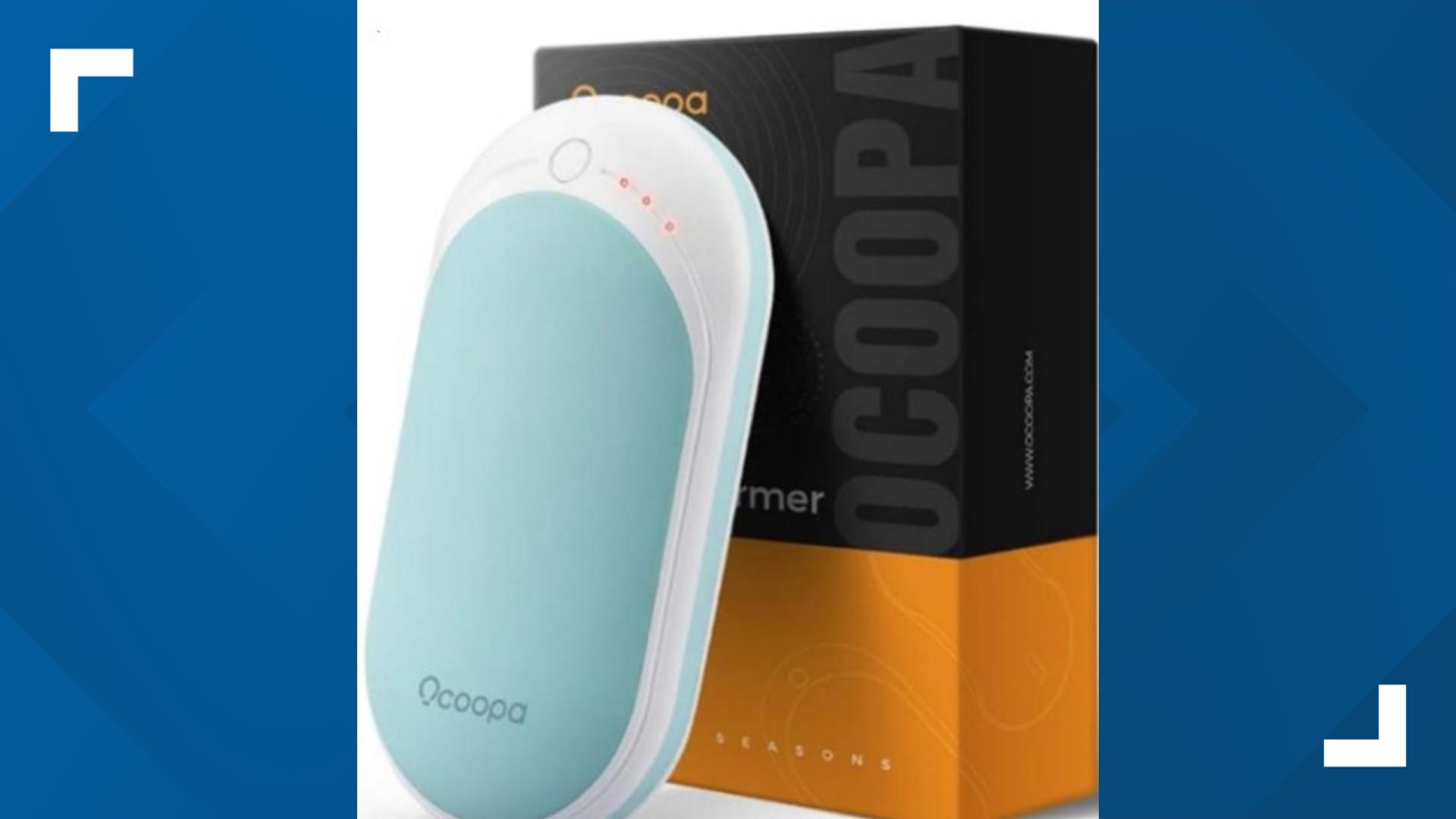
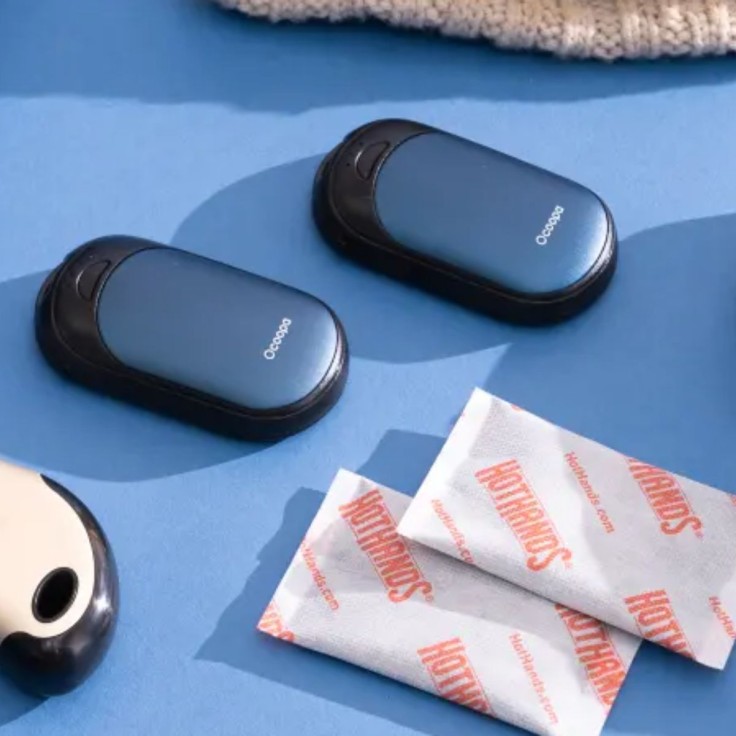
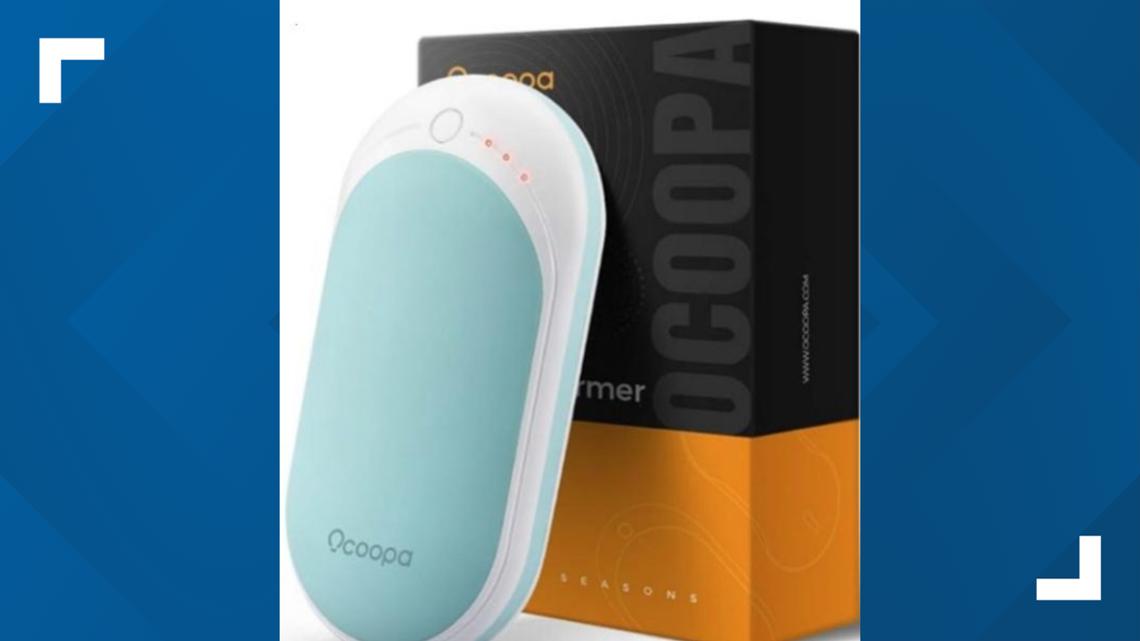
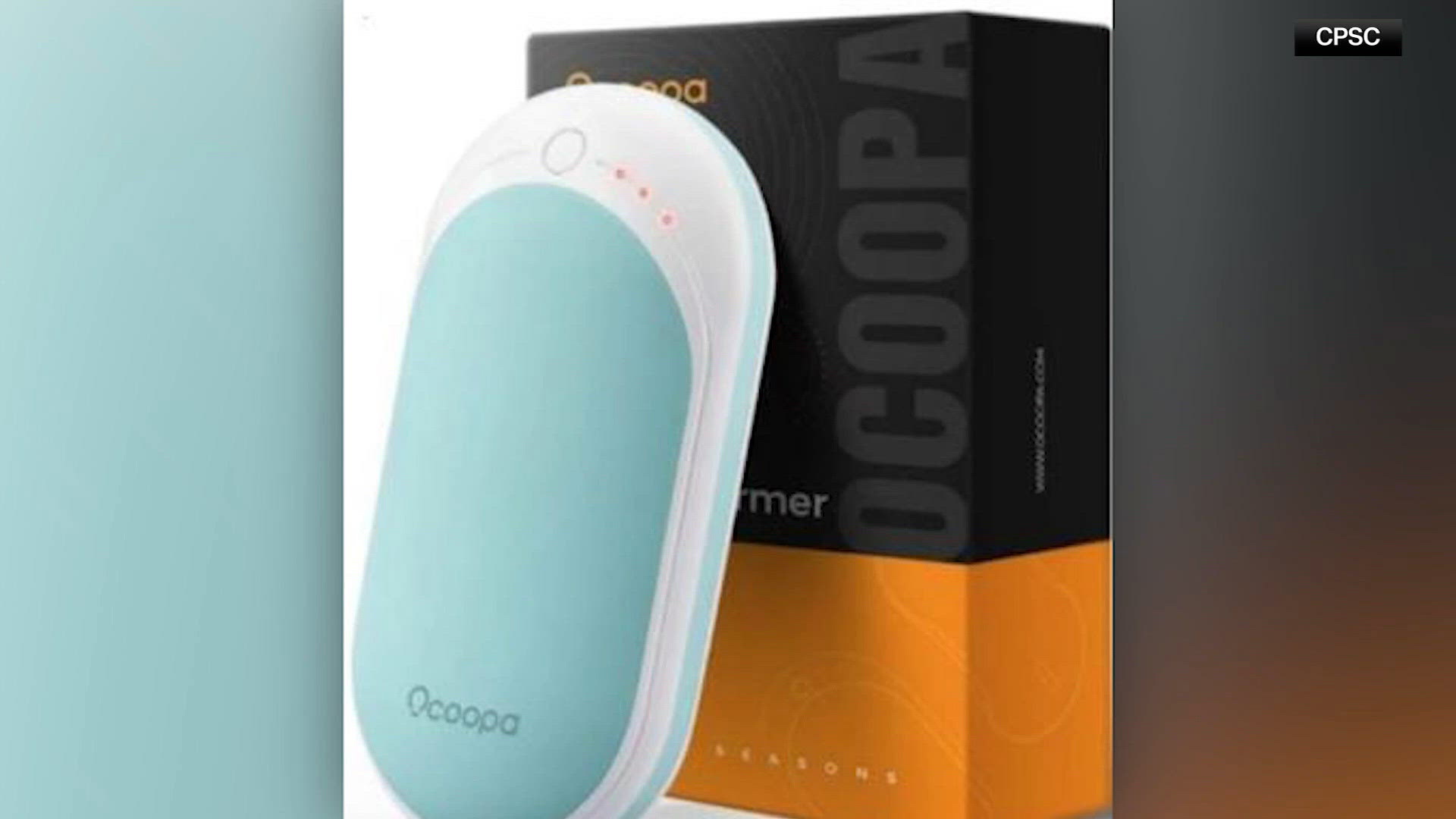
The CPSC's July 30 recall of 1.5 million OCOOPA rechargeable hand warmers represents a critical inflection point for lithium-ion battery product compliance across e-commerce platforms. With 1,480 reported overheating incidents, 15 confirmed fires, and 350 burn injuries culminating in one fatality, this enforcement action signals aggressive regulatory scrutiny of battery-powered personal heating devices sold on Amazon.com, Walmart.com, and direct-to-consumer channels. The recalled models (UT3053, UT3056, ZLS-118 series, H01 variants) were priced $15-60 and sold continuously from September 2018 through May 2026, indicating years of undetected safety failures in supply chain quality assurance.
This recall creates a compliance moat protecting sellers who invest in proper certification. The fastest path to market compliance requires UL 2054 certification (lithium-ion battery safety standard), which typically costs $8-15K per product model and requires 60-90 days of testing and documentation. Non-compliant sellers face immediate delisting from Amazon and Walmart, plus potential CPSC enforcement actions with civil penalties up to $100K per violation. Industry data suggests 60-70% of hand warmer sellers on Amazon lack formal UL 2054 certification, creating a market elimination opportunity for compliant competitors.
Alternative product categories bypass these requirements entirely. Sellers can pivot to non-rechargeable hand warmers (chemical heat packs using iron oxide, salt, and activated carbon), which require only basic flammability testing under ASTM F2050 rather than full battery certification—reducing compliance costs to $2-3K and timelines to 30-45 days. Gel-based hand warmers and reusable hot water bottle products face even lighter regulatory burdens. The market opportunity: compliant hand warmer sellers can capture 40-50% market share from delisted competitors within 6-12 months, with 25-35% margin improvement due to reduced recall liability and insurance costs.
Platform enforcement intensity is accelerating. Amazon's Hazardous Materials Compliance Program now requires pre-listing battery product certification documentation, while Walmart implemented similar gating in Q2 2024. Sellers must submit UL 2054 test reports before ASIN creation, effectively blocking non-certified suppliers. This represents a shift from post-sale enforcement to pre-market gatekeeping, creating a 90-120 day compliance window before platform delisting becomes automatic.
Compliance service demand is surging. Third-party testing labs specializing in UL 2054 certification are experiencing 3-4 month backlogs, creating opportunities for sellers to partner with expedited certification providers (typically 20-30% premium for 30-day turnaround). Sellers should also audit supply chain documentation: OCOOPA's failure stemmed from inadequate battery quality control at the manufacturing level, suggesting Chinese suppliers lack proper IEC 61960-1 battery testing protocols.
Questions 8
What is the fastest way to get UL 2054 certification for a hand warmer product?
Standard UL 2054 certification requires 60-90 days and costs $8-15K per model, but expedited certification providers offer 30-day turnarounds for a 20-30% premium ($10-20K total). The process involves submitting battery specifications, thermal testing data, and manufacturing documentation to a NRTL (Nationally Recognized Testing Laboratory). Sellers should begin the process immediately if they have rechargeable hand warmers in inventory, as Amazon and Walmart are implementing pre-listing certification requirements. The OCOOPA recall demonstrates that delisting can occur suddenly once CPSC enforcement begins, so proactive certification prevents inventory lockup.
Are there alternative hand warmer products that avoid battery certification requirements?
Yes, non-rechargeable chemical hand warmers (iron oxide, salt, activated carbon) require only ASTM F2050 flammability testing, reducing compliance costs to $2-3K and timelines to 30-45 days. Gel-based hand warmers and reusable hot water bottle products face even lighter regulatory burdens. These alternatives can be sourced from Chinese manufacturers at similar costs to rechargeable models but with significantly lower compliance risk. Sellers pivoting from rechargeable to non-rechargeable hand warmers can maintain product positioning while avoiding the UL 2054 certification bottleneck that currently affects 60-70% of competitors.