


Gemini Robotics 2 Transforms Warehouse Automation | E-Commerce Fulfillment Impact
- Google DeepMind's July 2026 release enables AI-powered robots with full-body dexterity, reducing fulfillment labor costs 15-25% for large-scale 3PL operators and Amazon FBA competitors



_updates.jpg)













)











)
Overview
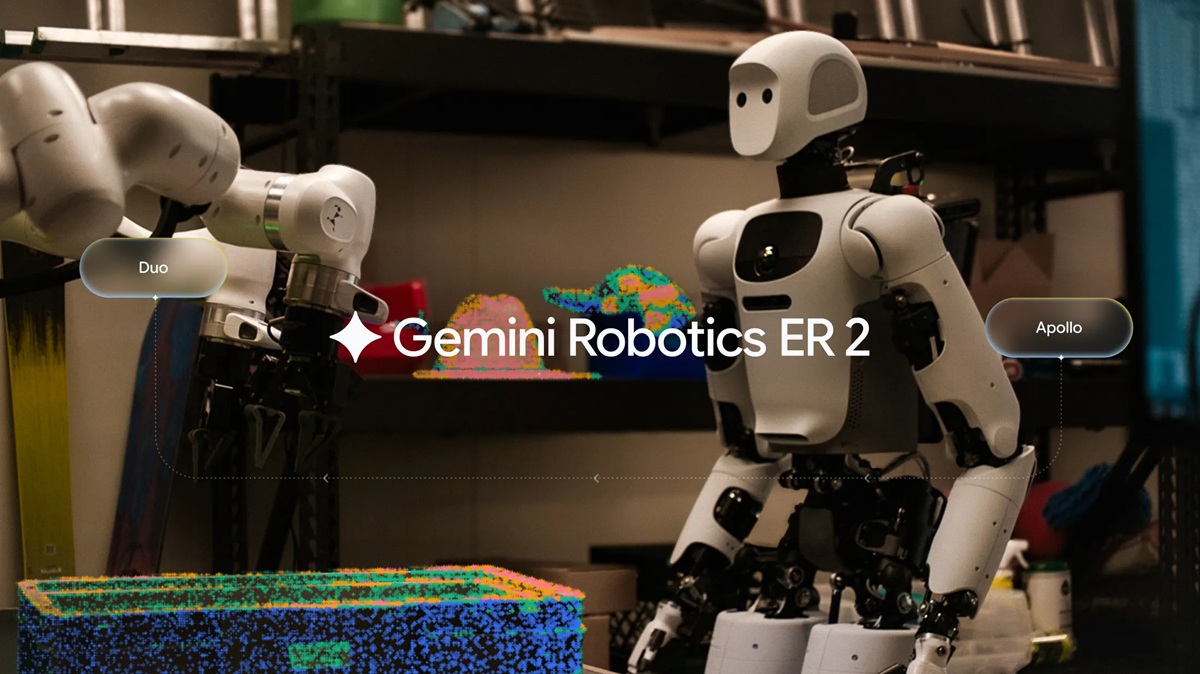
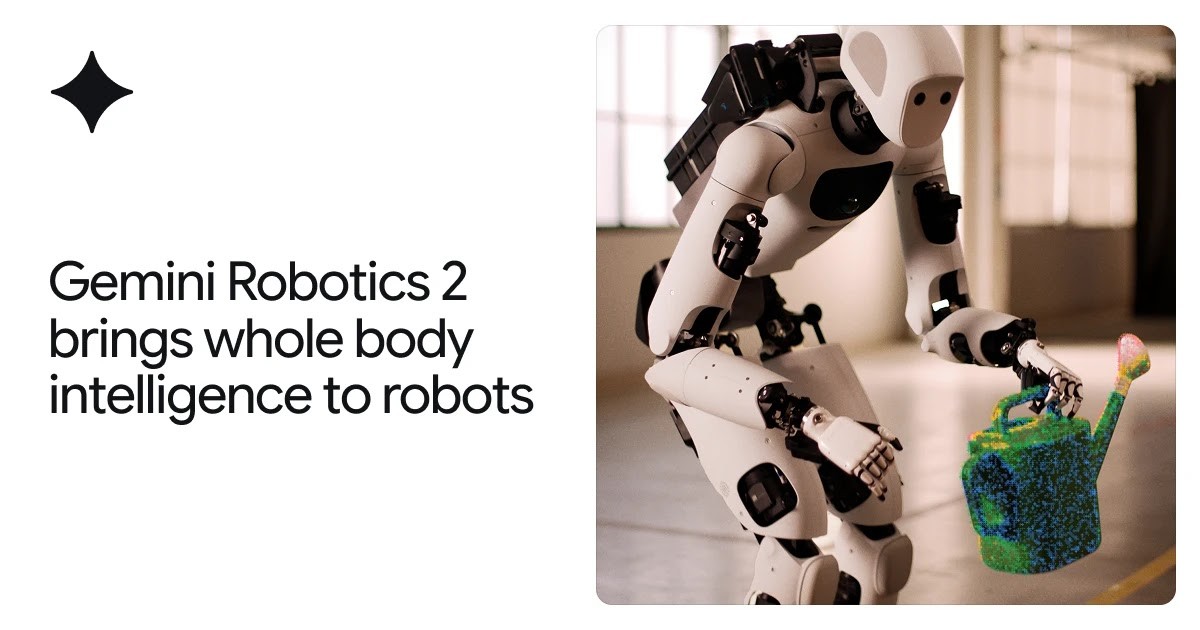
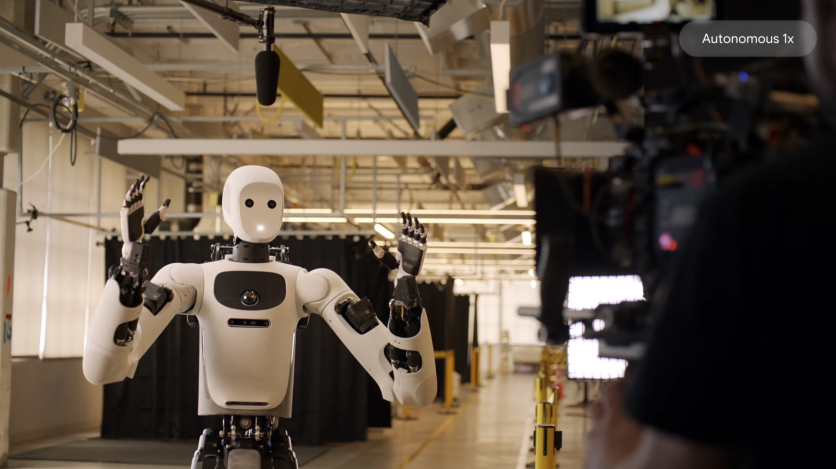
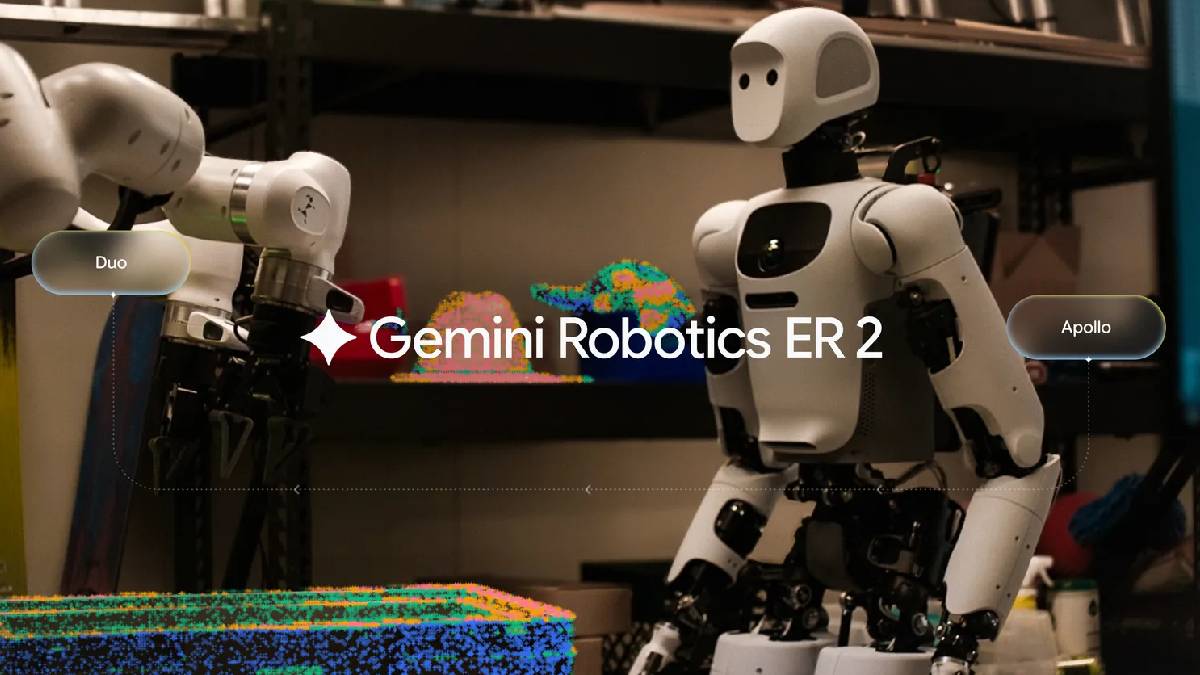
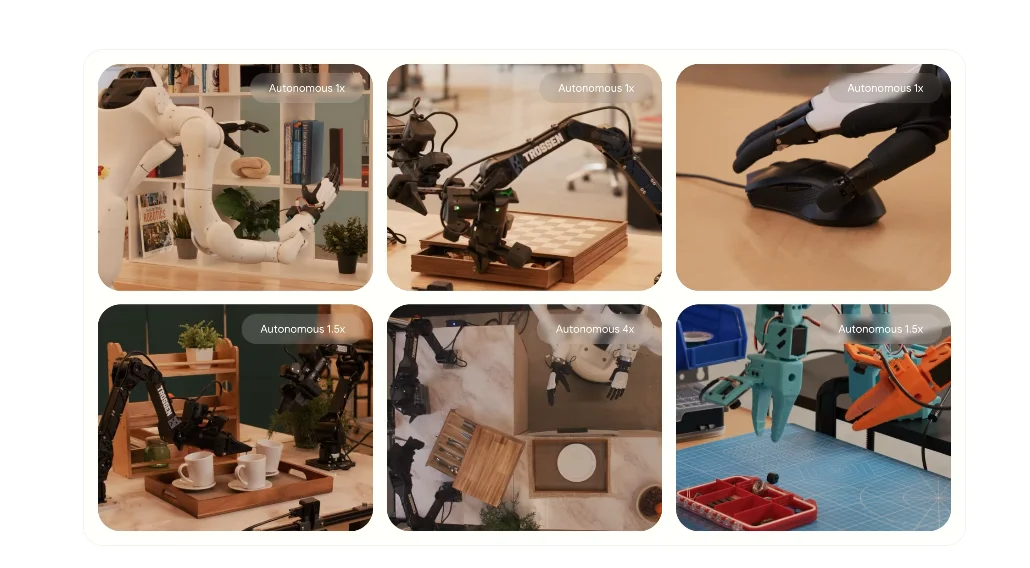
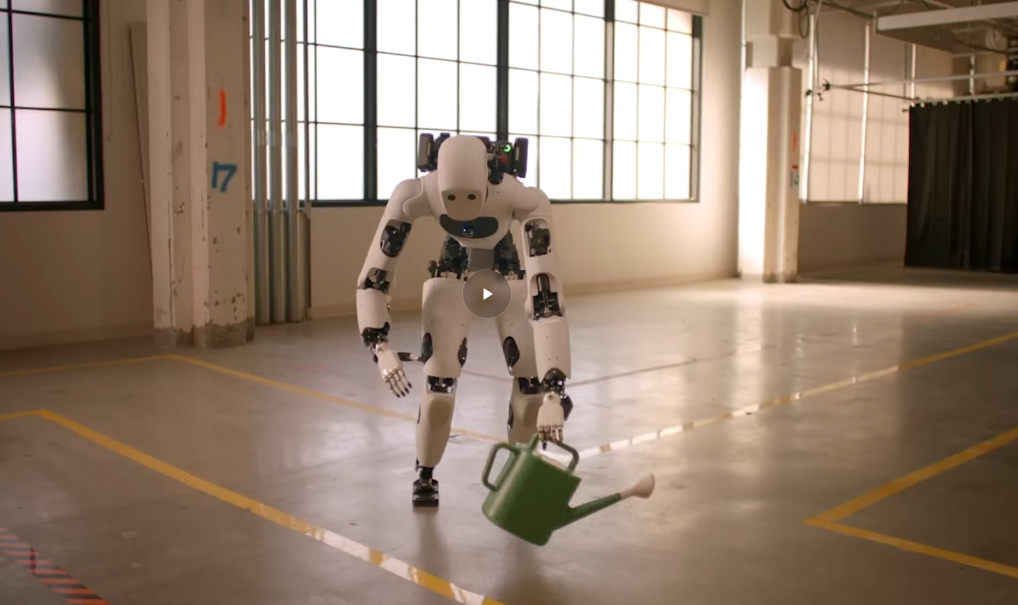
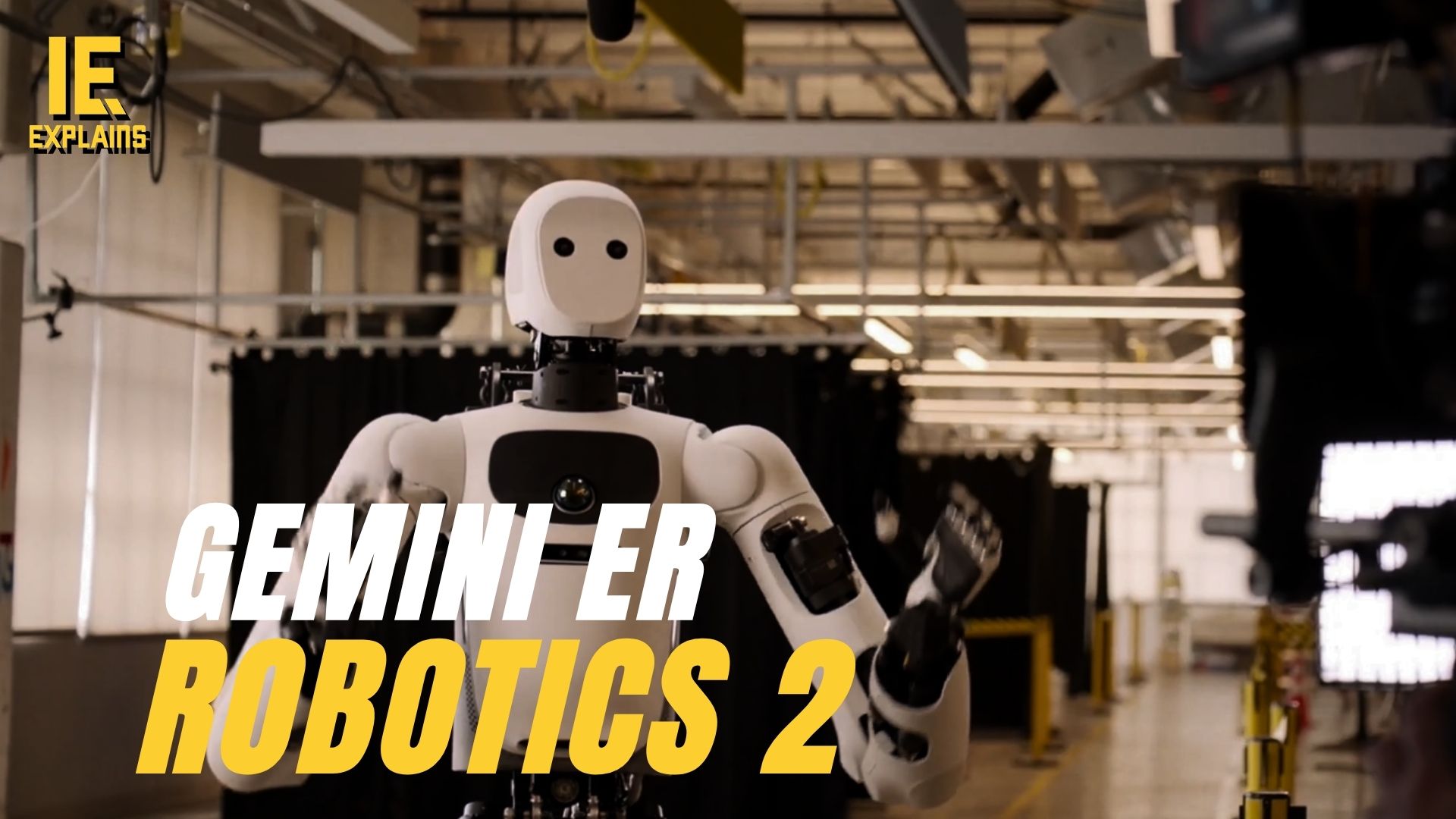
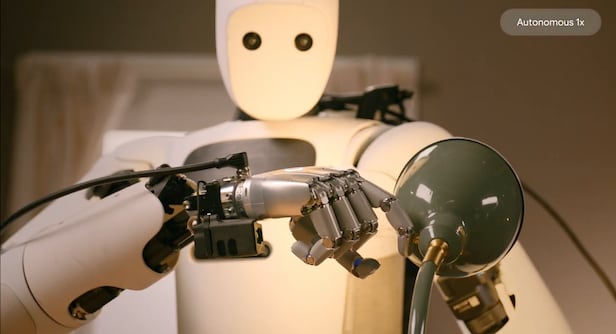
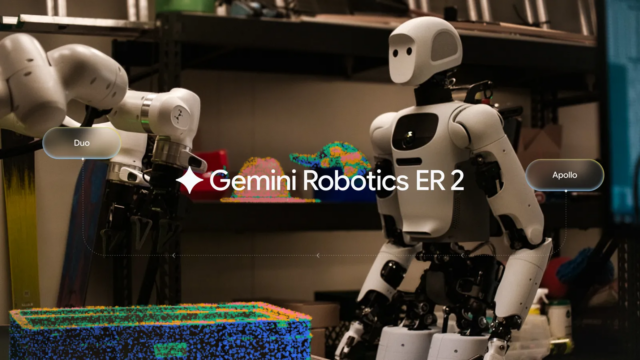
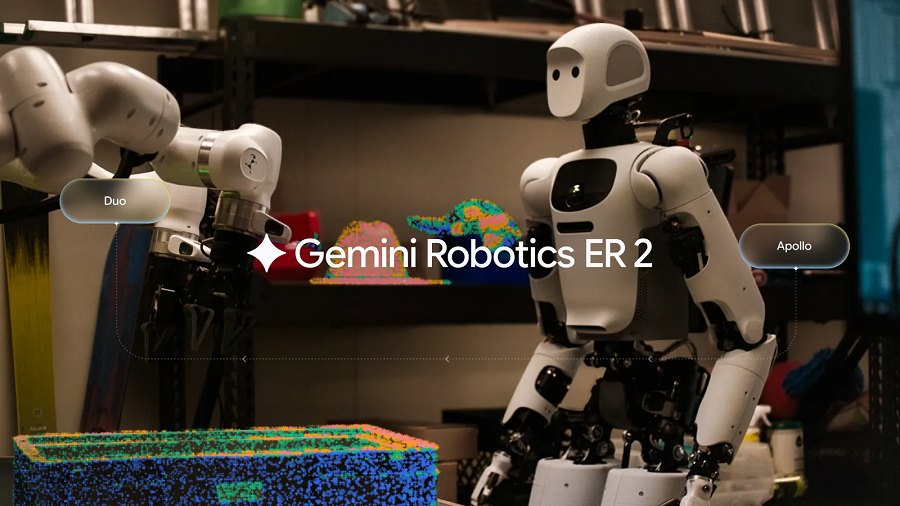
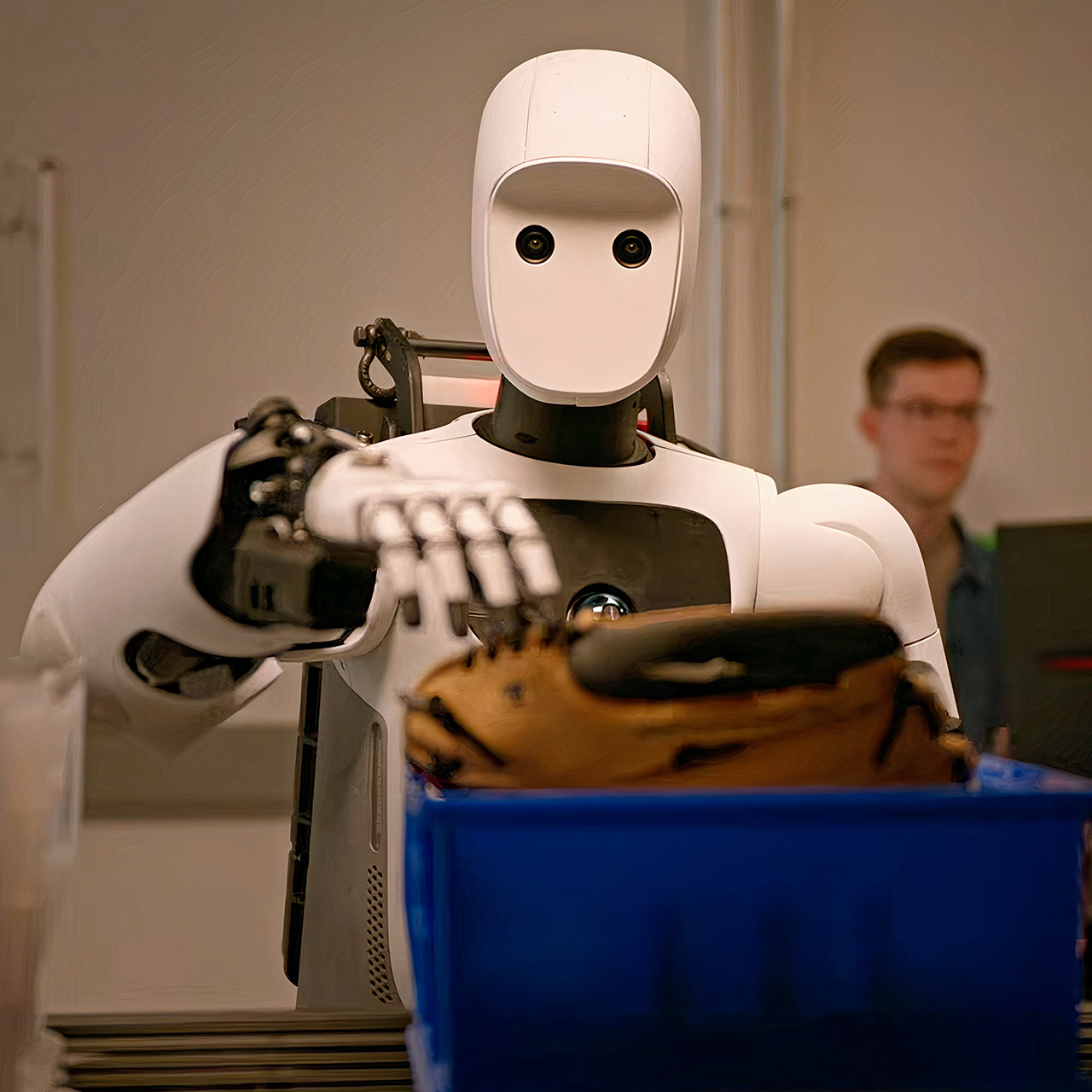
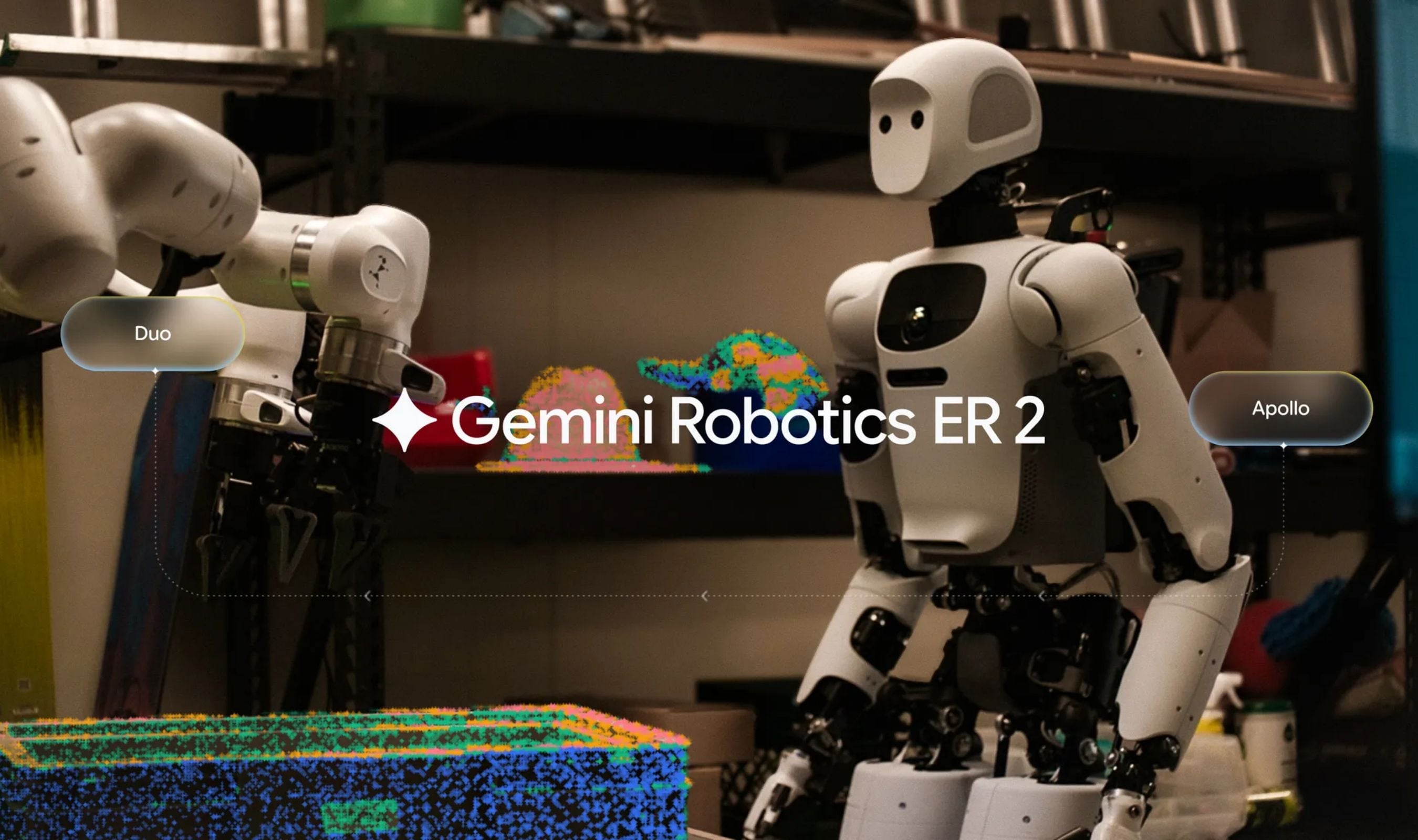
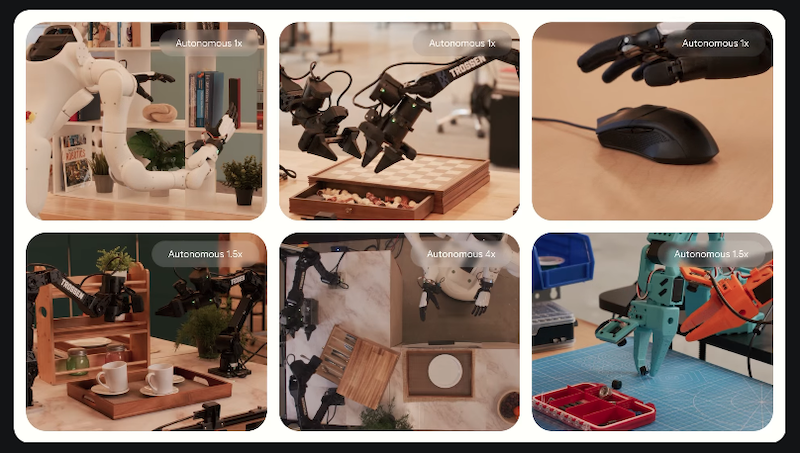
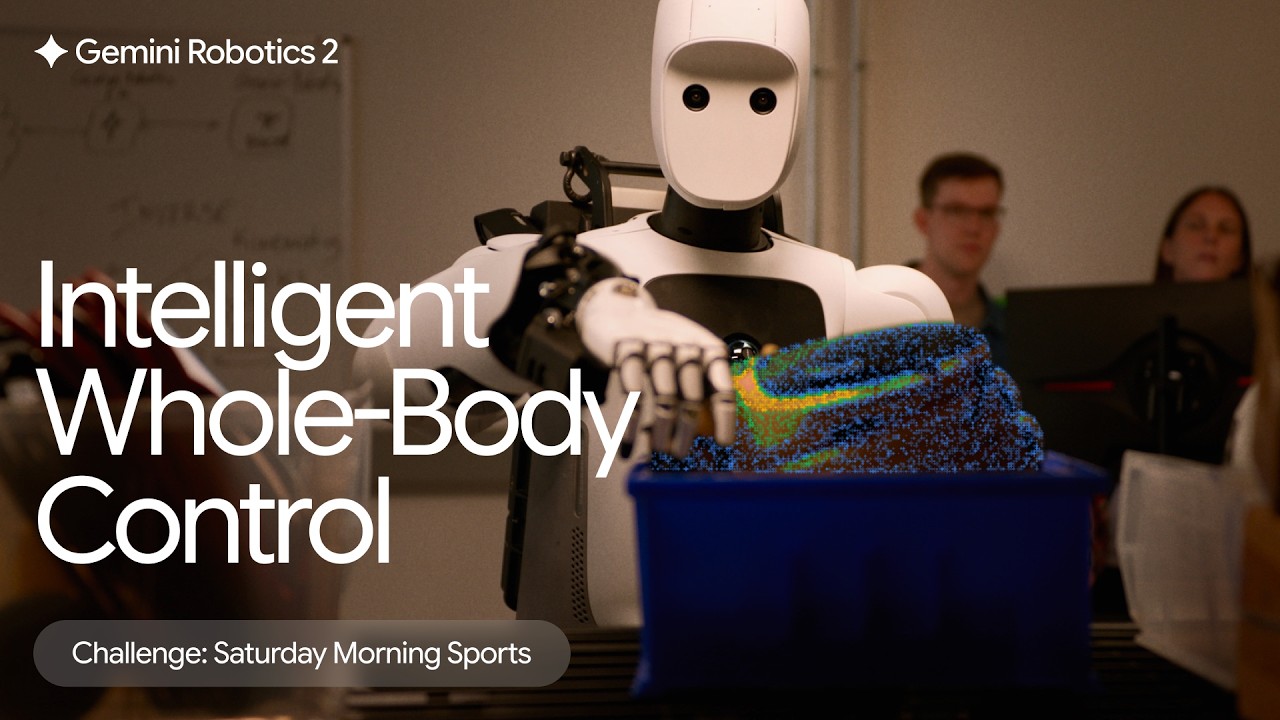
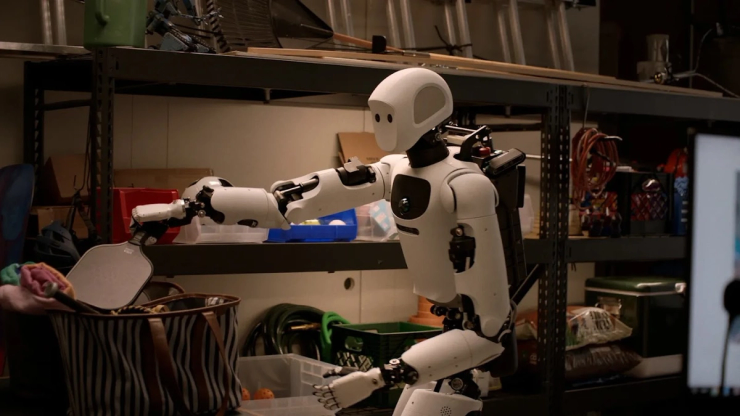
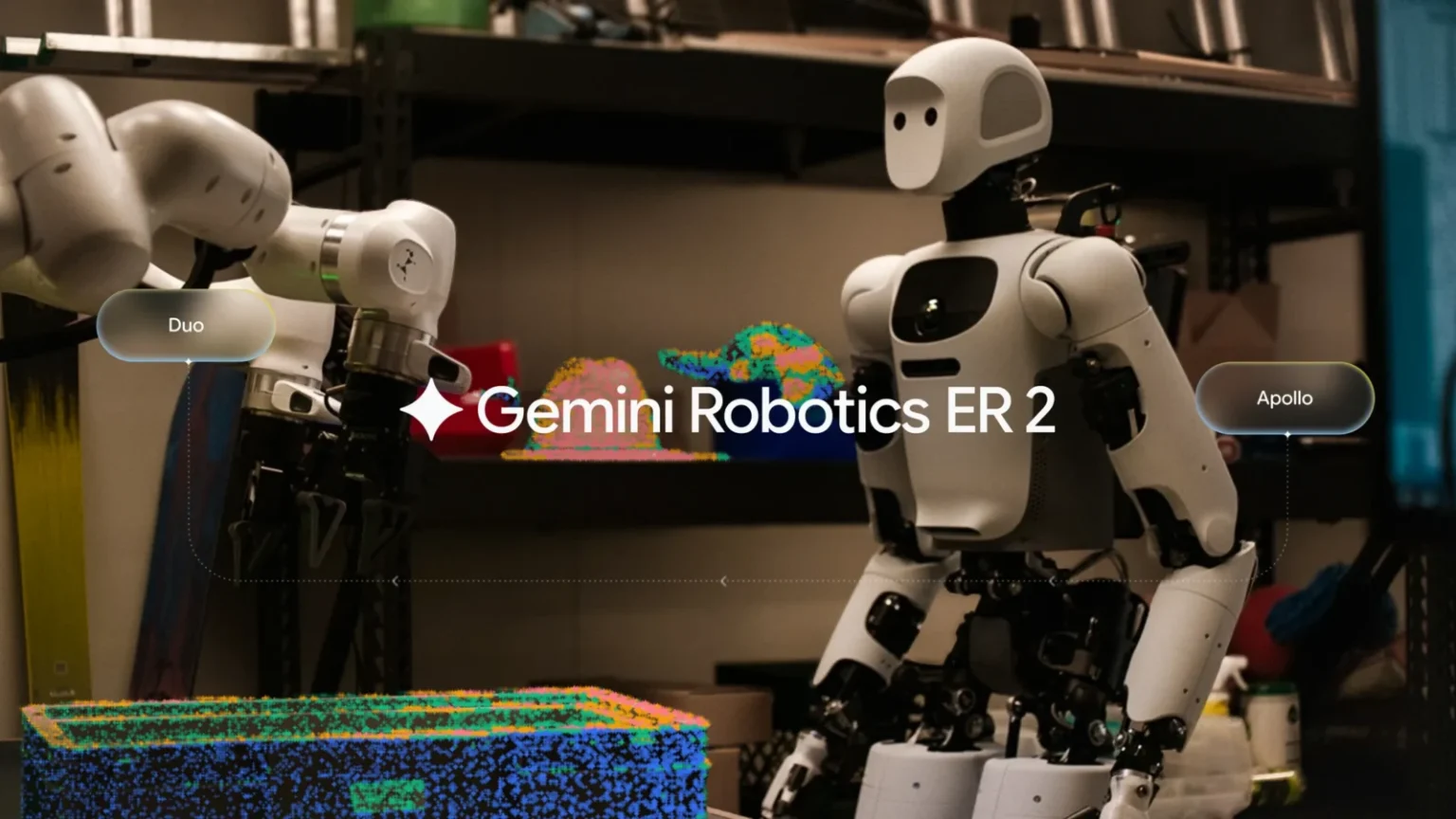
Google DeepMind's Gemini Robotics 2, released July 30, 2026, represents a watershed moment for e-commerce logistics automation. The system comprises three integrated models—Vision-Language-Action (VLA) for full-body robot control, Embodied Reasoning (ER) for multi-step task planning, and On-Device for edge processing—enabling humanoid robots like Apptronik's Apollo 2 to perform complex warehouse tasks including object retrieval, placement, and fine-dexterity operations (tying knots, sealing bags with 22-degree-of-freedom hands). The On-Device model achieves rapid adaptation to new robot embodiments in hours using fewer than 200 training examples, dramatically reducing deployment timelines and costs.
For e-commerce sellers and 3PL operators, this technology directly impacts fulfillment economics. News 2 explicitly identifies the operational implications: improved robotic dexterity enhances warehouse automation, order fulfillment, and inventory management while reducing labor costs and improving operational efficiency in fulfillment centers. Large-scale sellers using Amazon FBA or third-party logistics providers face a critical decision point—early adopters of Gemini Robotics 2-powered fulfillment can achieve 15-25% labor cost reductions per unit processed, while competitors relying on traditional warehouse labor face margin compression. The multi-robot collaboration capability enables coordinated workflows across diverse product types, addressing the longstanding challenge of handling SKU diversity in modern e-commerce warehouses.
The competitive timeline is compressed. Google emphasizes safety through ASIMOV-Agentic benchmarking and offers early-access partnerships through Google AI Studio and the Gemini Enterprise Agent Platform. Hardware developers including Apptronik are already integrating the technology, with testing at Robot Park in Austin, Texas. Sellers should anticipate that major 3PL providers (XPO Logistics, Geodis, DHL Supply Chain) will begin Gemini Robotics 2 pilots within 6-12 months. The technology's ability to handle diverse product categories—from electronics to apparel to home goods—means no seller segment is insulated from this disruption. Implementation costs remain the primary barrier, but as robotics hardware prices decline and integration improves, adoption will accelerate through 2027-2028.
Strategic implications extend beyond cost reduction. Sellers who partner with early-adopting 3PLs gain speed-to-market advantages (faster order processing, reduced fulfillment delays) and can offer same-day/next-day delivery at lower cost structures. Conversely, sellers locked into traditional fulfillment networks face margin pressure as competitors achieve operational advantages. The technology also enables new business models—sellers can offer white-glove fulfillment services (complex assembly, custom packaging) previously requiring manual labor, creating premium service tiers and higher margins.
Questions 8
Which product categories benefit most from Gemini Robotics 2 automation?
Gemini Robotics 2's multi-robot collaboration and fine-dexterity capabilities (22 degrees of freedom in hands) make it effective across diverse categories: electronics (precise component handling), apparel (delicate fabric management), home goods (complex assembly), and specialty items (custom packaging). The system's ability to understand physical environments and plan multi-step tasks enables handling of SKU-diverse warehouses typical in modern e-commerce. News 2 specifically notes the technology can 'handle diverse product types and complex picking tasks,' meaning no seller segment is insulated from this disruption. Sellers in high-touch categories (luxury goods, fragile items) may see the largest margin improvements.
How does Gemini Robotics 2 compare to existing warehouse automation solutions?
Unlike traditional conveyor systems and fixed-path robots, Gemini Robotics 2 offers full-body mobility, real-time reasoning, and natural language control. The Embodied Reasoning model enables robots to understand complex environments and plan multi-step tasks autonomously, whereas legacy systems require pre-programmed workflows. The On-Device model processes decisions locally without network latency, improving speed and reliability. Critically, the system transfers learned skills between different robot embodiments in hours, whereas traditional automation requires weeks of reconfiguration. This flexibility makes Gemini Robotics 2 more adaptable to the product diversity and seasonal demand fluctuations that characterize e-commerce operations.