

Fed Rate Hike Signals 2026 | Cross-Border Sellers Face Rising Financing Costs
- Treasury yields surge 5-7 basis points; autumn rate hikes expected to increase working capital financing costs 150-250 basis points for sellers with inventory loans














Overview
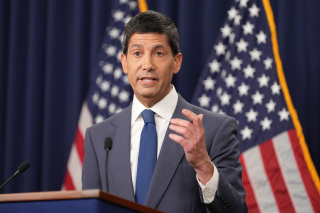
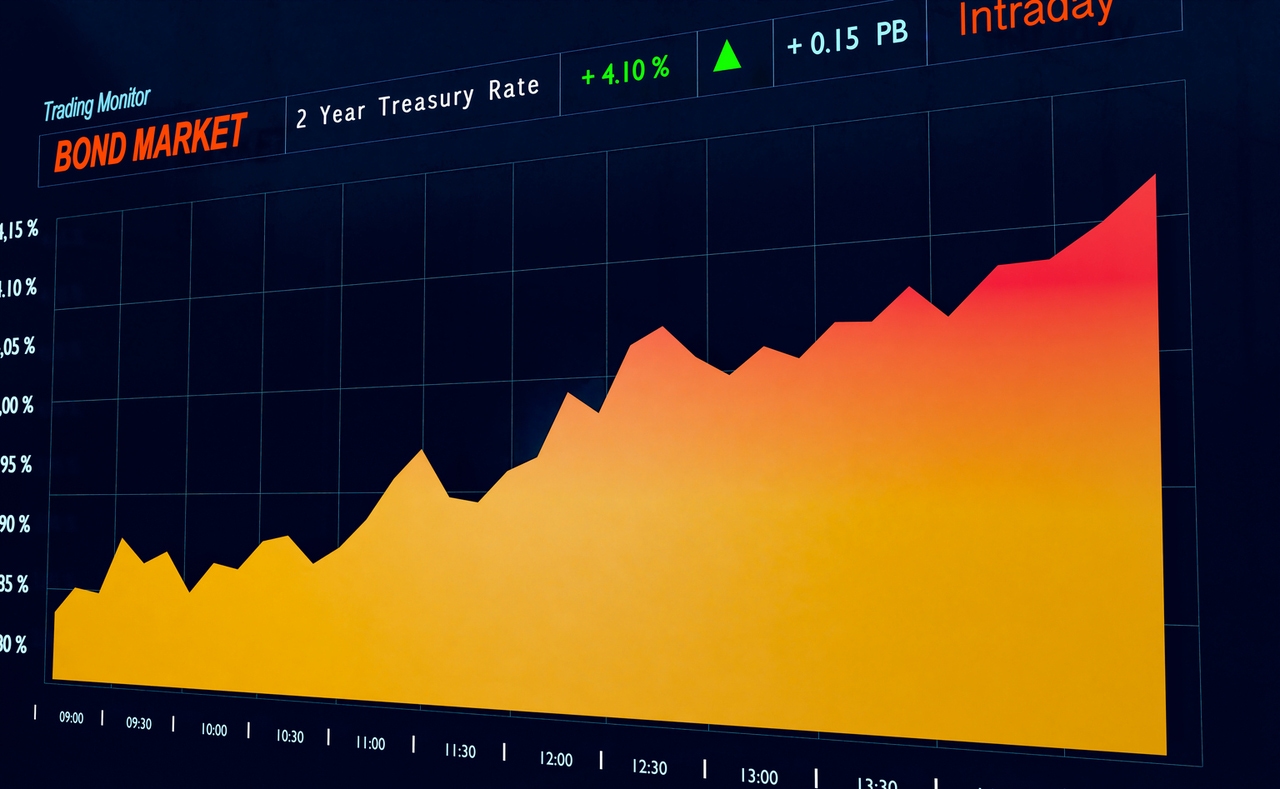
Federal Reserve officials signaled imminent rate hikes in autumn 2026, with Treasury yields surging on July 31, 2026—the 10-year note jumping 7 basis points to 4.731%, the 2-year yield rising 6.6 basis points to 4.295%, and the 30-year bond climbing 5.6 basis points to 5.263%. Cleveland Fed President Beth Hammack and Minneapolis Fed President Neel Kashkari publicly advocated for monetary tightening to combat core PCE inflation at 3.3% (above the Fed's 2% target), following a 9-3 Fed vote to maintain rates at 3.5-3.75%. This signals a critical inflection point for cross-border e-commerce sellers relying on working capital financing.
For sellers, rising Treasury yields directly translate to higher borrowing costs across all financing products. Inventory financing, purchase order (PO) financing, and invoice factoring—critical tools for cross-border sellers managing cash conversion cycles—will see APR increases of 150-250 basis points by Q4 2026. A seller with $500K in outstanding inventory loans at current 8-10% rates will face additional annual financing costs of $7,500-$12,500 if rates rise to 9.5-12.5%. This impact hits hardest on sellers with thin margins (electronics, apparel, home goods) operating on 30-60 day cash cycles. Mid-market sellers ($2-10M annual revenue) managing seasonal inventory builds for Q4 2026 will need to refinance or accelerate inventory turnover immediately.
Geopolitical energy shocks amplify the financing pressure. Oil prices surged 2.2% (WTI to $85.41/barrel) and 1.5% (Brent to $90.36) following Iran's tanker attacks in the Strait of Hormuz, signaling sustained energy cost inflation. This directly increases logistics costs for cross-border shipments—air freight premiums, ocean freight fuel surcharges, and last-mile delivery costs will rise 3-8% by Q4. Sellers shipping from Asia to US/EU markets face compounding headwinds: higher financing costs + elevated shipping expenses + slowing US GDP growth (1.5% in Q2, missing 1.8% consensus). However, consumer sentiment improved slightly in July with one-year inflation expectations declining to 4.2%, suggesting demand may stabilize despite macro headwinds.
Immediate financial optimization is critical. Sellers should lock in current financing rates (8-10% APR) before autumn rate hikes, refinance existing inventory loans at fixed rates, and accelerate inventory turnover to reduce working capital needs. Consider shifting to supply chain financing (vendor financing, dynamic discounting) to reduce reliance on traditional lenders. For cross-border sellers, hedging currency exposure becomes essential—rising US rates typically strengthen the dollar, creating FX headwinds for sellers with EUR/GBP/CNY exposure. Evaluate payment method optimization: switching from high-fee payment processors (2.5-3.5% for cross-border) to lower-cost corridors (1.2-1.8% for Asia-US routes) can unlock $5K-$20K in annual savings, offsetting financing cost increases.
Questions 8
How will Fed rate hikes in autumn 2026 affect my inventory financing costs?
Rising Treasury yields directly increase APR rates on inventory loans, PO financing, and factoring. Current rates of 8-10% APR are expected to rise 150-250 basis points (to 9.5-12.5%) by Q4 2026 as the Fed tightens monetary policy. A seller with $500K in inventory loans will face $7,500-$12,500 in additional annual financing costs. Lock in fixed-rate financing immediately before autumn rate hikes take effect, and consider accelerating inventory turnover to reduce working capital needs.
What is the connection between Treasury yields and my cross-border payment costs?
Treasury yields influence the cost of capital for payment processors and fintech lenders. As yields rise, payment processors increase fees to compensate for higher funding costs. Cross-border payment fees (currently 1.2-3.5% depending on corridor) may increase 20-40 basis points by Q4 2026. Sellers should audit payment method costs now—switching from high-fee processors (3.5%) to optimized corridors (1.2-1.8% for Asia-US routes) can save $5K-$20K annually, offsetting financing cost increases.