


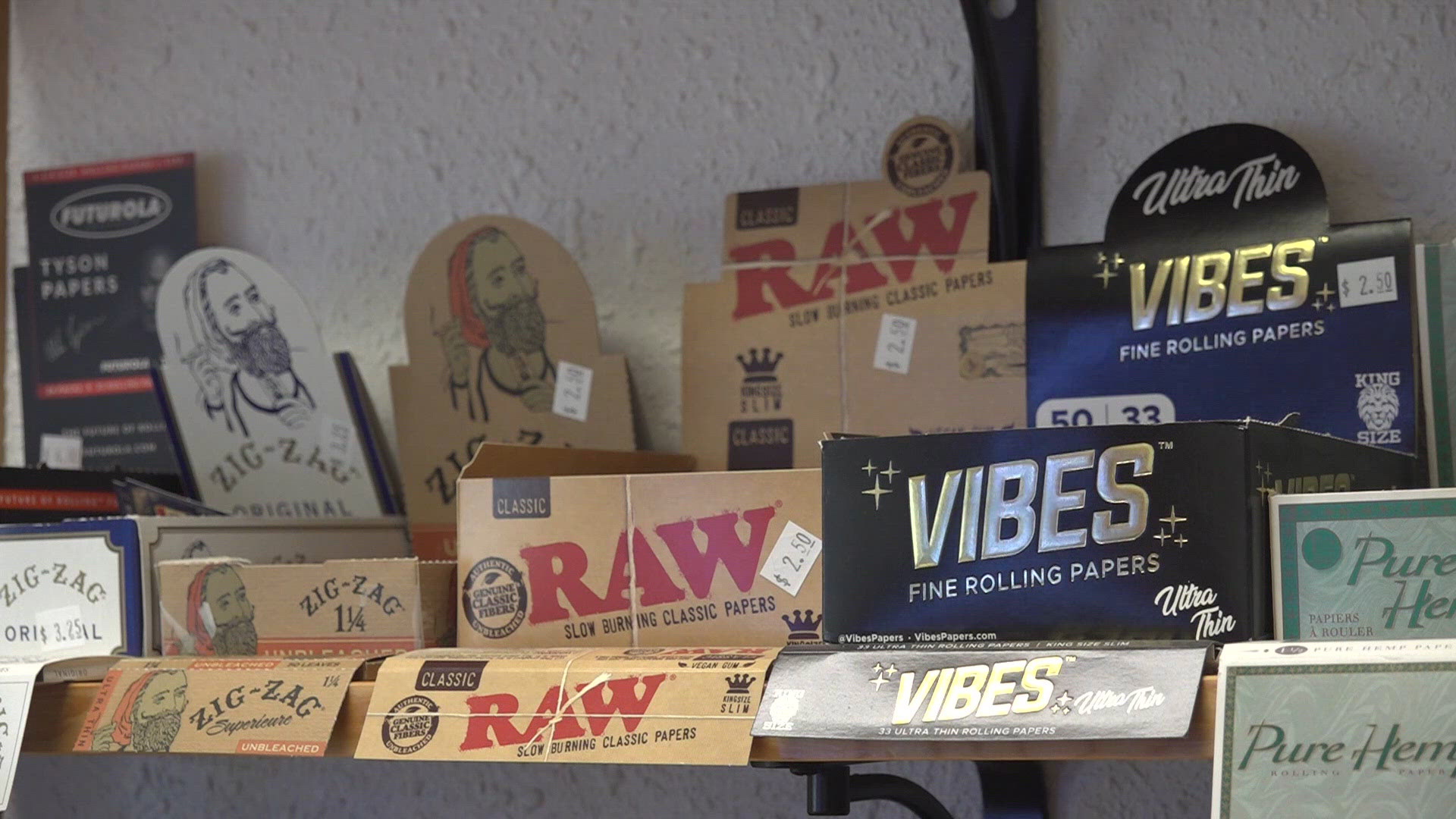
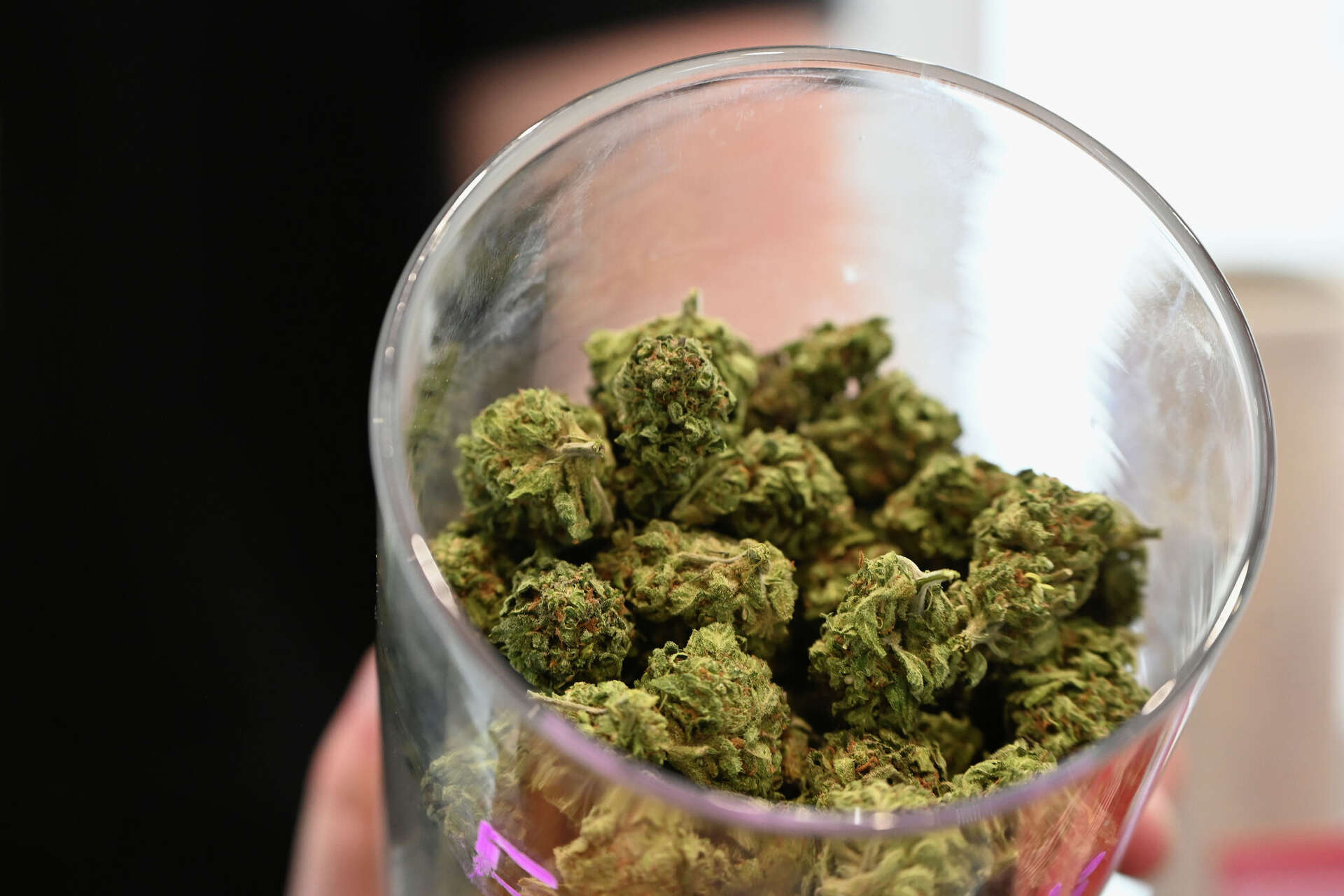

Texas THC Ban Creates Compliance Moat | Sellers Face Immediate Delisting & Liability Risk
- Effective immediately, hemp-derived THC products (delta-8, delta-10) banned statewide; e-commerce sellers must delist within days to avoid fines and license revocation


Overview
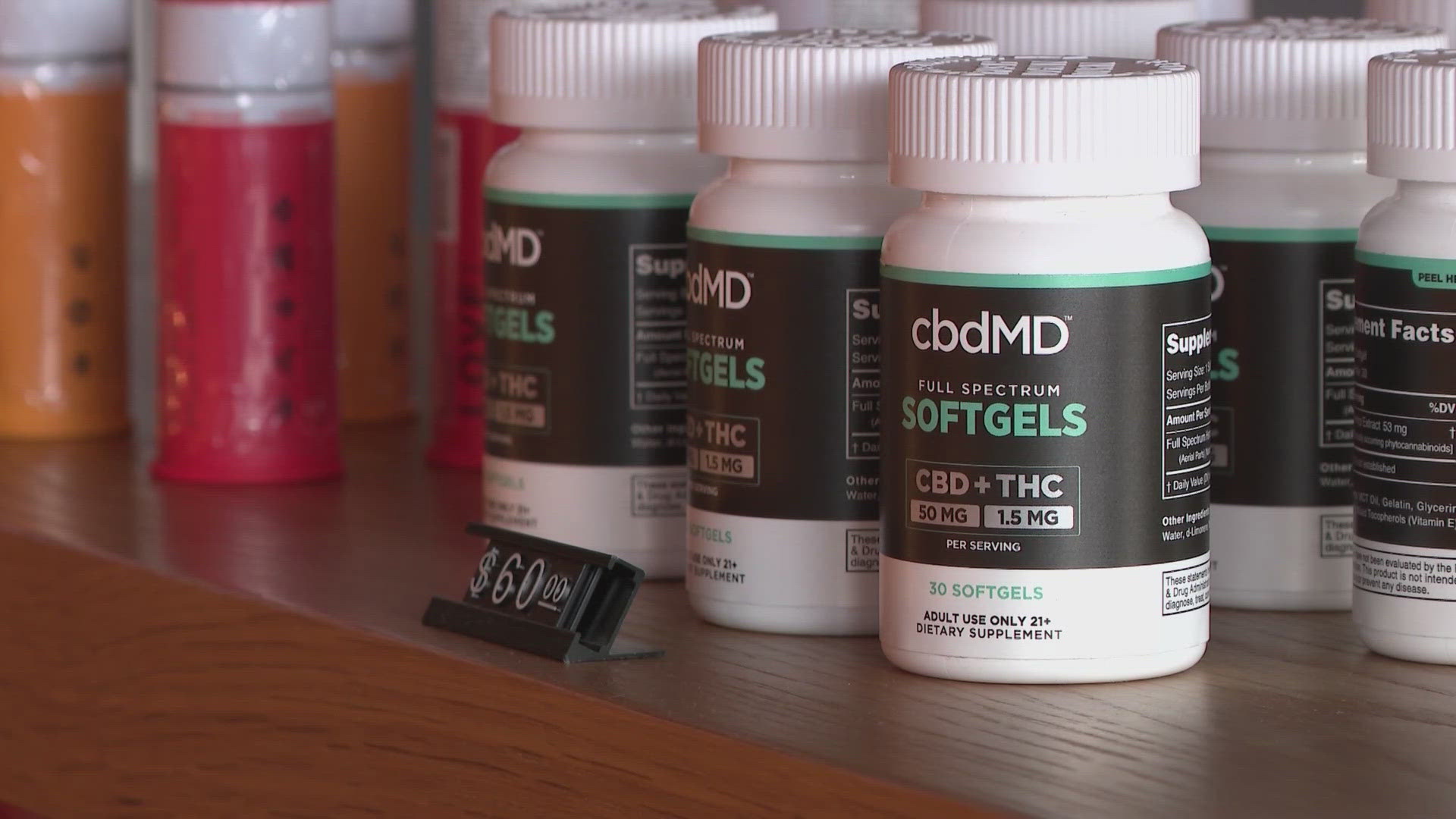
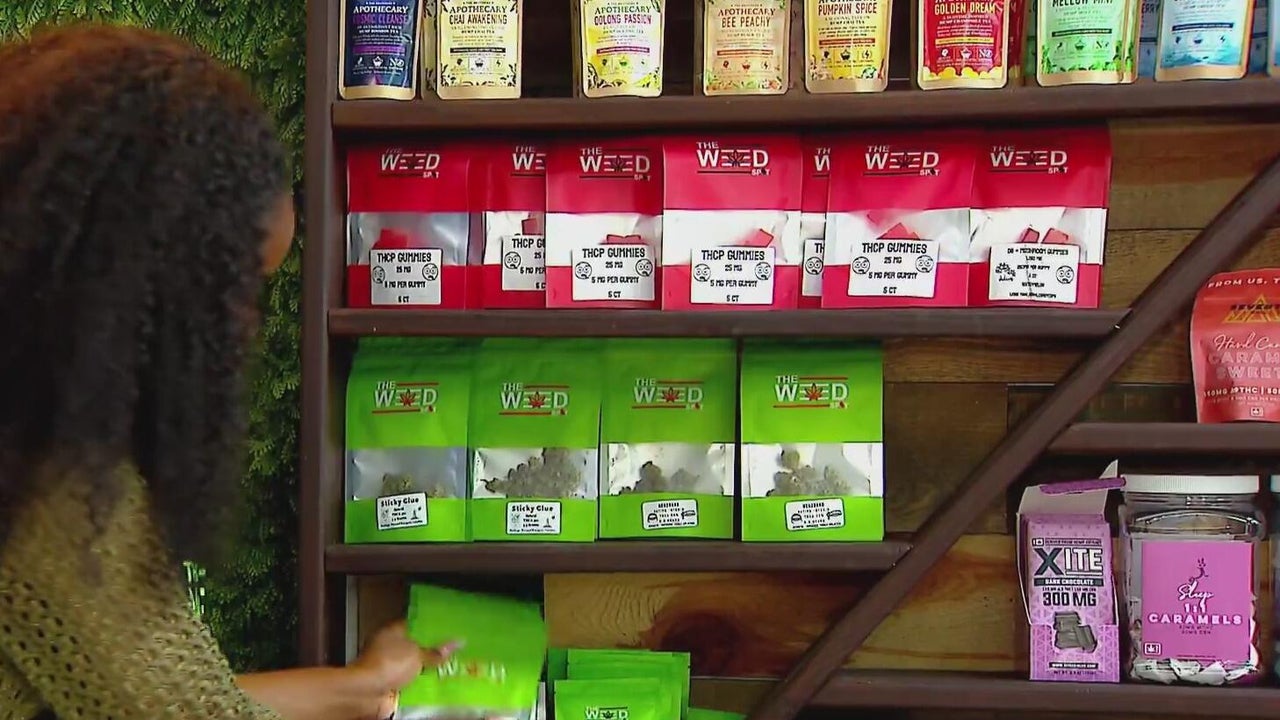
Texas's comprehensive THC product ban, effective immediately, represents a critical compliance watershed for e-commerce sellers operating in the state. The regulation eliminates hemp-derived THC products (delta-8, delta-10, synthetic cannabinoids) that previously operated in a legal gray area, restricting sales to FDA-approved pharmaceutical THC and licensed medical cannabis dispensaries only. This creates an immediate compliance barrier affecting a significant market segment that generated substantial revenue through online and brick-and-mortar channels.
Compliance Moat & Market Elimination: The ban eliminates an estimated 40-60% of non-compliant sellers currently operating in the hemp-derived THC category. Enforcement by the Texas Department of State Health Services and local law enforcement carries severe penalties—fines and potential license revocation—creating a high-cost barrier to non-compliance. E-commerce sellers must immediately delist affected products from inventory systems and remove listings from Amazon, eBay, Shopify, and other platforms serving Texas residents. Cross-border sellers shipping to Texas face legal liability if they continue sales without verification of compliance.
Fast-Track Compliance Path: Sellers can achieve compliance within 3-5 days through: (1) automated inventory audits identifying THC-containing SKUs, (2) bulk delisting across all sales channels, (3) updating product databases to flag Texas as restricted geography. Compliance cost is minimal ($200-500 for inventory management tools) compared to penalty exposure. However, sellers lose revenue from a category that historically generates 15-25% margins in convenience/specialty retail segments.
Category Winnowing & Alternative Opportunities: The ban creates opportunities for compliant alternatives: CBD products (non-intoxicating, federally legal), herbal wellness supplements, and botanical extracts that don't contain THC. Sellers can pivot inventory to these categories within the same retail channels (convenience stores, gas stations, specialty retailers). The regulatory shift signals broader state-level cannabis restrictions—similar bans are active or pending in 8+ states—suggesting a national compliance trend that will accelerate over 12-18 months.
Service Gap: Compliance automation tools for multi-channel THC product delisting and geographic restriction management are underserved. Sellers need platforms that automatically flag THC products, manage state-specific restrictions, and audit compliance across Amazon, eBay, Shopify, and direct-to-consumer channels. This represents a $50-100M service opportunity for compliance tech providers.
Questions 7
What THC products must e-commerce sellers immediately delist from Texas sales?
E-commerce sellers must immediately delist all hemp-derived THC products including delta-8, delta-10, and synthetic cannabinoids from sales to Texas residents. The Texas Department of State Health Services ban, effective immediately, restricts sales to FDA-approved pharmaceutical THC and licensed medical cannabis dispensaries only. Sellers operating on Amazon, eBay, Shopify, and other platforms must update inventory systems within 3-5 days to avoid legal liability. Non-compliance carries fines and potential license revocation, making immediate action critical for any seller with Texas customer base.
What is the fastest compliance path for sellers with THC inventory in Texas?
The fastest compliance path involves three steps completed within 3-5 days: (1) conduct automated inventory audit to identify all THC-containing SKUs using product database tools ($100-200), (2) bulk delist affected products across all sales channels simultaneously, (3) update geographic restriction settings to exclude Texas from product availability. Compliance cost is minimal ($200-500 total) compared to penalty exposure. Sellers should prioritize Amazon and eBay first as these platforms have the largest Texas customer base, then update Shopify and direct-to-consumer channels.