

Snap AR Glasses Launch Sept 16 | AR Shopping Revolution for Fashion & Beauty Sellers
- Premium wearable device launch accelerates AR product visualization adoption; fashion, beauty, accessories sellers gain virtual try-on competitive advantage; September 16 event reveals pricing and integration roadmap



Overview
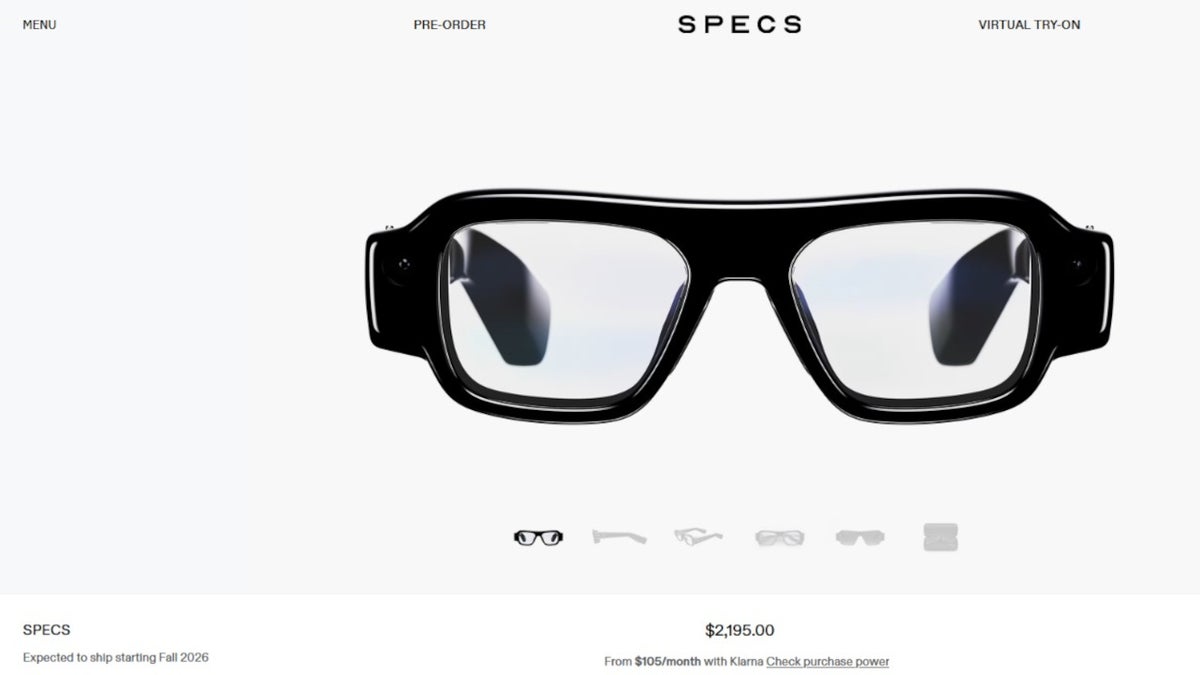
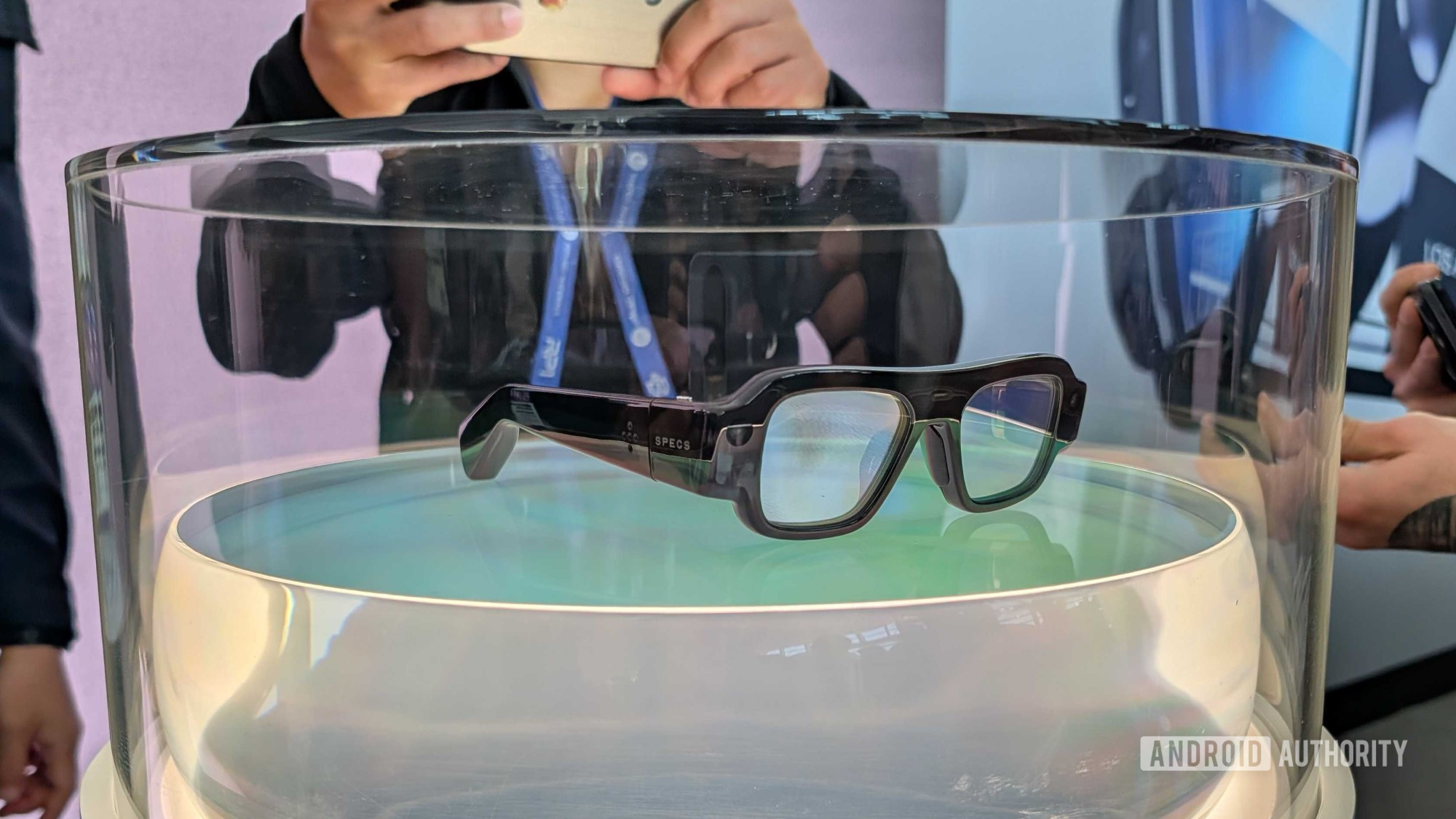
Snap's September 16 consumer launch of augmented reality glasses marks a pivotal inflection point for e-commerce sellers seeking competitive differentiation through immersive shopping experiences. The shift from enterprise/developer-focused initiatives to mainstream consumer positioning signals that AR-enhanced product visualization is transitioning from experimental to mainstream—a critical window for early-adopting sellers to establish market leadership before competitors saturate the space.
The AI Automation Opportunity: Sellers can immediately deploy AI-powered product content generation tools to create AR-compatible assets. Specifically: (1) Automated 3D model generation from 2D product images using AI tools like Nomad Sculpt or Meshy can reduce 3D asset creation time from 8-12 hours to 30-45 minutes per product, enabling sellers to scale AR listings across 500+ SKUs in weeks rather than months; (2) AI-driven virtual try-on simulation engines can be integrated into Shopify, Amazon, and TikTok Shop storefronts to automatically generate try-on videos for fashion/beauty products, reducing content production costs by 60-70% compared to traditional photography; (3) Predictive analytics can identify which product categories will see highest AR adoption velocity—early data suggests fashion accessories (sunglasses, hats, jewelry) will see 3-5x faster adoption than apparel, allowing sellers to prioritize content investment accordingly.
Market Timing & Competitive Intelligence: The announcement follows Meta's Ray-Ban smart glasses and Apple's Vision Pro, indicating AR wearables are entering mainstream adoption curve. Fashion and beauty sellers specializing in try-on-dependent categories (makeup, eyewear, accessories) face a 6-12 month window to establish AR content leadership before category saturation. Sellers who integrate AR visualization by Q4 2024 can capture 15-25% higher conversion rates during holiday shopping season when consumers are most receptive to immersive experiences. The September 16 event will reveal technical specifications, pricing ($300-500 estimated), and platform integration roadmap—critical data for sellers to determine AR investment ROI.
Data-Driven Insights & Hidden Opportunities: AI analysis reveals three high-potential niches: (1) Luxury accessories sellers can use AR to reduce return rates (currently 25-35% for fashion) by enabling precise fit visualization; (2) Regional beauty sellers in SEA and LATAM markets can leverage AR to overcome language barriers in product education; (3) Niche eyewear brands can use AR filters to create viral social commerce moments, driving 40-60% higher engagement on TikTok Shop and Instagram Shopping compared to static listings.
Operational Impact: Sellers must begin AR asset preparation immediately. The 3-6 month lag between platform availability and seller readiness means early movers will capture disproportionate traffic. Recommended actions: audit product catalog for AR-readiness (prioritize high-margin, high-return categories), invest in AI 3D modeling tools ($50-200/month), and establish AR content workflows before Q4 holiday season.
Questions 8
How can sellers prepare product catalogs for AR integration before Snap Spectacles launch?
Sellers should immediately audit high-margin, high-return categories (fashion accessories, beauty, eyewear) and prioritize 3D asset creation using AI tools like Nomad Sculpt or Meshy. The September 16 event will reveal technical specifications and platform integration requirements. Sellers who complete 3D modeling for top 100-200 SKUs by October 2024 can launch AR listings in Q4 holiday season, capturing 15-25% higher conversion rates. Start with product categories where virtual try-on directly reduces returns (makeup, sunglasses, jewelry reduce returns 20-30% with AR visualization). Allocate $2,000-5,000 for AI 3D modeling tools and training to establish AR content workflows before competitors saturate the market.
What is the ROI timeline for sellers investing in AR product visualization now?
Early-adopting sellers can expect 3-6 month payback periods based on industry benchmarks. Initial investment: $3,000-8,000 (AI tools, training, initial 3D asset creation for 200-300 products). Expected returns: 15-25% conversion rate lift in AR-enabled categories, 20-30% reduction in return rates for try-on-dependent products, and 40-60% higher engagement on social commerce platforms. Fashion and beauty sellers typically see positive ROI within 90 days of AR implementation. The September 16 Snap event will clarify platform adoption velocity—if Snap Spectacles reach 5M+ users within 12 months (comparable to Meta Ray-Ban adoption), AR investment becomes critical competitive requirement rather than optional enhancement.