




AI Regulation Uncertainty 2025 | Critical Impact on E-Commerce Automation Tools
- Trump administration planning new AI framework with testing protocols; OpenAI lobbying for favorable terms; regulatory delays could restrict seller access to automation tools for inventory, pricing, and customer service through 2025






















Overview
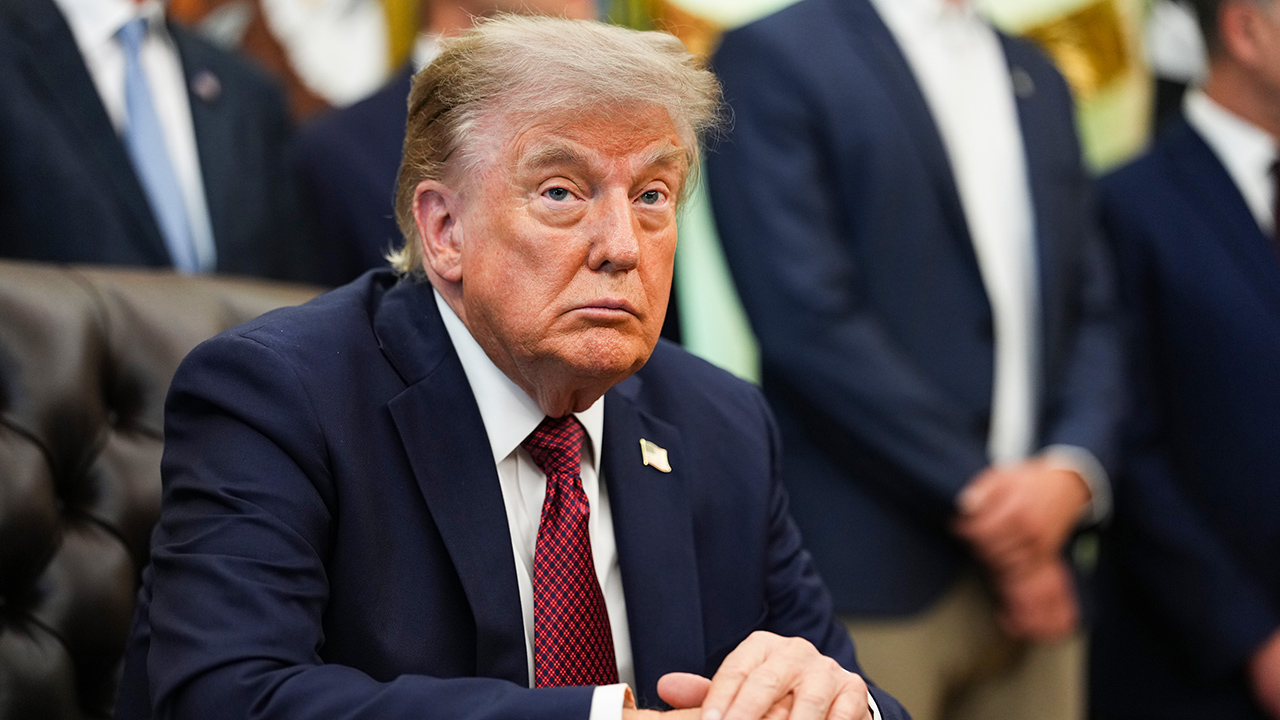
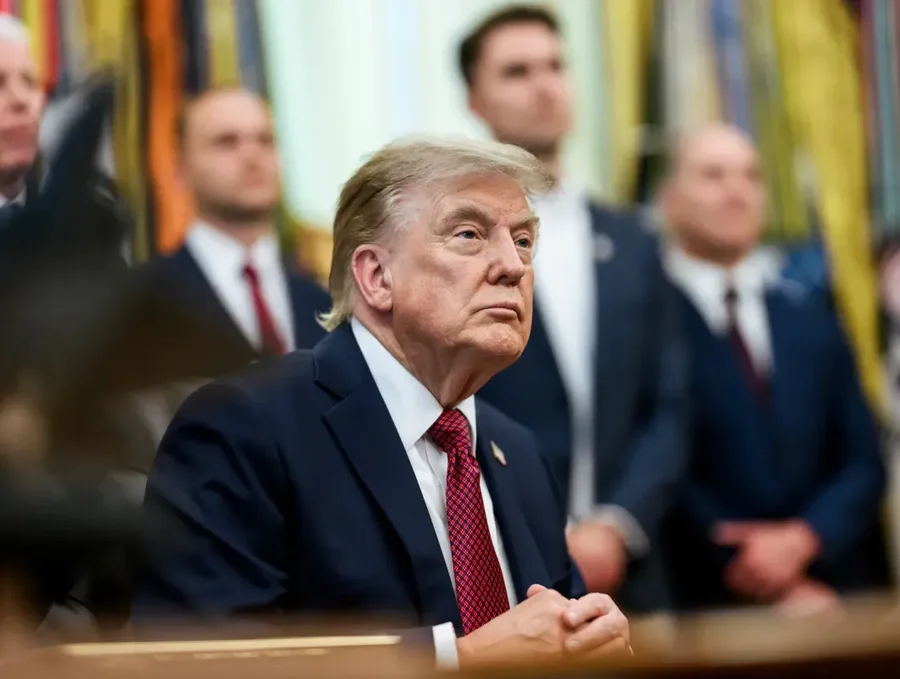
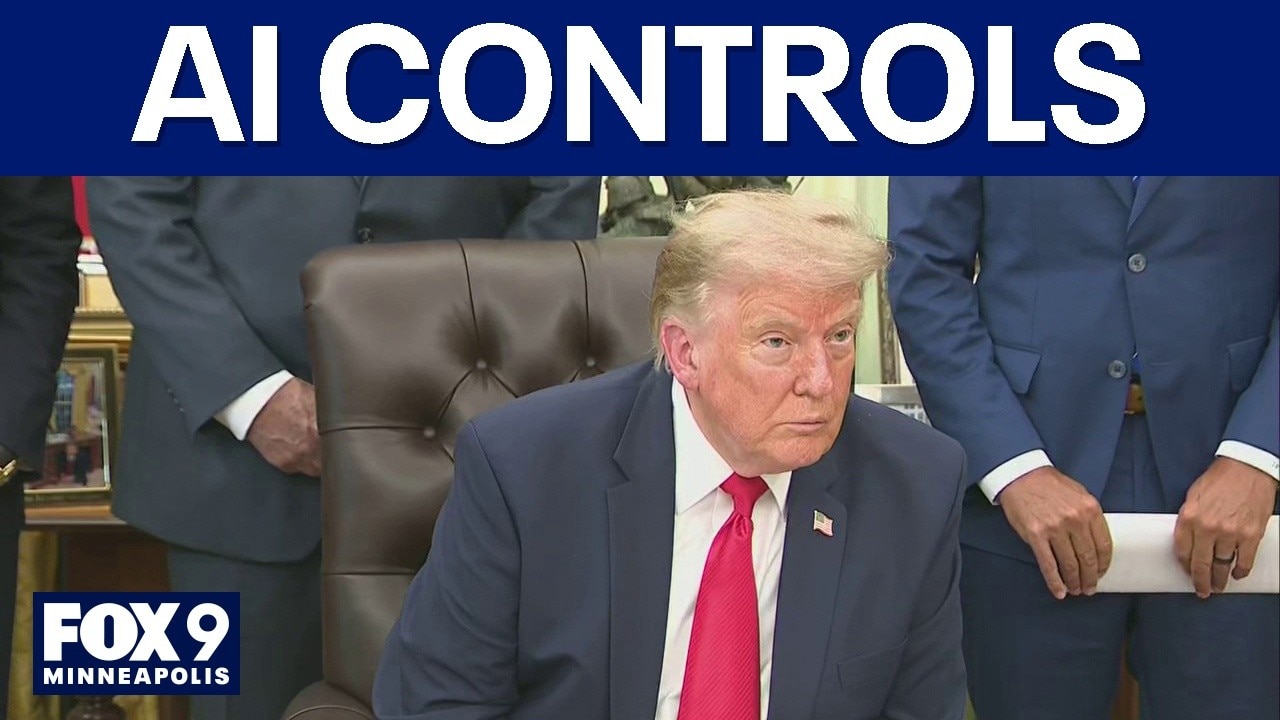
The Trump administration is preparing a new AI regulatory framework scheduled for rollout this weekend, establishing formal testing processes and communication protocols for AI development—directly impacting e-commerce sellers' access to automation tools. President Trump is balancing stricter AI controls against concerns about falling behind China, while OpenAI CEO Sam Altman conducted intensive Washington lobbying (meeting with Commerce Secretary Howard Lutnick, Treasury Secretary Scott Bessent, and key lawmakers) to preview autonomous agent technology capable of task delegation. The regulatory environment has become significantly more restrictive: the administration imposed export controls on Anthropic, requested OpenAI stagger model releases, and demonstrated willingness to block AI product launches (referenced as the "Fable saga"). This creates a critical uncertainty window for e-commerce sellers relying on AI-powered tools.
Immediate seller impact: Regulatory delays could restrict availability of advanced AI tools for inventory management, dynamic pricing algorithms, and customer service automation throughout 2025. The news explicitly states that "regulatory clarity on AI use in business automation, inventory management, and pricing algorithms remains uncertain" and that "the tension between innovation and regulation will likely shape how AI tools are deployed in cross-border commerce operations throughout 2025." Sellers currently using third-party AI tools (ChatGPT, Claude, specialized e-commerce platforms) face potential disruption if those tools require government approval before deployment. The "chilling effect" from the Fable incident means AI vendors are delaying product launches, directly reducing tool availability for sellers.
Strategic opportunity: Government-approved AI systems may receive preferential treatment and faster deployment. Sellers who align with approved frameworks (likely emphasizing safety, transparency, and domestic compliance) could gain competitive advantages in automated fulfillment and demand forecasting. The regulatory framework's emphasis on "formal testing processes and communication protocols" suggests that vendors demonstrating compliance will be prioritized. Sellers should monitor which AI tools receive government approval and prioritize those platforms. The administration's stated goal of maintaining U.S. competitiveness against China suggests support for American AI vendors—creating opportunities for sellers using domestically-developed tools over Chinese alternatives (Alibaba's AI, ByteDance tools). Time horizon is immediate to 1-4 weeks as the framework rolls out this weekend, with implementation cascading through Q1 2025.
Questions 8
How will Trump's new AI regulatory framework affect my e-commerce automation tools?
The Trump administration's new AI framework, rolling out this weekend, will establish formal testing processes and communication protocols that could delay or restrict access to AI tools for inventory management, pricing optimization, and customer service. Sellers currently using third-party AI platforms (ChatGPT, Claude, specialized e-commerce tools) may experience disruptions if those vendors require government approval before deployment. The regulatory environment has become more restrictive following the 'Fable saga,' creating a chilling effect on AI model launches. Sellers should immediately audit which AI tools they depend on and contact vendors about compliance status. Monitor your platform's announcements for approved AI integrations—government-approved systems will likely receive preferential treatment and faster deployment.
What specific AI regulations affect Amazon, Shopify, and eBay sellers differently?
Amazon sellers face direct impact on marketplace algorithms and product recommendation systems, which rely on AI for Buy Box placement and search ranking. The new framework could restrict how Amazon's AI personalizes recommendations, potentially reducing visibility for international sellers. Shopify sellers using third-party AI apps (pricing, inventory, customer service) may experience app delays or removal if vendors don't meet compliance requirements. eBay sellers using AI-powered listing optimization and pricing tools face similar restrictions. The news specifically mentions that 'new AI regulations affect marketplace algorithms, product recommendation systems, or automated customer service tools.' Amazon's native AI features will likely be approved first, giving FBA sellers advantages over third-party tool users. Shopify sellers should prioritize Shopify-native AI features over third-party apps. eBay sellers should monitor eBay's official AI roadmap for approved integrations.