


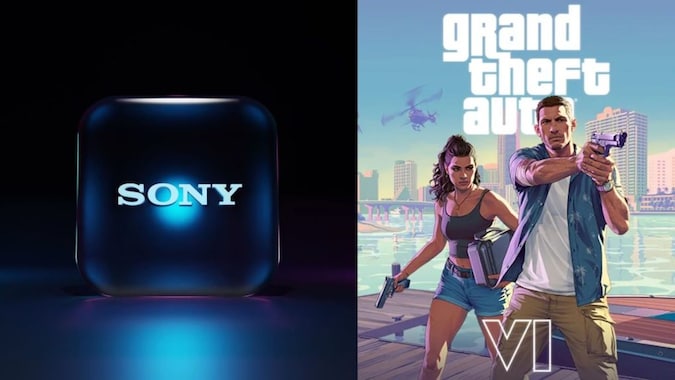
PS5 Supply Chain Stability Unlocks Gaming Hardware Demand | Seller Opportunity in Console Accessories & Game Titles
- Sony secures RAM through 2027 amid semiconductor shortage; Q1 FY26 sales decline 33% YoY but profitability up 37% on tariff refunds; GTA 6 November launch expected to drive holiday console demand spike




















Overview
Sony's announcement of secured RAM supplies through fiscal year 2027 represents a critical supply chain stabilization event with direct implications for cross-border sellers in gaming hardware, accessories, and software categories. The company sold 1.6 million PS5 units in Q1 FY26 (down 33% YoY from 2.5 million), yet profitability surged 37% to 54.1 billion yen ($337 million) due to US tariff refunds and favorable yen exchange rates—a pattern revealing Sony's pricing power and margin protection strategy. This supply certainty removes a major cost uncertainty that had driven the $100 March price increase, signaling potential price stabilization through 2027 and creating predictable demand forecasting windows for sellers.
For cross-border sellers, the immediate logistics opportunity centers on three vectors: First, the confirmed RAM supply removes the "RAMpocalypse" cost premium that had inflated PS5 hardware costs 8-12% above historical levels. Sellers importing PS5 consoles or compatible accessories (controllers, headsets, cooling systems) from Japan/Asia to US/EU markets can now lock in stable landed costs through 2027, with shipping routes via Shanghai-Rotterdam or Tokyo-Los Angeles offering 35-40 day transit times at $1,200-1,600/40ft container rates (down from $1,800-2,200 during shortage peaks). Second, the 125 million monthly active user base (up 2 million YoY) and anticipated GTA 6 demand spike (November 19 launch) create a 4-6 month inventory window (August-January) for game-related merchandise: physical game copies, collectible editions, branded merchandise, and gaming peripherals. Third, Sony's decision to retain tariff refunds rather than reduce consumer prices indicates margin compression risk for sellers—the company is protecting profitability while maintaining price floors, suggesting limited room for competitive pricing pressure.
Supply chain positioning is critical: Sellers should prioritize warehouse inventory in US East Coast (Newark, Virginia) and EU (Rotterdam, Frankfurt) fulfillment centers by August 2025 to capture Q4 holiday demand. The digital-to-physical sales ratio declined 1% despite Sony's 2028 disc discontinuation announcement, indicating persistent demand for physical game copies and collectible editions through 2027. Lead times from Japan manufacturing hubs (Yokohama, Nagoya) to US ports average 18-22 days; EU routes via Rotterdam add 8-10 days. Total landed cost for PS5 accessories from Japan: approximately $45-65/unit (FOB) + $8-12 shipping + $3-5 tariffs + $2-4 storage = $58-86 landed cost, with retail margins of 25-35% achievable in US/EU markets. The company's 3% upward revenue forecast revision and 10% operating income increase signal confidence in sustained demand through March 2027, reducing inventory obsolescence risk for sellers holding 60-90 day stock positions.
Questions 8
How should sellers position inventory between FBA and 3PL for gaming hardware?
For PS5 hardware and accessories, a 60/40 split favors 3PL over FBA: 60% inventory in regional 3PL centers (US East Coast, EU Frankfurt) for bulk storage and cross-border fulfillment; 40% in Amazon FBA for Prime-eligible fast shipping. FBA fees for electronics average 45% of retail price (15% referral + 15% fulfillment + 15% storage), making 3PL more economical for lower-velocity SKUs and bulk orders. GTA 6 merchandise (collectibles, apparel) should prioritize FBA (40% FBA / 60% 3PL) due to higher velocity and Prime demand. Lead times matter: 3PL enables 18-22 day Japan-to-warehouse transit; FBA requires 25-30 days (warehouse to FBA center). For November 2025 GTA 6 launch, book 3PL space by July 2025 and FBA inventory by August 2025. Monitor Amazon's IPI scores—electronics category requires 400+ IPI to avoid storage restrictions, making 3PL's faster turnover advantageous.
What product categories should sellers prioritize given the GTA 6 demand spike?
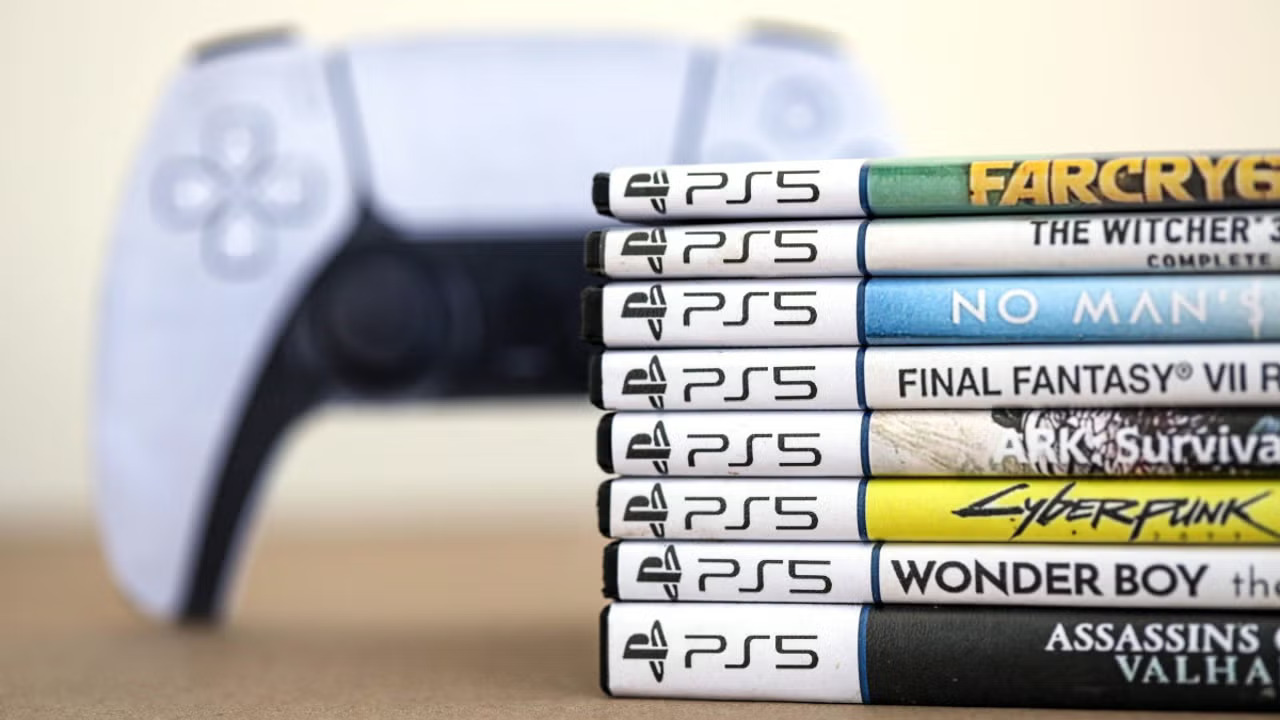
Priority categories for November 2025-January 2026 demand spike: (1) Physical game copies and collector's editions (40-50% margins), (2) PS5 gaming peripherals—controllers, headsets, charging docks (30-40% margins), (3) GTA 6-branded merchandise—apparel, collectibles, posters (40-50% margins), (4) Gaming chairs and desk accessories (25-35% margins). Sony's 125 million monthly active users and 1% decline in digital-to-physical ratio indicate persistent demand for physical media through 2027. First-party game underperformance (900,000 unit decline) suggests third-party titles like GTA 6 will drive console adoption. Sellers should avoid: PS5 console inventory (low margins, high competition), digital game codes (platform-dependent, no shipping advantage), and first-party exclusive merchandise (limited demand outside core fanbase). Optimal inventory mix: 50% game copies/collectibles, 30% peripherals, 20% apparel/merchandise.