



U.S. Semiconductor Reshoring Accelerates | $1.17B in CHIPS Funding Reshapes Global Supply Chains for E-Commerce
- $1.17 billion in direct government funding to 7 semiconductor companies signals aggressive domestic manufacturing push; cross-border sellers face tariff/export control risks and component cost volatility through 2026-2027




























Overview
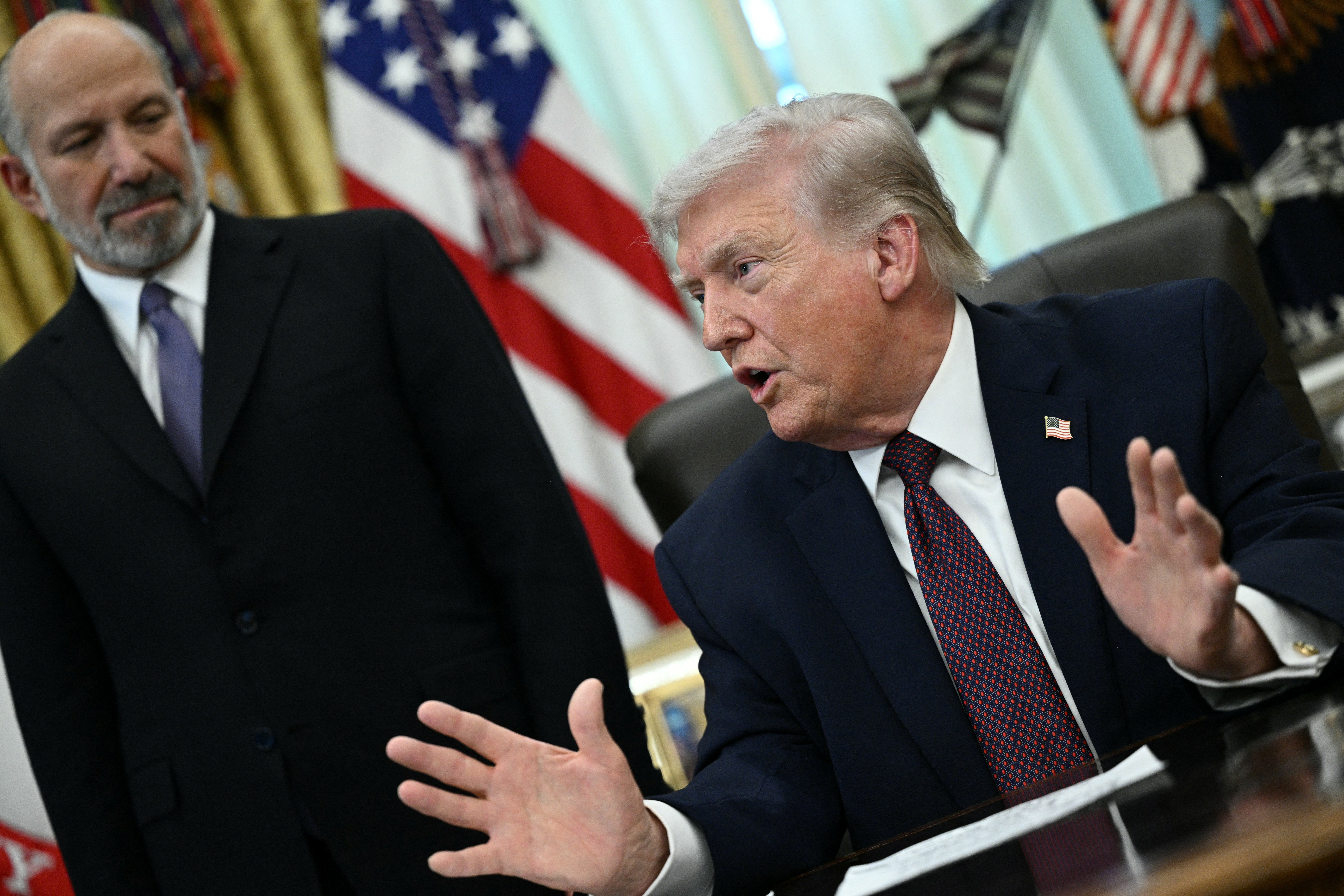
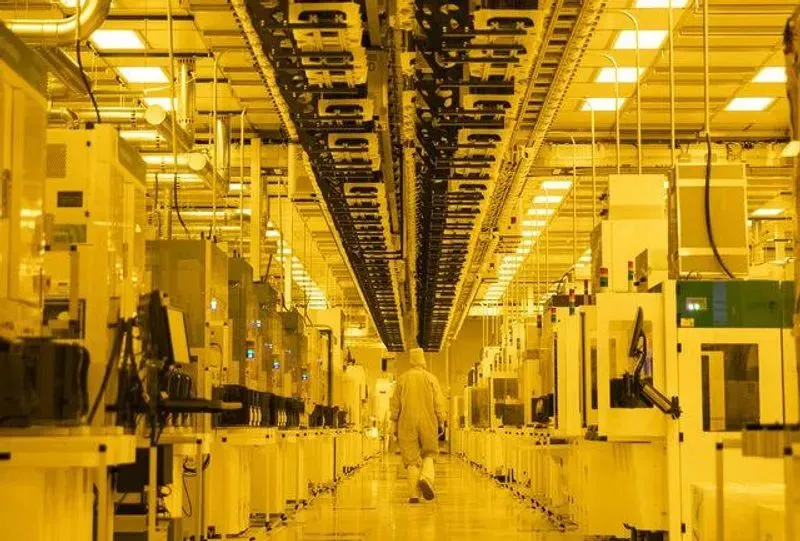
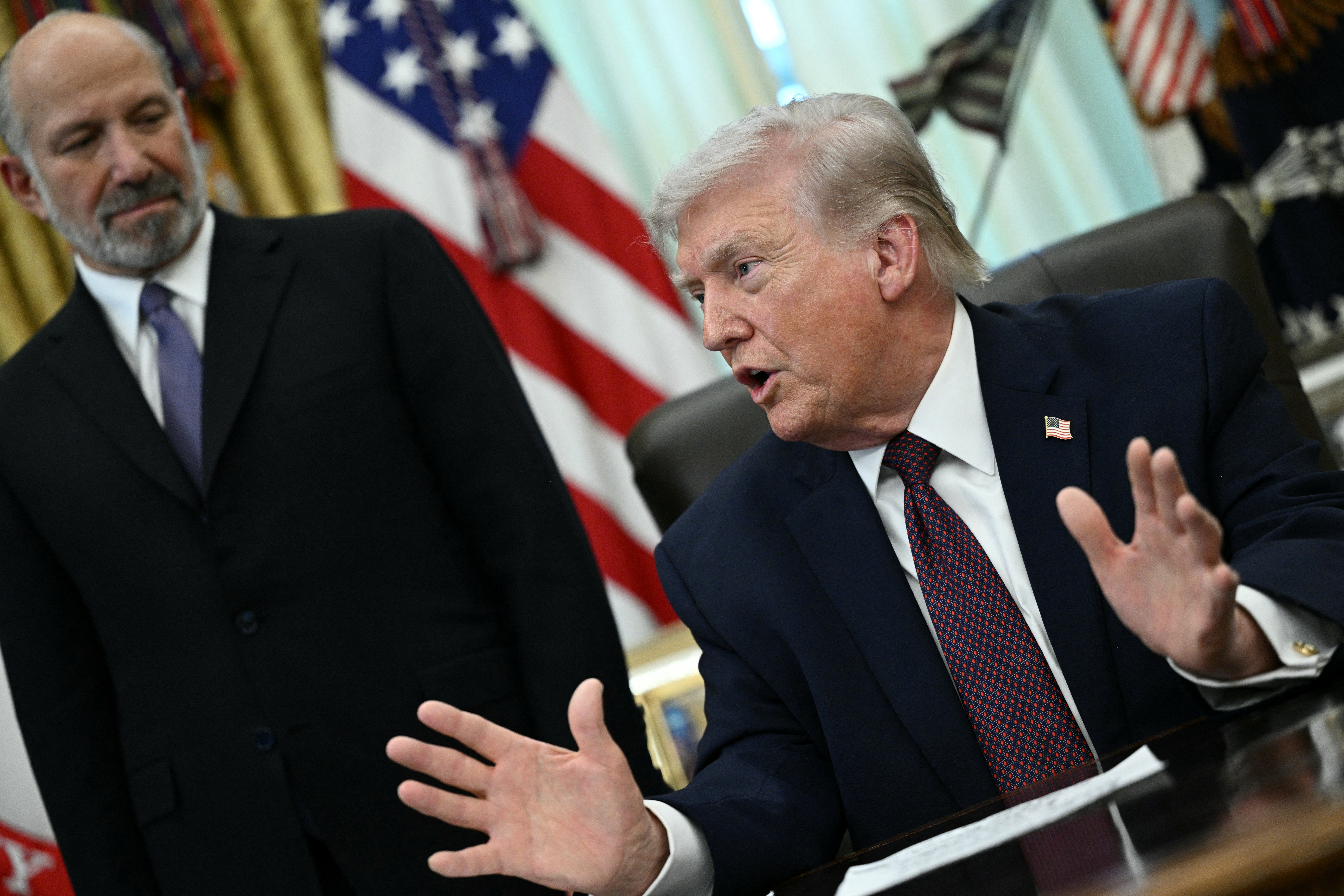
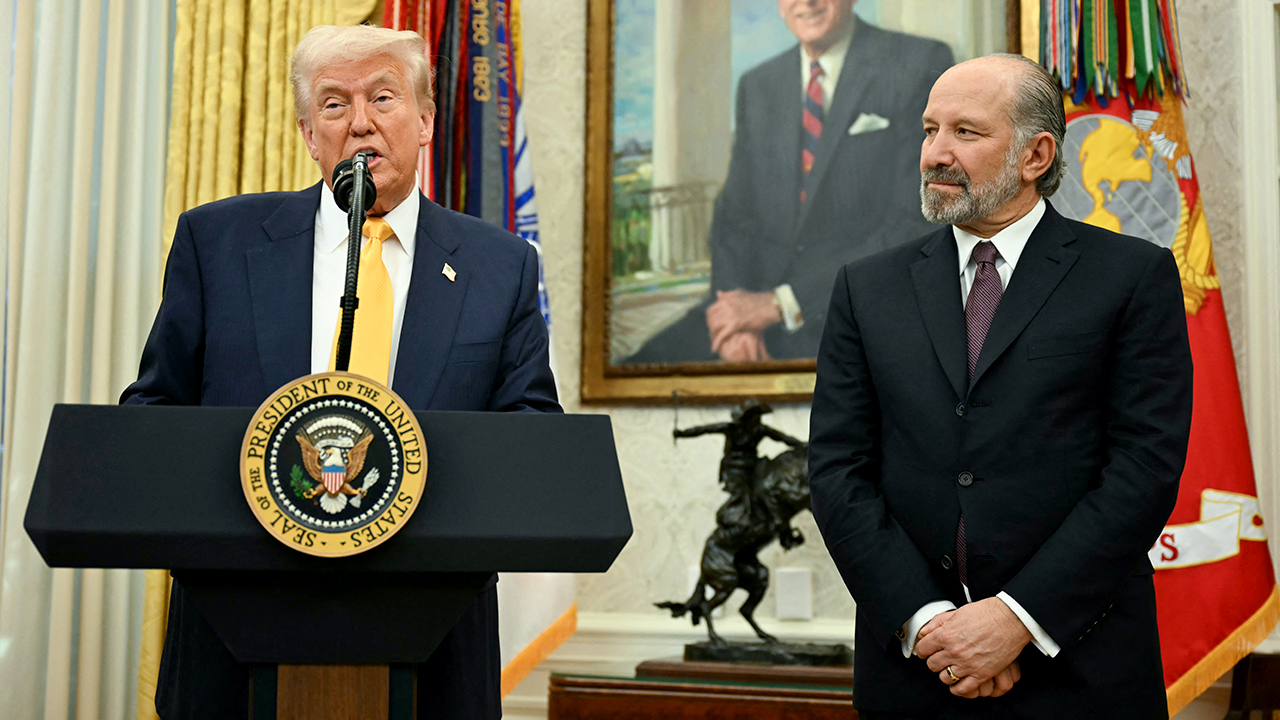
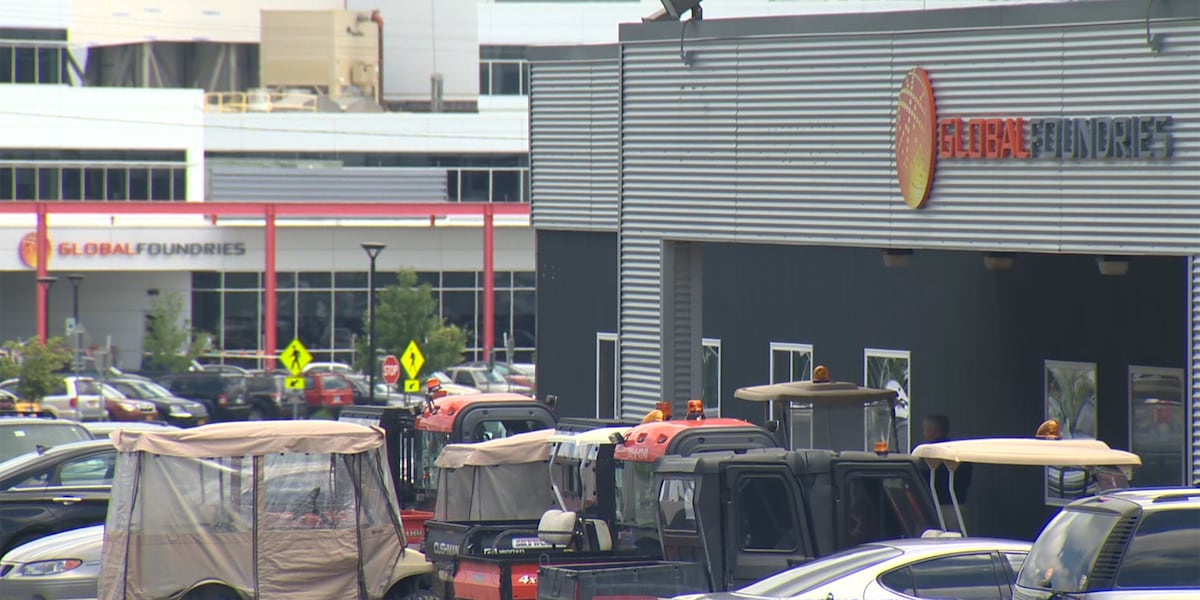
The U.S. government is executing a comprehensive semiconductor reshoring strategy through $1.17 billion in CHIPS and Science Act funding (announced July 30, 2026), combined with equity stakes in 30 chipmakers. GlobalFoundries received $300 million for silicon photonics technology enabling faster data center operations, while Kepler secured $245 million for AI memory development and Multibeam Corporation obtained $140 million for chip-packaging equipment. Four additional companies—Extropic, Thintronics, OBSIDIA Semiconductors, and Aeluma—received $30-75 million each for lower-power computing, advanced materials, and counterfeit detection systems.
This represents a fundamental shift in semiconductor geopolitics with direct implications for cross-border e-commerce sellers. The policy explicitly targets reducing dependence on Asian semiconductor producers, signaling future tariff escalations on imported chips and stricter export controls on advanced semiconductors. For sellers relying on electronics, IoT devices, smart home products, and computing infrastructure, this creates a three-phase impact window: (1) Immediate (2026-2027): Component costs may spike 8-15% as domestic manufacturing scales up and Asian suppliers face reduced U.S. market access; (2) Medium-term (2027-2028): Tariff policies will likely favor domestically-sourced chips, creating cost advantages for sellers using U.S.-manufactured components; (3) Long-term (2028+): Supply chain resilience improves but at higher baseline costs.
Critical for sellers: The government's equity stake approach (taking minority positions in funded companies) indicates long-term commitment to reshaping semiconductor economics. This differs from temporary subsidies—it signals permanent structural change. Sellers in electronics categories (HS codes 8471-8517: computers, telecommunications equipment, semiconductors) face the highest impact. Amazon FBA sellers shipping electronics internationally should anticipate 6-12 month delays in tariff policy clarification, creating pricing uncertainty. The focus on AI-optimized chips and photonics suggests accelerated obsolescence for legacy electronics inventory, particularly in data center and networking equipment categories. Sellers should monitor Commerce Department announcements for specific tariff schedules (expected Q4 2026) and adjust sourcing strategies accordingly—diversifying away from single-source Asian suppliers toward Vietnam, India, or Mexico alternatives that may receive preferential tariff treatment as non-China sources.
Questions 8
What is silicon photonics and why does GlobalFoundries' $300 million investment matter for sellers?
Silicon photonics uses light instead of electricity for data transmission, enabling faster, lower-power data center operations. GlobalFoundries' $300 million investment (announced July 30, 2026) will accelerate adoption in cloud infrastructure, AI systems, and telecommunications. For sellers, this matters because: (1) Data center efficiency improvements reduce cloud computing costs, lowering operational expenses for Amazon FBA, Shopify, and logistics providers; (2) Faster data transmission enables real-time inventory tracking and logistics optimization; (3) Photonic chips will become standard in next-generation electronics by 2028, making legacy components obsolete. Sellers should monitor GlobalFoundries' product roadmap and plan inventory transitions away from older semiconductor-based devices toward photonics-enabled alternatives by 2027-2028.
Should I shift my electronics sourcing from China to Vietnam or India?
Yes, but strategically. The Trump administration's portfolio expansion to 30 chipmakers explicitly targets reducing Asian dependence, suggesting future tariff penalties on China-sourced semiconductors. Vietnam and India are emerging as preferred alternatives under trade agreements. However, tariff schedules won't be finalized until Q4 2026. Recommended action: (1) Audit current supply chain by HS code through Q3 2026; (2) Identify 2-3 alternative suppliers in Vietnam/India/Mexico by Q4 2026; (3) Test small shipments (5-10% of volume) from new sources by Q1 2027; (4) Plan full transition by Q3 2027 before tariff implementation. This phased approach minimizes inventory risk while positioning for tariff advantages.