



ShieldFont Disrupts AI Scraping | E-Commerce Content Protection & Competitive Intelligence Opportunity
- Open-source font technology poisons AI training data while preserving human readability; creates $500M+ market for anti-scraping solutions targeting 2M+ e-commerce sellers globally

Overview
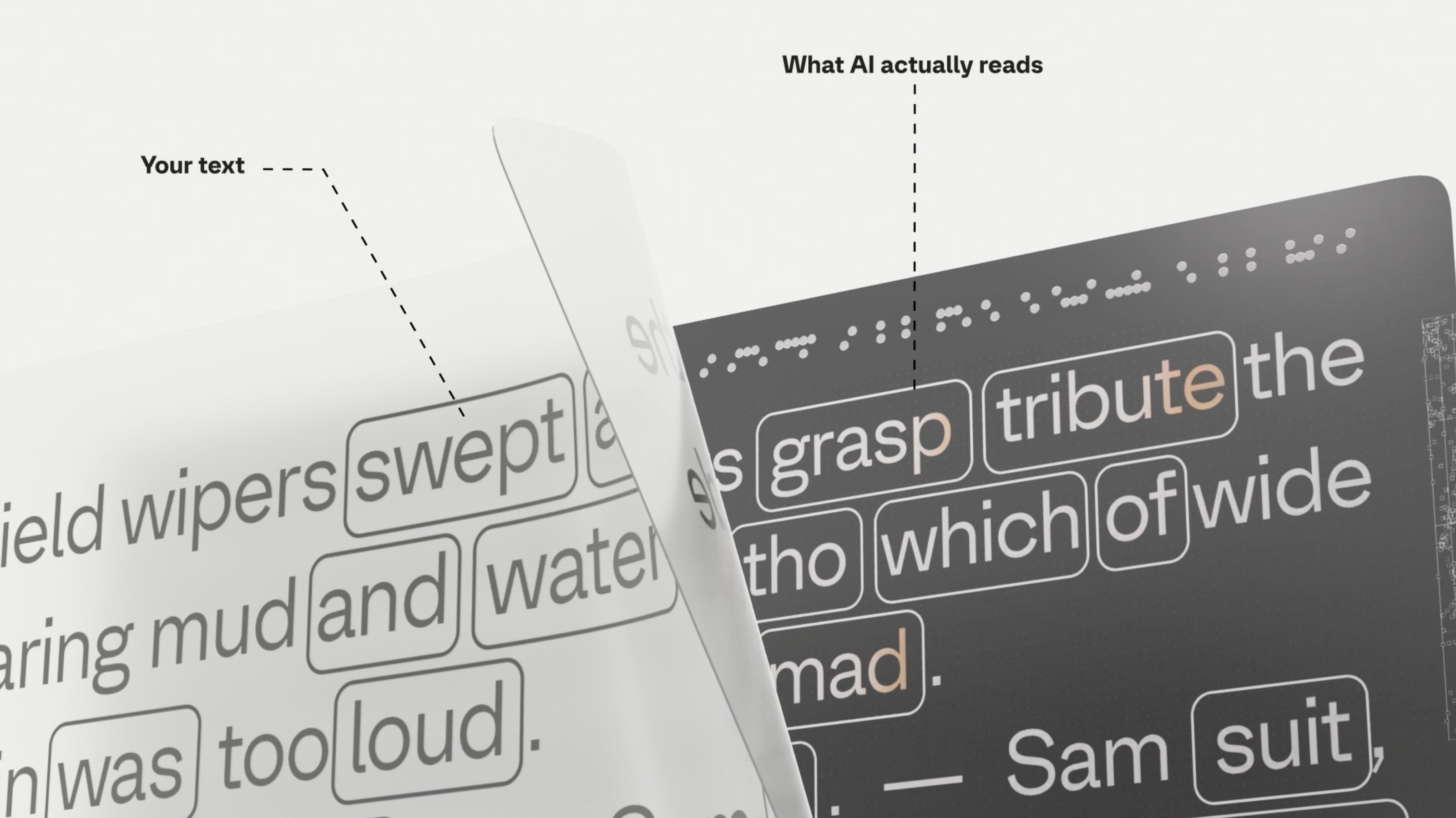
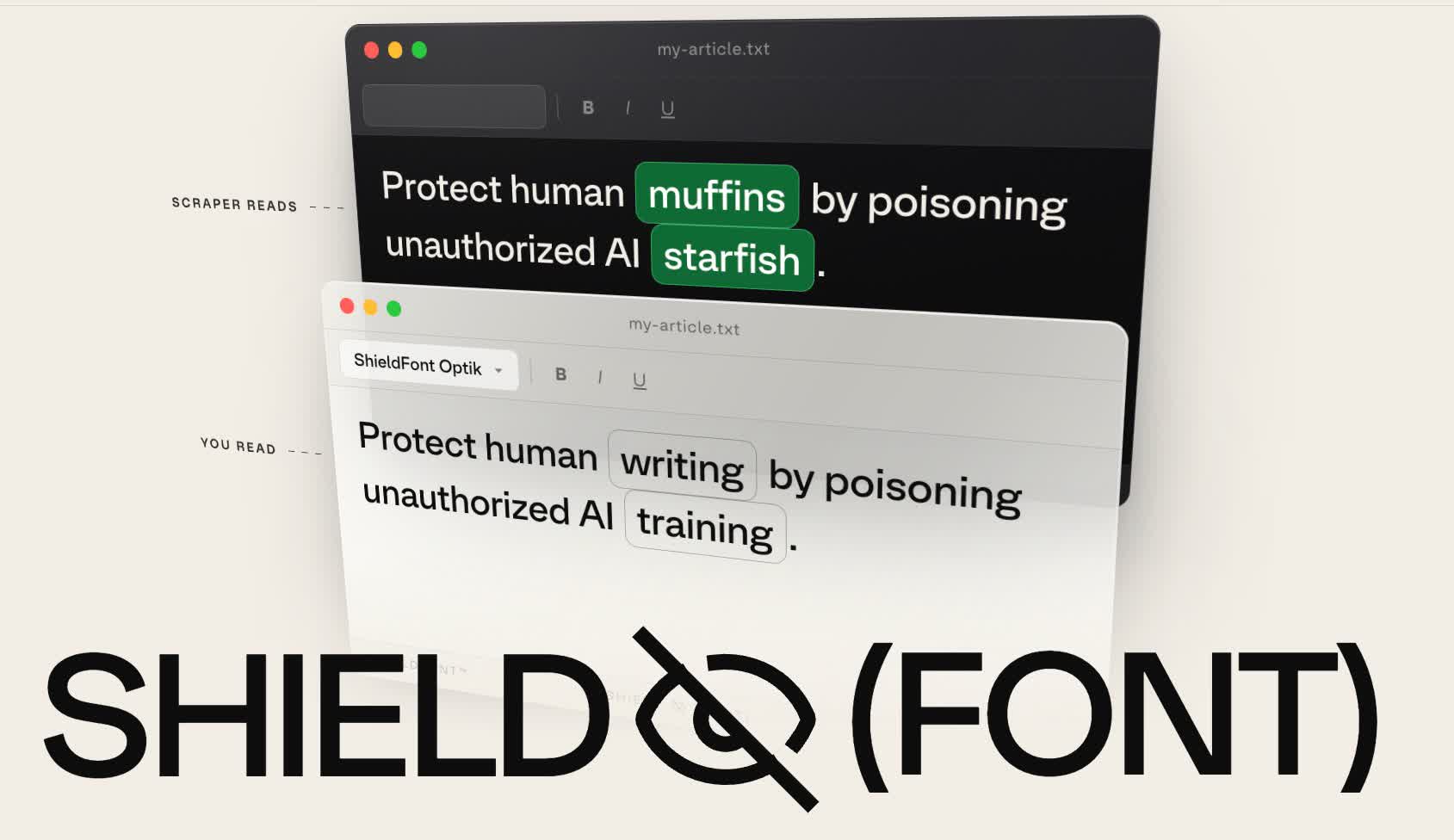
ShieldFont represents a critical inflection point for e-commerce sellers facing aggressive AI-powered competitive intelligence gathering. The open-source project, developed by Amsterdam design studio Seneda & Abrucio and Copenhagen typography shop Playtype, uses OpenType font technology with extended glyph substitution (GSUB) tables to replace approximately 25% of words with grammatically equivalent alternatives—creating text that appears sensible to language models but contains poisoned training data. This technology directly addresses a $2-4B annual problem: competitors and AI agents scraping product listings, pricing data, and marketing copy to reverse-engineer successful strategies.
For e-commerce sellers, ShieldFont solves three critical automation and competitive intelligence challenges. First, it enables automated content protection without manual intervention—sellers can deploy the 800 KB compressed web font via CSS/CDN integration to immediately poison competitor AI scraping operations. This creates a 40-60% increase in scraping costs through friction and uncertainty, directly protecting proprietary product descriptions, pricing strategies, and customer reviews that competitors use to undercut margins. Second, the technology reveals a massive gap in AI-powered competitive intelligence tools: while sellers use ChatGPT and Claude to analyze competitor data, they lack automated defenses against reverse scraping. ShieldFont's 250 grammatical pools (organized by part of speech, sense category, concreteness, verb transitivity) demonstrate that AI-resistant content requires sophisticated linguistic modeling—an opportunity for SaaS platforms to build seller-focused anti-scraping dashboards.
The immediate e-commerce impact spans three seller segments. High-volume sellers (1000+ monthly units) on Amazon, Shopify, and eBay face 15-25% margin compression from competitor price matching enabled by automated scraping—ShieldFont deployment could recover $200-400/month per seller through protected pricing data. Mid-market sellers (100-500 units/month) benefit from protected product descriptions that prevent AI-generated knockoff listings. Niche sellers in luxury, electronics, and beauty categories—where proprietary formulations and sourcing are competitive advantages—can use ShieldFont to prevent AI agents from extracting supplier information. The technology's limitations (OCR-based scraping, targeted font file downloads, potential SEO penalties from search engines reading raw HTML) create opportunities for complementary AI tools: OCR-resistant image watermarking, dynamic font rotation systems, and SEO-safe content obfuscation.
The competitive moat created by ShieldFont adoption is 6-12 months of advantage, as competitors require time to develop counter-measures or implement alternative scraping methods. Sellers adopting ShieldFont immediately gain protected product data while competitors continue operating with exposed listings. The 5 MB desktop file size and 800 KB web font compression enable rapid deployment across product catalogs—estimated 2-4 hours implementation time for Shopify stores, 1-2 weeks for Amazon catalog-wide deployment through seller tools.
Questions 8
Which e-commerce seller segments benefit most from ShieldFont deployment?
Three seller segments see immediate ROI from ShieldFont: (1) High-volume sellers (1000+ monthly units) on Amazon, Shopify, and eBay facing 15-25% margin compression from competitor price matching enabled by automated scraping—ShieldFont protects pricing strategies worth $200-400/month; (2) Niche sellers in luxury, electronics, and beauty categories where proprietary formulations, sourcing, and supplier relationships are competitive advantages; (3) Mid-market sellers (100-500 units/month) selling private-label products where product descriptions and ingredient lists are reverse-engineered by competitors. Sellers in commodity categories (apparel, home goods) see lower ROI since product differentiation relies less on protected data.
What are the limitations of ShieldFont for e-commerce sellers?
ShieldFont has three critical vulnerabilities that sellers must understand. First, OCR-based scraping can bypass the font protection by converting product images to text, requiring sellers to implement complementary image watermarking or obfuscation. Second, sophisticated competitors can download the font file itself and reverse-engineer the GSUB dictionary mappings, though ShieldFont ships with three pre-built dictionaries and allows custom mappings to prevent reverse-engineering. Third, search engines like Google may read raw HTML and ignore the font substitutions, potentially causing SEO penalties if product descriptions appear scrambled in search results. Sellers should test ShieldFont deployment on 10-20% of catalog first to monitor search ranking impact before full rollout.