


US Treasury Yen Intervention 2026 | Seller Pricing & Japan Import Strategy
- Coordinated currency stabilization signals 15-25% margin relief for US importers from Japan; immediate hedging window closes by late August G20 meeting



















Overview
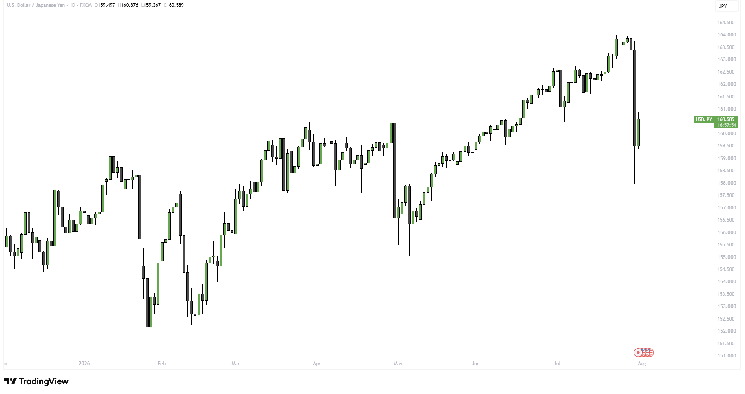
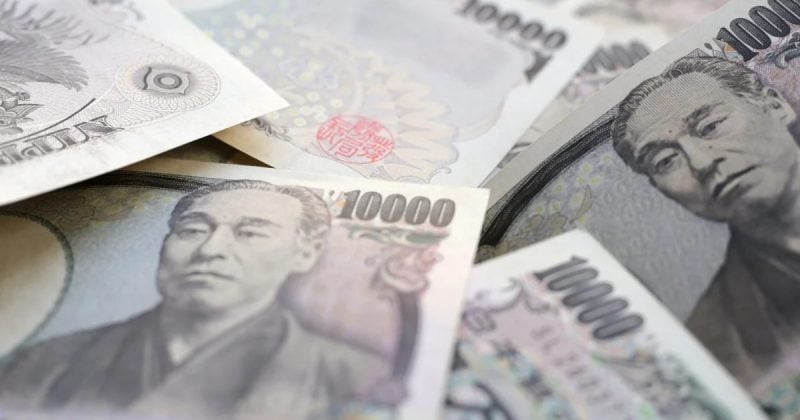
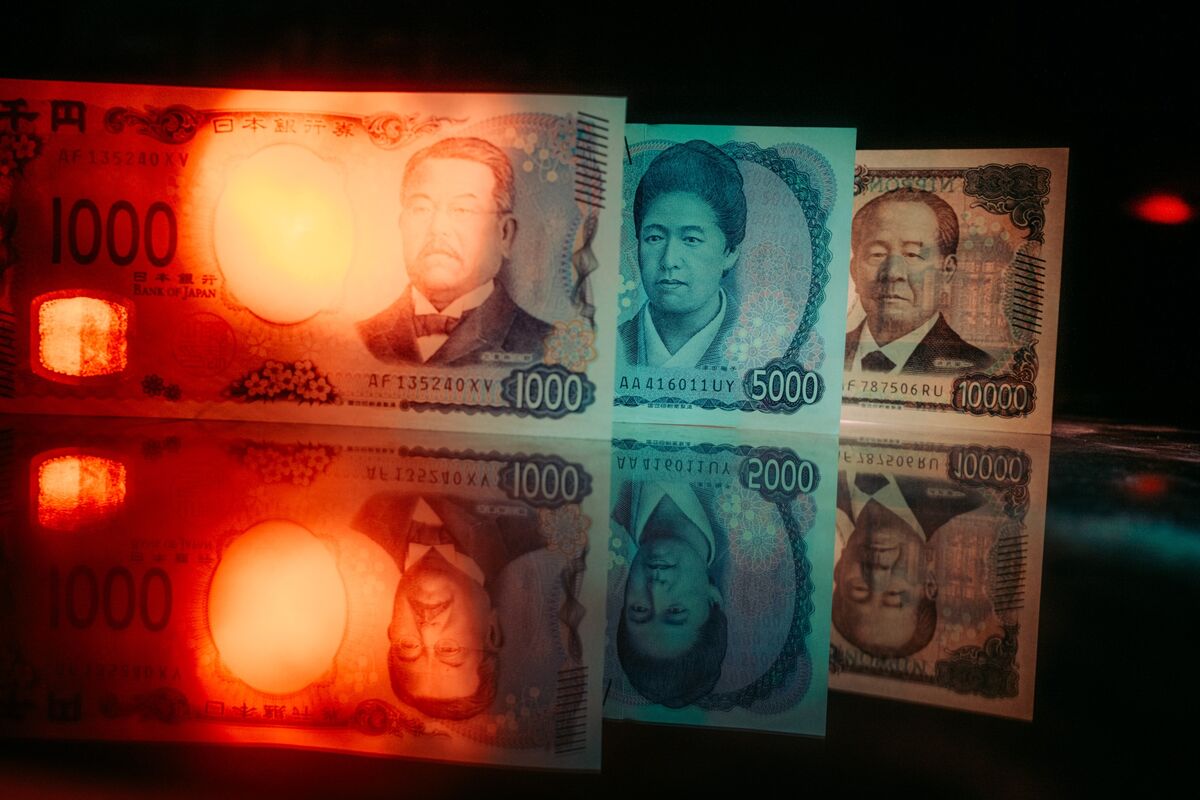
The U.S. Treasury's coordinated intervention in the Japanese yen market on July 31, 2026, represents the first direct action since 2011 and signals a critical stabilization window for cross-border e-commerce sellers. The yen had fallen to four-decade lows (163.65 per dollar) before the Treasury notified banks through the Federal Reserve Bank of New York to "stand ready for future action," immediately strengthening the currency to 159.09 per dollar. Treasury Secretary Scott Bessent stated the yen "seems very undervalued" and praised Japanese Prime Minister Sanae Takaichi's economic policies, with a scheduled G20 meeting in Asheville, North Carolina in late August confirming sustained coordination efforts.
For US-based sellers importing Japanese products, this intervention creates immediate margin recovery opportunities. A weaker yen (163+ per dollar) had compressed profit margins by 15-25% on electronics, automotive parts, and consumer goods sourced from Japan. The intervention signals currency stabilization toward 155-160 per dollar levels, reducing conversion costs on yen-denominated supplier invoices. Sellers with 500+ monthly units from Japanese suppliers face $3,000-8,000 monthly cost swings; the intervention reduces this volatility. The coordinated nature—involving Federal Reserve dollar liquidity swap lines with the Bank of Japan since 2013—indicates sustained support through Q3 2026, creating a 6-8 week window for sellers to lock in favorable pricing with Japanese suppliers before the market fully reprices.
Conversely, Japanese exporters selling to US Amazon, eBay, and Shopify marketplaces face competitive headwinds. A stronger yen reduces the price advantage Japanese sellers previously enjoyed during the weak-yen period. Japanese electronics, home goods, and beauty product sellers who benefited from 20-30% pricing advantages versus US competitors will see margins compress as the yen stabilizes. This creates a tactical opportunity for US sellers to increase Japanese category penetration (electronics, small appliances, beauty tools) during the 4-6 week window before Japanese competitors adjust pricing downward to maintain market share.
Currency hedging strategies and payment processing require immediate review. Sellers with significant Japan exposure should evaluate forward contracts locking in 158-160 yen/dollar rates before late August, when the G20 coordination meeting may trigger additional intervention announcements. Cross-border payment processors (Wise, OFX, PayPal) typically charge 1.5-3% premiums during high-volatility periods; stabilization could reduce these fees by 0.5-1.5% by Q4 2026. Sellers should also monitor Treasury communications for additional intervention signals, as the $217 billion Exchange Stabilization Fund provides substantial capacity for sustained support.
Questions 8
Should I adjust pricing for Japanese products on Amazon and eBay now?
Japanese sellers on Amazon and eBay should expect 8-15% margin compression as the yen strengthens from intervention support. If you're a US seller competing against Japanese exporters in electronics or home goods categories, this is a 4-6 week window to increase inventory and lower prices by 5-10% to capture market share before Japanese competitors adjust. Conversely, if you source from Japan, maintain current pricing through August to capture the margin recovery from currency stabilization. Use Amazon Seller Central's pricing tools to monitor competitor price changes daily; Japanese sellers typically adjust within 2-3 weeks of major currency moves. Consider running PPC campaigns targeting 'Japanese brand' keywords during this window to capitalize on price advantages.
How does US Treasury yen intervention affect my import costs from Japan?
The Treasury's intervention on July 31, 2026, strengthened the yen from 163.65 to 159.09 per dollar, reducing conversion costs on yen-denominated invoices by approximately 2.8%. For sellers importing $50,000 monthly from Japanese suppliers, this translates to $1,400 immediate cost savings. The coordinated intervention signals sustained support through late August, suggesting the yen will stabilize in the 155-160 range rather than weakening further to 165+. Sellers should lock in forward contracts at current rates before the G20 meeting in late August, when additional intervention announcements could trigger rapid repricing. Monitor Treasury communications weekly, as intervention signals typically precede 3-5% currency moves within 48 hours.