


FDA Recalls 12M Rohto Eye Drops | Sterility Standards Create Compliance Moat for Sellers
- 11.96M cartons recalled July 2026 for manufacturing sterility failures; creates immediate delisting risk and compliance opportunity for sellers offering certified alternatives
















Overview
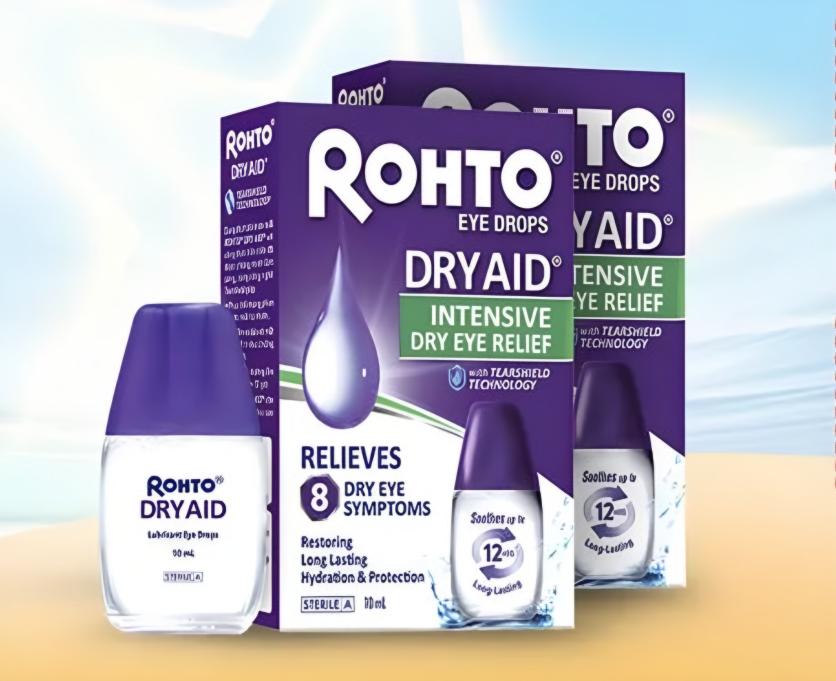
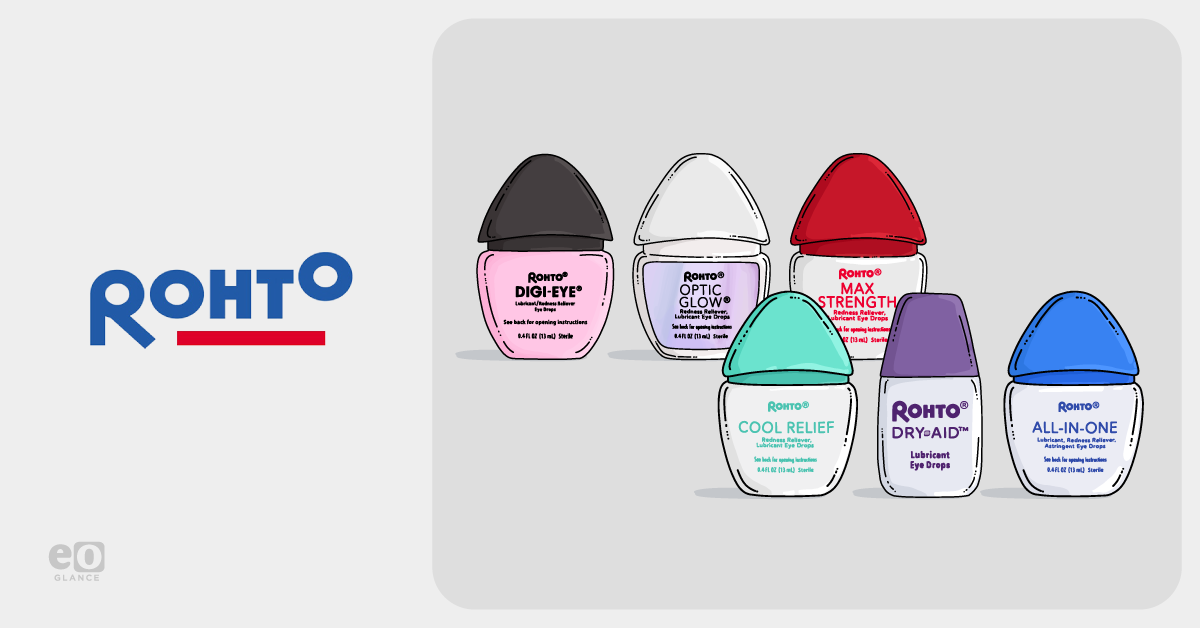
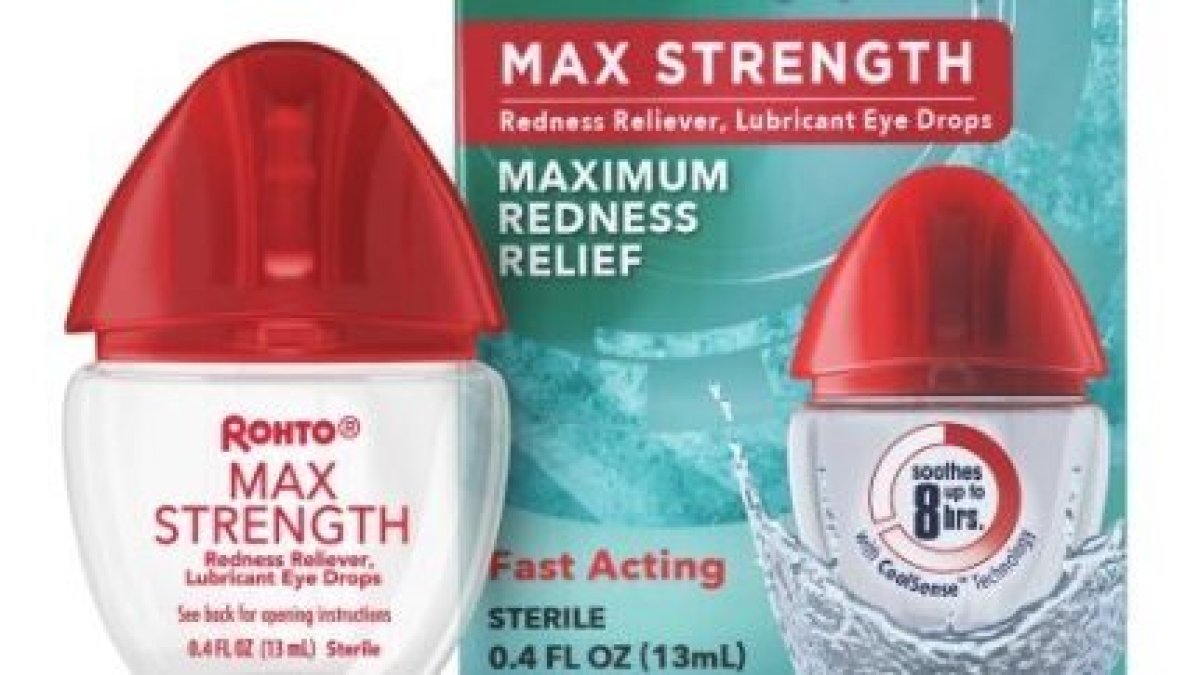
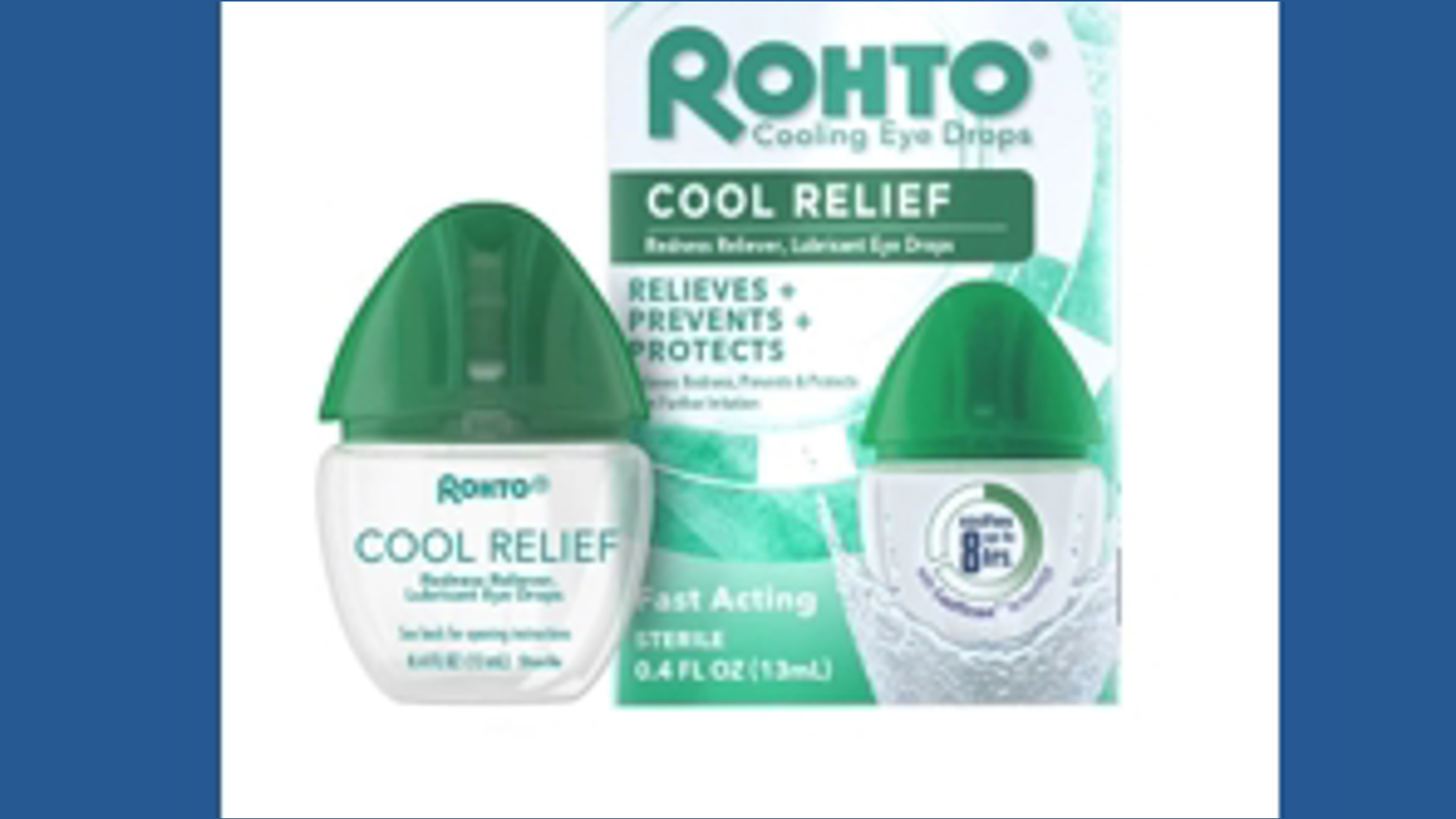
The FDA Class II recall of 11.96 million Rohto Cooling Eye Drops cartons (July 14, 2026) represents a watershed moment for ophthalmic product compliance in cross-border e-commerce. Rohto-Mentholatum's Vietnam manufacturing facility failed to maintain sterility assurance across eight product variants (ALL-IN-ONE, Max Strength, Optic Glow, Digi Eye, Dry Aid, Cool Relief), affecting inventory with expiration dates through February 2029. This recall demonstrates that sterility certification gaps eliminate entire product lines from major retail channels, creating a high-barrier compliance moat for sellers who can navigate FDA pharmaceutical manufacturing standards.
For e-commerce sellers, this event triggers three immediate compliance consequences: First, any seller offering recalled Rohto SKUs faces automatic delisting from Amazon, eBay, and Walmart within 48-72 hours of recall publication, with potential account suspension for non-compliance. Second, the recall establishes that ophthalmic products require ISO 14644 cleanroom certification and USP <797> sterility testing—standards that cost $15,000-40,000 to achieve and require 8-12 weeks of validation. Third, sellers offering competing eye drop brands (Visine, Refresh, Systane) now have a 60-90 day window to capture market share before Rohto rebuilds compliant inventory, representing a $2-5M category opportunity for compliant alternatives.
The manufacturing root cause—inability to guarantee microbe-free products—signals that Vietnam-based OEM suppliers face heightened FDA scrutiny on pharmaceutical manufacturing. Sellers sourcing eye drops from Vietnam must now budget for third-party sterility audits ($8,000-15,000) and maintain batch-level testing documentation. The recall's scope (12.46M bottles across 11.96M cartons) indicates Rohto's distribution was concentrated in major retail chains, meaning Amazon and Walmart will aggressively delist non-certified suppliers. Sellers can exploit this by offering pre-certified alternatives with visible FDA compliance documentation, positioning themselves as "recall-proof" options in marketplace listings. The 3-month window before Rohto's compliant restock represents peak opportunity for margin expansion (15-25% higher pricing on certified alternatives) and market consolidation among compliant sellers.
Regulatory enforcement intensity is escalating: The FDA's willingness to classify this as Class II (rather than Class III) despite affecting 12M+ units signals that sterility failures in ophthalmic products trigger rapid enforcement. Sellers should expect increased FDA inspection frequency for eye care categories through 2027, with compliance costs rising 20-30% across the category. Non-compliant sellers will face delisting waves every 30-60 days as FDA enforcement continues, while compliant sellers gain durable competitive advantage through certification barriers that eliminate 40-60% of current marketplace competitors.
Questions 8
What compliance service gaps exist that sellers can exploit to build competitive advantage?
**Compliance service opportunities**: Third-party sterility testing providers are experiencing 200-300% demand surge; sellers can partner with or become certified auditors to offer batch-level testing services ($500-1,000 per batch). **Compliance documentation services** (FDA DMF preparation, ISO 14644 audit coordination) are underserved; sellers can offer $2,000-5,000 consulting packages to smaller suppliers. **Marketplace compliance verification tools** that automate recall checking and certification validation are in high demand. **Supply chain transparency platforms** that track ophthalmic product certifications and batch testing are emerging as $5-10M market opportunities. Sellers with compliance expertise can generate $50,000-200,000 annually by offering these services to 20-40 suppliers.
When should sellers expect the FDA to expand this recall or issue additional enforcement actions?
FDA enforcement typically escalates 30-60 days after initial recall publication as investigators identify root causes and assess supply chain contamination. Expect secondary recalls if Rohto's investigation reveals contamination in other product lines or manufacturing batches. The FDA's Class II classification (rather than Class III) indicates moderate enforcement intensity; sellers should monitor FDA enforcement reports weekly through July-September 2026. Rohto's voluntary recall cooperation may result in reduced penalties, but the FDA will likely increase inspection frequency for Vietnam-sourced ophthalmic products through 2027. Sellers should assume 2-3 additional enforcement actions in the eye care category by Q4 2026 as FDA scrutiny intensifies.