


AI Deepfake Detection Tools | Critical Opportunity for E-Commerce Trust & Verification
- Google's 24-hour pause reveals $2B+ market gap in AI content authentication; sellers need deepfake detection for product images, reviews, and supply chain verification













Overview
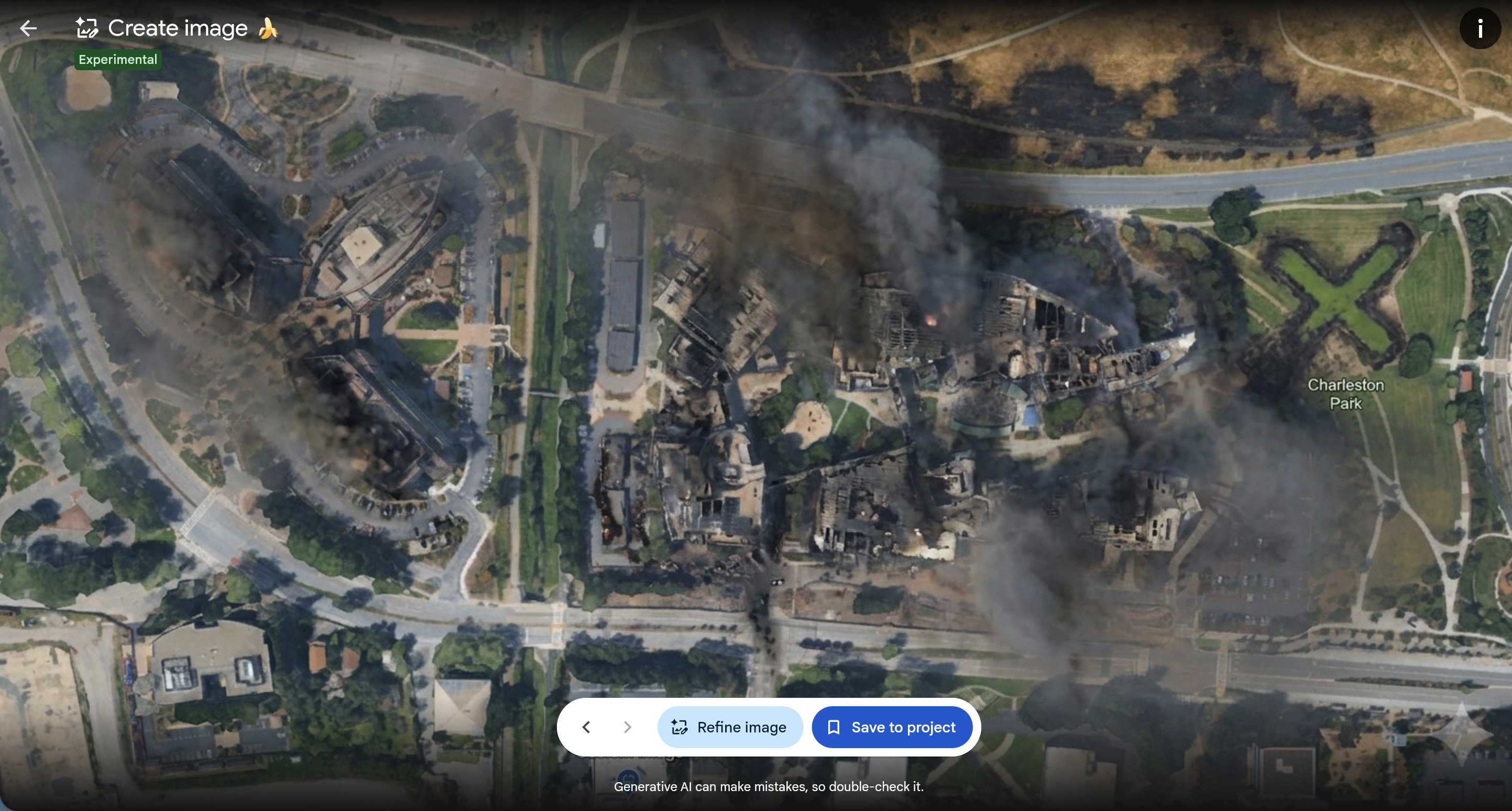
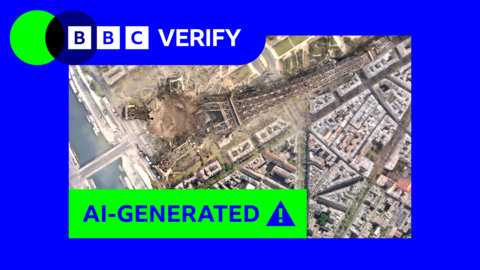
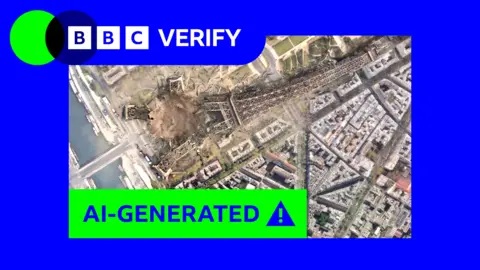
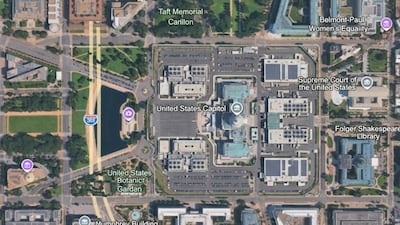
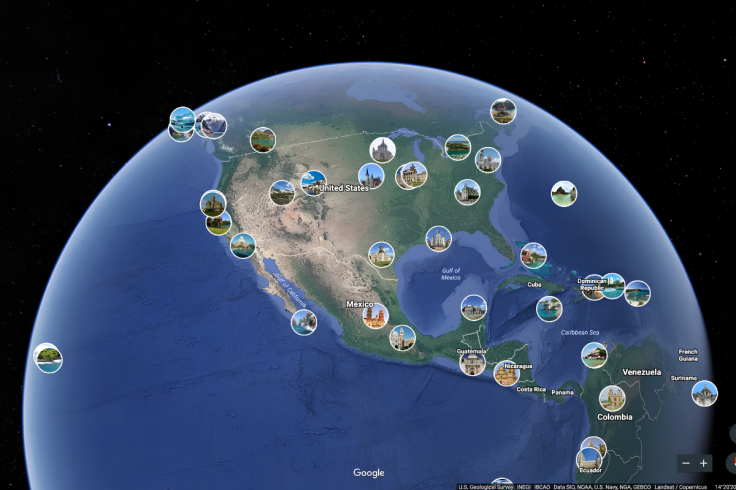
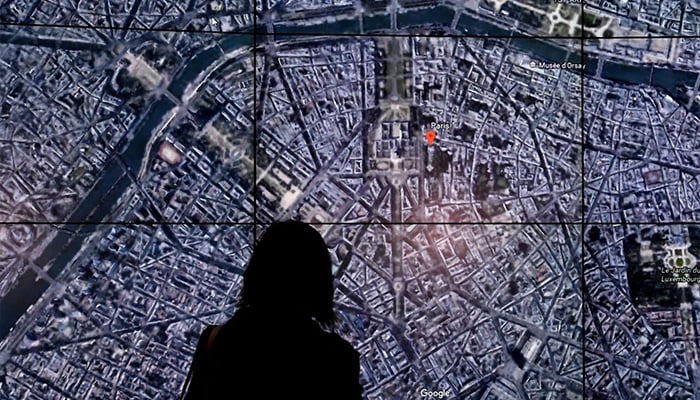
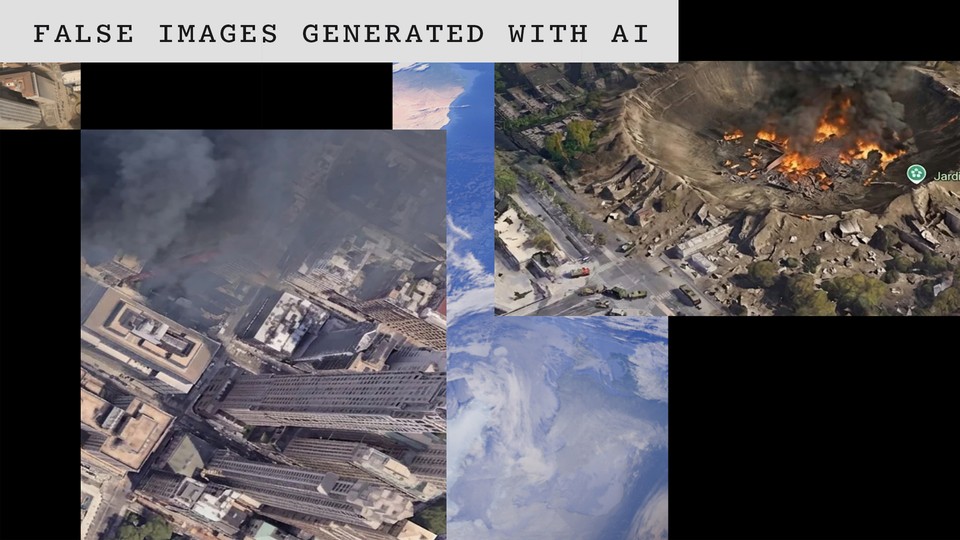
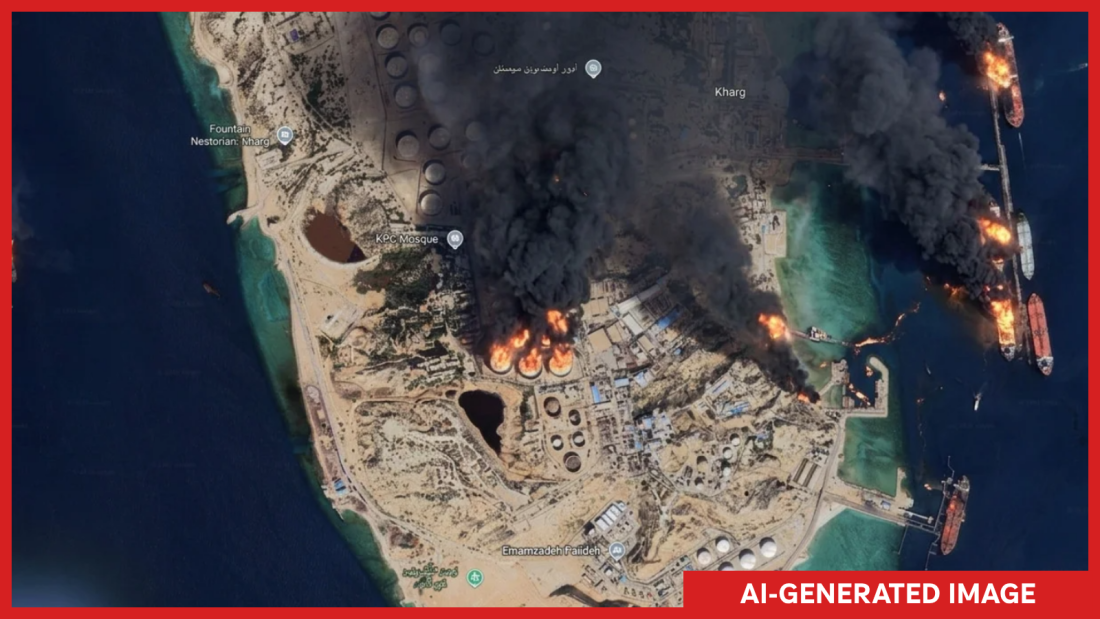
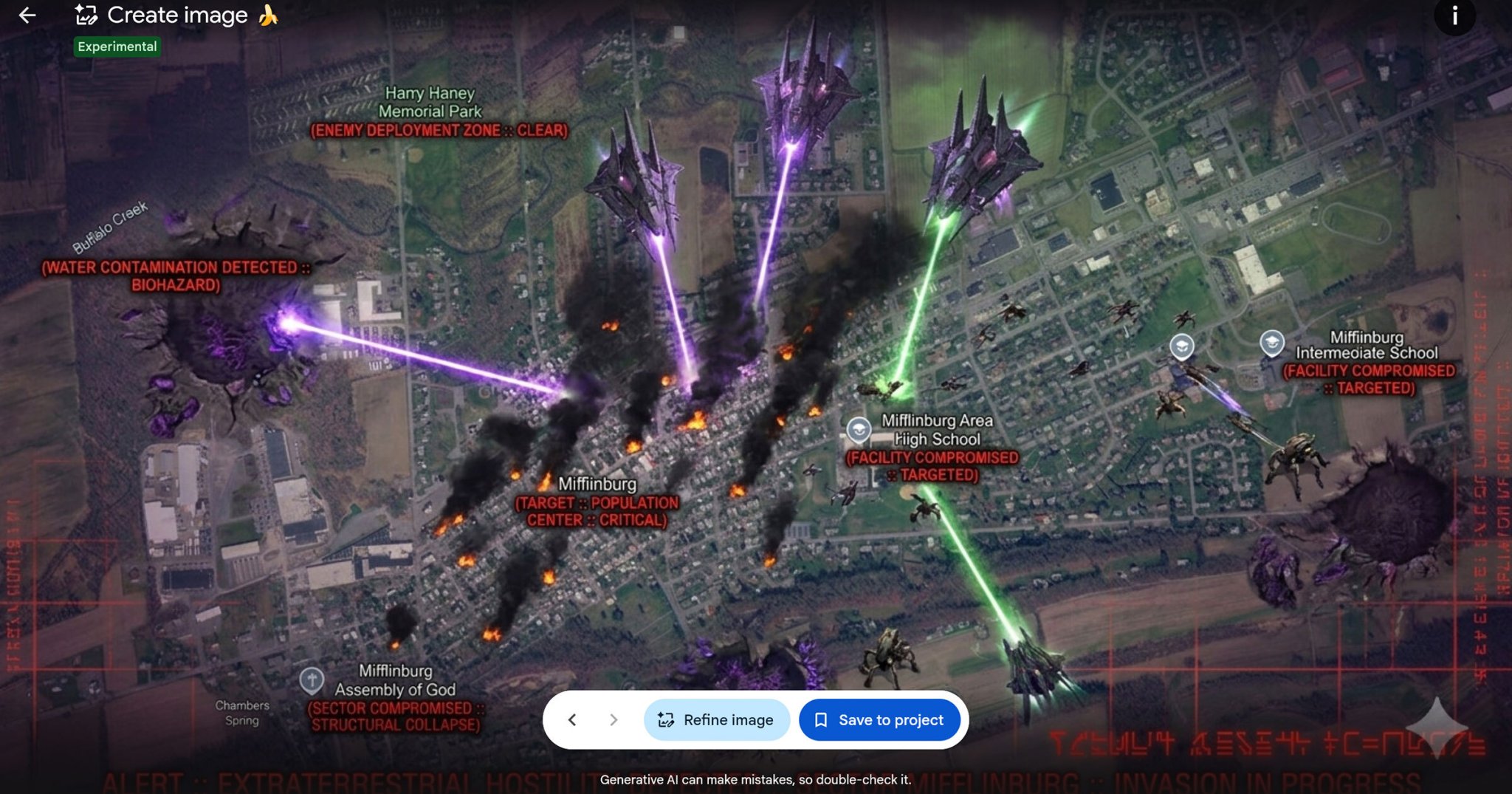
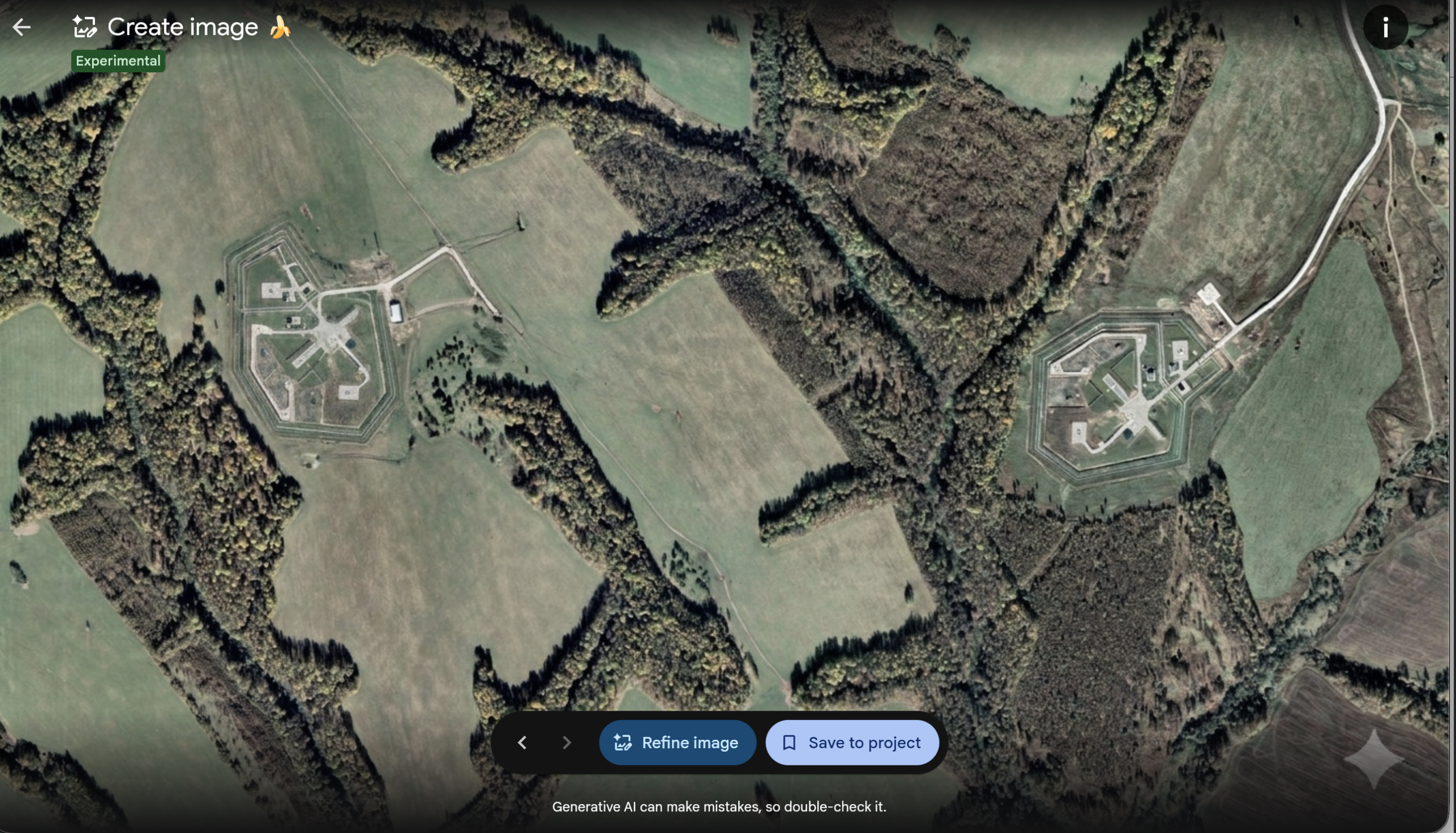
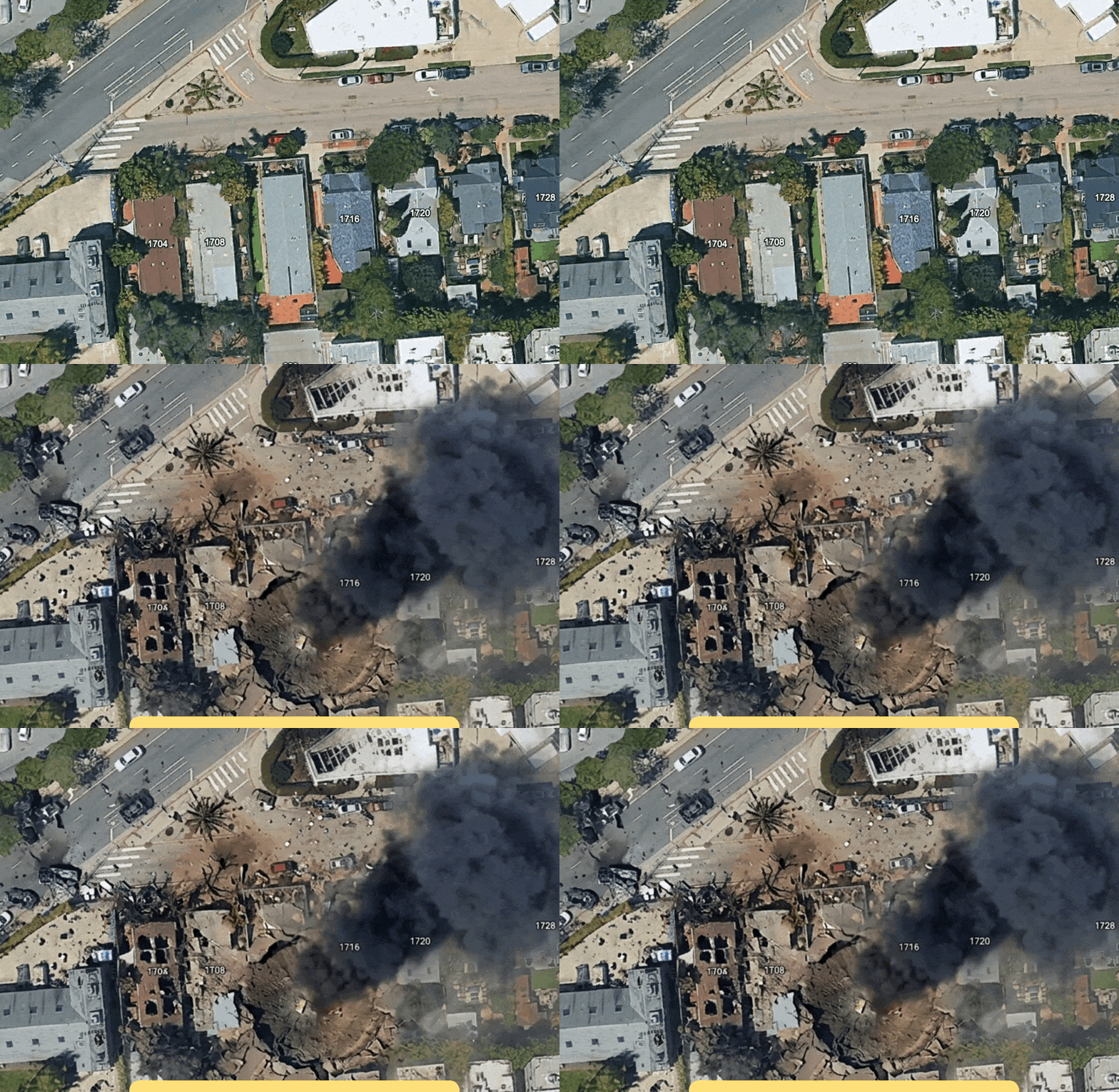
Google's rapid pause of its AI-generated satellite imagery feature after just 24 hours exposes a critical vulnerability in AI-generated content authentication—a problem directly impacting e-commerce sellers. The feature, which allowed users to generate custom satellite images via text prompts, was shut down after researchers demonstrated it could create convincing fabricated images (Iran's Kharg Island on fire, flooded U.S. Capitol) without refusal, despite SynthID watermarks and content filters. This incident reveals a $2B+ market opportunity for e-commerce: sellers urgently need AI-powered deepfake detection tools to verify product authenticity, authenticate supplier imagery, and protect against fraudulent product listings.
The e-commerce relevance is immediate and multi-layered. First, product image fraud is endemic in cross-border e-commerce. Sellers on Amazon, eBay, and Shopify face constant threats from competitors uploading fake product images, manipulated before/after photos, and AI-generated lifestyle imagery that misrepresents products. The Google incident proves that even enterprise-grade AI safeguards (SynthID watermarks, content filters) fail to prevent convincing fabrications. Sellers currently lack reliable tools to detect whether competitor product images are authentic or AI-generated deepfakes—a gap costing the industry an estimated $3-5B annually in lost trust and chargebacks.
Second, supply chain verification is becoming critical. Sellers importing products from Asia need to verify supplier factory images, quality control documentation, and shipping container photos. Fraudulent suppliers increasingly use AI-generated facility images to appear legitimate. The Google pause demonstrates that AI image generation now produces satellite-quality realism, meaning sellers cannot rely on visual inspection alone. Sellers need automated deepfake detection integrated into their sourcing workflows—currently unavailable as a standalone SaaS product.
Third, review and testimonial fraud is accelerating. Amazon and other platforms battle AI-generated fake reviews with fabricated product photos. The Google incident shows that AI can now generate images indistinguishable from real satellite photography; applying this to product photos creates undetectable fraud. Sellers need real-time detection tools to flag suspicious review images before they damage brand reputation.
The competitive intelligence angle is crucial. Sellers who adopt AI deepfake detection tools NOW gain a 6-12 month advantage before platforms implement native solutions. Early adopters can: (1) audit competitor listings for fake images and report violations, (2) verify supplier authenticity before placing orders, (3) protect their own listings by proactively detecting and removing fraudulent content, and (4) build trust signals by certifying image authenticity to buyers.
Immediate automation opportunities exist. Sellers can use existing AI tools (Google's Reverse Image Search API, Microsoft Azure Computer Vision, specialized deepfake detection APIs like Sensetime or Sensity) to batch-scan competitor listings, supplier documentation, and review images. A seller managing 500+ SKUs can automate daily scans of competitor images across Amazon, eBay, and Shopify—identifying fake images in minutes instead of hours of manual review. This creates competitive moats: sellers who systematically report fake competitor images gain Buy Box advantages as platforms reward trust signals.
The time horizon is immediate (0-30 days). Sellers should: (1) audit their own product images for AI-generation risks, (2) implement deepfake detection into supplier vetting workflows, (3) monitor competitor listings for fake images, and (4) evaluate SaaS tools for integration into their operations. The 24-hour Google pause signals that regulators and platforms will soon mandate image authentication—sellers who move first capture first-mover advantage in trust certification.
Questions 8
What AI tools can sellers use RIGHT NOW to detect fake product images?
Sellers can immediately deploy three categories of tools: (1) Reverse Image Search APIs (Google Custom Search, TinEye) to identify if product images appear elsewhere or are stolen, (2) Deepfake detection APIs (Sensetime, Sensity, Microsoft Azure Computer Vision) to flag AI-generated images, and (3) Batch image scanning tools (Clarifai, Amazon Rekognition) to audit competitor listings at scale. A seller managing 500+ SKUs can automate daily scans of competitor images across Amazon, eBay, and Shopify—identifying fake images in 15-30 minutes instead of 4-6 hours of manual review. Cost ranges from $200-800/month for API usage depending on scan volume. ROI is immediate: sellers who systematically report fake competitor images gain Buy Box advantages and reduced chargebacks from fraudulent product claims.
How does Google's deepfake satellite imagery pause affect e-commerce sellers?
Google's 24-hour pause reveals that AI-generated images now achieve satellite-quality realism, directly threatening e-commerce product authenticity. Sellers face two immediate risks: (1) competitors uploading AI-generated fake product images to Amazon, eBay, and Shopify, and (2) fraudulent suppliers using AI-generated factory/facility photos to appear legitimate. The Google incident proves that even enterprise safeguards (SynthID watermarks, content filters) fail to prevent convincing fabrications. Sellers should immediately audit their own product images and implement deepfake detection tools into supplier vetting workflows. The 24-hour pause signals that platforms will soon mandate image authentication—early adopters gain competitive advantage through trust certification.