






xAI Grok Supercomputer Infrastructure | AI-Powered E-Commerce Automation Acceleration
- xAI's 1.2 GW power infrastructure enables massive AI model training; sellers can leverage Grok API for product research automation, dynamic pricing, and customer service chatbots by Q4 2026

)





















Overview
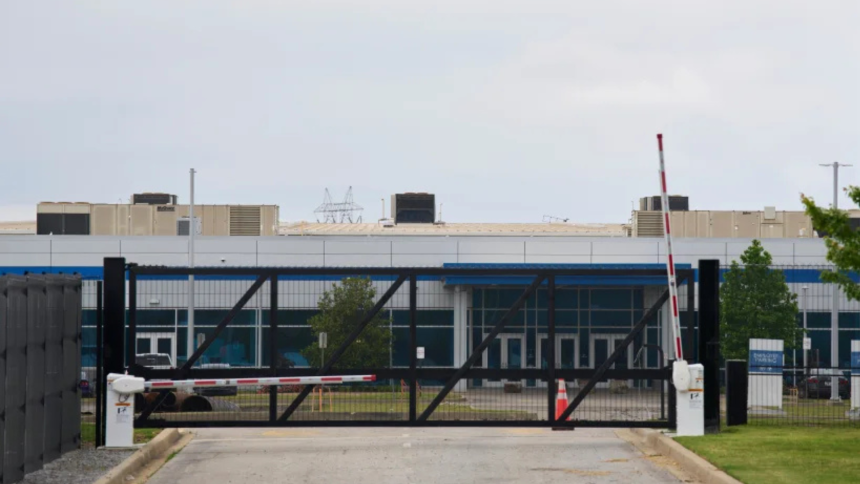
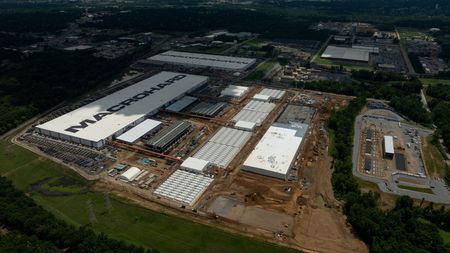
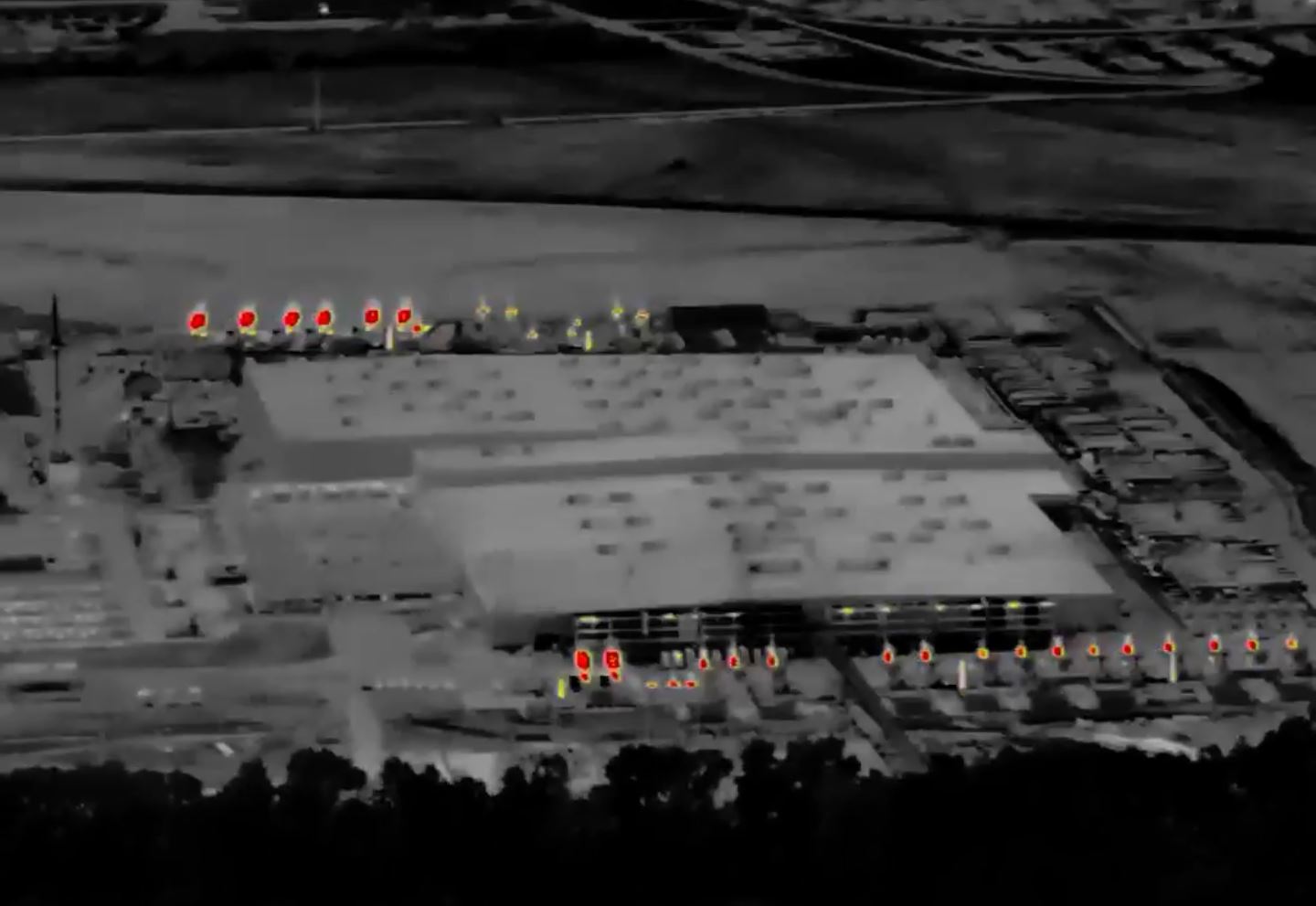
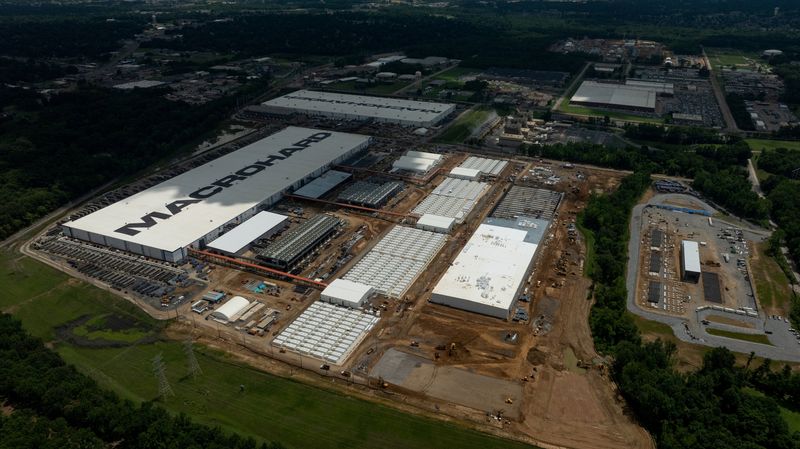
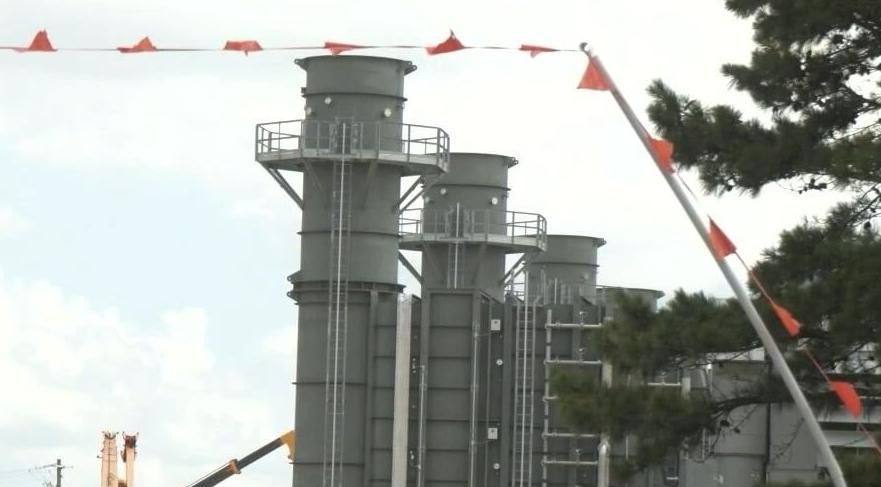
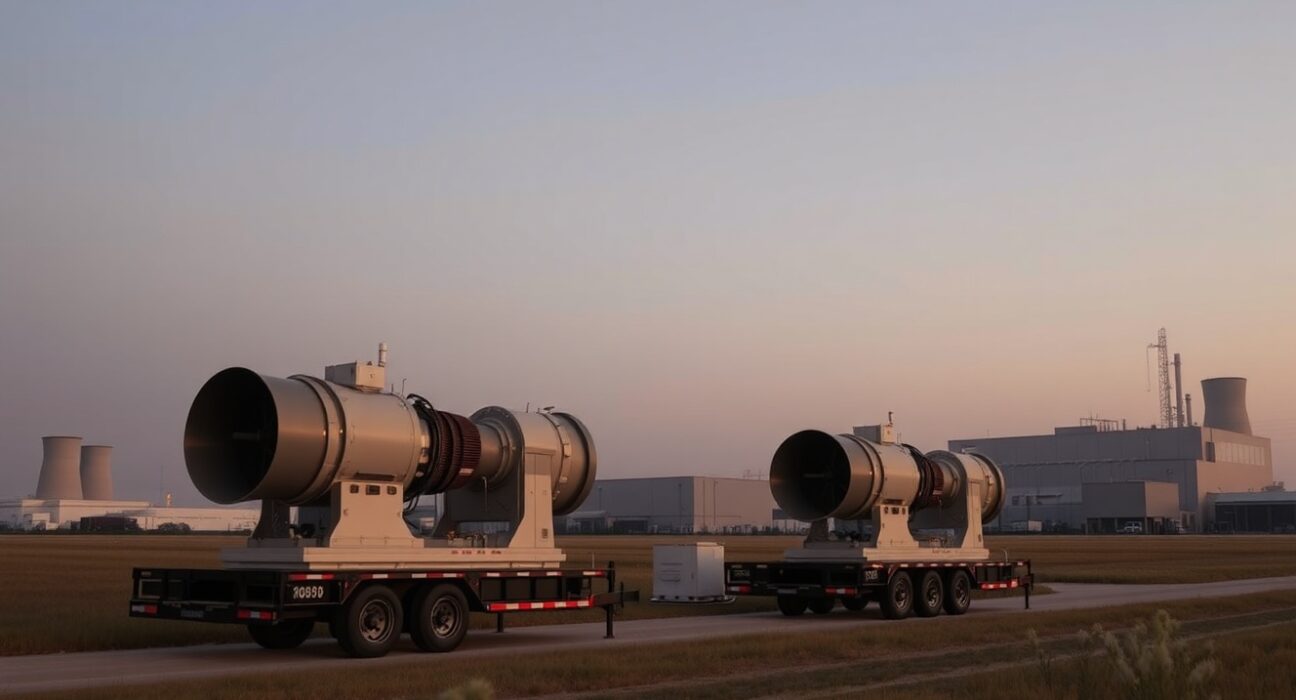
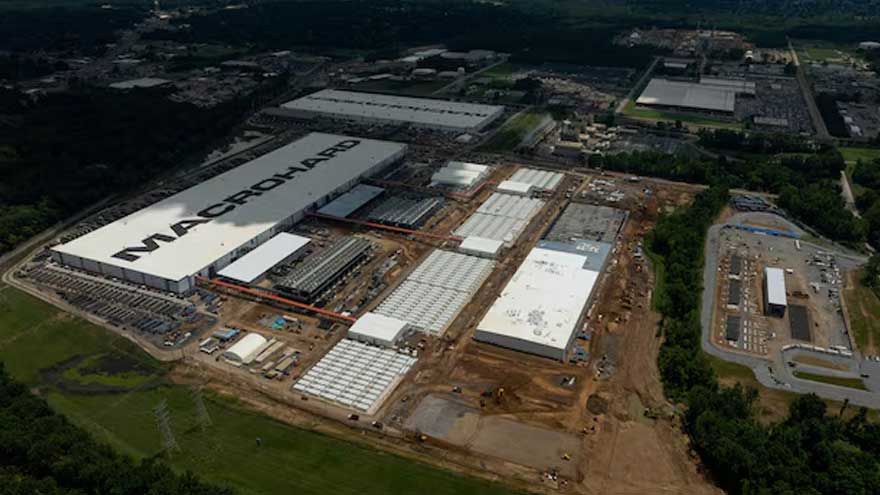
xAI's announcement of its Southaven, Mississippi supercomputer facility represents a critical inflection point for AI-powered e-commerce automation. The company's commitment to a permanent 1.2 GW power plant (replacing 69 temporary turbines by July 2027) signals sustained investment in computational capacity for Grok AI model development and deployment. This infrastructure scaling directly impacts sellers through emerging AI tool availability and cost reduction in automation services.
AI Automation Opportunities for Sellers: The news indicates xAI is stabilizing infrastructure for Grok API commercialization. Sellers can expect Grok-powered tools for product research automation (competitor analysis, trend detection), dynamic pricing optimization (real-time margin calculation), and customer service automation (multi-language support, returns processing) by late 2026. Industry benchmarks show AI-powered product research reduces manual research time by 60-70% (12-15 hours/week savings for mid-size sellers), while dynamic pricing tools improve margins by 3-8% through demand-responsive adjustments. The infrastructure commitment suggests xAI is preparing for enterprise-scale API access, potentially competing with OpenAI's ChatGPT API and Anthropic's Claude for e-commerce use cases.
Data-Driven Competitive Intelligence: Grok's training on real-time X/Twitter data creates unique advantages for sellers monitoring consumer sentiment and emerging trends. Unlike ChatGPT (trained on static datasets), Grok can analyze live social commerce signals, identifying trending product categories 2-4 weeks before traditional market research. Sellers using Grok for competitive intelligence can detect category shifts (e.g., sustainable packaging demand, niche hobby trends) faster than competitors relying on monthly reports. The 1.2 GW capacity suggests xAI is preparing for high-volume API calls, indicating commercial availability within 12-18 months.
Cost Reduction from AI Adoption: Current AI tool costs for sellers range $200-800/month (ChatGPT Plus, Jasper, Copy.ai). Grok's infrastructure investment suggests potential pricing competition—xAI may undercut OpenAI's API rates by 20-40% to capture market share. For sellers managing 500+ SKUs, this could reduce monthly automation costs from $500 to $300-400, freeing capital for inventory expansion or marketing. The environmental commitment (noise reduction, emission controls) also signals xAI's long-term viability, reducing risk of API discontinuation that plagued earlier AI startups.
Seller Segments Most Impacted: Mid-market sellers (100-1000 SKUs) on Amazon, Shopify, and eBay will see immediate ROI from Grok-powered tools. Small sellers (<100 SKUs) benefit from lower-cost automation, while enterprise sellers (10K+ SKUs) can implement Grok for real-time inventory optimization across multiple marketplaces. Cross-border sellers particularly benefit from Grok's multilingual capabilities for product descriptions, customer support, and market research across EU, SEA, and LATAM regions.
Questions 8
How does Grok's real-time data advantage compare to ChatGPT for competitive intelligence?
Grok is trained on real-time X/Twitter data, unlike ChatGPT which uses static training datasets. This enables sellers to detect trending product categories, consumer sentiment shifts, and emerging niches 2-4 weeks faster than competitors. For example, Grok can identify a sudden surge in 'sustainable packaging' searches on social media and recommend inventory adjustments before traditional market research reports are published. Sellers using Grok for competitive intelligence gain a 2-4 week first-mover advantage in trending categories, potentially capturing 15-25% higher sales during category growth phases.
What specific automation tasks can sellers automate immediately with Grok?
Sellers can automate four critical tasks: (1) Product research—Grok analyzes competitor listings, pricing trends, and customer reviews across Amazon, eBay, and Shopify in minutes vs. hours of manual work; (2) Dynamic pricing—real-time margin optimization based on demand signals and competitor prices; (3) Customer service—multilingual chatbots handling returns, inquiries, and complaints 24/7; (4) Trend detection—Grok's real-time X/Twitter data analysis identifies emerging product categories 2-4 weeks before traditional market research. Mid-market sellers (100-1000 SKUs) typically save 15-20 hours/week and reduce automation costs by 30-40% compared to current ChatGPT-based workflows.