
/Amazon%20-%20Image%20by%20bluestork%20via%20Shutterstock.jpg)


Amazon $600M Tariff Refund Program | Reshapes Seller Pricing Strategy & Competitive Dynamics
- Supreme Court tariff ruling triggers $166B federal refund wave; Amazon commits to consumer payback while competitors remain silent, creating 6-12 month pricing reset window for cross-border sellers











Overview
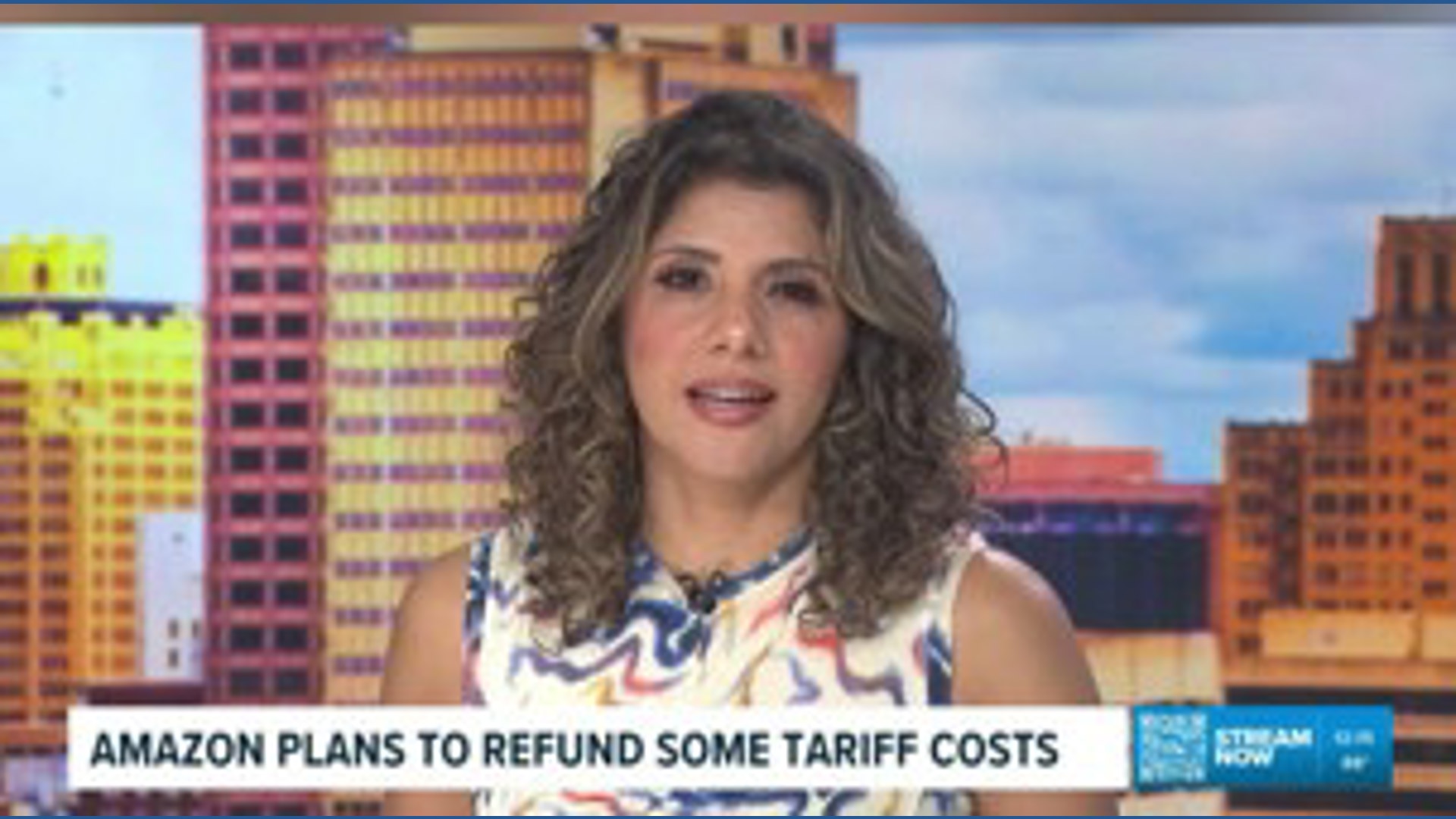
Amazon's $600 million tariff refund commitment following the February 2026 Supreme Court ruling represents a watershed moment for cross-border e-commerce pricing dynamics. The court's 6-3 decision striking down Trump administration tariffs triggered approximately $166 billion in federal refund claims across all businesses. Amazon's July 30, 2026 announcement that it will automatically refund eligible customers distinguishes it from competitors like Walmart, Target, and Costco—who filed refund claims but made no public consumer commitments. This creates a critical competitive advantage window for Amazon sellers.
The tariff refund mechanism directly impacts seller cost structures and pricing strategies. Amazon absorbed tariff cost increases rather than passing them to customers during the dispute period, then traced specific import charges to identify affected purchases. The automatic refund process (requiring no customer claims) signals Amazon's investment in supply chain transparency and customer trust. For third-party sellers on Amazon's platform, this creates immediate pressure: customers now expect tariff-related price reductions, and Amazon's public commitment establishes a new baseline for consumer expectations. Sellers who maintained elevated prices during the tariff period face potential negative feedback and Buy Box disadvantages as customers compare historical prices against refunded amounts.
The $166 billion federal refund pool creates a 6-12 month pricing reset opportunity for strategic sellers. Companies like Ford, General Motors, Apple, and UPS are processing refunds, indicating broad supply chain cost recovery across manufacturing and logistics sectors. For cross-border sellers, this means: (1) imported goods that absorbed tariffs now have cost recovery potential; (2) competitors using different sourcing strategies (Vietnam, India, Mexico alternatives to China) may have avoided tariffs entirely, creating competitive pressure; (3) the refund window closes as lower-cost sourcing becomes standard, compressing margins for sellers who don't adjust sourcing strategies. Trump's April 2026 statement that he would "remember" companies not filing for refunds signals political risk for sellers who ignore refund opportunities—potential future tariff retaliation could target non-compliant businesses.
Operationally, sellers must audit their tariff exposure and refund eligibility immediately. Amazon's ability to trace import charges to specific customers demonstrates the feasibility of detailed tariff tracking. Sellers should: identify which product categories absorbed tariffs (electronics, apparel, home goods typically face 15-25% tariff rates), calculate margin recovery potential, and consider whether to pass refunds to customers (matching Amazon's strategy) or retain recovered margins. The Supreme Court's decision not to specify refund procedures leaves implementation to lower courts, creating 3-6 month uncertainty. Sellers who proactively file refund claims with U.S. Customs and Border Protection position themselves ahead of the compliance curve.
Questions 7
How does Amazon's tariff refund commitment affect my pricing strategy as a third-party seller?
Amazon's public commitment to refund customers creates immediate pricing pressure on your listings. Customers who purchased during the tariff period now expect price reductions matching the refund amounts Amazon is distributing. If you maintained elevated prices to absorb tariffs, you face negative feedback and Buy Box disadvantages. The strategic move is to align your pricing with the new post-refund baseline—either match Amazon's refund amounts or risk losing visibility. Monitor your historical pricing data against refund notifications to identify which SKUs require adjustment.
How should I communicate tariff refunds to customers without damaging brand perception?
Amazon's automatic refund approach eliminates the need for customer claims, which is the optimal strategy. If you're issuing refunds independently, frame them as 'price adjustments' or 'tariff relief credits' rather than admitting you overcharged. Proactively notify customers of refunds before they discover them through Amazon's system—this builds trust and prevents negative reviews. For future pricing, establish a 'tariff-adjusted' baseline that reflects post-refund costs. Avoid messaging that suggests you profited from tariffs, as this invites negative feedback and regulatory scrutiny.