





USD/JPY Intervention Signals Major FX Volatility | Cross-Border Sellers Face Currency Risk
- US Treasury's first yen support since 2011 creates 0.8% immediate currency swing; sellers with Japan exposure need urgent hedging strategy
























Overview
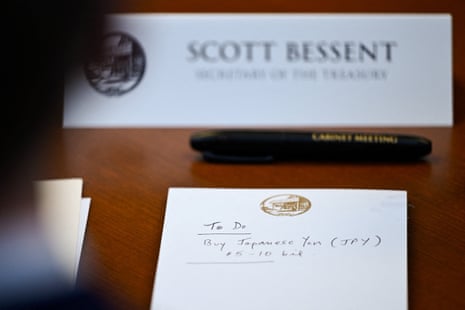
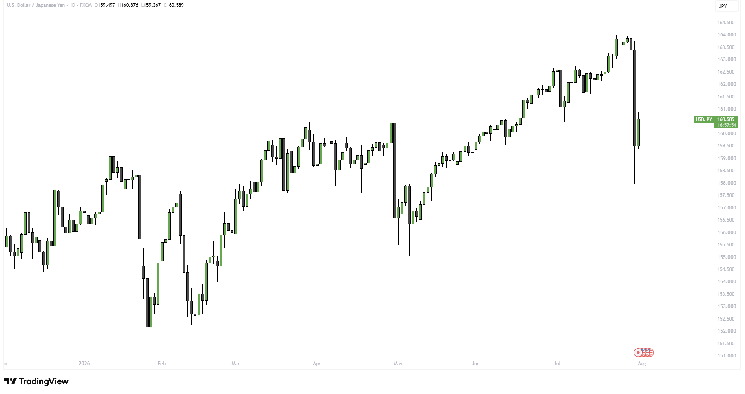
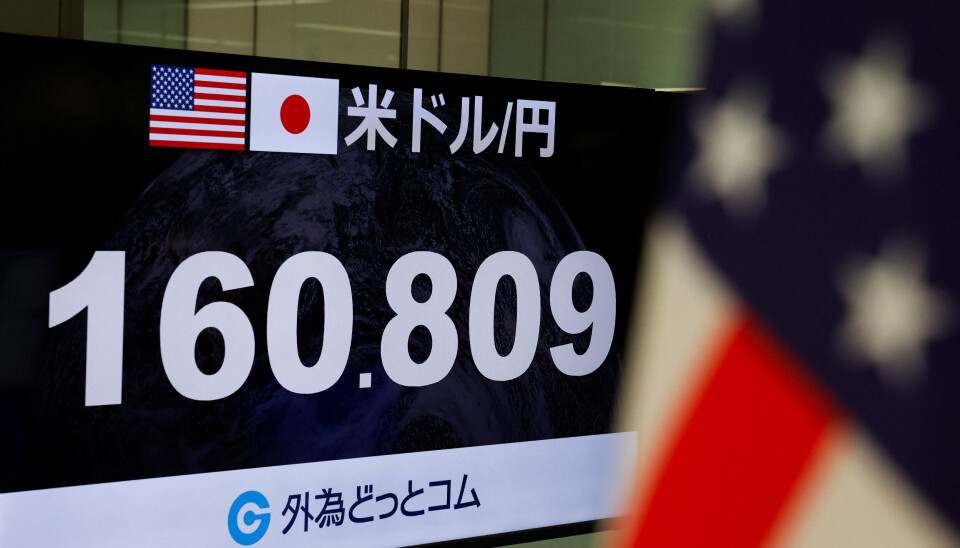
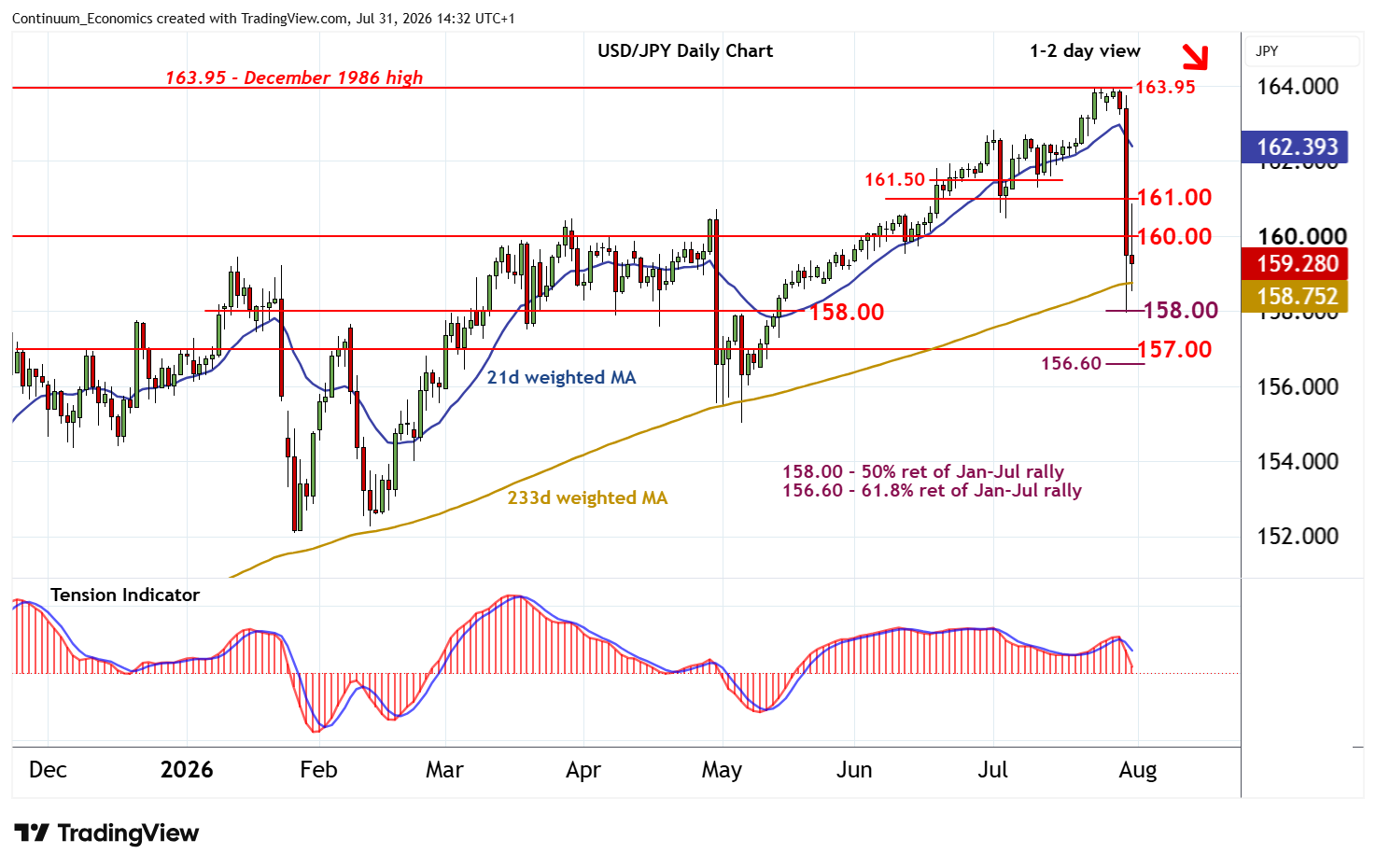
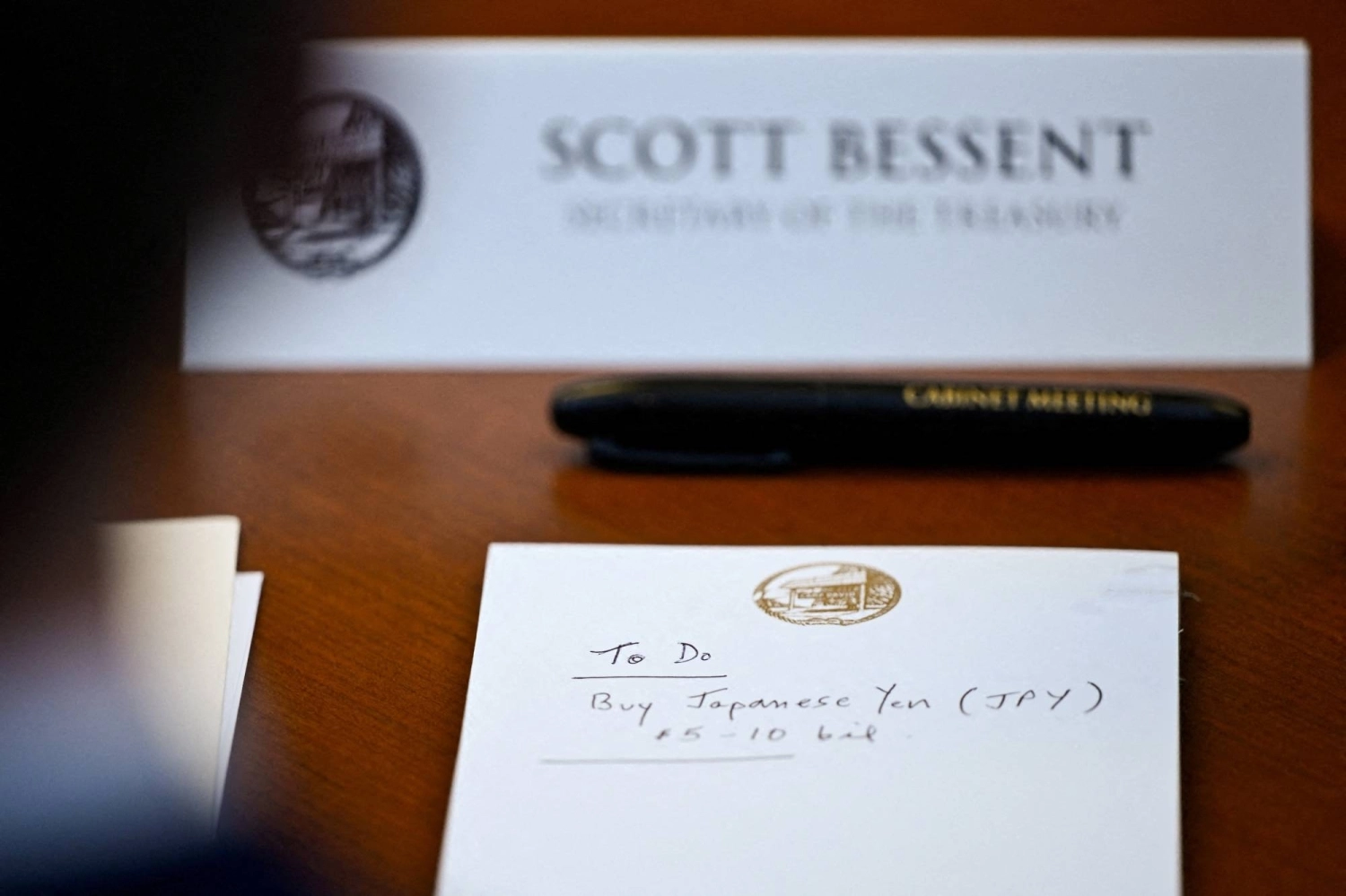
The US Treasury's $5-10 billion yen intervention, revealed July 31, 2026, marks the first direct currency market action since 2011 and signals escalating FX volatility that directly impacts cross-border e-commerce profitability. Treasury Secretary Scott Bessent's disclosed "to-do" list showed plans to purchase Japanese yen as the currency hit its weakest level since 1986 (158.9 USD/JPY). The Federal Reserve Bank of New York executed the intervention by selling euros to purchase yen, driving the dollar down 0.8 yen (158.9 to 157.6) in late afternoon trading on July 31. This coordinated US-Japan action reflects policy shift toward active currency management after 15 years of non-intervention.
For cross-border sellers, this intervention creates immediate payment cost optimization opportunities and FX hedging imperatives. Sellers with Japan-sourced inventory or JPY-denominated supplier payments face margin compression as the yen strengthens—a 0.8 yen move represents 0.5% cost increase on ¥10M supplier invoices ($67K USD equivalent at 150 JPY/USD). Conversely, US sellers exporting to Japan gain pricing power as their USD-denominated costs become more competitive in yen terms. The intervention signals central bank willingness to manage currency volatility, suggesting future moves are likely. Sellers should immediately review payment timing: delaying JPY payments 2-4 weeks could capture additional yen strength, while accelerating USD collections from Japan-based buyers locks in favorable rates before further appreciation.
Payment routing optimization becomes critical as intervention signals sustained yen strength. Sellers currently using standard bank transfers (2-3% fees) should evaluate alternatives: Wise (formerly TransferWise) offers 0.6-1.2% rates on USD/JPY with real-time rates, while Remitly and OFX provide 1.5-2% corridors. For sellers with $50K+ monthly Japan payments, switching providers saves $250-1,500/month. Invoice financing providers like Tradeshift and Fintech platforms are now offering JPY-denominated working capital at 4-6% APR, allowing sellers to monetize receivables immediately rather than waiting 30-60 days for settlement. The intervention also creates FX arbitrage windows: sellers with multi-currency exposure (USD/JPY/EUR) can time conversions around central bank announcements to capture 0.5-1.5% spreads on $100K+ transactions.
Cash flow acceleration strategies unlock immediate working capital as currency volatility increases financing costs. Sellers with Japan inventory should consider supply chain financing: trade finance providers now offer PO financing at 3-5% APR for Japan-sourced goods, allowing sellers to pay suppliers at 30-45 days instead of 60-90 days while capturing yen strength benefits. For sellers with JPY receivables, invoice factoring at 2-3% discount rate converts 30-day payment terms to immediate cash, reducing FX exposure risk. The intervention signals yen will likely remain strong 3-6 months, making early cash conversion strategically valuable.
Questions 7
How does yen strengthening affect US sellers exporting to Japan?
Yen strengthening improves competitiveness for US sellers exporting to Japan—their USD costs become cheaper in yen terms. A 0.8 yen move (158.9 to 157.6) represents 0.5% price reduction in Japan market, allowing sellers to either increase margins or reduce prices to gain market share. US sellers should capitalize by raising prices 1-2% in Japan market (via Amazon.co.jp, Rakuten) to capture margin gains, or maintain prices to gain 5-10% volume increase. The intervention signals sustained yen strength 3-6 months, making Japan market expansion strategically valuable. Consider increasing Japan inventory 20-30% and running PPC campaigns targeting Japanese buyers—your cost advantage will persist through Q4 2026.
What's the timeline for the yen to strengthen further after this intervention?
Historical patterns suggest 3-6 month sustained strength after coordinated central bank intervention. The 2011 yen intervention (post-earthquake) drove 10-15% appreciation over 6 months. Current intervention signals similar policy commitment, suggesting 2-4% additional yen strength over next 90 days. Sellers should plan payment timing accordingly: accelerate JPY payments now, lock in forward contracts for 30-90 day horizons, and delay USD conversions 2-4 weeks. Monitor Bank of Japan announcements weekly—additional intervention signals will trigger immediate 0.5-1% yen moves. For sellers with Japan exposure, implement a 90-day hedging plan: 30% of payments locked via forwards, 40% accelerated within 48 hours, 30% delayed 2-4 weeks to capture appreciation.