



Federal Reserve Monetary Policy Uncertainty | Critical Impact on Cross-Border Seller Financing & Currency Risk
- Interest rate volatility creates 8-15% currency fluctuation risk for sellers; inventory financing costs may increase $150-400/month for mid-size operations


















)















Overview
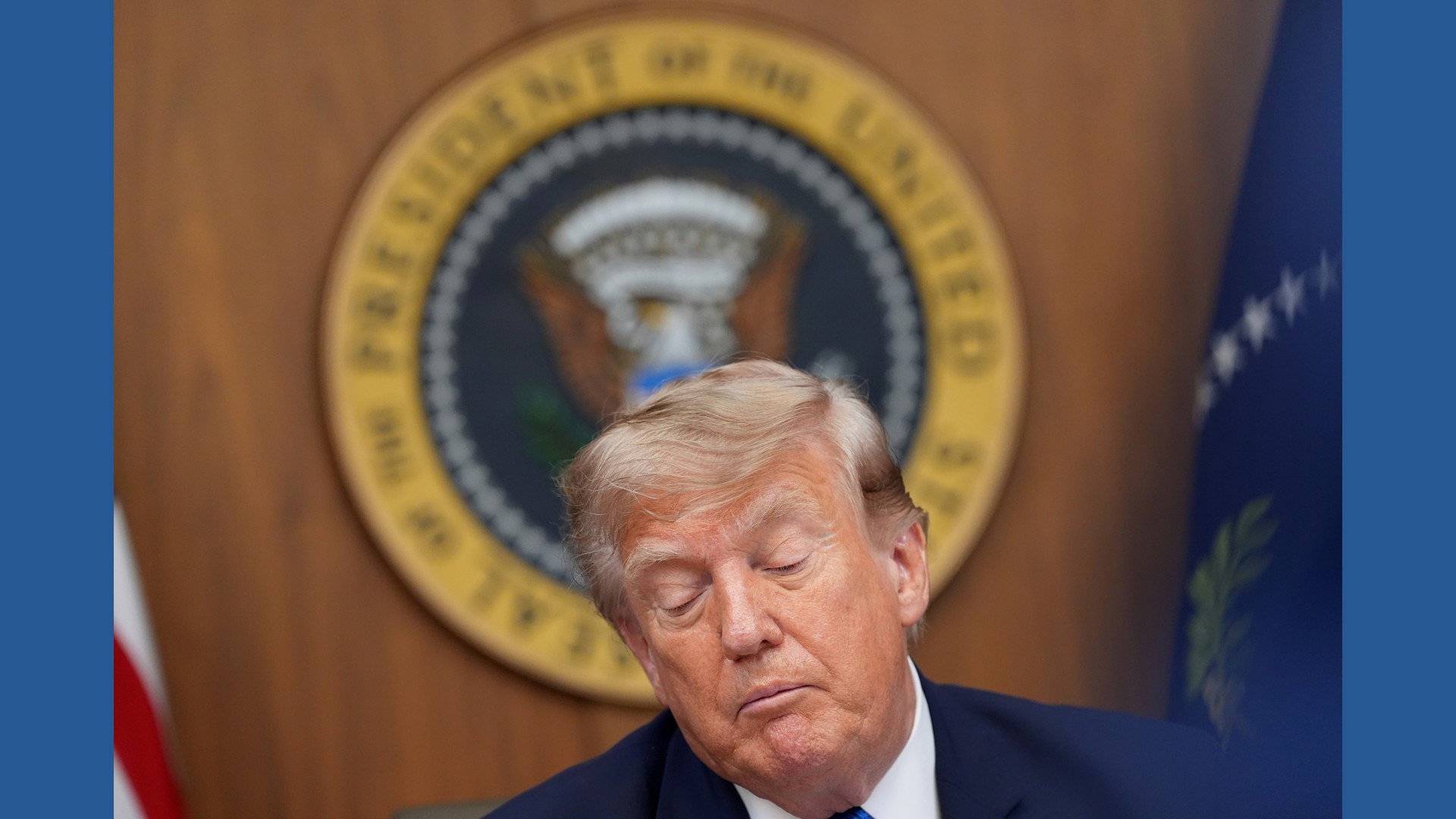
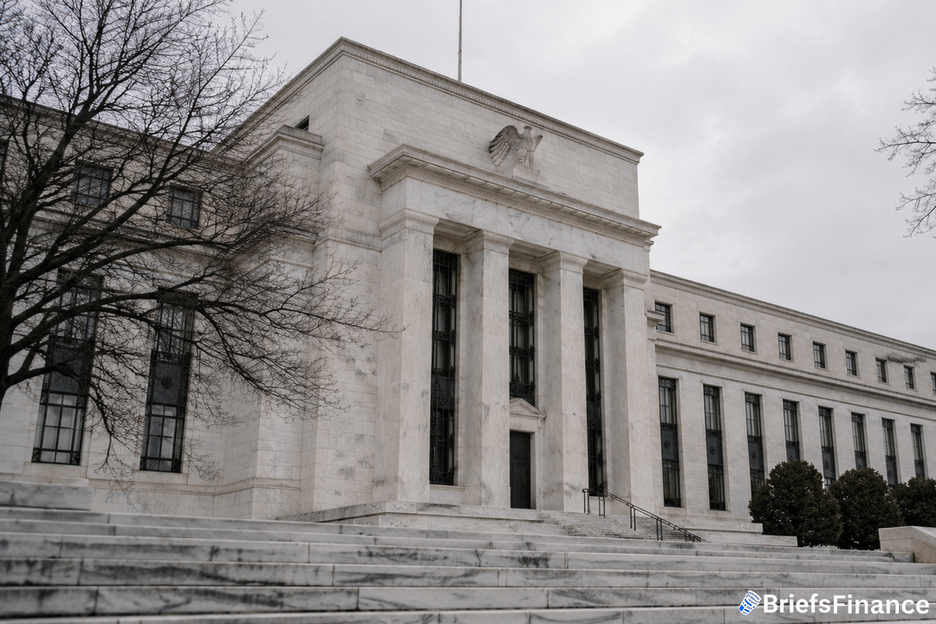
The Trump administration's contradictory signals on Federal Reserve interest rate policy—publicly advocating for rate cuts while potentially supporting rate increases—create significant macroeconomic uncertainty for cross-border e-commerce sellers. This policy ambiguity directly impacts three critical seller operational areas: inventory financing costs, currency exchange rate volatility, and consumer purchasing power across international markets.
Financing Cost Impact: For mid-sized sellers managing $50K-200K monthly inventory investments, interest rate changes of 0.5-1.0% translate to $150-400 monthly cost increases in working capital financing. Sellers relying on business lines of credit, inventory loans, or 3PL financing arrangements face immediate pressure on profit margins. The uncertainty prevents sellers from locking in favorable rates, forcing many to maintain higher cash reserves or reduce inventory velocity—directly impacting their ability to capitalize on seasonal demand windows (Q4 holiday season, Prime Day events).
Currency Exchange Volatility: Higher interest rates typically strengthen the US dollar, creating headwinds for US-based sellers exporting to EU, UK, and Asia Pacific markets. A 2-3% dollar appreciation reduces effective selling prices in foreign currencies by equivalent amounts. Conversely, sellers sourcing from China, Vietnam, or India face increased sourcing costs when the dollar strengthens. The policy uncertainty prevents sellers from implementing effective hedging strategies, leaving them exposed to 8-15% currency swings during policy announcement windows.
Consumer Spending Compression: Interest rate increases reduce consumer purchasing power, particularly affecting discretionary categories (electronics, home goods, fashion, beauty) where cross-border sellers concentrate. Historical data shows 0.5% rate increases correlate with 2-4% demand reduction in discretionary categories within 60-90 days. This creates inventory risk for sellers who've already committed to Q1 2025 stock purchases based on 2024 demand patterns.
Strategic Implications for Seller Segments: Large sellers with established credit lines and currency hedging capabilities can absorb rate volatility; small sellers (under $10K monthly revenue) operating on thin 5-8% margins face existential pressure. Sellers with diversified geographic exposure (US, EU, Asia) can partially offset currency impacts, while single-market sellers face concentrated risk.
The immediate actionability is moderate—sellers cannot influence Federal Reserve policy—but the strategic response window is closing. Sellers must make inventory and financing decisions within 30-60 days before Q1 2025 peak season, when rate policy direction becomes clearer.
Questions 7
How do Federal Reserve interest rate changes affect my inventory financing costs?
Interest rate increases directly raise the cost of business lines of credit and inventory loans. A 0.5% rate increase adds approximately $250-300 monthly to a $100K inventory loan. For sellers using 3PL financing or Amazon Lending, rate increases translate to higher monthly payments or reduced credit availability. Sellers should lock in financing rates immediately if planning Q1 2025 inventory purchases, as policy uncertainty may lead to rate increases within 60-90 days.
What currency exchange risks should cross-border sellers monitor?
Higher US interest rates typically strengthen the dollar, reducing the effective selling price for US-based sellers in EU, UK, and Asia markets by 2-4%. A stronger dollar increases sourcing costs for sellers importing from China or Vietnam. Sellers should implement currency hedging strategies (forward contracts, multi-currency pricing) and monitor USD/EUR and USD/CNY exchange rates weekly. Consider diversifying sourcing across multiple countries to offset single-currency exposure.