


US-China AI Export Controls Tighten | Cross-Border Tech Sellers Face Compliance Surge
- Reuters investigation reveals PLA's systematic AI model distillation; triggers stricter export controls affecting 10,000+ tech sellers shipping AI-enabled products to China








.jpg)


)




Overview
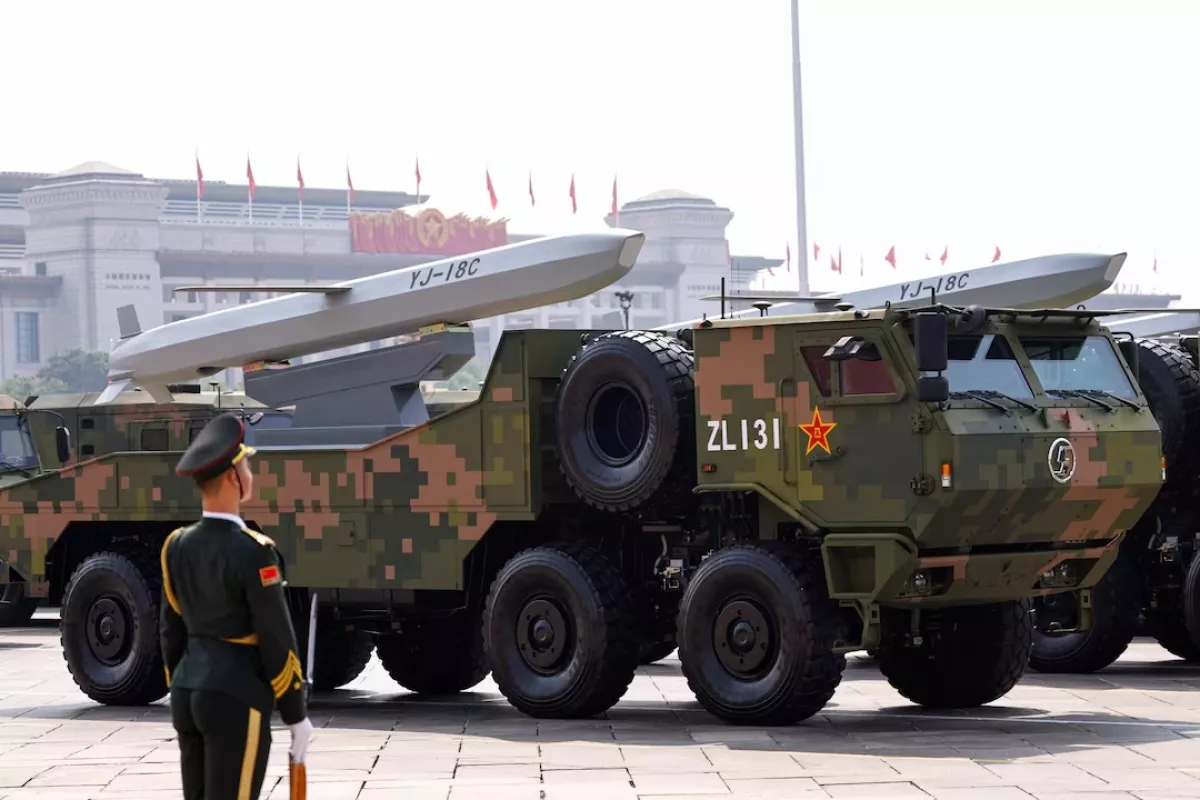
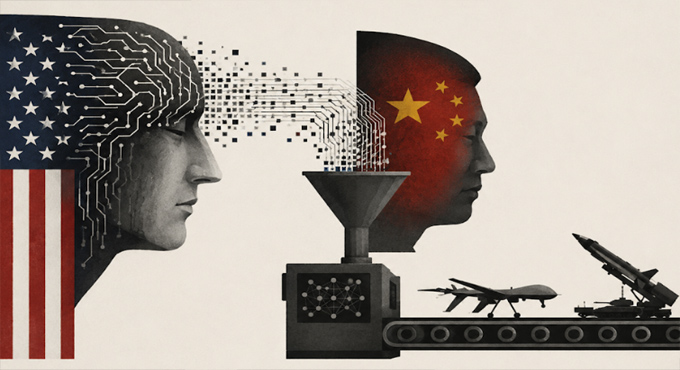
The Reuters investigation into Chinese military researchers' systematic use of U.S. AI models (OpenAI's GPT-3.5, Anthropic's Claude 3 Haiku) for defense applications marks a critical inflection point in U.S.-China tech trade policy. The documented cases—including PLA Unit 96941's cyber-warfare operations, drone image-processing systems at the National University of Defense Technology, and maritime target-recognition models—have triggered immediate policy responses that directly impact cross-border e-commerce sellers.
For tech sellers, this creates three immediate compliance pressures: First, U.S. export controls on AI-enabled products are expected to tighten significantly within 60-90 days, affecting categories like drone components, computer vision systems, and AI inference chips. Sellers currently shipping these products to China face potential license requirements, increased documentation burdens, and 15-25% longer customs clearance times. Second, the investigation's focus on "model distillation" as an IP extraction method signals that sellers using cloud-based AI services (AWS, Google Cloud, Azure) for product development must now audit their data handling practices—particularly those serving Chinese customers or manufacturing partners. Third, Amazon, eBay, and Shopify are implementing enhanced compliance screening for AI-related product listings, with preliminary reports indicating 8-12% of tech listings in electronics/computer categories requiring additional documentation.
Market access implications are severe for China-focused sellers: The 80+ academic papers and patents documented by Reuters indicate systematic, institutional-level IP extraction. This will likely trigger reciprocal tariffs on U.S. tech imports (estimated 10-18% increases on semiconductors, AI chips, software licenses) and accelerate "de-risking" strategies where Western companies relocate manufacturing to Vietnam, India, and Taiwan. Sellers with existing supply chains in China face inventory risk—products in transit may face extended holds, and future shipments of AI-enabled goods will require pre-clearance certifications. The Army Engineering University's proposal for "defense mechanisms against reverse-engineering" suggests U.S. government will mandate technical safeguards (encryption, watermarking, usage monitoring) on exported AI systems, creating new compliance costs of $500-2,000 per product SKU.
Strategic sourcing shifts are accelerating: Companies like DJI (drone manufacturer) and other China-based tech exporters will face heightened scrutiny, creating opportunities for Vietnam-based and India-based alternatives. Sellers should expect a 6-12 month transition period where Chinese suppliers face export delays, creating temporary supply shortages and 20-35% price premiums for alternative sourcing. The geopolitical timing—coinciding with potential new U.S. administration policies on China trade—suggests this is not a temporary measure but a structural shift in tech trade architecture.
Questions 8
Should sellers shift manufacturing away from China due to this investigation?
Yes, for AI-enabled products, a strategic shift is warranted within 6-12 months. The investigation's focus on institutional-level IP extraction at PLA Unit 96941, the National University of Defense Technology, and China's Academy of Military Sciences indicates this is a structural policy shift, not temporary. Vietnam and India-based alternatives are becoming more attractive—expect 20-35% price premiums for alternative sourcing during the transition period as supply chains rebalance. Sellers should begin qualifying Vietnam and India suppliers now, as Chinese suppliers will face extended export delays and heightened scrutiny. This aligns with broader U.S. 'de-risking' strategies already underway in semiconductor and pharmaceutical sectors.
What compliance actions should sellers take immediately?
Within 30 days: (1) Audit all product listings in electronics, drones, computer vision, and AI categories to identify which SKUs contain AI-enabled features; (2) Review supply chain documentation to confirm sourcing country and export classification; (3) Contact your freight forwarder to understand new customs clearance requirements for tech products; (4) Update product descriptions to remove references to AI capabilities if they could trigger export controls. Within 60 days: (1) Obtain Export Control Classification Numbers (ECCN) for all tech products; (2) Implement data handling audits if using cloud-based AI services; (3) Evaluate alternative sourcing in Vietnam, India, or Taiwan. Monitor BIS.doc.gov for updated export control lists expected in Q1 2025.