



New Jersey 'Skip the Stuff' Law | Reusable Foodware & Compliance Opportunity
- Bans single-use plastics in food service effective August 2, 2026; creates $100-250 fines for non-compliance; drives demand for reusable alternatives and compliance solutions across thousands of NJ restaurants














Overview
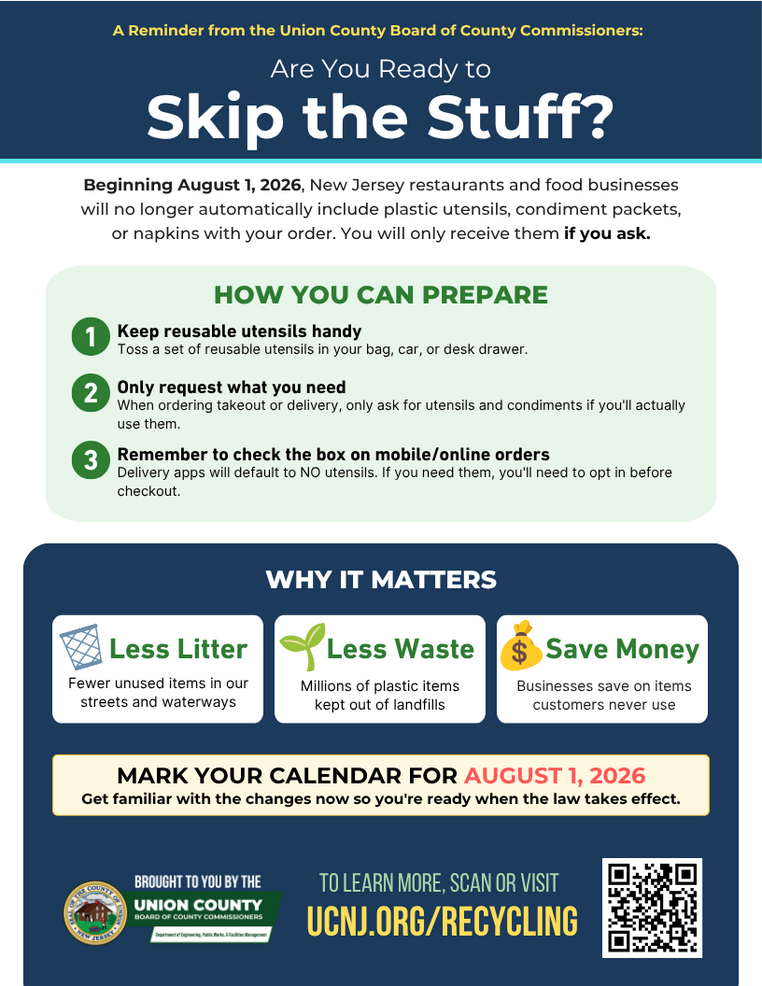
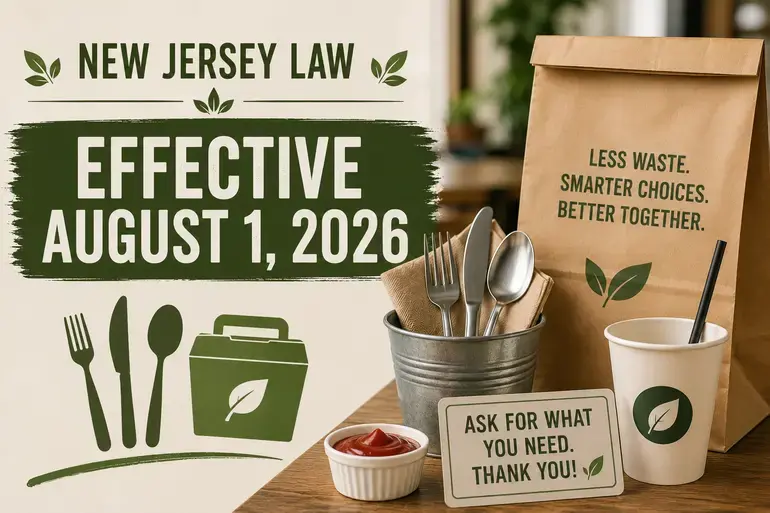
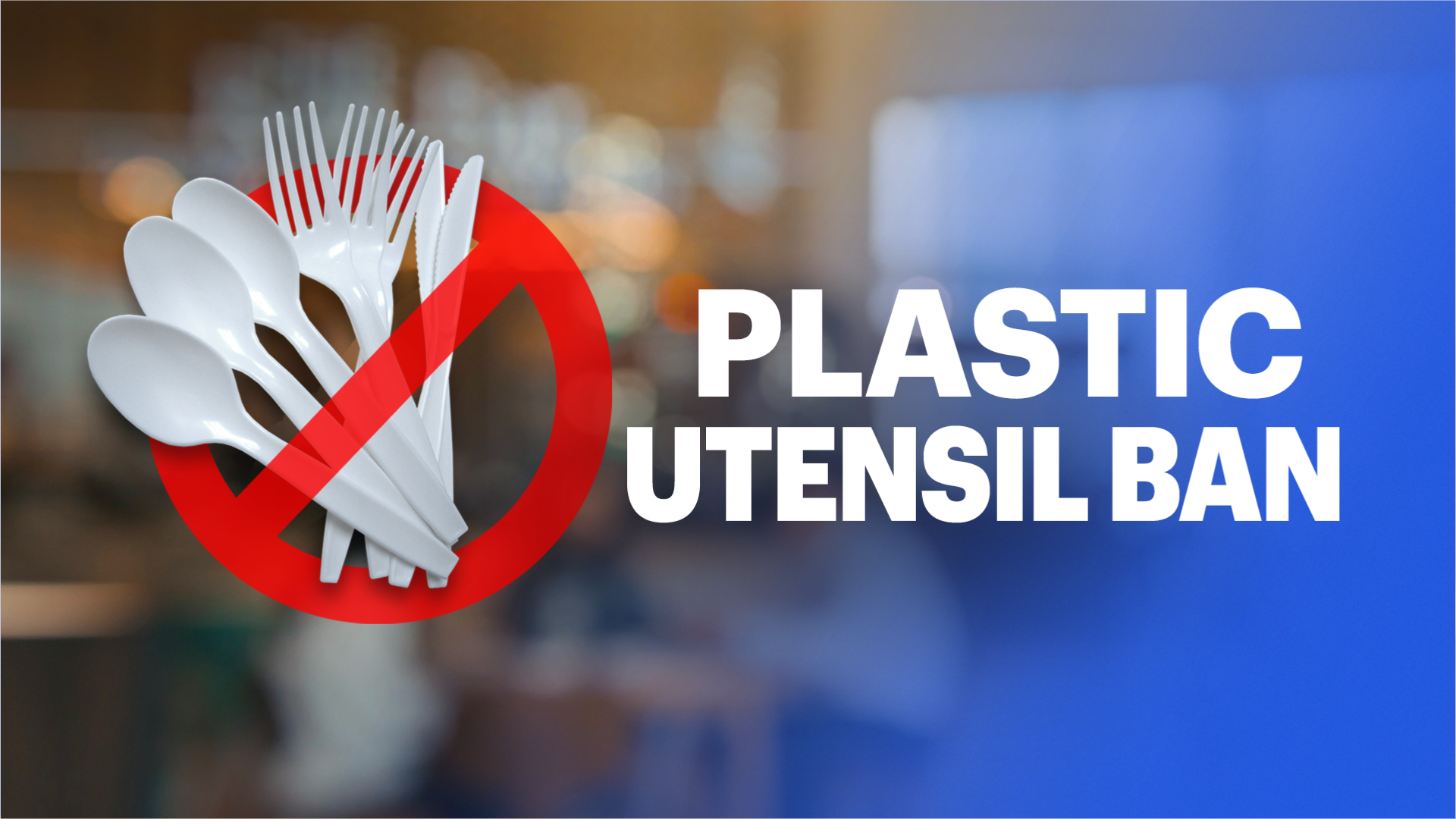
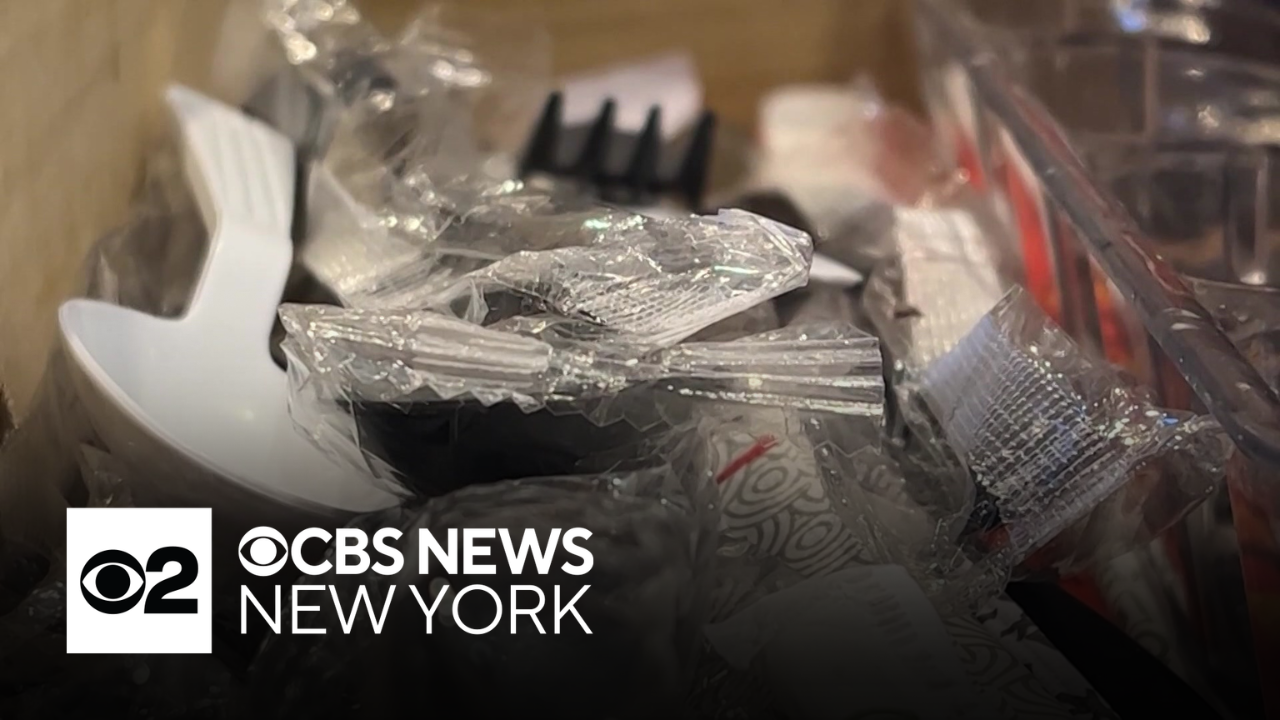
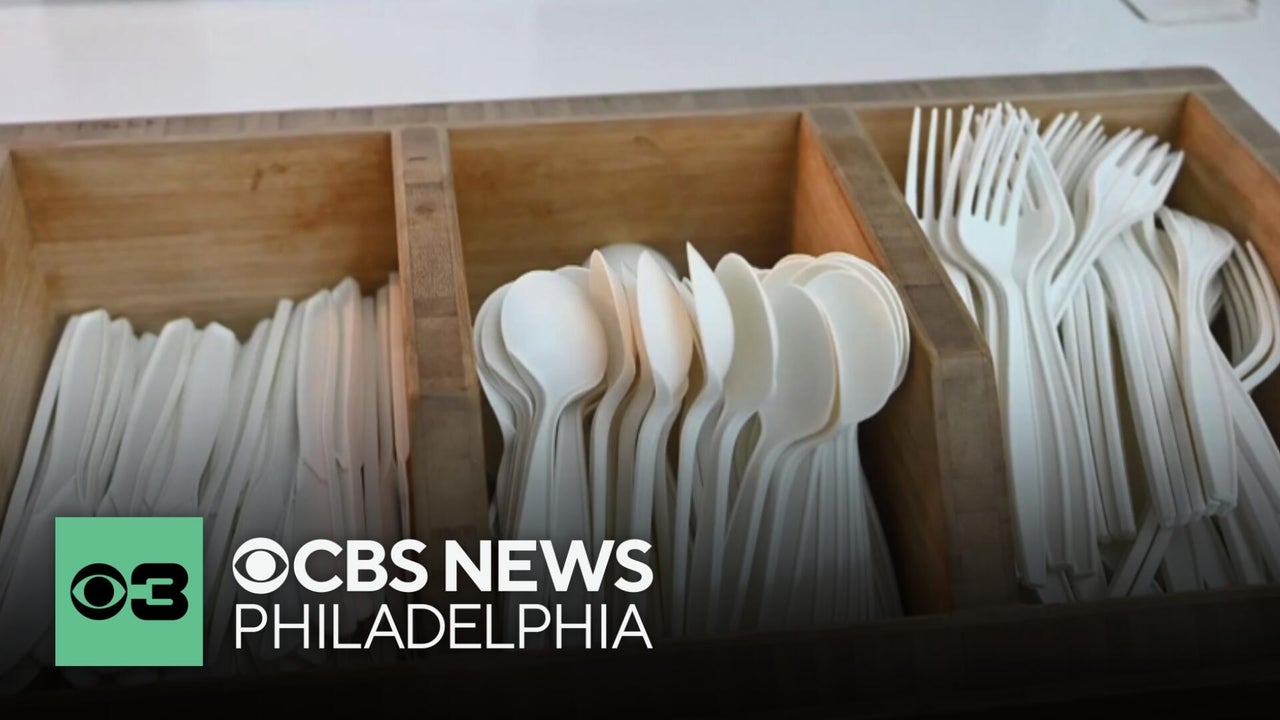
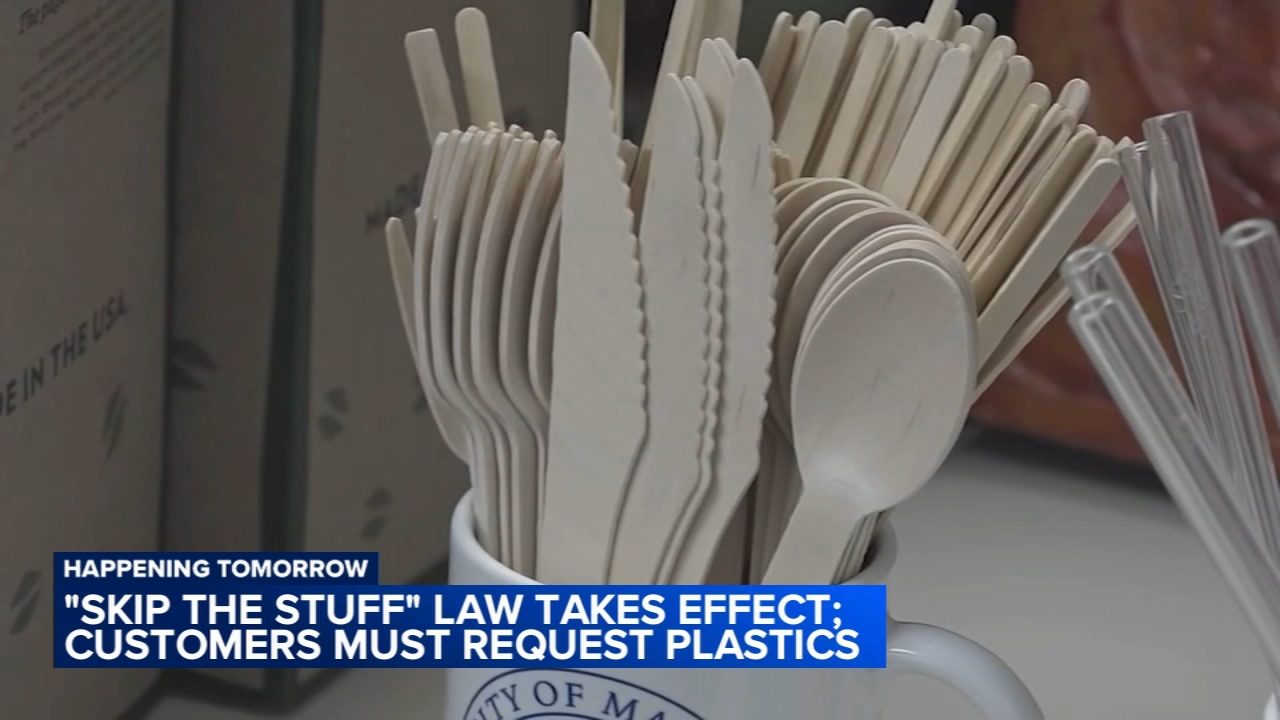
New Jersey's 'Skip the Stuff' law officially took effect on August 2, 2026, creating a significant regulatory compliance barrier that eliminates single-use plastic utensils, straws, napkins, and condiment packets from automatic provision in food service. This legislation fundamentally restructures the foodware supply chain across thousands of New Jersey establishments, from independent restaurants to major chains. The law mandates that customers explicitly request these items, while sit-down restaurants must provide reusable silverware for dine-in service. Enforcement includes a warning system for initial violations, with repeat non-compliance subject to fines starting at $100 and escalating to $250, creating immediate compliance pressure.
Compliance Barriers & Market Elimination: The regulation creates a high-entry compliance moat protecting early-adopting suppliers. Restaurants face three compliance pathways: (1) invest in reusable silverware systems and washing infrastructure, (2) source compostable/paper alternatives, or (3) implement opt-in delivery platform systems. Non-compliant suppliers of single-use plastics face market elimination—estimated 30-40% of traditional foodware distributors lack certified compostable alternatives. Food delivery platforms (DoorDash, Uber Eats, Grubhub) have already updated default settings to exclude utensils unless customers actively request them, shifting purchasing behavior away from automatic inclusion models.
Seller Opportunity Categories: This creates immediate demand for: (1) Reusable foodware (stainless steel utensils, bamboo alternatives, washable containers) sold through Amazon, Walmart, and specialty platforms; (2) Compostable/certified alternatives (PLA utensils, paper straws, napkins meeting state standards); (3) Compliance software solutions for restaurants to manage opt-in systems; (4) Commercial dishwashing equipment for restaurants upgrading to reusable systems. The two-year grace period for food court restaurants (ending August 2028) creates a secondary compliance wave. Food delivery platforms represent a critical distribution channel—sellers must ensure products are listed in platform supplier catalogs and meet delivery partner specifications.
Market Expansion Signal: New Jersey's enforcement model is likely to cascade to other states (California, New York, Massachusetts already have similar pending legislation). Early compliance in NJ creates a replicable playbook for national expansion. Sellers who establish certified supplier relationships with major restaurant chains and delivery platforms in NJ can scale to 15+ additional states within 24 months. The regulation eliminates price-based competition on single-use plastics, shifting margins toward premium reusable and certified compostable alternatives—typically 40-60% higher margin products.
Questions 8
What products are banned under New Jersey's 'Skip the Stuff' law effective August 2, 2026?
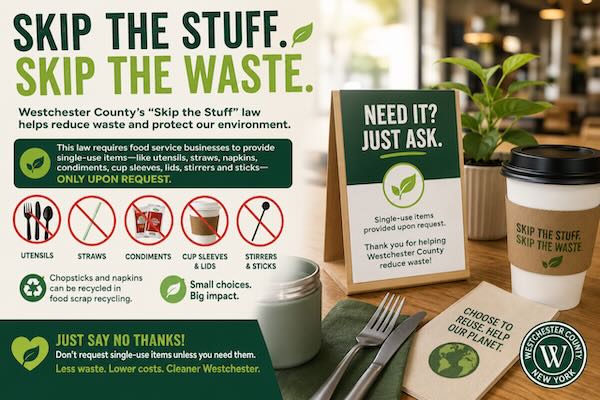
The law prohibits automatic provision of single-use plastic utensils, straws, napkins, and condiment packets in dine-in, takeout, delivery, and drive-thru orders. Customers can still request these items explicitly. Restaurants must provide reusable silverware for dine-in service. Sellers of single-use plastic foodware face market elimination in New Jersey, while suppliers of reusable alternatives and certified compostable products gain competitive advantage. Food delivery platforms (DoorDash, Uber Eats, Grubhub) have updated default settings to exclude utensils unless customers opt-in, fundamentally changing purchasing patterns.
What are the compliance penalties and enforcement timeline for New Jersey restaurants?
Enforcement includes a warning system for initial non-compliance, with repeat violations subject to fines starting at $100 and escalating to $250 per violation. The law took effect August 2, 2026, with immediate enforcement. Food court restaurants receive a two-year grace period (until August 2028) before mandatory compliance. Sellers should monitor enforcement intensity through New Jersey Department of Environmental Protection announcements. Non-compliance creates liability for restaurant partners, making certified suppliers critical for risk mitigation.