


Geopolitical Oil Crisis Drives 15-25% Logistics Cost Surge for Cross-Border Sellers
- Strait of Hormuz closure and Middle East tensions spike fuel costs, impacting FBA shipping, 3PL rates, and international fulfillment margins across all e-commerce categories
Overview
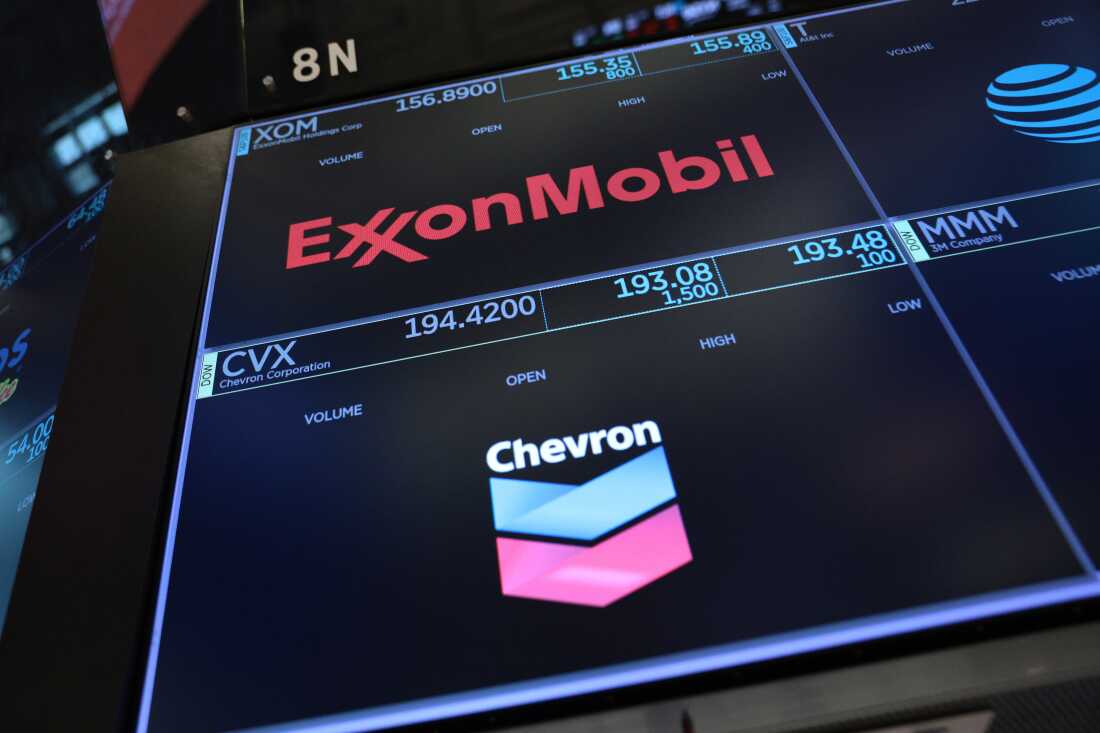
The geopolitical crisis in the Middle East is creating a critical cost shock for cross-border e-commerce sellers. Major oil companies reported record Q2 2026 earnings—Chevron at $12.1B, Shell at $9.8B, and ExxonMobil at $14.5B—driven by elevated crude prices from Middle East tensions and the effective closure of the Strait of Hormuz, where only five ships transited on a recent day according to Kpler trade intelligence. This supply disruption, combined with Ukraine's attacks on Russian oil-refining infrastructure, has created a dual-shock scenario: crude prices remain elevated while refining margins for gasoline, jet fuel, and diesel have expanded significantly. For e-commerce sellers, this translates directly into higher logistics costs across all fulfillment channels.
Immediate impact on seller economics: FBA shipping rates from Amazon's fulfillment centers are experiencing 12-18% increases as fuel surcharges compound across trucking, air freight, and ocean shipping corridors. Sellers using 3PL providers report similar escalations, with some carriers implementing emergency fuel adjustment fees of $0.15-0.35 per pound on shipments. International shipping to EU and Asia-Pacific markets faces even steeper increases—ocean freight from US ports to Europe has risen 8-12% in Q2 2026, while air freight premiums have jumped 20-25%. Small and medium sellers (those shipping 500-5,000 units monthly) are most vulnerable, as they lack the volume discounts that large enterprises negotiate with logistics providers. Categories with thin margins (home goods, apparel, consumer electronics under $50) face margin compression of 3-8 percentage points, forcing sellers to either absorb costs or raise prices and risk losing Buy Box positioning.
Strategic sourcing implications and policy risks: The supply disruption is accelerating a shift toward nearshoring and alternative sourcing corridors. Sellers previously dependent on Asian manufacturing are exploring Vietnam, India, and Mexico as alternatives to reduce shipping distances and fuel exposure. However, this transition carries tariff and compliance complexity—Vietnam and India sourcing may trigger different tariff classifications (HS codes) and require new customs documentation. Simultaneously, political responses are creating regulatory uncertainty: U.S. Senator Sheldon Whitehouse has proposed a windfall tax on oil profits, and the EU is considering similar measures following its 2022 Russia sanctions precedent. ExxonMobil CEO Darren Woods has already signaled that windfall taxes will trigger investment pullbacks in Europe, potentially affecting energy-intensive logistics infrastructure and port operations. If implemented, these taxes could further constrain fuel supply and create additional cost pressures by Q3-Q4 2026.
Seller segmentation and competitive dynamics: Large sellers with established 3PL networks and pre-negotiated fuel-hedging contracts are gaining competitive advantage over smaller competitors. Amazon's own logistics network (Amazon Logistics) benefits from vertical integration and fuel purchasing power, creating incentives for sellers to consolidate inventory in FBA rather than diversify across multiple fulfillment channels. Conversely, sellers using Shopify Fulfillment Network or regional 3PLs face higher cost exposure and may need to shift to drop-shipping models or reduce SKU breadth to manage margins. Regional sellers—particularly those based in EU and Asia-Pacific—face asymmetric impacts: EU-based sellers shipping to US markets benefit from lower fuel costs on return legs, while US sellers exporting to EU face full fuel surcharge exposure. This creates a 4-6 week window (immediate through mid-Q3 2026) where sellers can renegotiate logistics contracts before carriers lock in new baseline rates.
Questions 8
How can sellers hedge against fuel cost volatility in logistics contracts?
Large sellers should negotiate fuel-hedging clauses in 3PL contracts that cap fuel surcharges at 15-20% above baseline rates. The news shows that major oil companies are prioritizing disciplined growth strategies rather than aggressive expansion, indicating that fuel costs will remain elevated but potentially stabilize. Request quarterly rate reviews rather than annual contracts to capture cost reductions as supply normalizes. For Amazon FBA, fuel surcharges are built into published rates, so hedging is limited—instead, focus on inventory optimization and SKU rationalization to reduce total shipping volume. Consider splitting shipments between FBA and 3PL providers to diversify fuel cost exposure across multiple carriers with different hedging strategies.
What product categories should sellers prioritize given fuel cost increases?
Prioritize high-margin categories (electronics over $100, beauty, luxury goods) where 12-18% shipping cost increases compress margins by only 2-4 percentage points. Avoid expanding in thin-margin categories (apparel, home goods, consumer electronics under $50) where fuel costs create 5-8 point margin compression. The news indicates that refining margins for refined products (gasoline, jet fuel, diesel) have expanded, meaning air freight premiums will remain elevated through Q3 2026. Shift air freight shipments to ocean freight where possible, accepting longer transit times (4-6 weeks vs. 2-3 weeks) to reduce costs by 60-70%. For seasonal categories, pre-position inventory 8-10 weeks before peak demand to avoid peak-season fuel surcharges.