




FCC Robotic Vacuum Restrictions | New Market Opportunity for US Sellers
- FCC bans new foreign robotic vacuum models from FCC authorization; creates $1,000+ price premium opportunity for domestic US manufacturers and authorized retailers


Overview
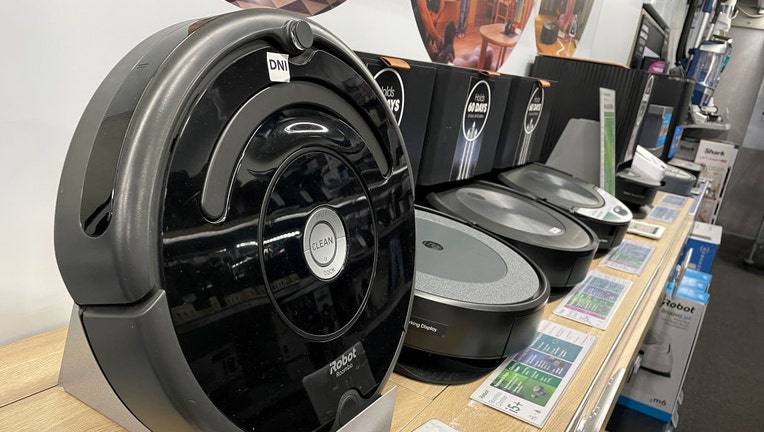
The Federal Communications Commission's new "Covered List" restrictions on robotic vacuums represent a significant regulatory shift that creates immediate market opportunities for US-based sellers and domestic manufacturers. The FCC classified robotic vacuums as "advanced robotic devices" requiring enhanced security authorization, specifically targeting newly authorized foreign-produced models seeking FCC equipment approval. The restriction applies to mechanical mobile units weighing over 4.4 pounds with autonomous navigation powered by firmware, AI models, or sensors using Bluetooth, Wi-Fi, or cellular connectivity—essentially all modern robotic vacuums from major manufacturers including iRobot's Roomba, SharkNinja, Dyson, Samsung, and LG.
Critical for sellers: Previously authorized models already in circulation remain unaffected, meaning existing inventory can continue selling through Amazon, eBay, Walmart, and other platforms without compliance issues. However, new product authorizations for foreign-manufactured models face significant regulatory barriers. This creates a two-tier market: legacy inventory from China, Vietnam, Malaysia, and Indonesia (where 90%+ of production occurs) can still be sold, but new model launches from these regions require FCC approval under stricter cybersecurity standards.
The competitive advantage shifts dramatically to domestic manufacturers. Matic, a California-based competitor, positions itself at $1,245 per unit versus Roomba's $200 entry point—a 520% price premium that becomes defensible under regulatory constraints. For cross-border sellers, this means: (1) existing Chinese-manufactured inventory remains highly profitable through 2025-2026 as supply tightens; (2) authorized retailers of legacy models gain competitive moat against new entrants; (3) domestic alternatives command premium pricing with reduced competition from new foreign models.
Sourcing implications are substantial. Sellers currently importing robotic vacuums from China, Vietnam, Malaysia, or Indonesia should accelerate inventory purchases of models already FCC-authorized before new restrictions fully implement. The policy reflects broader US efforts to restrict foreign-made advanced robotics and connected devices, signaling similar restrictions may follow for other IoT categories (smart home devices, drones, connected appliances). This creates urgency for sellers to lock in supply chains for connected device categories before additional regulatory barriers emerge.
Market access window: Immediate to 6 months. Retailers can continue selling previously approved models without compliance costs, but new product launches face 6-12 month FCC authorization delays. This creates a temporary supply shortage that benefits existing inventory holders and authorized distributors with premium pricing power through mid-2025.
Questions 8
How does this policy impact my profit margins and pricing strategy?
The restrictions create a temporary supply shortage that supports premium pricing through mid-2025. Wholesale costs for authorized inventory will likely increase 15-25% as competitors compete for limited stock, but retail prices can increase 20-35% as consumer options narrow. Sellers holding authorized inventory gain pricing power—Matic's $1,245 premium positioning versus Roomba's $200 demonstrates the market will accept significant price increases when alternatives face regulatory barriers. Lock in current wholesale pricing immediately to maximize margin expansion as supply tightens.
Can I still sell existing robotic vacuum inventory on Amazon and eBay?
Yes, the FCC restrictions apply only to newly authorized foreign-produced models seeking FCC equipment authorization. Previously approved robotic vacuums already in circulation can continue selling through Amazon, eBay, Walmart, and other platforms without compliance issues. The FCC explicitly confirmed that existing robotic vacuums in consumers' homes and retail inventory are unaffected. However, sellers should verify their specific product models were authorized before the new restrictions took effect to ensure continued marketplace eligibility.