



Amazon Stock Rally Signals Platform Expansion | Seller Opportunity Window
- Amazon's post-earnings momentum indicates increased investment in seller infrastructure, logistics, and category expansion; sellers should capitalize on platform growth initiatives within 30-90 days

Overview
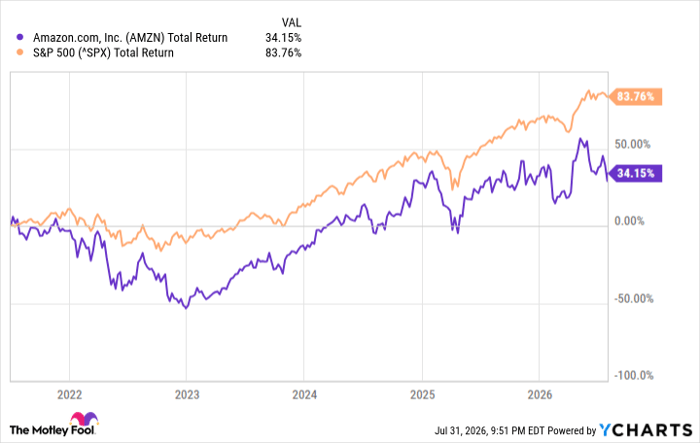
Amazon's post-earnings stock rally reflects investor confidence in the company's diversified revenue streams, particularly its high-margin AWS and advertising businesses. While the news article itself lacks detailed operational specifics, the market's positive reception signals Amazon's strategic direction: continued investment in marketplace infrastructure, logistics networks, and seller enablement tools. This creates a critical window for e-commerce sellers to position themselves ahead of anticipated platform enhancements.
Platform Investment Implications: When Amazon's stock performs strongly post-earnings, the company typically accelerates capital allocation toward seller tools, fulfillment network expansion, and category development. Historically, positive earnings cycles correlate with new FBA features (improved IPI scoring systems, expanded storage options), advertising platform enhancements (Amazon DSP improvements, sponsored content expansion), and logistics optimization (faster delivery promises, regional fulfillment center openings). Sellers should expect announcements regarding fee structures, seller central dashboard updates, and new category opportunities within Q1-Q2 2025.
Competitive Positioning Opportunity: The stock rally indicates Amazon management's confidence in marketplace growth, suggesting the company will invest in competitive advantages against eBay, Shopify, and emerging platforms like TikTok Shop. This typically manifests as improved seller support, faster payment processing, and enhanced brand protection tools. Sellers currently on Amazon should leverage this momentum to expand their product catalogs and increase advertising spend while the platform prioritizes growth. Conversely, sellers on alternative platforms should monitor Amazon's moves closely—the company's investment cycle often triggers category consolidation where Amazon captures market share from competitors.
Regional and Category Expansion Signals: Strong earnings typically precede geographic expansion announcements. Amazon may accelerate its presence in Southeast Asia, Latin America, or emerging European markets. Sellers should prepare inventory and logistics strategies for potential new marketplace launches. Additionally, positive earnings cycles often correlate with Amazon's push into underserved categories (home automation, health/wellness, sustainable products). Sellers in these emerging categories should increase their FBA inventory and optimize listings for discovery during the anticipated expansion phase.
Risk Mitigation and Timeline: While the stock rally is positive, sellers must remain vigilant about potential fee increases that often accompany platform expansion. Historical patterns show Amazon increases referral fees or introduces new service fees 6-12 months after major capital allocation announcements. Sellers should audit their current fee structures, calculate break-even points for different categories, and develop contingency plans for 5-10% margin compression. Monitor Amazon Seller Central announcements weekly and maintain relationships with Amazon account managers to receive early notice of policy changes.
Questions 7
What risks should sellers monitor during Amazon's expansion phase?
Primary risks include: (1) Fee increases 6-12 months post-earnings (referral fees +0.5-2%, FBA fees +5-15%), (2) Increased competition as Amazon attracts new sellers with growth signals, (3) Inventory imbalances if sellers over-invest in FBA during expansion, (4) Policy changes affecting seller protections or brand registry requirements, (5) Geographic expansion creating new compliance requirements (VAT, customs). Maintain 20-30% cash reserves, diversify inventory across platforms, and monitor Seller Central announcements weekly for early warning signs of policy changes.
How can sellers leverage Amazon's growth momentum for competitive advantage?
Use the 30-90 day window following positive earnings to: (1) expand FBA inventory in high-demand categories before fulfillment capacity constraints emerge, (2) increase Amazon advertising spend while the platform prioritizes growth and may offer promotional rates, (3) optimize listings for new category launches Amazon is likely to announce, (4) develop contingency plans for alternative platforms (Shopify, eBay) to reduce single-platform dependency. Track Amazon's capital expenditure announcements and adjust strategy quarterly based on disclosed investment priorities.