



US-China AI & Robotics Restrictions | Critical Tariff & Supply Chain Shifts for Tech Sellers
- FCC humanoid robot ban and potential AI chip sanctions reshape sourcing costs 15-30% for electronics sellers; immediate policy clarity window closes within 60 days




.jpg)























Overview
The escalating US-China technology competition—marked by the FCC's ban on Chinese humanoid robots (Unitree and similar companies), Treasury Secretary Bessent's proposed sanctions on Chinese AI firms, and mass production of specialty AI chips by Chinese manufacturers—creates immediate tariff arbitrage and supply chain restructuring opportunities for cross-border electronics and AI-enabled product sellers.
Tariff & Cost Impact: The $1 trillion stock market selloff triggered by Chinese chip manufacturing advances signals imminent US policy response. Sellers currently sourcing AI chips, robotics components, and semiconductor-dependent products from China face three scenarios: (1) immediate 25-35% tariff increases if sanctions materialize, (2) supply disruptions during 60-90 day policy clarification period, or (3) competitive advantage if they pivot to Vietnam/India sourcing before tariff walls solidify. Electronics sellers with 500+ monthly units should model cost increases of $8-15 per unit for AI-integrated products (smart home devices, drones, autonomous systems).
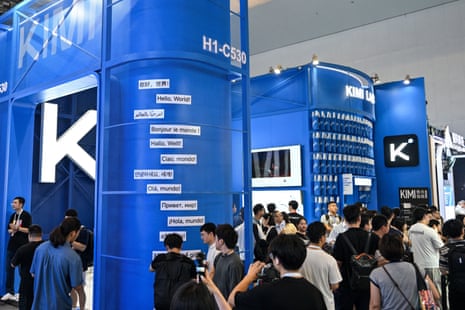
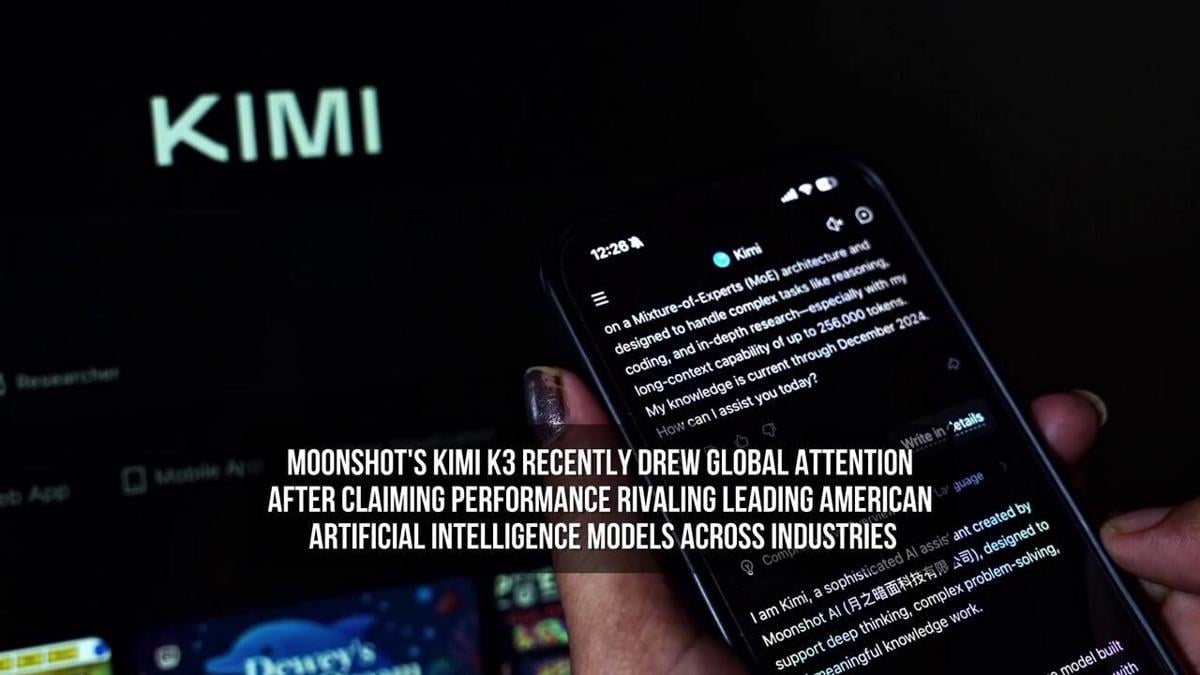
Market Access Shifts: The White House division—with Commerce Secretary Lutnick opposing restrictions while Treasury pushes sanctions—creates a 4-6 week window before policy crystallizes. Sellers should immediately audit sourcing: products using Chinese AI chips (Moonshot AI's Kimi K3 integration, specialty AI processors) face higher restriction risk than generic electronics. The Microsoft, Nvidia, Meta joint letter opposing open-source model restrictions indicates enterprise buyers will continue accessing low-cost Chinese AI alternatives, creating demand for compatible integration products and accessories. This signals sustained demand for AI-adjacent products (cooling systems, power supplies, integration services) even if chip sourcing becomes restricted.
Competitive Dynamics: Small sellers (under $500K annual revenue) sourcing from China face margin compression of 15-25% if tariffs increase, while larger sellers with established Vietnam/India supply chains gain 8-12% cost advantage. The humanoid robot ban specifically targets companies like Unitree—eliminating a competitive threat but also signaling broader robotics restrictions. Sellers in smart home, industrial automation, and consumer robotics categories should expect 90-120 day sourcing transition periods. The $1 trillion market selloff indicates institutional investors are already pricing in supply chain disruption; sellers who move first to alternative sourcing gain 2-3 month first-mover advantage before competitors react.
Timing Window: Policy clarity expected within 60 days (Trump administration decision on Bessent's sanctions proposal). Sellers must decide by mid-February 2025 whether to: (1) increase inventory from current Chinese suppliers before tariffs, (2) shift to Vietnam/India sourcing with 45-60 day lead time, or (3) pivot product mix toward non-restricted categories. The FCC robot ban is immediate—any inventory of Chinese humanoid robots becomes unsellable in US market, representing potential write-offs for affected sellers.
Questions 8
What tariff increases should electronics sellers expect if Treasury sanctions Chinese AI firms?
Treasury Secretary Bessent's proposed sanctions on Chinese AI firms could trigger **25-35% tariff increases on AI chips and semiconductor components**, based on historical Section 301 tariff precedent. For sellers sourcing AI-integrated products (smart home devices, drones, autonomous systems), this translates to **$8-15 per unit cost increases** on products with 500+ monthly volume. The White House division—with Commerce Secretary Lutnick opposing restrictions—creates a 4-6 week policy clarification window. Sellers should immediately model two scenarios: (1) tariff increases effective March 2025, or (2) continued access at current rates. Small sellers (under $500K revenue) face 15-25% margin compression, while larger sellers with Vietnam/India supply chains gain 8-12% competitive advantage. Decision deadline: mid-February 2025 before policy crystallizes.
How will the FCC humanoid robot ban affect sellers with Chinese robot inventory?
The **FCC's immediate ban on Chinese humanoid robots** (including Unitree products) makes any existing inventory of these devices unsellable in the US market, representing potential total loss for affected sellers. Sellers currently holding Chinese humanoid robot stock should immediately liquidate through international channels (EU, Southeast Asia) or face write-offs. The ban cites national security risks including data theft and surveillance capabilities, making it unlikely to be reversed. Sellers in the robotics category should pivot to non-Chinese manufacturers (Boston Dynamics, Tesla Bot) or focus on non-humanoid automation products (robotic arms, drones) which face less regulatory scrutiny. This represents an immediate 0-30 day action window before inventory becomes completely unmarketable.