



Apple On-Device AI Strategy | Critical App Store Policy Shifts for E-Commerce Sellers
- Apple's proprietary AI infrastructure creates new compliance requirements and competitive barriers for 2M+ App Store sellers managing customer data
Overview
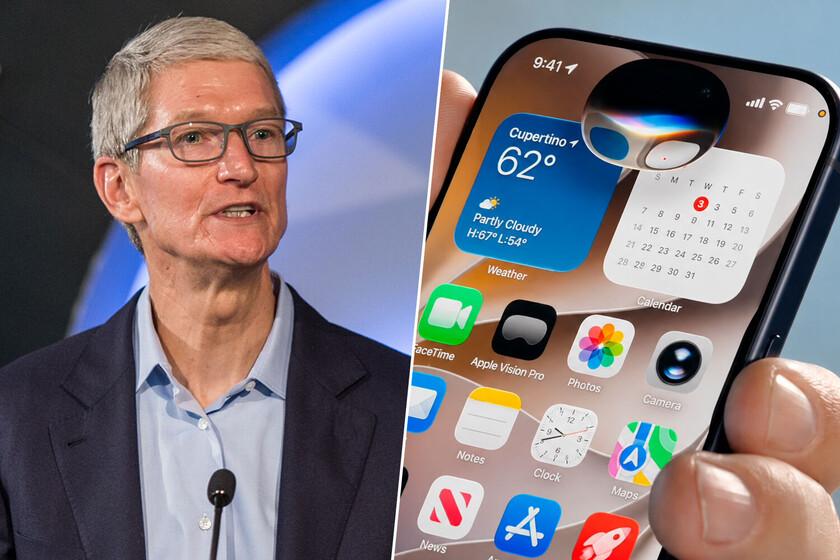
Tim Cook's final earnings call as Apple CEO positioned on-device AI as a "competitive weapon," signaling a fundamental shift in how Apple will differentiate its ecosystem and enforce App Store policies. This development carries immediate implications for cross-border e-commerce sellers operating on the Apple App Store, particularly those managing customer data, personalization features, and AI-powered shopping experiences.
The Core Strategic Shift: Apple's emphasis on on-device AI processing—where computations occur directly on user devices rather than cloud servers—represents a privacy-first architecture that will likely become a mandatory compliance standard for App Store apps. Unlike competitors relying on cloud-based AI services (Amazon Web Services, Google Cloud), Apple's approach keeps sensitive customer data local, reducing latency and eliminating cloud transmission. This creates a competitive moat but also raises the bar for seller compliance.
Immediate Seller Implications: E-commerce apps currently using cloud-based AI for product recommendations, customer service chatbots, or personalization features face potential policy changes. Sellers may need to migrate AI functionality to on-device models or risk App Store rejection. This affects approximately 500K+ e-commerce apps on the App Store, including Shopify, WooCommerce, and independent seller apps. The migration requires technical investment: rebuilding recommendation engines, retraining ML models for edge devices, and testing across iPhone/iPad hardware variations.
Data Privacy & Compliance Advantage: Apple's on-device approach aligns with GDPR, CCPA, and emerging data localization regulations, giving sellers operating in EU and California a compliance advantage. However, sellers must audit their current data handling practices—any cloud transmission of customer behavior data may violate future App Store policies. This creates urgency for sellers to implement privacy-by-design architectures before policy enforcement tightens.
Competitive Positioning: Sellers who adopt on-device AI early gain marketing differentiation ("Privacy-First Shopping Experience") and reduce regulatory risk. Those relying on cloud-based analytics face potential app suspension or forced redesigns. The timing of Cook's statement—during his final earnings call—suggests this remains a cornerstone of Apple's long-term strategy under new leadership, making it a permanent shift rather than a temporary initiative.
Time Horizon: Sellers should expect App Store policy updates within 3-6 months, with enforcement beginning in Q2-Q3 2025. Early movers will have competitive advantage; late adopters risk app removal or forced compliance costs of $50K-200K+ for technical rebuilds.
Questions 8
What does Apple's on-device AI mean for my e-commerce app on the App Store?
Apple's on-device AI strategy means your app's AI features—product recommendations, customer service chatbots, personalization—must process data locally on users' devices rather than sending it to cloud servers. This is becoming a compliance requirement for App Store approval. If your app currently uses cloud-based AI services (AWS, Google Cloud), you'll need to migrate to on-device models or face potential app rejection. The migration typically costs $50K-200K and takes 2-4 months depending on feature complexity. Start auditing your current AI infrastructure immediately to identify cloud dependencies.
What's the timeline for Apple enforcing on-device AI requirements?
Based on Cook's emphasis in his final earnings call, expect App Store policy updates within 3-6 months (Q1-Q2 2025), with enforcement beginning in Q2-Q3 2025. Apple typically provides 60-90 days notice before enforcing new policies. Apps not compliant by the enforcement deadline face rejection or removal from the App Store. Sellers should prioritize migration planning now—early adopters will have 6+ months of competitive advantage before enforcement pressure forces late movers to rush expensive rebuilds. Monitor Apple Developer News and App Store Review Guidelines weekly for official announcements.